Plan Japan by practical travel questions
Find Japan travel spots, routes, and visit-duration guides.
Discover Japan organizes sightseeing spots and focused travel guides for first-time visitors. Start with a region, a place name, or a practical question such as how long to spend, what to eat, or how to plan a half-day route.
Search by travel question
Popular English travel guides
Planning guides travelers are already searching for
Start with focused answers for visit duration, half-day routes, ticket choices, family visits, airport food, and other practical decisions before you arrive.
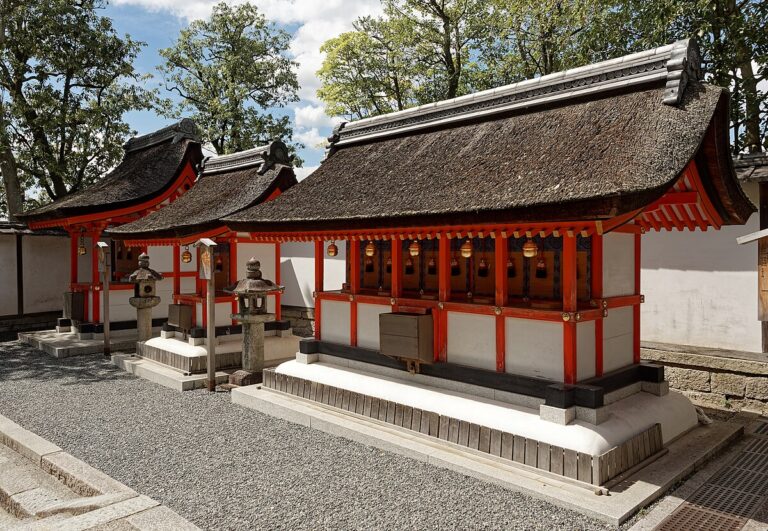 How Long to Spend at Fushimi Inari Taisha: 1, 2, or Half Day?
Most travelers need 1.5 to 2.5 hours at Fushimi Inari Taisha. Compare 1-hour, 2-hour, and half-day routes, crowd timing, access, and...
How Long to Spend at Fushimi Inari Taisha: 1, 2, or Half Day?
Most travelers need 1.5 to 2.5 hours at Fushimi Inari Taisha. Compare 1-hour, 2-hour, and half-day routes, crowd timing, access, and...
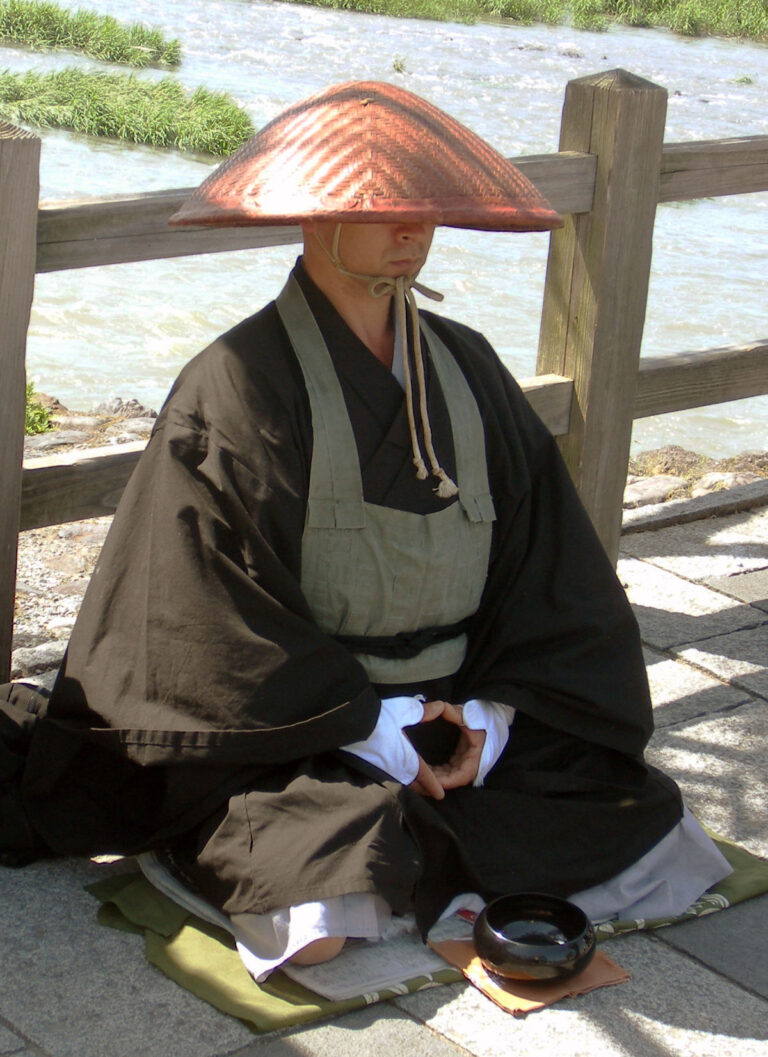 Arashiyama Half-Day Itinerary: Best Route, Time Needed, and Crowds
Follow a practical Arashiyama half-day itinerary for Kyoto: bamboo grove first, Togetsukyo Bridge, one temple or garden, time budget...
Arashiyama Half-Day Itinerary: Best Route, Time Needed, and Crowds
Follow a practical Arashiyama half-day itinerary for Kyoto: bamboo grove first, Togetsukyo Bridge, one temple or garden, time budget...
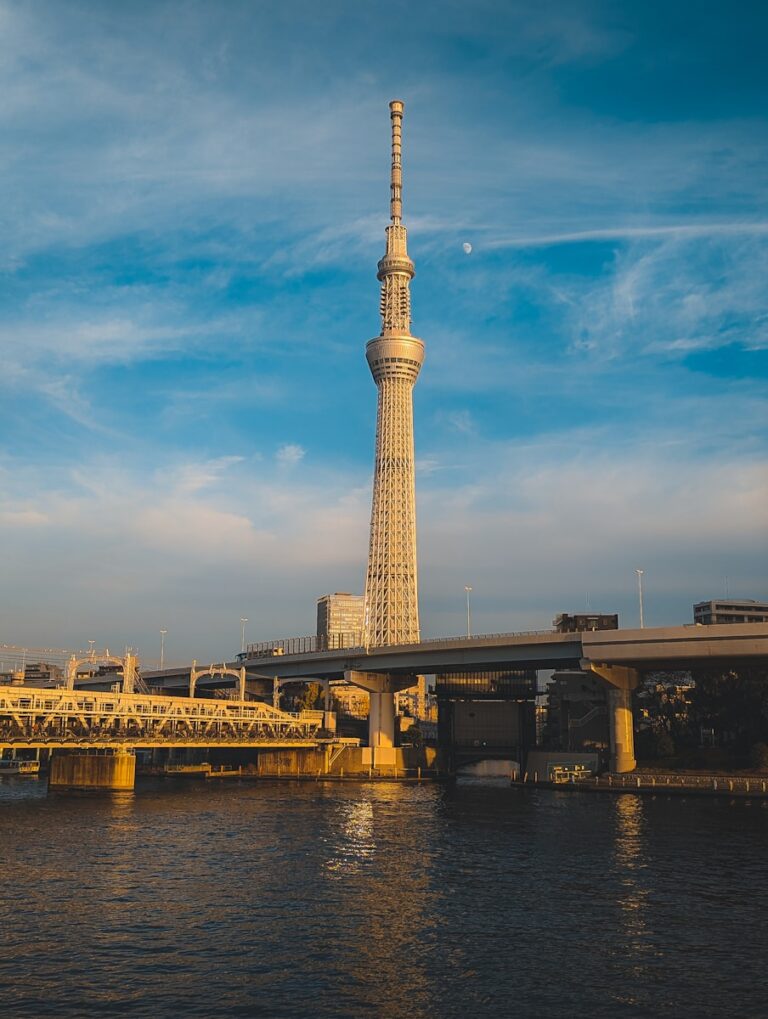 Tokyo Skytree Tembo Deck vs Galleria: Which Ticket Is Worth It?
Compare Tokyo Skytree Tembo Deck and Tembo Galleria by view, price, time needed, weather risk, and who should pay for the higher 450...
Tokyo Skytree Tembo Deck vs Galleria: Which Ticket Is Worth It?
Compare Tokyo Skytree Tembo Deck and Tembo Galleria by view, price, time needed, weather risk, and who should pay for the higher 450...
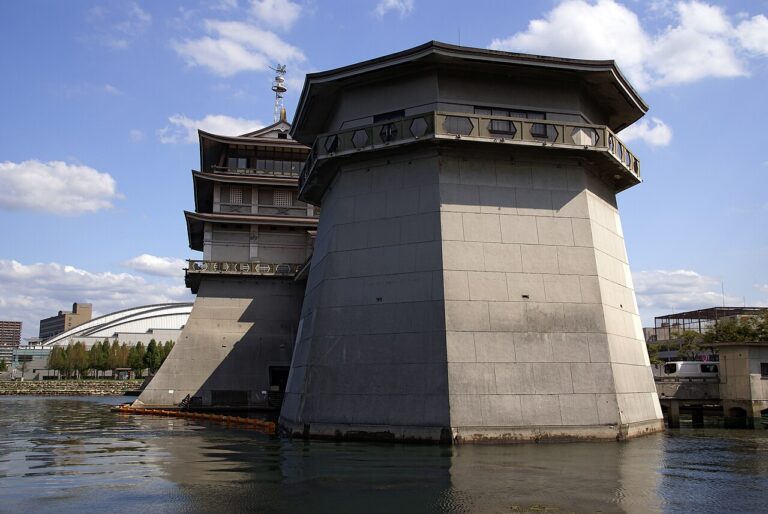 Lake Biwa Museum with Kids: Time Needed, Highlights, and Family Tips
Plan Lake Biwa Museum with kids: how long to stay, best exhibits for families, rainy-day tips, access planning, and nearby Lake Biwa...
Lake Biwa Museum with Kids: Time Needed, Highlights, and Family Tips
Plan Lake Biwa Museum with kids: how long to stay, best exhibits for families, rainy-day tips, access planning, and nearby Lake Biwa...
 Things to Do at New Chitose Airport Before Your Flight
Plan things to do at New Chitose Airport before your flight: food, souvenirs, Royce Chocolate World, onsen, theater, time needed, an...
New Chitose Airport Food Guide: What to Eat Before Your Flight
What to eat at New Chitose Airport before your flight, including ramen, seafood, sweets, souvenirs, Royce Chocolate World, timing, a...
Things to Do at New Chitose Airport Before Your Flight
Plan things to do at New Chitose Airport before your flight: food, souvenirs, Royce Chocolate World, onsen, theater, time needed, an...
New Chitose Airport Food Guide: What to Eat Before Your Flight
What to eat at New Chitose Airport before your flight, including ramen, seafood, sweets, souvenirs, Royce Chocolate World, timing, a...
New spots
-

Kasuga Taisha Shrine (Nara City, Nara Prefecture)
Overview (History, Features, and Attractions) Kasuga Taisha Shrine is an ancient shrine located in Nara City, Nara Prefecture. Founded in 768 (believed to have originated during the Wadō era) as a shrine dedicated to the clan deity of the Fujiwara clan, the shrine's status rose with the Fujiwara clan's influence from the Heian period onwards, and the current group of shrine buildings was built in the Edo period and later. -
Kamakura Museum of Literature (Kamakura City, Kanagawa Prefecture)
Overview (History, Features, and Attractions) The Kamakura Museum of Literature is a cultural facility that houses and exhibits materials related to authors and literary works associated with Kamakura. It features a Western-style building and gardens that change appearance with the seasons, and is particularly famous for its rose garden. Inside the museum, you can explore materials such as handwritten manuscripts, letters, photographs, and favorite items... -
Mount Fuji (Fujinomiya City, Shizuoka Prefecture)
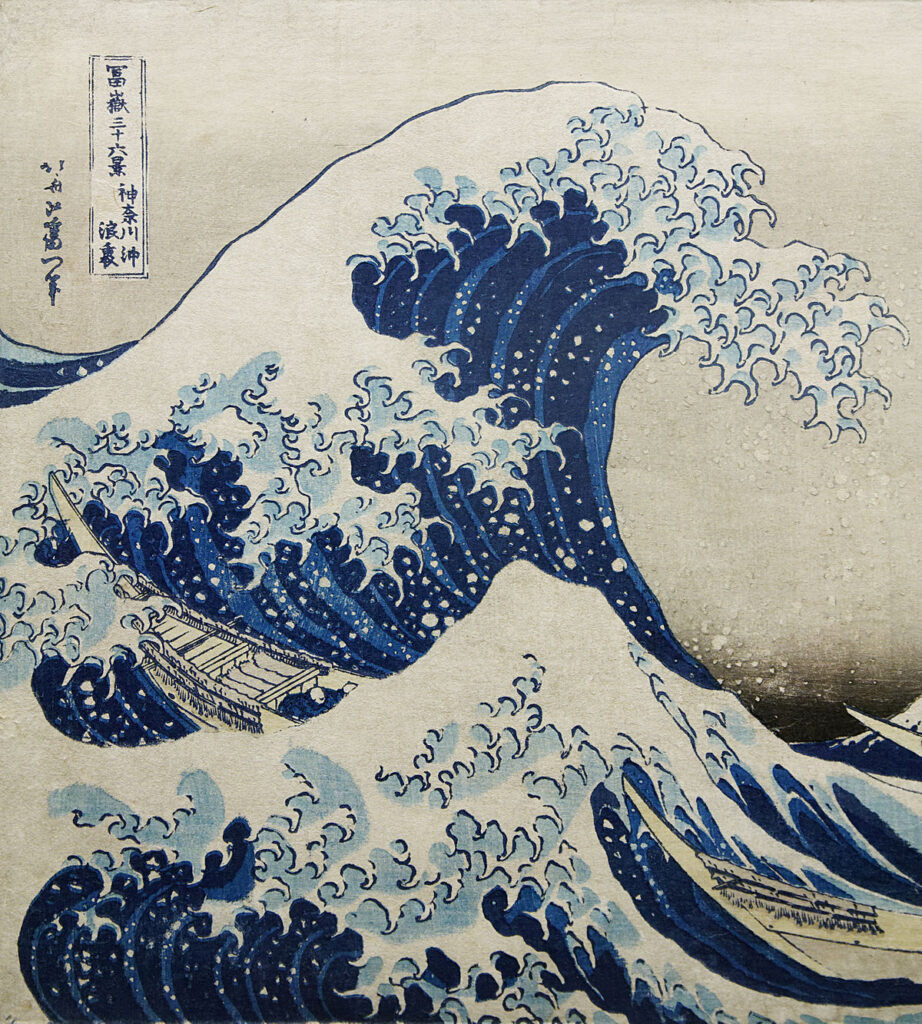
Overview (History, Features, and Attractions) Mount Fuji (Fujinomiya City, Shizuoka Prefecture) is an iconic active volcano in Japan, rising 3,776 meters above sea level. It has been a religious site since ancient times, and temples associated with Asama faith (such as Fujisan Hongu Sengen Taisha) remain at the foot of the mountain. In 2013, it was recognized as one of the World Heritage Sites for its "Mount Fuji: Place of Sacred Worship and Source of Artistic Inspiration.". -
Chion-in Temple (Higashiyama Ward, Kyoto City, Kyoto Prefecture)
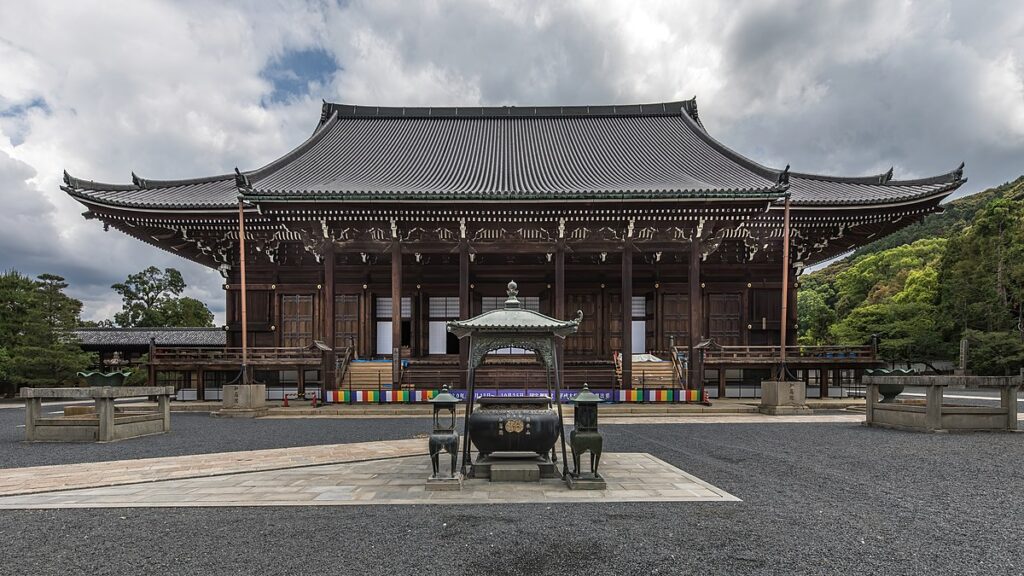
Overview (History, Features, and Attractions) Chion-in Temple is the head temple of the Jodo sect of Buddhism in Higashiyama Ward, Kyoto City. As a temple associated with Honen (the founder of the Jodo sect), it has a history dating back to the Kamakura period, and has long been a popular destination for worshippers as a temple town. During the Edo period, it received patronage from the Tokugawa shogunate... -
Jigokudani Monkey Park (Yamanouchi Town, Nagano Prefecture)
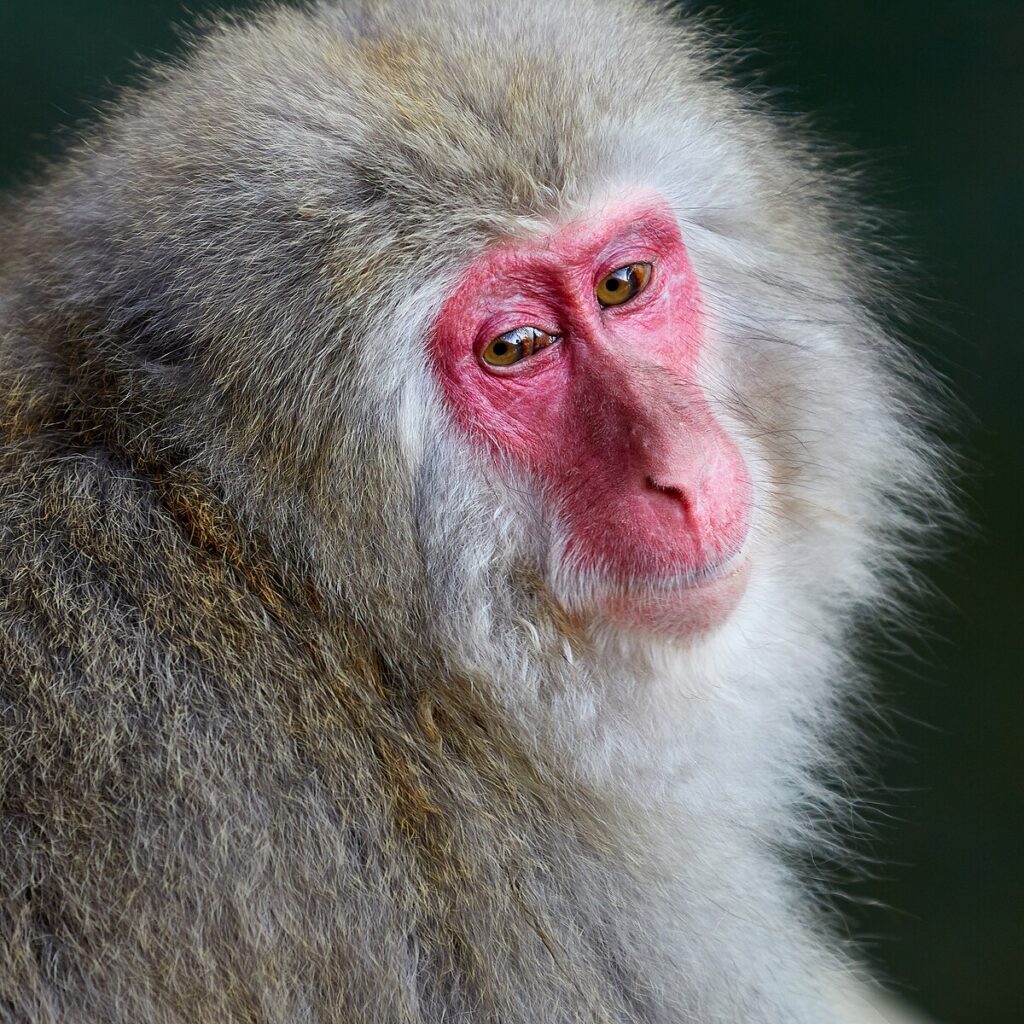
Jigokudani Monkey Park (Yamanouchi Town, Nagano Prefecture) Overview (History, Features, Attractions) Jigokudani Monkey Park is a facility located in a valley in Yamanouchi Town, Shimotakai District, Nagano Prefecture, where you can observe wild Japanese macaques (Nihon macaques). The sight of the monkeys bathing in natural pools created at the outlet of hot springs in the mountains has become popular, and the park has been nationally recognized... -
Tokushima Castle (Tokushima City, Tokushima Prefecture)
Overview (History, Features, and Attractions) Tokushima Castle is a castle ruin located in the center of Tokushima City, Tokushima Prefecture. During the Edo period, it served as the residence of the Hachisuka clan and served as the headquarters of the Tokushima Domain. It was renovated from the end of the Sengoku period through the Edo period, and the remains of the stone walls, moats, and enclosures remain in good condition. -
Sasayama Castle (Tamba Sasayama City, Hyogo Prefecture)
Sasayama Castle (Tamba Sasayama City, Hyogo Prefecture) — Overview (History, Features, and Attractions) Sasayama Castle is a castle ruin located in the center of Tamba Sasayama City, Hyogo Prefecture. It is a tourist destination that retains the atmosphere of a castle town from the Edo period. Built after the Battle of Sekigahara, the castle was intended to control the western provinces of Japan and to keep the Kyoto and Osaka areas in check. Its stone walls and moat... -
Kofu Castle (Kofu City, Yamanashi Prefecture)
Kofu Castle (Maizuru Castle) Overview (History, Features, and Attractions) Kofu Castle (also known as Maizuru Castle) is a castle ruin located in the center of Kofu City, Yamanashi Prefecture, and is now maintained as Maizuru Castle Park. Following the former castle (Tsugane and Tsutsujigasaki Castle) that was the center of Kai Province during the Sengoku period, it was converted into a castle and a castle during the Edo period... -
Atami Castle (Atami City, Shizuoka Prefecture)
Overview (History, Features, and Attractions) Atami Castle is a castle-style tourist attraction located near the summit of Shiroyama (approximately 100 meters above sea level) in Atami City, Shizuoka Prefecture. It is not an original ancient castle; it was rebuilt in 1959 (Showa 34) as a tourist attraction, and differs from actual castles from the Warring States period. -
Toyokawa Inari Shrine (Toyokawa City, Aichi Prefecture)
Overview (History, Features, and Attractions) Toyokawa Inari (official name: Myogon-ji Temple, commonly known as Toyokawakaku) is an ancient temple in Toyokawa City, Aichi Prefecture, known for its unique form of worship that combines the Inari faith of Shinto shrines with Buddhism. Since ancient times, it has been a place of worship for the common people as a place of prayer for business prosperity, family safety, and bountiful harvests...