Plan Japan by practical travel questions
Find Japan travel spots, routes, and visit-duration guides.
Discover Japan organizes sightseeing spots and focused travel guides for first-time visitors. Start with a region, a place name, or a practical question such as how long to spend, what to eat, or how to plan a half-day route.
Search by travel question
Popular English travel guides
Planning guides travelers are already searching for
Start with focused answers for visit duration, half-day routes, ticket choices, family visits, airport food, and other practical decisions before you arrive.
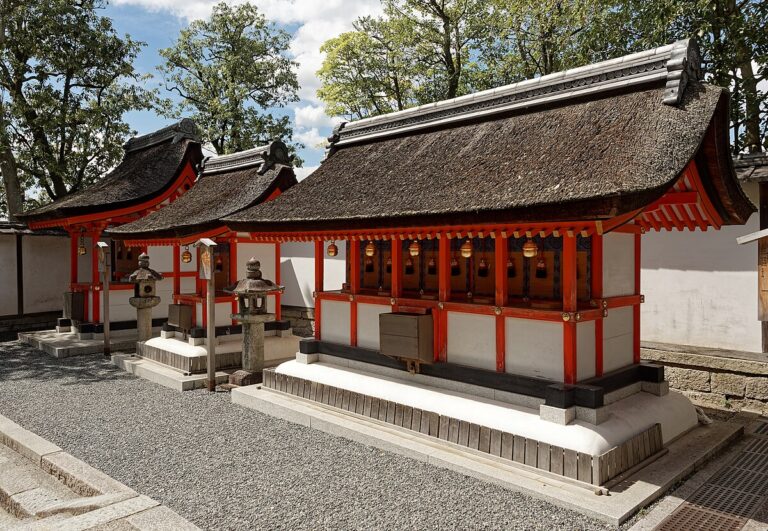 How Long to Spend at Fushimi Inari Taisha: 1, 2, or Half Day?
Most travelers need 1.5 to 2.5 hours at Fushimi Inari Taisha. Compare 1-hour, 2-hour, and half-day routes, crowd timing, access, and...
How Long to Spend at Fushimi Inari Taisha: 1, 2, or Half Day?
Most travelers need 1.5 to 2.5 hours at Fushimi Inari Taisha. Compare 1-hour, 2-hour, and half-day routes, crowd timing, access, and...
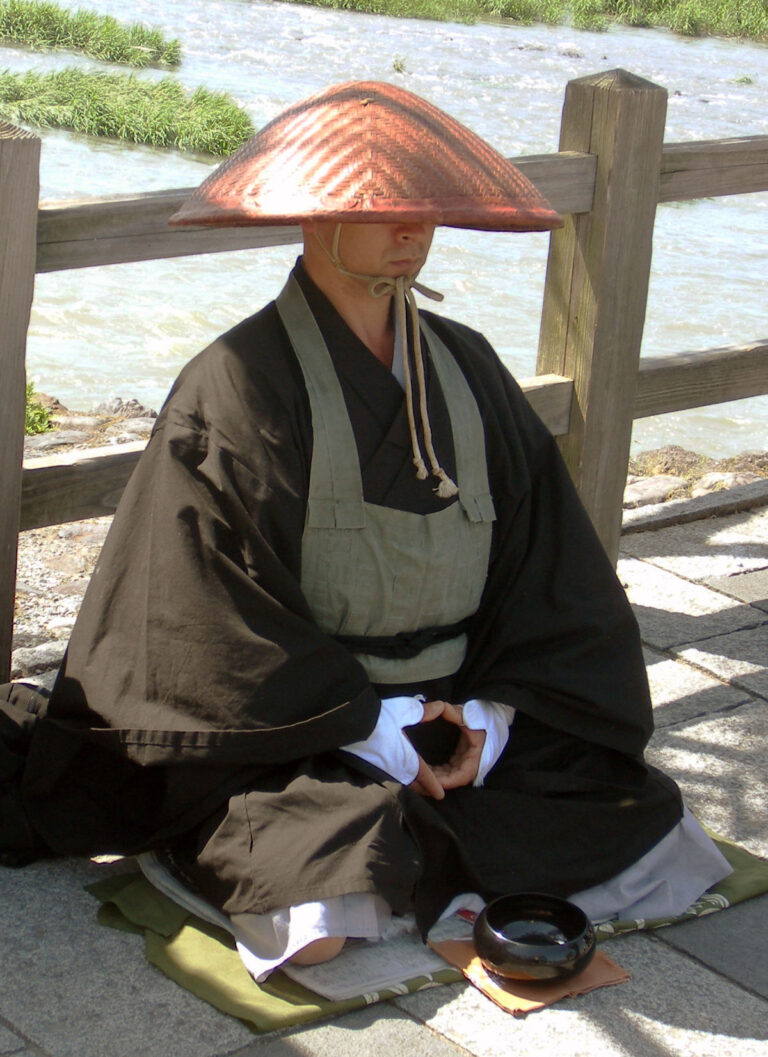 Arashiyama Half-Day Itinerary: Best Route, Time Needed, and Crowds
Follow a practical Arashiyama half-day itinerary for Kyoto: bamboo grove first, Togetsukyo Bridge, one temple or garden, time budget...
Arashiyama Half-Day Itinerary: Best Route, Time Needed, and Crowds
Follow a practical Arashiyama half-day itinerary for Kyoto: bamboo grove first, Togetsukyo Bridge, one temple or garden, time budget...
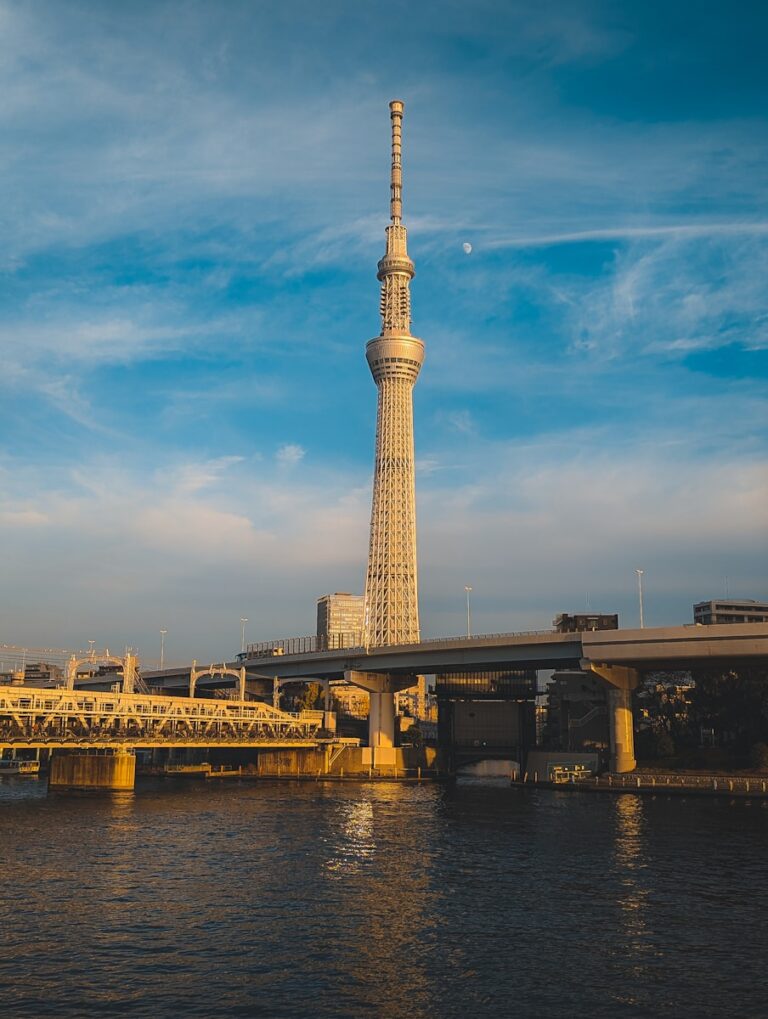 Tokyo Skytree Tembo Deck vs Galleria: Which Ticket Is Worth It?
Compare Tokyo Skytree Tembo Deck and Tembo Galleria by view, price, time needed, weather risk, and who should pay for the higher 450...
Tokyo Skytree Tembo Deck vs Galleria: Which Ticket Is Worth It?
Compare Tokyo Skytree Tembo Deck and Tembo Galleria by view, price, time needed, weather risk, and who should pay for the higher 450...
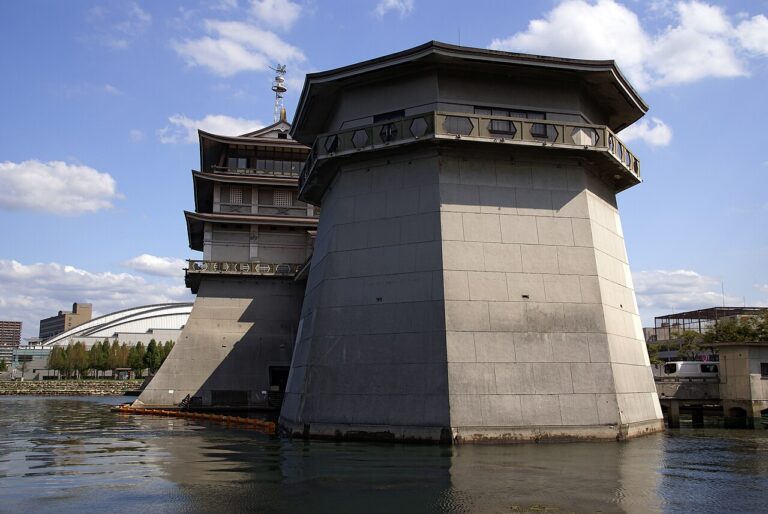 Lake Biwa Museum with Kids: Time Needed, Highlights, and Family Tips
Plan Lake Biwa Museum with kids: how long to stay, best exhibits for families, rainy-day tips, access planning, and nearby Lake Biwa...
Lake Biwa Museum with Kids: Time Needed, Highlights, and Family Tips
Plan Lake Biwa Museum with kids: how long to stay, best exhibits for families, rainy-day tips, access planning, and nearby Lake Biwa...
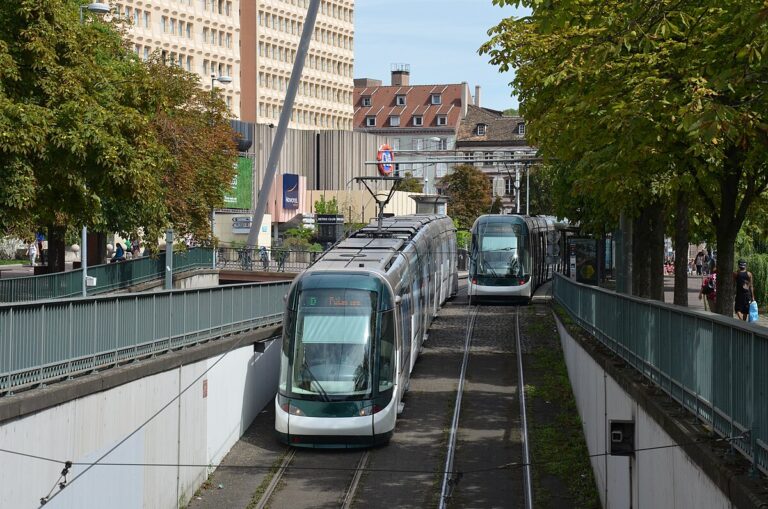 Things to Do at New Chitose Airport Before Your Flight
Plan things to do at New Chitose Airport before your flight: food, souvenirs, Royce Chocolate World, onsen, theater, time needed, an...
New Chitose Airport Food Guide: What to Eat Before Your Flight
What to eat at New Chitose Airport before your flight, including ramen, seafood, sweets, souvenirs, Royce Chocolate World, timing, a...
Things to Do at New Chitose Airport Before Your Flight
Plan things to do at New Chitose Airport before your flight: food, souvenirs, Royce Chocolate World, onsen, theater, time needed, an...
New Chitose Airport Food Guide: What to Eat Before Your Flight
What to eat at New Chitose Airport before your flight, including ramen, seafood, sweets, souvenirs, Royce Chocolate World, timing, a...
New spots
-

Takachiho Shrine (Takachiho Town, Nishiusuki District, Miyazaki Prefecture)
Takachiho Shrine (Takachiho Town, Nishiusuki District, Miyazaki Prefecture) Overview (History, Features, and Attractions) Takachiho Shrine is an ancient shrine deeply connected to the legends of the descent of the heavenly grandson and the Ama-no-Iwato cave, both of which are recorded in the Kojiki and Nihon Shoki. It is the central shrine of Takachiho Town, known as the setting for mythology. It is said to have been founded in ancient times... -
Hachimantai (Hachimantai City, Iwate Prefecture)
Overview (History, Features, and Attractions) Hachimantai is a volcanic highland region centered on Hachimantai City in Iwate Prefecture. Part of the Ou Mountain Range, it is characterized by its mountainous and plateau landscapes at an elevation of approximately 1,600 meters. It is home to flat plateaus and marshes created by volcanic activity, hot spring resorts with acidic springs, lava, and fumaroles... -
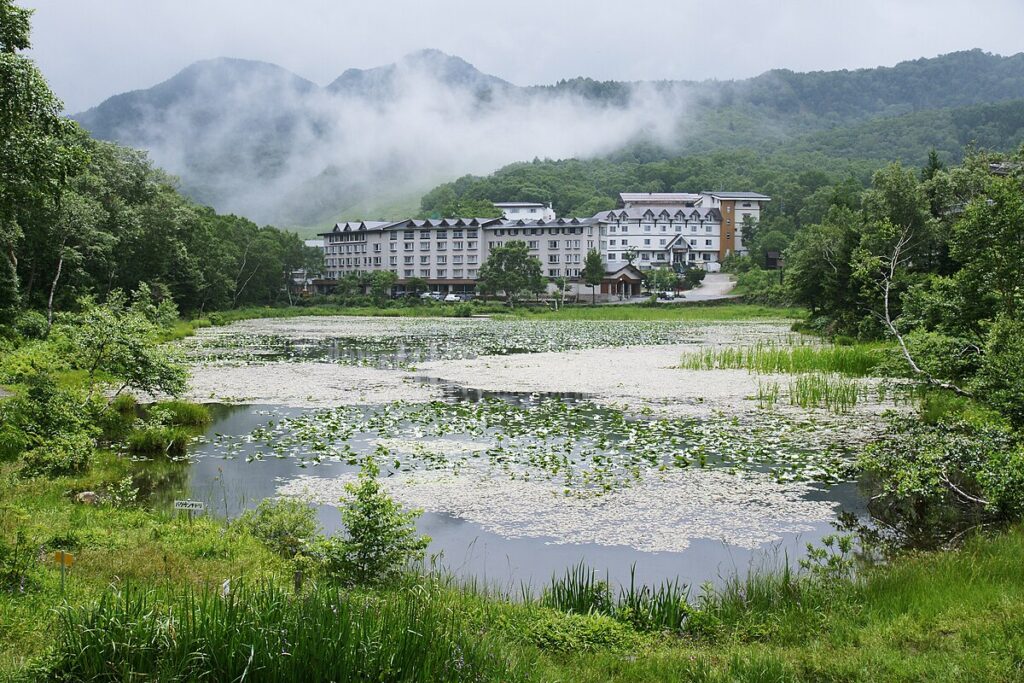
Shiga Highlands (Yamanouchi Town, Shimotakai District, Nagano Prefecture)
Overview (History, Features, and Attractions) Shiga Kogen is a highland area in Yamanouchi Town, Shimotakai District, Nagano Prefecture, and part of Joshin'etsu Kogen National Park. At an elevation of roughly 1,300-2,000 meters, the plateau boasts one of Japan's largest ski resorts in winter and a hiking trail where you can enjoy alpine plants and marshes in summer. -
Maizuru Red Brick Park (Maizuru City, Kyoto Prefecture)
Maizuru Red Brick Park (Maizuru City, Kyoto Prefecture) Maizuru Red Brick Park is a tourist spot renovated from the remains of a group of red brick warehouses along the port of Maizuru City in northern Kyoto Prefecture. Historic buildings built during the Meiji and Taisho periods as warehouses for naval ports and shipping have been preserved and utilized, and the park now houses cafes, shops, exhibitions, and events. -
Ashikaga Flower Park (Ashikaga City, Tochigi Prefecture)
Overview (History, Features, and Attractions) Ashikaga Flower Park (Ashikaga City, Tochigi Prefecture) is a tourist spot known for its seasonal flowers and spacious gardens. It is particularly famous nationwide for its wisteria, which blooms in the spring. Its greatest attraction is the magnificent scenery created by the long clusters of purple, white, and pink wisteria. The park boasts a large... -
Kamaishi Daikannon (Kamaishi City, Iwate Prefecture)
Overview (History, Features, and Attractions) Kamaishi Daikannon is a large Kannon statue enshrined in Kamaishi City, Iwate Prefecture. It is beloved as a symbol of prayers for the safety of local citizens and fishermen, as well as for peace and reconstruction. The exterior features a striking white Kannon statue that stands out even from afar, and the interior is divided into multiple floors, housing Buddhist statues, a prayer space, and an exhibition... -
Bell of Time (Kawagoe City, Saitama Prefecture)
Overview (History, Features, and Attractions) The Tokino-Kane (Bell of Time) is an iconic wooden bell tower located in the Kurazukuri district of Kawagoe City, Saitama Prefecture. Originating in the Edo period, it is a beloved structure that conveys the history of Kawagoe, which flourished as a castle town and commercial city. It stands approximately 16 meters tall... -
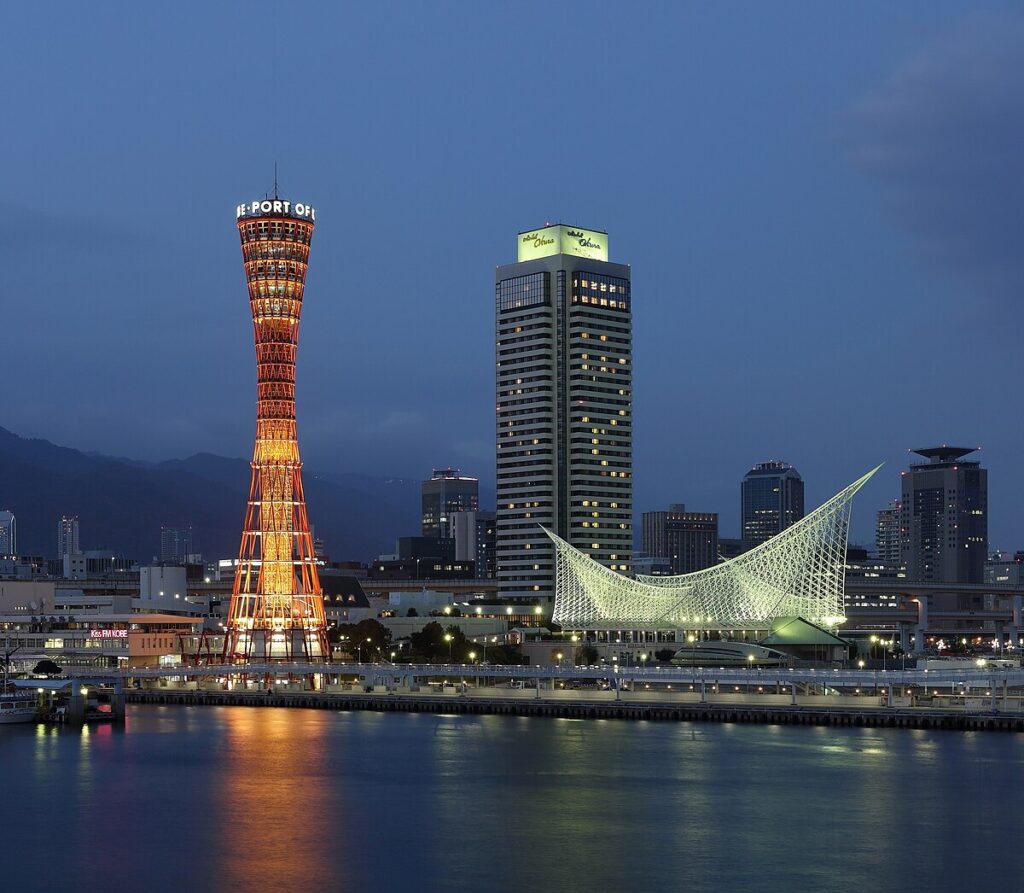
Kobe Port Tower (Kobe City, Hyogo Prefecture)
Overview (History, Features, and Attractions) Kobe Port Tower is an iconic tourist spot in Kobe Port, completed in 1963. Approximately 108 meters tall, its distinctive red hyperboloid shape creates a striking appearance, making it a beloved symbol of the port city of Kobe. From the observation deck... -
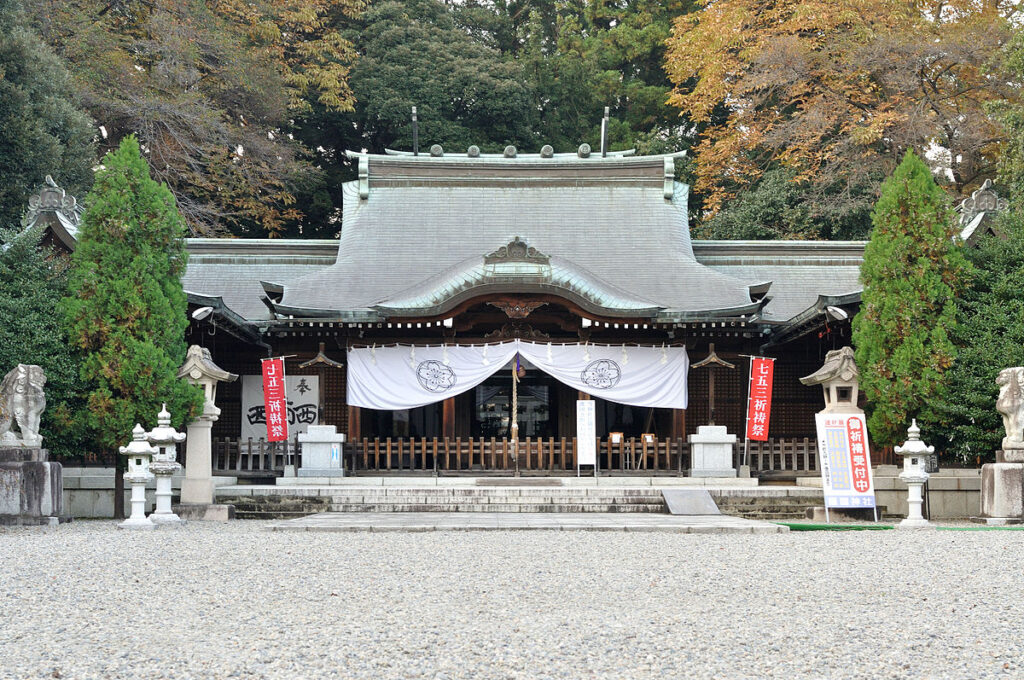
Kashima Shrine (Kashima City, Ibaraki Prefecture)
Overview (History, Features, and Attractions) Kashima Shrine is an ancient shrine located in Kashima City, Ibaraki Prefecture, dedicated to Takemikazuchi-no-Mikoto as its main deity. According to the shrine's history, its founding dates back to pre-Christian times, and it is known as a venerable shrine that has attracted the faith of warriors and martial artists since ancient times. -
Mount Ishizuchi (Saijo City, Ehime Prefecture).
Overview (History, Features, and Attractions) Mount Ishizuchi, located in Saijo City, Ehime Prefecture, is 1,982 meters above sea level and known as the highest peak in Shikoku. It has long been revered as a place of mountain worship, with a deep history of Shugendo (mountain asceticism) and mountain worship centered around Ishizuchi Shrine. The granite...