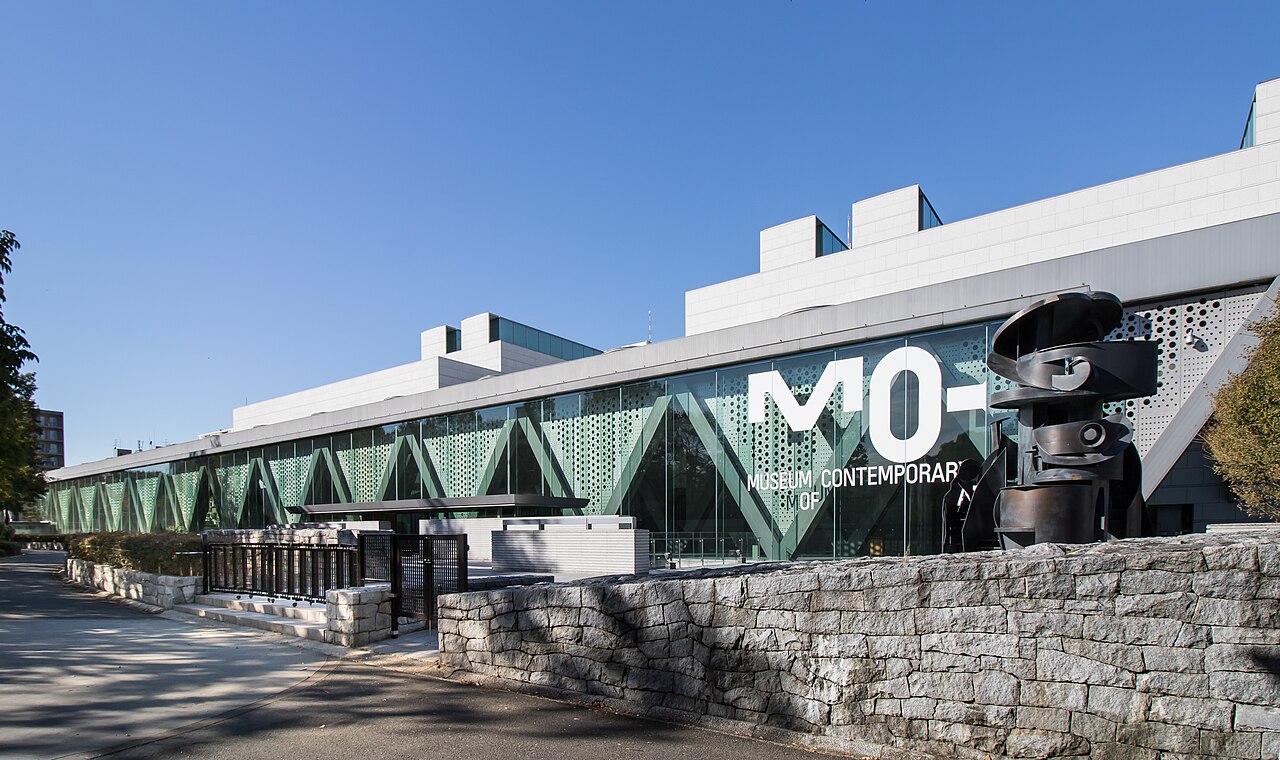
What kind of place is the Museum of Contemporary Art Tokyo?
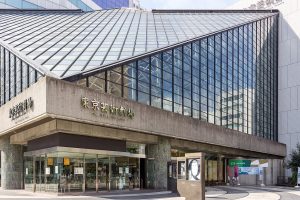
The Museum of Contemporary Art Tokyo is a contemporary art museum located near Kiba Park in Miyoshi, Koto Ward, Tokyo. It hosts exhibitions on a wide range of themes including contemporary art, design, architecture, and video from both Japan and abroad, and is an indoor spot that can be easily combined with a stroll through the Kiyosumi-Shirakawa and Kiba area.
In GA4, this page receives a high number of views and has a long average engagement time, so we restructured it to allow travelers to quickly check the information they want to know: "How much time is needed?", "Which station should I start from?", and "How should I get around the surrounding area?".
Highlights
- Special ExhibitionThe exhibitions, primarily focusing on contemporary art, change significantly from time to time. It's recommended to check the current exhibitions before visiting.
- Size of the buildingThe length of your visit will vary depending on the size of the exhibition. Those who want to carefully view the exhibits should allow ample time.
- Compatibility with Kiyosumi-Shirakawa and KibaIts location makes it easy to combine with visits to cafes, gardens, and parks, and it's a convenient place to include as part of a half-day sightseeing trip.
- Options for rainy and hot daysSince you can spend time indoors, it's a good option for sightseeing in Tokyo that's less affected by the weather.
Estimated travel time
| Visit style | Estimated time | Suitable people |
|---|---|---|
| View the exhibits in a short amount of time | 60-90 minutes | People who stop by while strolling around Kiyosumi-Shirakawa or Kiba |
| Take a good look at the special exhibition. | 2-3 hours | People who visit for the purpose of the exhibition |
| Include a stroll around the surrounding area. | half day | People who want to combine art museums, cafes, parks, and gardens |
access
- address: 4-1-1 Miyoshi, Koto-ku, Tokyo
- Kiyosumi-Shirakawa StationWithin walking distance of the Tokyo Metro Hanzomon Line and the Toei Oedo Line.
- Kiba StationWithin walking distance of the Tokyo Metro Tozai Line. The easiest route to take is from the Kiba Park side.
- busTaking a bus from Kinshicho, Monzen-Nakacho, or Tokyo Station is also an option.
Check opening hours and closing days.
Opening hours, closing days, and admission fees may vary depending on the exhibition and time of year. Please check the "Visitor Information" section and current exhibition information on the official website before visiting.
Nearby spots you might want to visit together
- Kiba Park: A large park perfect for a stroll before or after visiting the art museum.
- Kiyosumi-Shirakawa area: This area is easy to combine with cafe hopping and strolling around town.
- Kiyosumi Garden: Adding a stroll through the garden makes it easier to balance indoor viewing with outdoor walks.
FAQ
How long does it take to visit the Museum of Contemporary Art Tokyo?
For a short visit, 60-90 minutes is a good guideline, while for a more in-depth viewing of a special exhibition, 2-3 hours is recommended. The time required will vary depending on the content of the exhibition.
What is the nearest station?
It can be accessed from Kiyosumi-Shirakawa Station, Kiba Station, Kikukawa Station, and other stations. Walking times vary depending on the route, so please check the official access information.
Is it suitable for sightseeing in Tokyo on a rainy day?
Since you can spend time indoors, it's a good option for rainy or hot days. It's easy to plan when combined with cafes in Kiyosumi-Shirakawa or the area around Kiba Park.