Overview (history, characteristics, attractions)
Jochi-ji Temple is a Rinzai Zen temple located in the Kita-Kamakura area of Kamakura City, Kanagawa Prefecture. Founded during the Kamakura period, it is known as a tranquil temple with old stone steps, moss-covered grounds, and a quiet garden. While not large in scale, its charm lies in its surrounding nature and ancient temple atmosphere, offering a peaceful escape from the often crowded center of Kamakura.
Highlights
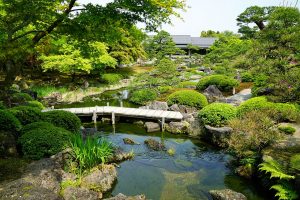
- Moss garden and stone steps: Moss spreads across the stone steps and approach to the temple, and old stone lanterns and gravestones convey a sense of history. The tranquil scenery is perfect for taking pictures.
- Main Hall (Principal Image) and Buddha Statues: The Buddha statues enshrined in the main hall and the solemn atmosphere characteristic of a Zen temple are a must-see (please check the explanatory signs and information boards when visiting).
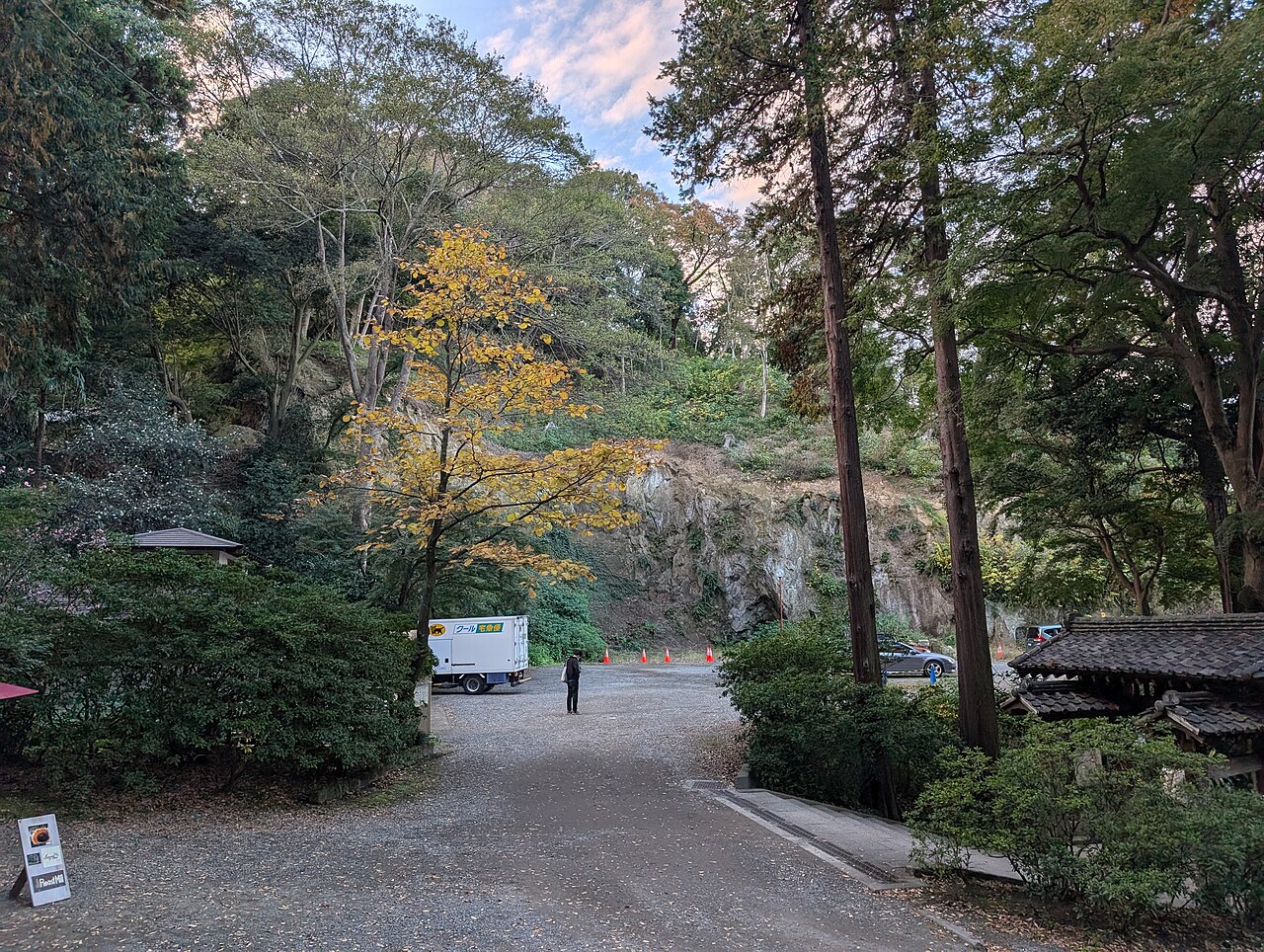
- The proximity of the temple grounds' paths and bamboo grove: The surrounding area is lined with bamboo groves and paths, allowing visitors to enjoy the changing seasons. The fresh green leaves of spring, the deep green of summer, and the autumn foliage are particularly picturesque.
- Stone Buddhas, Koshin Towers, and Burial Grounds: The temple grounds are dotted with old stone Buddhas, Koshin towers, and burial grounds of successive generations, allowing visitors to experience the history of Kamakura. Please observe them in silence.
- Quiet Zen meditation experience (during events): Zen meditation sessions and memorial services are sometimes held at the temple, and you can experience the atmosphere of Zen on those days (advance confirmation recommended).
Access (nearest station, transportation, etc.)
- Nearest station: Get off at Kita-Kamakura Station on the JR Yokosuka Line, approximately 3-7 minutes on foot (close to the station and easy to find even for first-time visitors).
- From Kamakura Station: From JR Kamakura Station, it's one stop (by train) to Kita-Kamakura or about a 20-30 minute walk. If using the Enoden line, you will need to transfer towards Hase.
- Cars and Buses: Parking is limited, so visiting by car can be inconvenient during peak hours. Using public transportation is recommended.
- Note: The Kita-Kamakura area has several temples within walking distance of each other, so it's convenient to wear comfortable walking shoes if you plan to visit multiple temples.
Estimated stay (estimated time required)
- Short visit: 20-30 minutes (only visit to the main hall and stroll around the temple grounds).
- A leisurely stroll: 45-90 minutes (if you want to see the details of the temple grounds and walk along the surrounding paths).
- If visiting multiple temples: A half-day to full-day course visiting 1 to 3 temples is recommended (North Kamakura has a high concentration of temples).
Nearby spots
- Engaku-ji Temple: A major temple representative of Kita-Kamakura. Within walking distance of Jochi-ji Temple.
- Meigetsuin Temple: A temple famous for its hydrangeas. It gets especially crowded in June.
- Hokoku-ji Temple (Bamboo Temple): A famous spot known for its bamboo garden. Accessible on foot or by bus.
- Kencho-ji Temple and Tsurugaoka Hachimangu Shrine: Representative tourist attractions located in the heart of Kamakura (some distance apart, accessible by bus or on foot).
- The area around Kamakura Station (Komachi Street, Hase Great Buddha, etc.): Convenient for dining, souvenir shopping, and other sightseeing.
Things to be aware of (crowds, manners, seasonal precautions, etc.)
- Admission Fees and Opening Hours: Admission fees and opening/closing times vary depending on the temple. Please check the official guide or notices posted on site for the latest information (e.g., admission fees are approximately a few hundred yen).
- Peak seasons: It gets crowded during hydrangea season (June), autumn foliage season (November), and on weekends and holidays, along with surrounding temples. If you want to visit in peace and quiet, it is recommended to visit on a weekday morning.
- Clothing and walking comfort: The path to the shrine has stone steps and unpaved sections, so wear comfortable walking shoes. Be careful as it can be slippery in rainy weather.
- Photography Etiquette: There are areas on the temple grounds where photography is permitted and areas where it is not. Photography of Buddhist statues and during religious ceremonies may be prohibited, so please follow the signs and be considerate of other visitors.
- Respect for the cemetery: The graves and stone Buddha statues on the temple grounds are objects of worship. Please refrain from climbing on them or touching them.
- Litter and Food/Drink: Please refrain from eating or drinking on the temple grounds and from leaving trash behind. Take your trash home with you or dispose of it in the designated area.
- Pets: Many temples may have restrictions on bringing pets inside. Please check in advance.
In conclusion: Although small in scale, Jochi-ji Temple is a temple where you can enjoy the tranquil atmosphere characteristic of Kamakura. Exploring it along with the surrounding famous temples will allow you to appreciate Kamakura's history and nature more deeply. Before visiting, please check the official information regarding visiting hours and any special events.