Tourist attractions--archive--
-

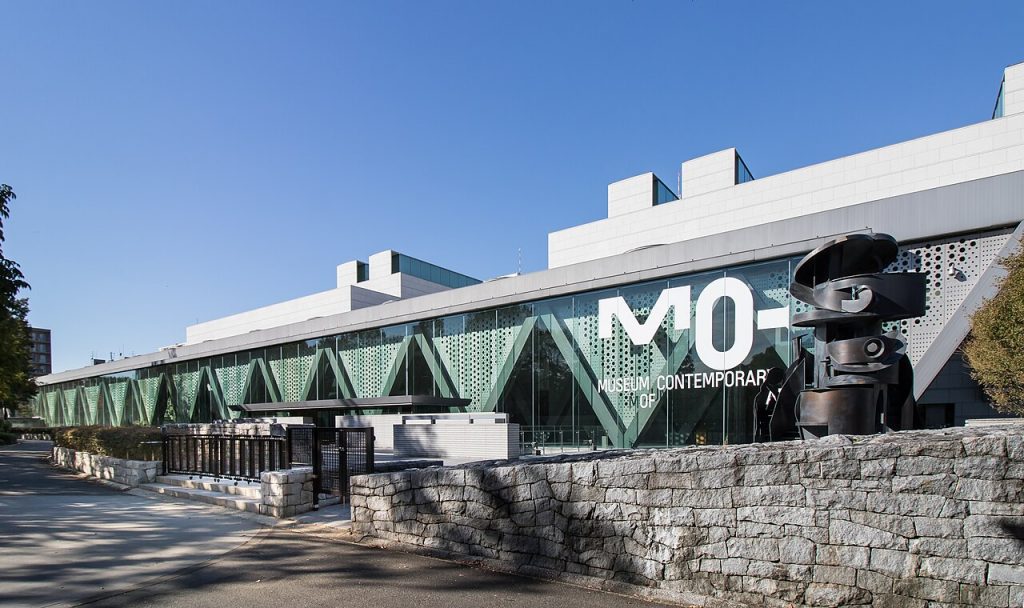
Museum of Contemporary Art Tokyo (Koto-ku, Tokyo)
This guide provides a traveler's guide to the Museum of Contemporary Art Tokyo, including its highlights, estimated visit time, access, opening hours, and how to get around the Kiyosumi-Shirakawa/Kiba area. -
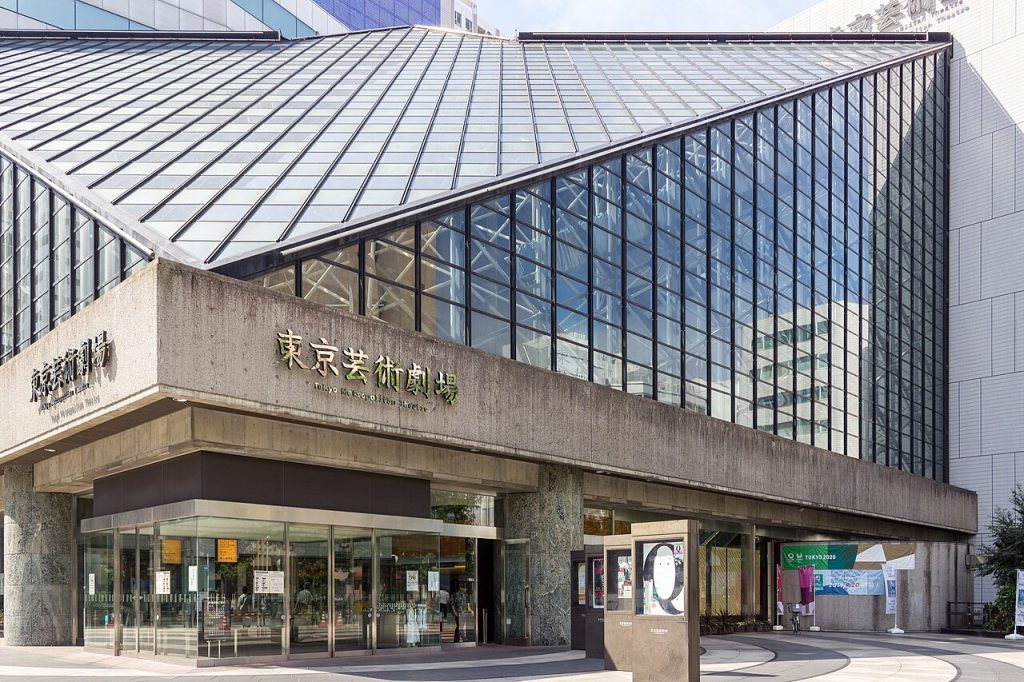
Tokyo Metropolitan Theatre (Toshima Ward, Tokyo)
Overview (History, Features, and Attractions): The Tokyo Metropolitan Theatre (Toshima Ward, Tokyo) is a large-scale cultural complex located in the Ikebukuro area. Developed as part of the Ikebukuro redevelopment project in the early 1990s, it hosts a wide variety of performances and events, including music, theater, dance, lectures, and exhibitions. It features a large hall, a small hall, and a library... -
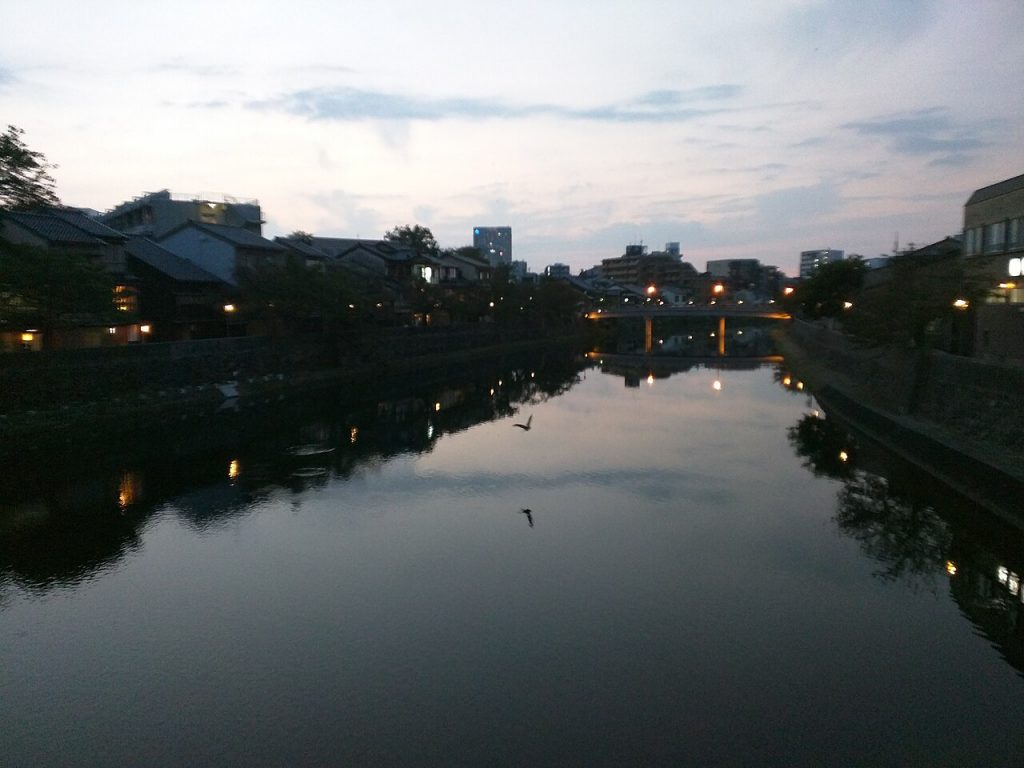
Asanogawa Ohashi Bridge (Kanazawa City, Ishikawa Prefecture)
Overview (History, Features, and Attractions) The Asanogawa Bridge spans the Asanogawa River, which flows through the heart of Kanazawa City. Located near historical teahouse districts such as Higashi Chaya-gai and Kazue-machi Chaya-gai, it's a spot where you can experience the unique atmosphere of Kanazawa along with the riverside scenery. It was once a wooden bridge serving the lives of the local community... -
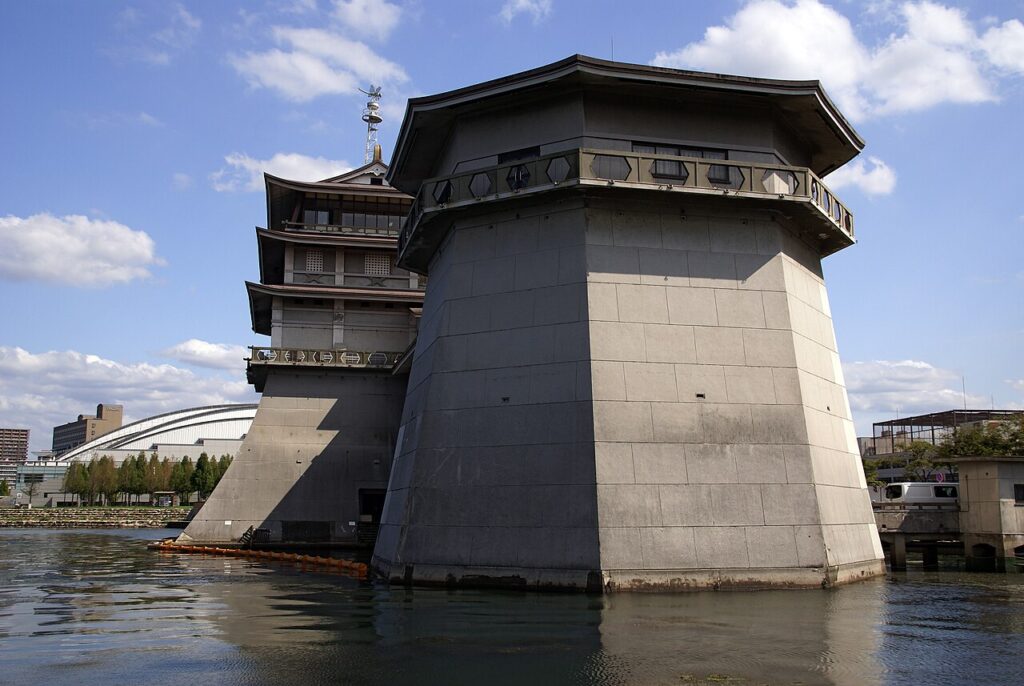
Lake Biwa Museum (Kusatsu City, Shiga Prefecture)
Overview (History, Features, and Attractions): The Lake Biwa Museum is a specialized museum that comprehensively introduces the nature, ecosystem, history, and relationship with humans of Lake Biwa, Japan's largest freshwater lake. Opened in 1996, its aim is to clearly convey the importance of Lake Biwa's biodiversity and environmental conservation. ... -
Keya no Omon (Itoshima City, Fukuoka Prefecture)
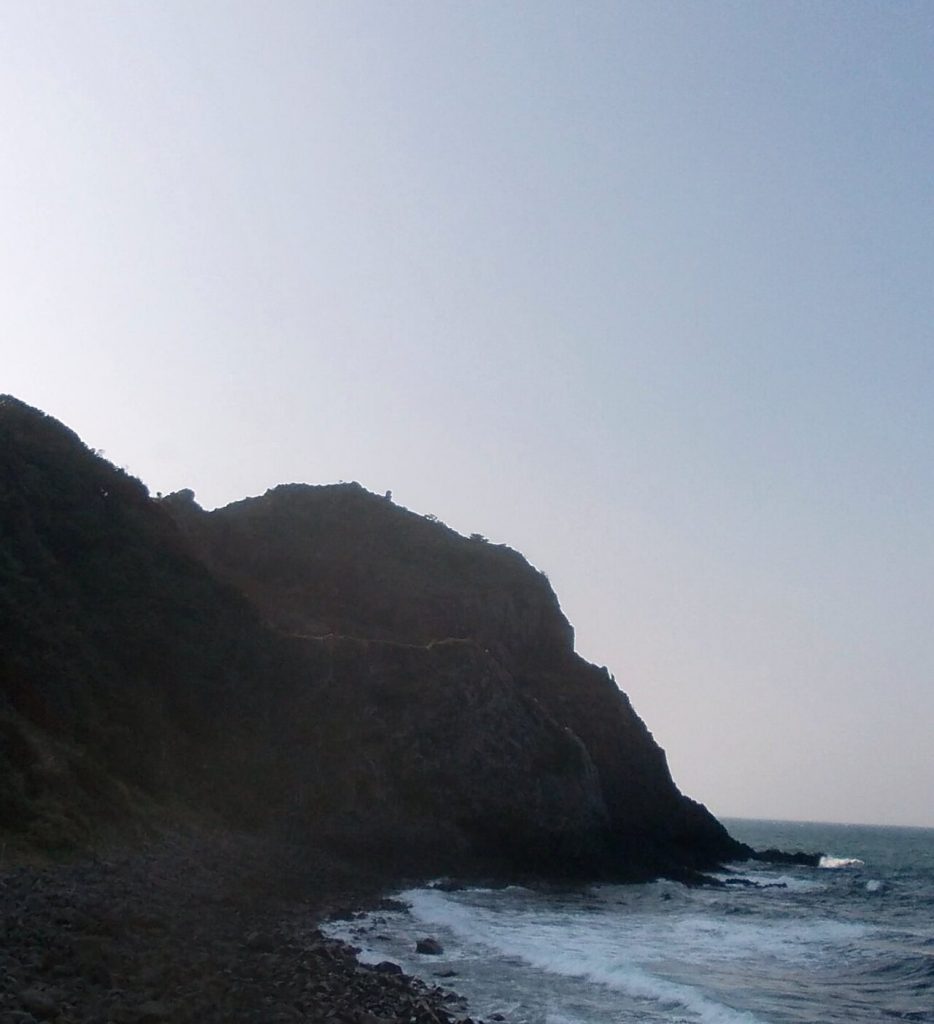
Keya no Daimon (Itoshima City, Fukuoka Prefecture) Overview (History, Features, and Attractions) Keya no Daimon is a sea cave (a large cavern or arch formed by sea erosion) located on the west coast of the Itoshima Peninsula. It is characterized by a massive hole carved into the cliff face by years of wave erosion, and can be explored by sightseeing boat... -
Jōchi-ji Temple (Kamakura City, Kanagawa Prefecture)
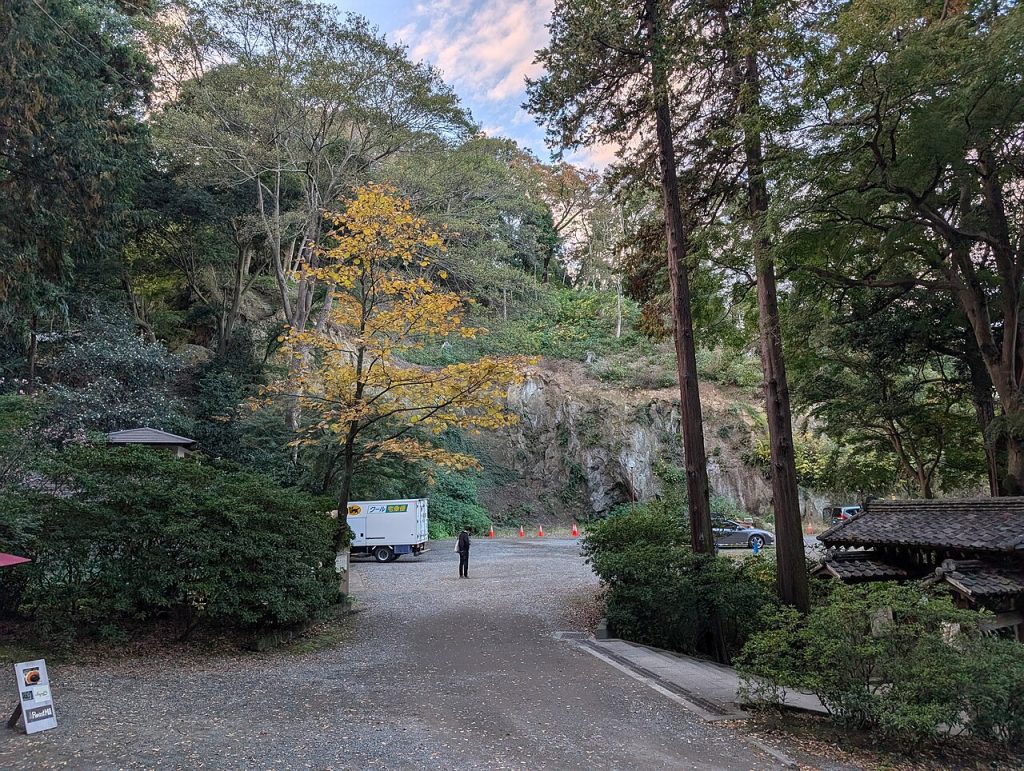
Overview (History, Features, and Attractions) Jochi-ji Temple is a Rinzai Zen temple located in the Kita-Kamakura area of Kamakura City, Kanagawa Prefecture. It is said to have been founded during the Kamakura period and is known as a tranquil temple with old stone steps, moss-covered grounds, and a quiet garden. Although not large in scale, it has a rich history and charm... -
Yushien Garden (Matsue City, Shimane Prefecture)
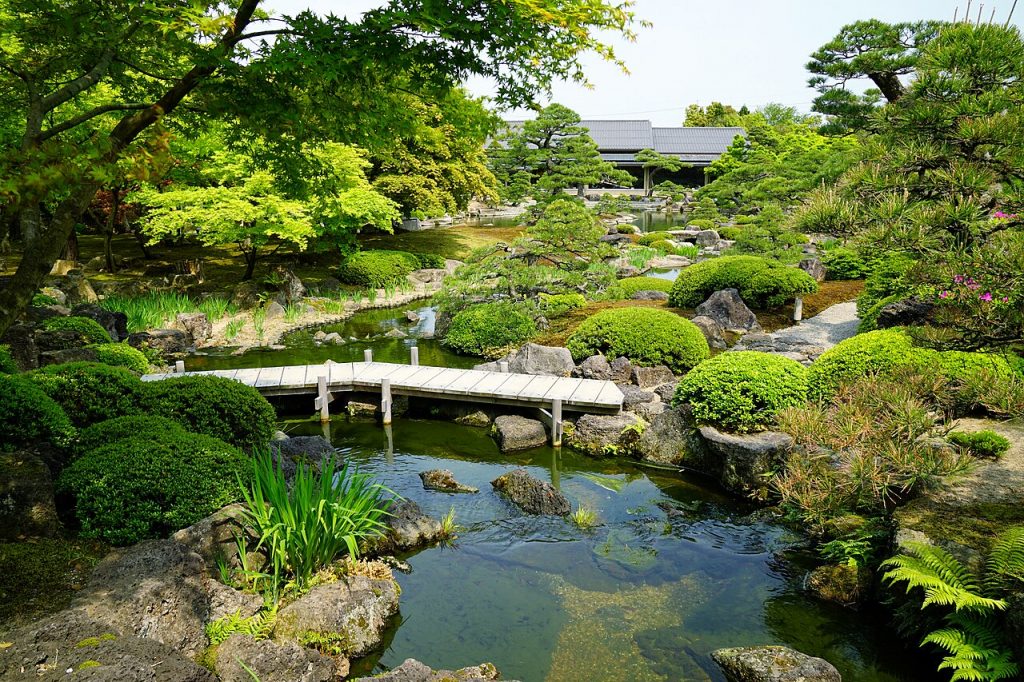
Overview (History, Features, and Attractions): Yushien Garden is a Japanese garden located in Matsue City, Shimane Prefecture. It is known for its tranquil, pond-centered strolling garden design and the enjoyment of seasonal flowers. It is particularly famous for its peony cultivation and display, and places great emphasis on greenhouse displays and large-scale seasonal flower arrangements... -
Nissan Stadium (Kohoku Ward, Yokohama City, Kanagawa Prefecture)
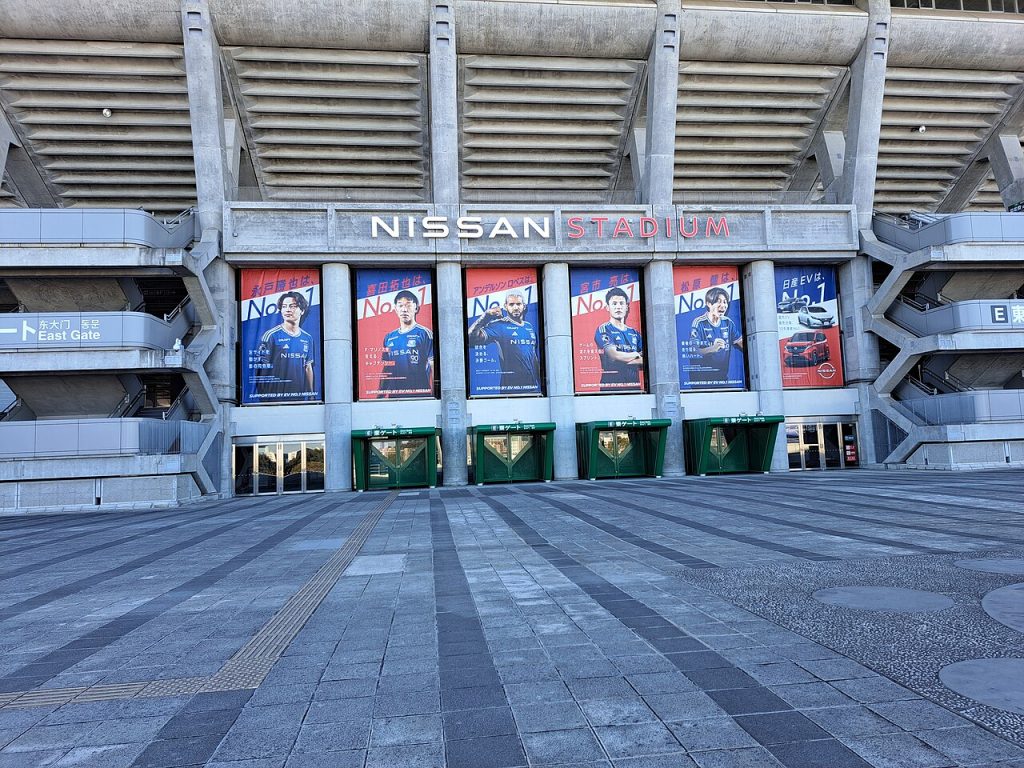
Overview (History, Features, and Appeal) Nissan Stadium (Kohoku Ward, Yokohama City) is one of Japan's leading large-scale multi-purpose stadiums, known as a venue for large-scale events such as soccer, rugby, and concerts. Originally built as the "Yokohama International Stadium," it later underwent naming rights... -
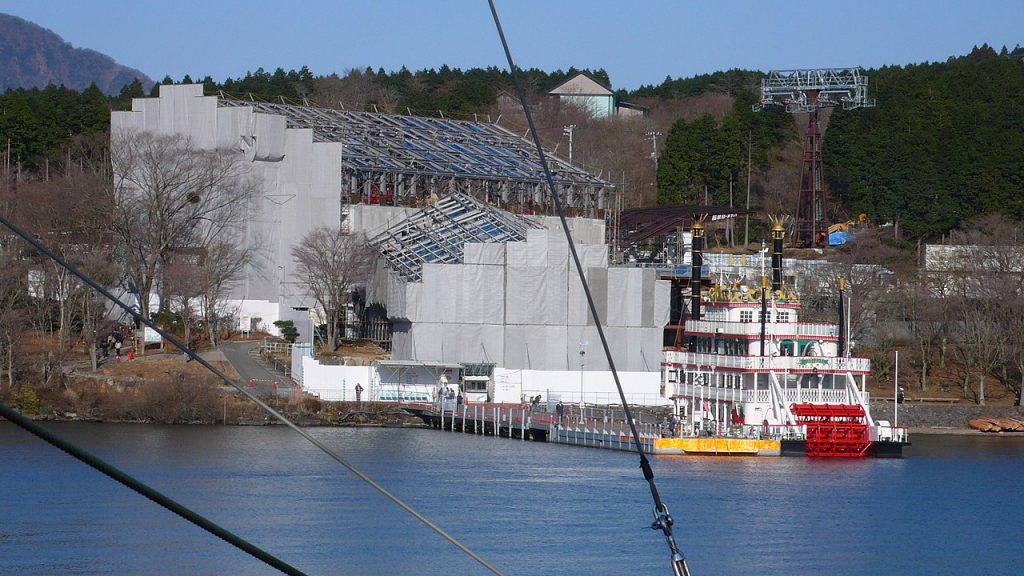
Togendai (Hakone-machi, Ashigarashimo-gun, Kanagawa Prefecture)
Overview (History, Features, and Attractions): Togendai is a tourist hub located on the northeastern shore of Lake Ashi in Hakone Town, Ashigarashimo District, Kanagawa Prefecture. It serves as both a departure and arrival point for Lake Ashi sightseeing boats and the terminus of the Hakone Ropeway (Sounzan - Owakudani - Togendai), offering a unique blend of Hakone's "seaside" and "mountain" attractions... -
Minami Aso Railway Trolley Train (Minami Aso Village, Kumamoto Prefecture)
Overview (History, Features, and Attractions): The Minami Aso Railway's trolley train is a local sightseeing train that runs through Minami Aso Village, Aso District, Kumamoto Prefecture. As a third-sector regional railway, its greatest appeal is the opportunity to enjoy close-up views of the Aso caldera, rural landscapes, and scenery along the clear streams. It features retro carriages, open-air passenger compartments, and more...