Plan Japan by practical travel questions
Find Japan travel spots, routes, and visit-duration guides.
Discover Japan organizes sightseeing spots and focused travel guides for first-time visitors. Start with a region, a place name, or a practical question such as how long to spend, what to eat, or how to plan a half-day route.
Search by travel question
Popular English travel guides
Planning guides travelers are already searching for
Start with focused answers for visit duration, half-day routes, ticket choices, family visits, airport food, and other practical decisions before you arrive.
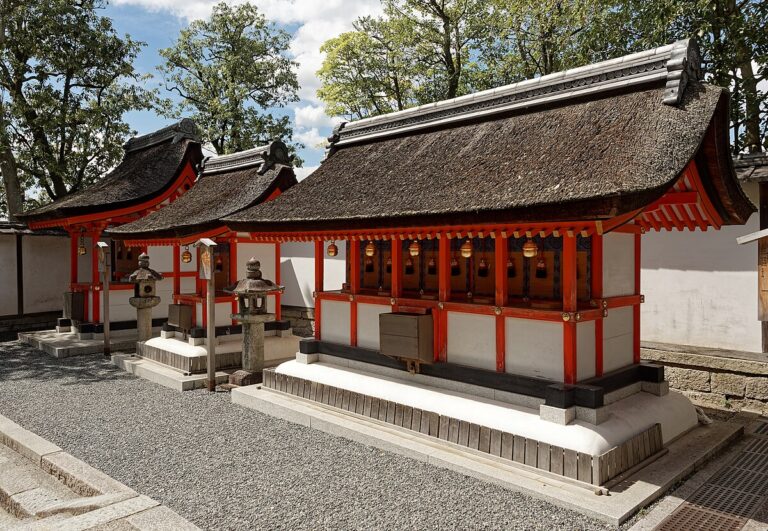 How Long to Spend at Fushimi Inari Taisha: 1, 2, or Half Day?
Most travelers need 1.5 to 2.5 hours at Fushimi Inari Taisha. Compare 1-hour, 2-hour, and half-day routes, crowd timing, access, and...
How Long to Spend at Fushimi Inari Taisha: 1, 2, or Half Day?
Most travelers need 1.5 to 2.5 hours at Fushimi Inari Taisha. Compare 1-hour, 2-hour, and half-day routes, crowd timing, access, and...
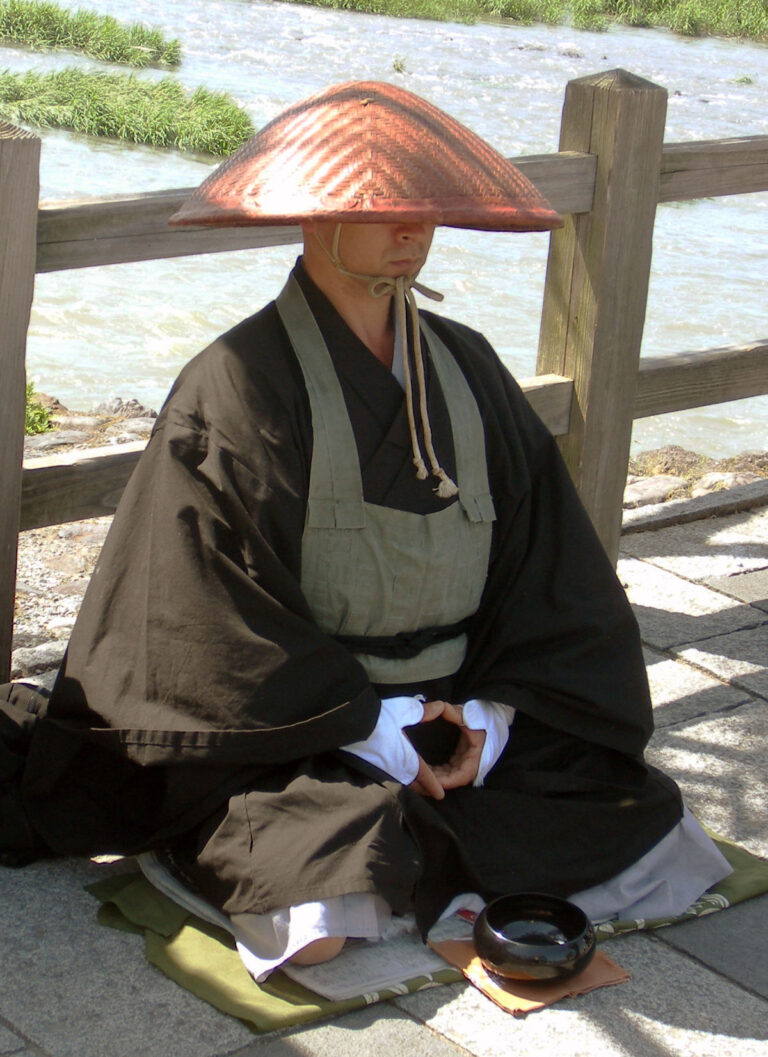 Arashiyama Half-Day Itinerary: Best Route, Time Needed, and Crowds
Follow a practical Arashiyama half-day itinerary for Kyoto: bamboo grove first, Togetsukyo Bridge, one temple or garden, time budget...
Arashiyama Half-Day Itinerary: Best Route, Time Needed, and Crowds
Follow a practical Arashiyama half-day itinerary for Kyoto: bamboo grove first, Togetsukyo Bridge, one temple or garden, time budget...
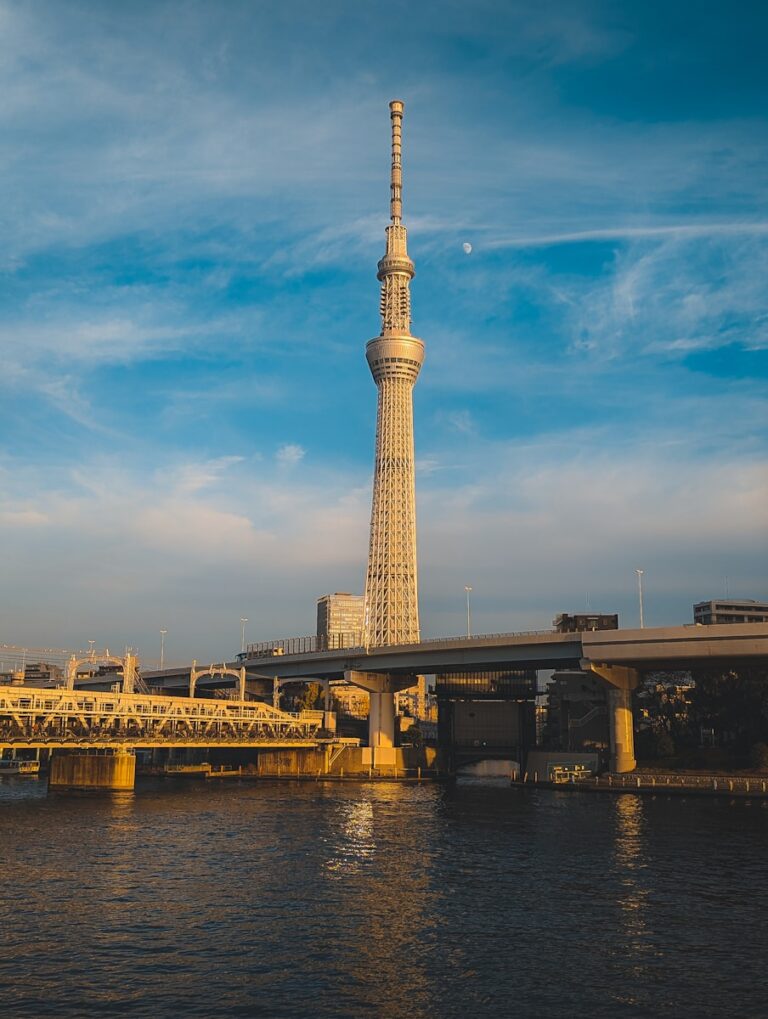 Tokyo Skytree Tembo Deck vs Galleria: Which Ticket Is Worth It?
Compare Tokyo Skytree Tembo Deck and Tembo Galleria by view, price, time needed, weather risk, and who should pay for the higher 450...
Tokyo Skytree Tembo Deck vs Galleria: Which Ticket Is Worth It?
Compare Tokyo Skytree Tembo Deck and Tembo Galleria by view, price, time needed, weather risk, and who should pay for the higher 450...
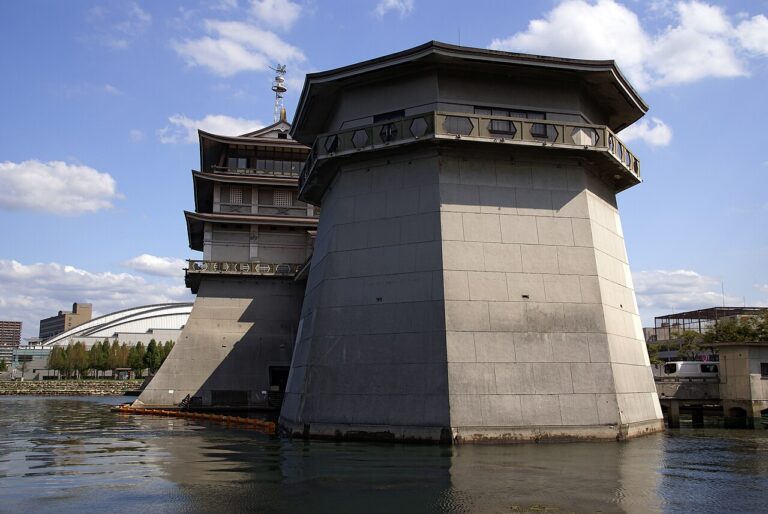 Lake Biwa Museum with Kids: Time Needed, Highlights, and Family Tips
Plan Lake Biwa Museum with kids: how long to stay, best exhibits for families, rainy-day tips, access planning, and nearby Lake Biwa...
Lake Biwa Museum with Kids: Time Needed, Highlights, and Family Tips
Plan Lake Biwa Museum with kids: how long to stay, best exhibits for families, rainy-day tips, access planning, and nearby Lake Biwa...
 Things to Do at New Chitose Airport Before Your Flight
Plan things to do at New Chitose Airport before your flight: food, souvenirs, Royce Chocolate World, onsen, theater, time needed, an...
New Chitose Airport Food Guide: What to Eat Before Your Flight
What to eat at New Chitose Airport before your flight, including ramen, seafood, sweets, souvenirs, Royce Chocolate World, timing, a...
Things to Do at New Chitose Airport Before Your Flight
Plan things to do at New Chitose Airport before your flight: food, souvenirs, Royce Chocolate World, onsen, theater, time needed, an...
New Chitose Airport Food Guide: What to Eat Before Your Flight
What to eat at New Chitose Airport before your flight, including ramen, seafood, sweets, souvenirs, Royce Chocolate World, timing, a...
New spots
-

Ome Railway Park (Ome City, Tokyo)
Overview (History, Features, and Attractions) Ome Railway Park is a railway preservation and exhibition facility in Ome City, Tokyo. It is a park-style museum created to convey the history of the region's railways. Actual locomotives, trains, and passenger cars that have been decommissioned or have been decommissioned are preserved and exhibited outdoors, allowing visitors to see the vehicles up close... -
Mount Kumotori (Okutama Town, Nishitama District, Tokyo)
Overview (History, Features, and Attractions) Mount Kumotori is located in Okutama Town, Nishitama District, Tokyo, at an elevation of 2,017.1m, and is known as the highest peak in Tokyo. Part of the Okuchichibu Mountains (the Okutama and Chichibu Mountains), this naturally rich mountain range straddling the borders of Tokyo, Saitama, and Yamanashi prefectures has been a popular destination since ancient times... -
Kirishima Hot Springs (Kirishima City, Kagoshima Prefecture)
Overview (History, Features, and Attractions) Kirishima Onsenkyo is the collective name for the hot spring region that spreads across Kirishima City, Kagoshima Prefecture, and is made up of hot spring inns and public baths scattered around the foothills of the Kirishima Mountains. Since ancient times, the area has been blessed with abundant hot spring resources due to fumarolic activity and volcanic topography, and the hot springs exhibit a variety of spring qualities, including sulfur springs, acidic springs, and simple springs. -
Miyazawa Kenji Fairy Tale Village (Hanamaki City, Iwate Prefecture)
Overview (History, Features, and Attractions) Miyazawa Kenji Fairy Tale Village (Hanamaki City, Iwate Prefecture) is a complex of facilities centered around a museum and park, which recreate the worldview of the poet and children's story writer Miyazawa Kenji and introduce his works and life. Visitors can experience the nature, flora, fauna, and cosmology (Ihatian mythology) that appear in Kenji's fairy tales and poems. -
Utoro Hot Springs (Shari Town, Hokkaido)
Utoro Onsen (Shari Town, Hokkaido) Overview (History, Features, and Attractions) Utoro Onsen is a hot spring resort in the Utoro district of Shari Town, located on the west side of the Shiretoko Peninsula, and is known as the gateway to Shiretoko National Park (a World Heritage Site). Hot spring inns and accommodations line the coast, and visitors can enjoy views of the Sea of Okhotsk and the seasonal natural beauty... -
Farm Tomita (Furano City, Hokkaido)
Overview (History, Features, and Attractions) Farm Tomita is a lavender tourist farm representing the Furano/Nakafurano area of Hokkaido. Run by the Tomita family, the farm has cultivated colorful flower fields centered around lavender, and has become a nationally known tourist destination. -
Mount Horaiji (Shinshiro City, Aichi Prefecture)
Overview (History, Features, and Attractions) Mount Horaiji is a sacred mountain located in Shinshiro City, Aichi Prefecture, known for the ancient temple Horaiji that stands on its summit. It has long been a popular place for ascetic practices and pilgrimages, and is characterized by its abundant nature and historical landscape. The stone steps leading to the mountain, the cedar grove, and the... -
Shinjuku Golden Gai (Shinjuku Ward, Tokyo)
Shinjuku Golden Gai (Shinjuku Ward, Tokyo) Overview (History, Features, and Attractions) Shinjuku Golden Gai is a dining district near Kabukicho in Shinjuku Ward that developed shortly after the war. Its narrow alleys are lined with small wooden bars and izakayas, retaining a strong Showa-era atmosphere, making it a famous "Showa Retro" spot. -
Yasukuni Shrine (Chiyoda Ward, Tokyo)
Overview (History, Features, and Attractions) Yasukuni Shrine is a shrine located in Kudankita, Chiyoda Ward, Tokyo. It was founded to honor war dead since the Meiji Restoration for the nation. As a shrine dedicated to the spirits of the war dead, it is known for its visitors from all over the country and its year-round festivals. The grounds... -
Togakushi Shrine (Nagano City, Nagano Prefecture)
Overview (History, Features, and Attractions) Togakushi Shrine is a group of ancient shrines scattered throughout the Togakushi region of Nagano City, Nagano Prefecture. It is made up of five shrines (Okusha, Kuzuryusha, Nakasha, Hokosha, and Hinomikosha). According to legend, when the Ama-no-Iwato Cave was opened by the Ame-no-Niboko spear in ancient times...