Overview (history, characteristics, attractions)
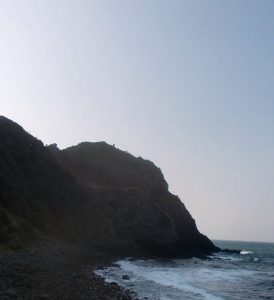
Kyōgamisaki (or Kyōganomisaki) is a cape located at the northern tip of the Tango Peninsula in Kyōtango City, Kyoto Prefecture. It is known as a scenic spot where cliffs and reefs jut out into the Sea of Japan, offering views of the rugged seascape and vast horizon. Historically recognized as a landmark for ships and a vital point for maritime traffic, the cape is home to a lighthouse (Kyōgamisaki Lighthouse) for safe navigation, making it a place deeply intertwined with the region's maritime history.
Its distinguishing features include the sense of openness overlooking the sea and sky, and the opportunity to enjoy the ever-changing expressions of the ocean depending on the season and weather (rough waves in winter, clear waters in summer, morning mist, and sunsets) up close. It is also a popular spot for nature observation and photography, as it is rich in wild seabirds and coastal plants.
Highlights
- A magnificent panoramic view from the observation point: The view of the horizon of the Sea of Japan is breathtaking, and the sunrise and sunset on clear days are especially beautiful.
- Around Kyōgamisaki Lighthouse: The lighthouse, standing at the tip of the cape, is a popular photo spot for its exterior. You can enjoy taking pictures from nearby walking paths and observation decks (visits to the inside of the lighthouse may be restricted).
- A landscape of rugged shores and reefs: The rock faces and cliffs formed by wave erosion are dynamic.
- Seasonal nature observations: observing migratory birds and seabirds, coastal plants from spring to autumn, and rough waves and sea fog in winter.
- Stargazing: Due to the lack of artificial light in the surrounding area, it is suitable for stargazing at night (please take safety precautions when staying overnight or visiting at night).
Access (nearest station, transportation, etc.)
The main ways to access the area by public transport and private car are as follows. Public transport is often infrequent, so ultimately, using a taxi or rental car is more convenient.
- The nearest train stations are those on the Kyoto Tango Railway (Kitakinki Tango Railway) line. The main gateways are stations towards Amino, Mineyama, and Miyazu (bus services from the stations to the cape are limited; taxis are the most common option).
- Bus: Some sections are accessible by seasonal or regular bus services, but the number of services is limited, so please check the timetable in advance.
- By car: Approximately 2.5 to 3.5 hours from Kyoto city using expressways and local roads, and approximately 3 to 4 hours from Osaka (may vary depending on traffic conditions). Parking lots and observation deck parking spaces are often available near the cape, making driving the easiest way to get there.
- Rental Car/Taxis: For areas with poor public transportation connections, we recommend using rental cars or taxis. They are also convenient for visiting nearby tourist attractions.
Estimated stay (estimated time required)
- Short visit: If you only want to enjoy the view from the observation deck, it will take about 30 minutes to 1 hour.
- A leisurely stroll: Approximately 1-2 hours, including walking along the trails around the lighthouse, observing nature, and taking photos.
- When combining with nearby sightseeing: Combining it with nearby tourist attractions (such as Amanohashidate, Ine no Funaya, or hot spring resorts) makes for a half-day to full-day day trip.
Nearby spots
- Amanohashidate: A representative scenic spot in northern Kyoto Prefecture. Approximately 1 hour by car (depending on the route).
- Ine no Funaya (Ine Town): A group of traditional boathouses lining the coastline. Within driving distance.
- Yuhigaura Onsen and Kumihama Onsen: Hot spring resorts with ocean views. Convenient for overnight stays after sightseeing.
- Driving along the Tango Peninsula coastline: A scenic drive connecting coastal spots, with numerous viewpoints and restaurants in fishing ports.
- Local seafood restaurants: There are many eateries serving seafood delivered directly from the fishing port.
Things to be aware of (crowds, manners, seasonal precautions, etc.)
- Transportation and Access: Public transportation is limited, so please check timetables and service information in advance. Buses may be suspended or have reduced service, especially during winter and on weekdays.
- Weather and Sea Conditions: The cape is windy and dangerous in rough weather. There is a risk of sea spray and falling rocks, so do not stray from the walking path, and do not approach the cape on days with strong winds and high waves.
- Footwear and clothing: Some rocky areas and walking paths can be slippery. Please wear comfortable shoes and bring warm clothing and windproof garments.
- Crowds: Parking can get crowded on weekends and during peak tourist season. Arriving early in the morning or at a different time will make it more comfortable.
- Nature conservation and etiquette: To protect the natural environment, including plants and wild birds, please take your trash with you, walk only on designated paths, and do not enter restricted areas.
- Safety precautions: Since there are areas with unstable cell phone signals, it's a good idea to decide on a meeting place and contact method with your companions in advance.
Note: Timetables, facility opening/closing status, and whether or not lighthouses are open for viewing may change, so it is recommended to check the latest information from the Kyotango City Tourism Association, local tourist information centers, or transportation providers before visiting.