Plan Japan by practical travel questions
Find Japan travel spots, routes, and visit-duration guides.
Discover Japan organizes sightseeing spots and focused travel guides for first-time visitors. Start with a region, a place name, or a practical question such as how long to spend, what to eat, or how to plan a half-day route.
Search by travel question
Popular English travel guides
Planning guides travelers are already searching for
Start with focused answers for visit duration, half-day routes, ticket choices, family visits, airport food, and other practical decisions before you arrive.
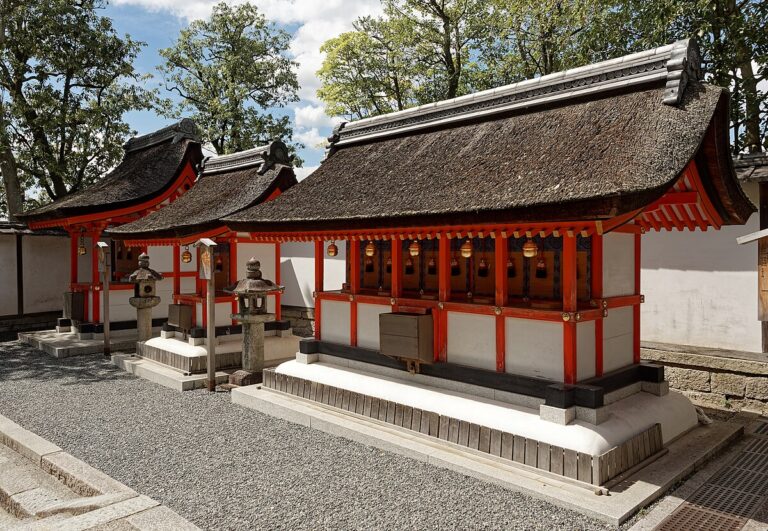 How Long to Spend at Fushimi Inari Taisha: 1, 2, or Half Day?
Most travelers need 1.5 to 2.5 hours at Fushimi Inari Taisha. Compare 1-hour, 2-hour, and half-day routes, crowd timing, access, and...
How Long to Spend at Fushimi Inari Taisha: 1, 2, or Half Day?
Most travelers need 1.5 to 2.5 hours at Fushimi Inari Taisha. Compare 1-hour, 2-hour, and half-day routes, crowd timing, access, and...
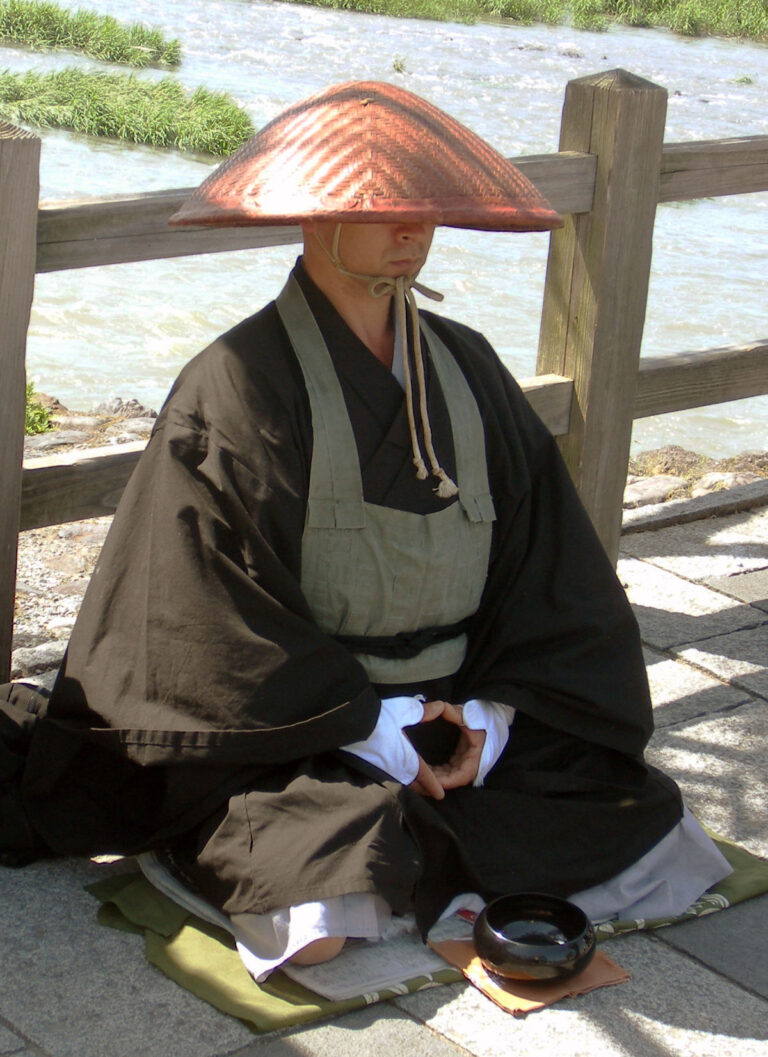 Arashiyama Half-Day Itinerary: Best Route, Time Needed, and Crowds
Follow a practical Arashiyama half-day itinerary for Kyoto: bamboo grove first, Togetsukyo Bridge, one temple or garden, time budget...
Arashiyama Half-Day Itinerary: Best Route, Time Needed, and Crowds
Follow a practical Arashiyama half-day itinerary for Kyoto: bamboo grove first, Togetsukyo Bridge, one temple or garden, time budget...
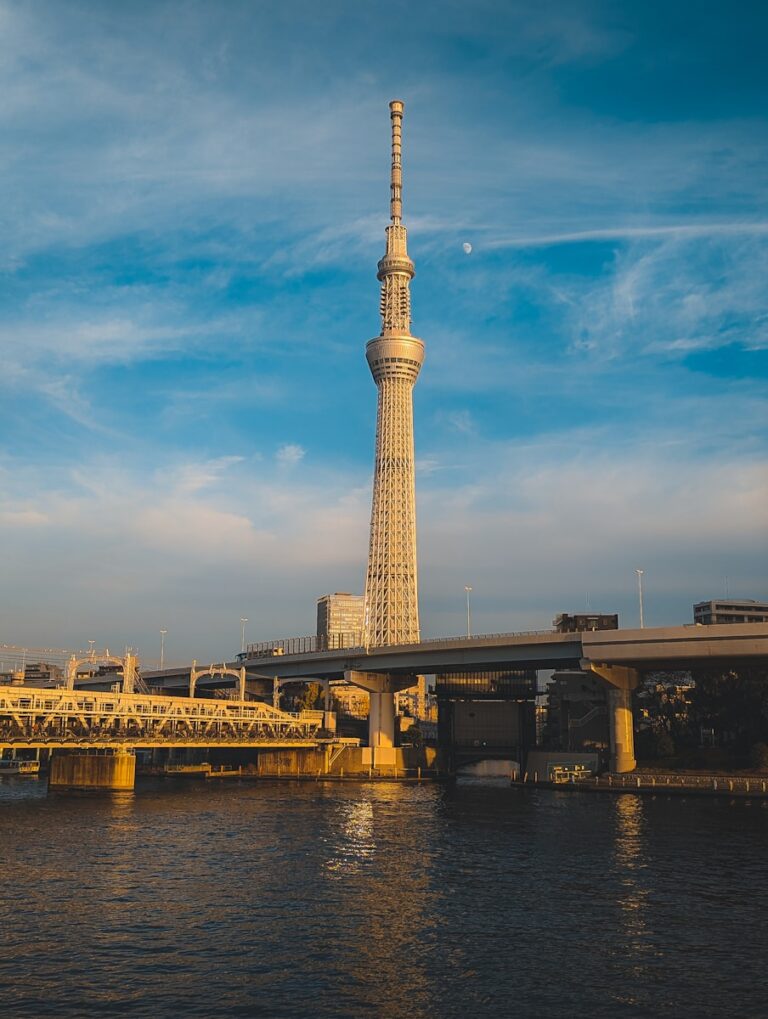 Tokyo Skytree Tembo Deck vs Galleria: Which Ticket Is Worth It?
Compare Tokyo Skytree Tembo Deck and Tembo Galleria by view, price, time needed, weather risk, and who should pay for the higher 450...
Tokyo Skytree Tembo Deck vs Galleria: Which Ticket Is Worth It?
Compare Tokyo Skytree Tembo Deck and Tembo Galleria by view, price, time needed, weather risk, and who should pay for the higher 450...
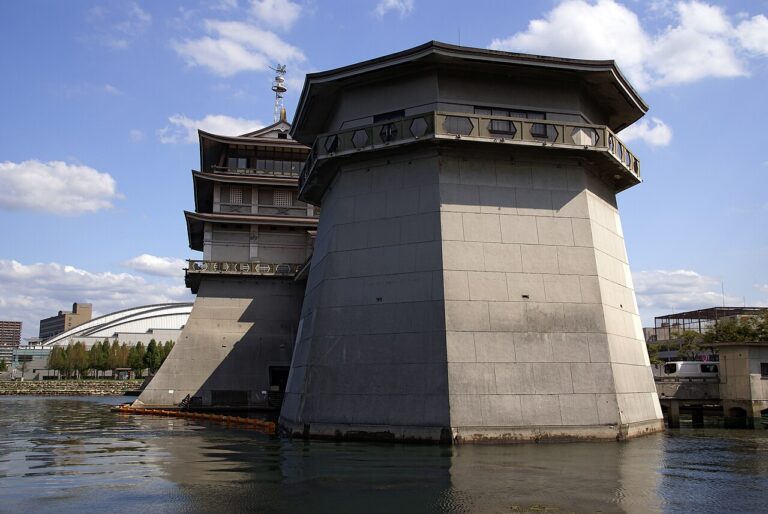 Lake Biwa Museum with Kids: Time Needed, Highlights, and Family Tips
Plan Lake Biwa Museum with kids: how long to stay, best exhibits for families, rainy-day tips, access planning, and nearby Lake Biwa...
Lake Biwa Museum with Kids: Time Needed, Highlights, and Family Tips
Plan Lake Biwa Museum with kids: how long to stay, best exhibits for families, rainy-day tips, access planning, and nearby Lake Biwa...
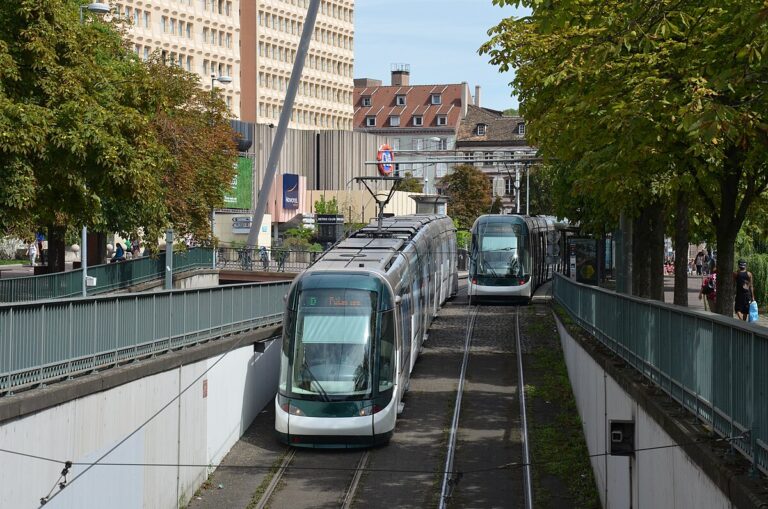 Things to Do at New Chitose Airport Before Your Flight
Plan things to do at New Chitose Airport before your flight: food, souvenirs, Royce Chocolate World, onsen, theater, time needed, an...
New Chitose Airport Food Guide: What to Eat Before Your Flight
What to eat at New Chitose Airport before your flight, including ramen, seafood, sweets, souvenirs, Royce Chocolate World, timing, a...
Things to Do at New Chitose Airport Before Your Flight
Plan things to do at New Chitose Airport before your flight: food, souvenirs, Royce Chocolate World, onsen, theater, time needed, an...
New Chitose Airport Food Guide: What to Eat Before Your Flight
What to eat at New Chitose Airport before your flight, including ramen, seafood, sweets, souvenirs, Royce Chocolate World, timing, a...
New spots
-

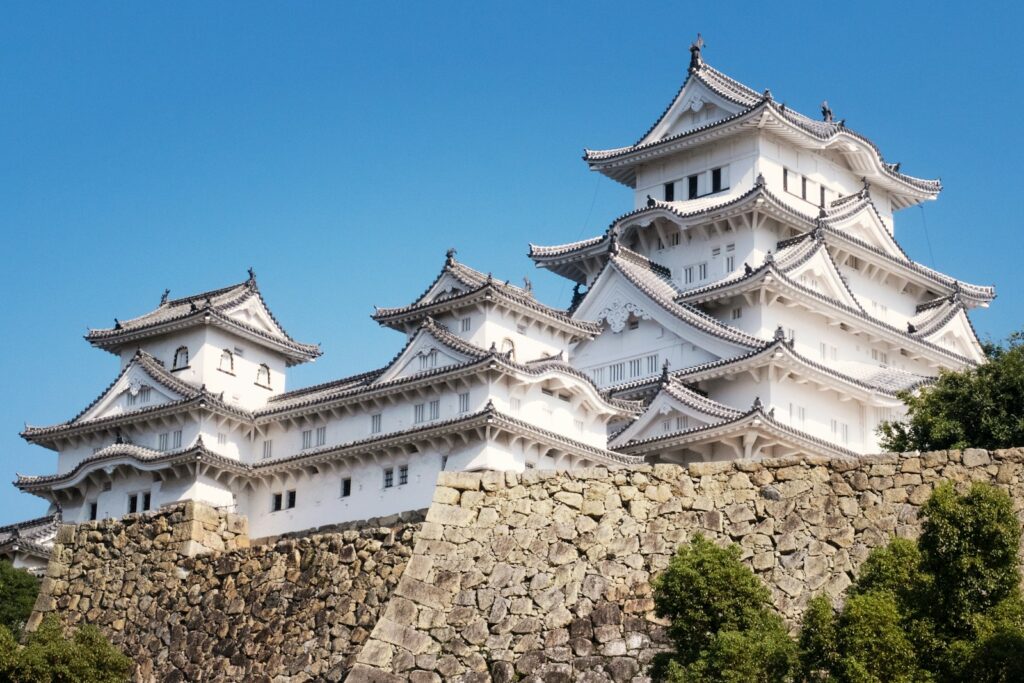
Himeji Castle (Himeji City, Hyogo Prefecture)
Overview Himeji Castle is a famous national treasure known as the "White Heron Castle," and its white plaster exterior and elaborate defensive structures from the Edo period are noteworthy. -
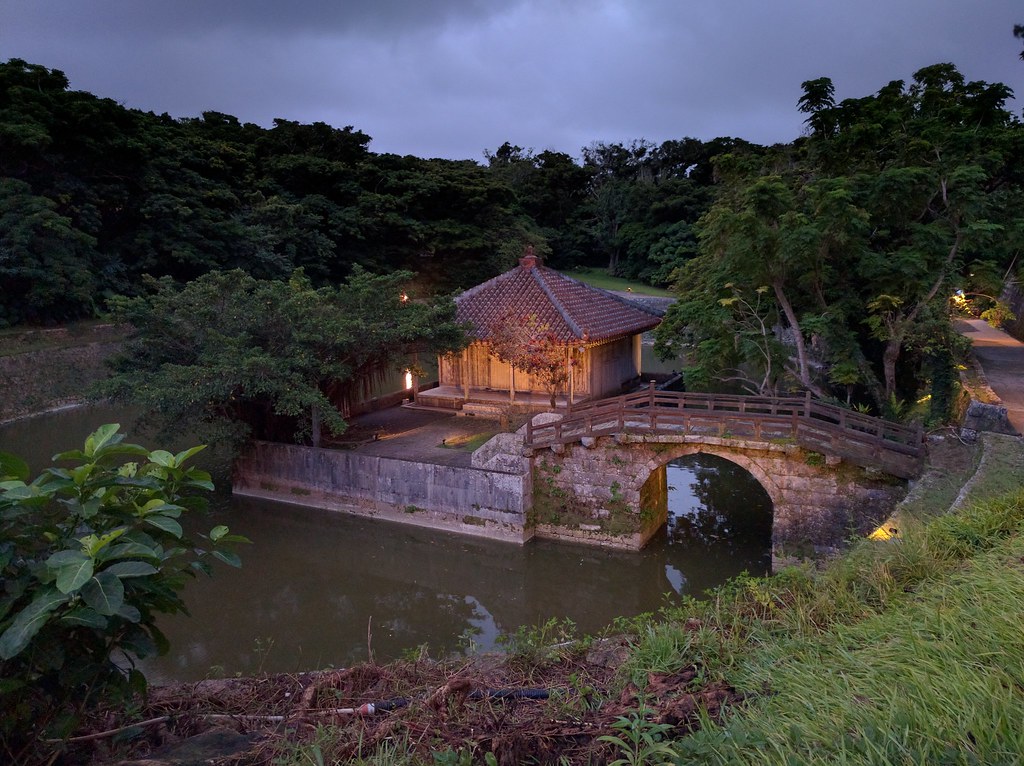
Shuri Castle Park (Naha City, Okinawa Prefecture)
Shurijo Castle Park is a historical park built around Shuri Castle, the political and cultural center of the Ryukyu Kingdom. Shurijo Castle has suffered repeated damage from war and fire, including the destruction of its main hall in a fire in 2019. However, restoration and reconstruction are currently underway. The red-tiled architecture and stone walled castle are a unique example of Okinawa's culture. -
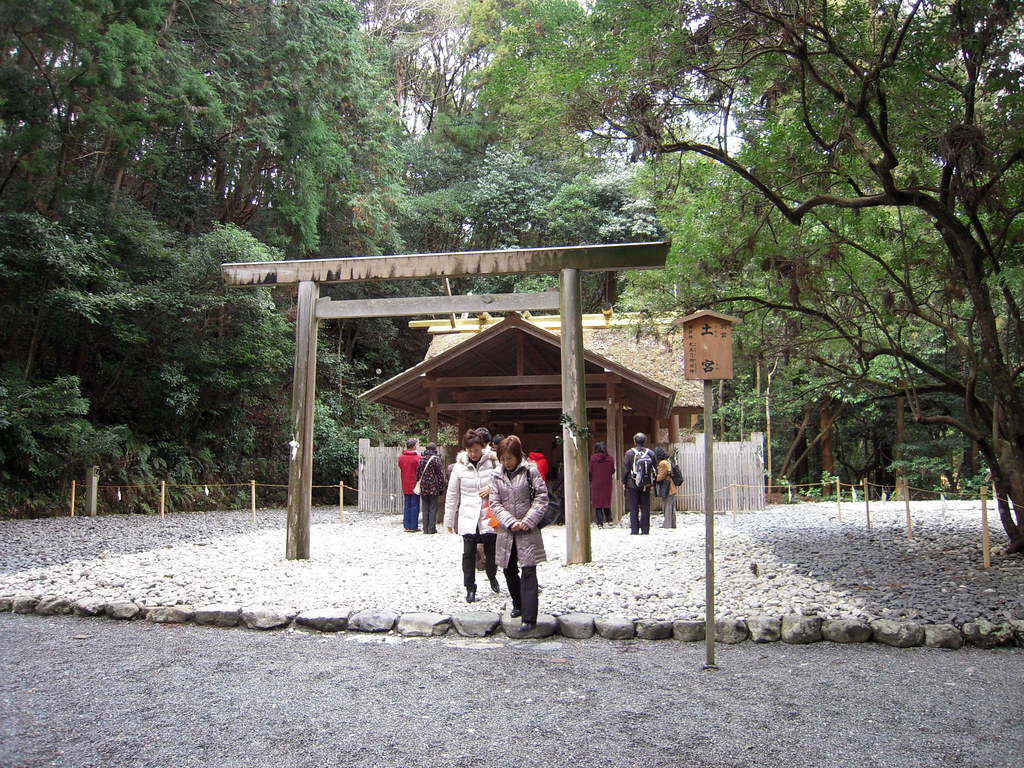
Ise Shrine (Ise City, Mie Prefecture)
Ise Grand Shrine, affectionately known as "Oise-san," is a special shrine known as the spiritual home of the Japanese people. It consists of 125 shrines, centered around the Inner Shrine, dedicated to Amaterasu Omikami, and the Outer Shrine, dedicated to Toyouke Omikami, the deity who governs food, clothing, and shelter. The grounds, surrounded by vast forests and the clear waters of the Isuzu River, are enveloped in a solemn atmosphere... -
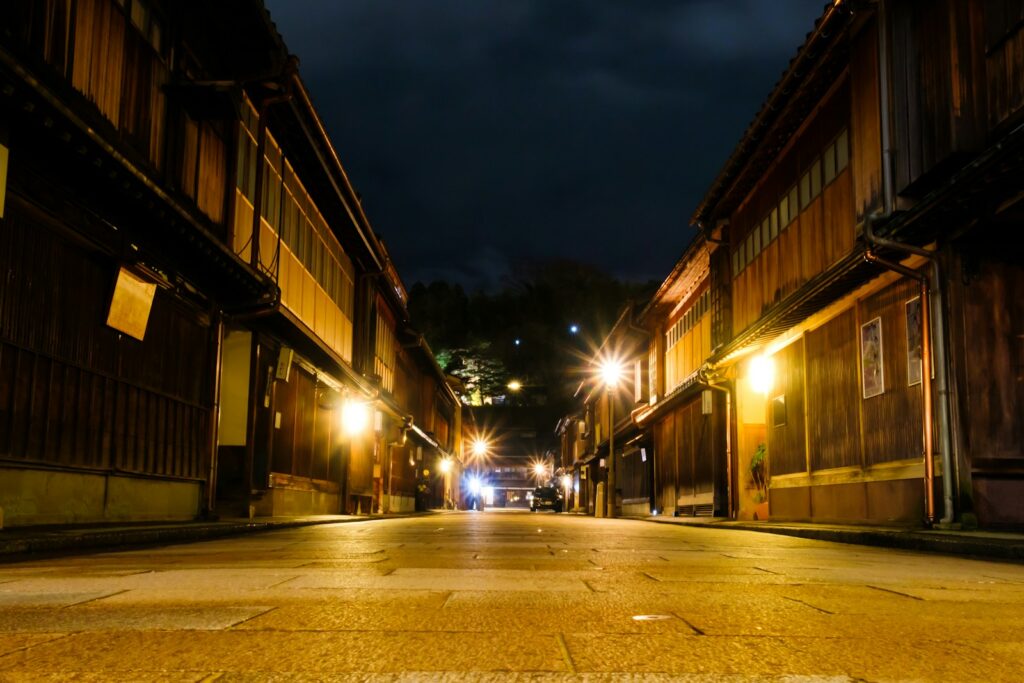
Higashi Chaya District (Kanazawa City, Ishikawa Prefecture)
Higashi Chaya District is a representative tourist destination in Kanazawa that continues to convey the teahouse culture that has continued since the Edo period, and is designated as an Important Preservation District for Groups of Traditional Buildings by the national government. The streets lined with townhouses with latticed doors are charming, and at night, the lights of paper lanterns light up, giving you a sense of the atmosphere of a former entertainment district... -
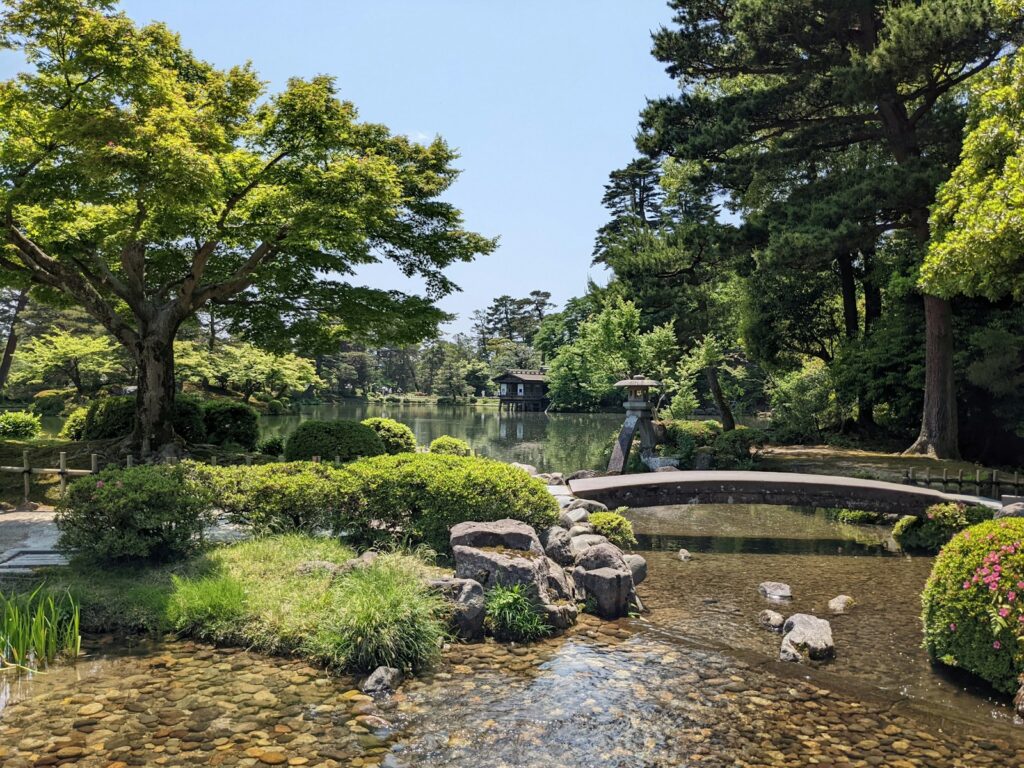
Kenrokuen Garden (Kanazawa City, Ishikawa Prefecture)
Kenrokuen is a feudal lord's garden that is considered one of the "Three Great Gardens of Japan," along with Korakuen in Okayama and Kairakuen in Mito, and has been designated a Special Place of Scenic Beauty by the national government. Developed over many years by the Maeda family of the Kaga domain, the garden is popular with both domestic and international tourists for its beautiful scenery that can be enjoyed throughout the seasons. In particular... -
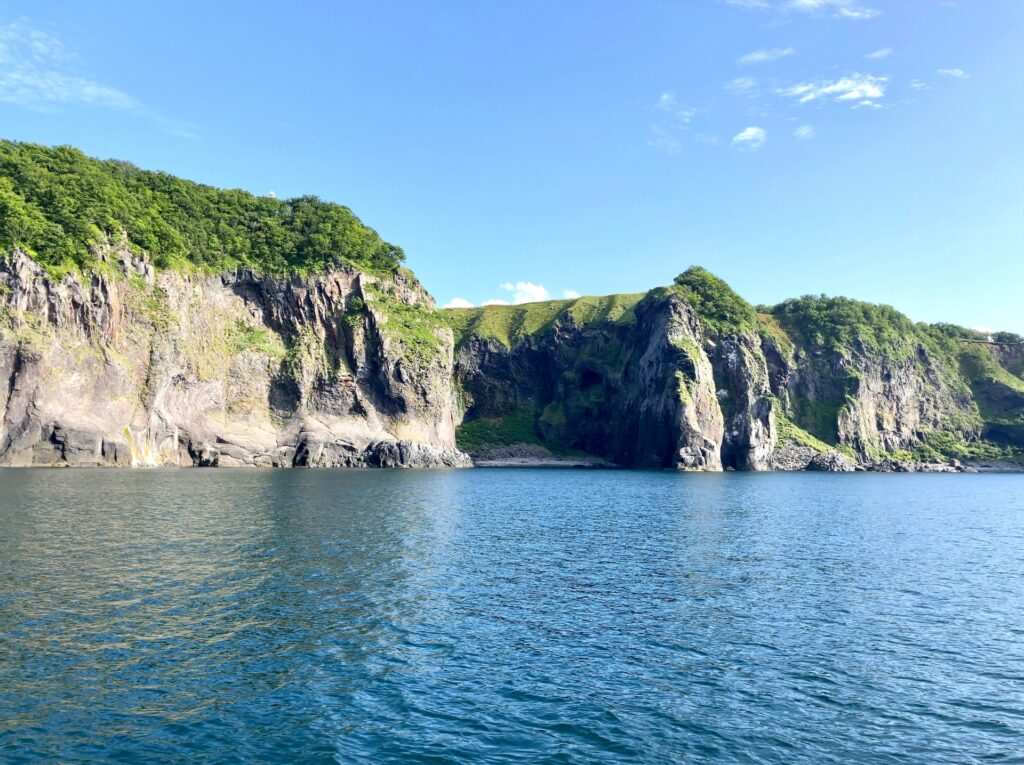
Shiretoko Peninsula (Shari Town and Rausu Town, Hokkaido)
The Shiretoko Peninsula, located in eastern Hokkaido, was registered as a UNESCO World Heritage Site in 2005. This pristine natural area offers visitors the chance to enjoy wildlife such as brown bears and white-tailed eagles, as well as seasonal scenery. With drifting ice in winter, virgin forests and waterfalls in summer, and stunning coastline views, the area offers a variety of different experiences throughout the year. -
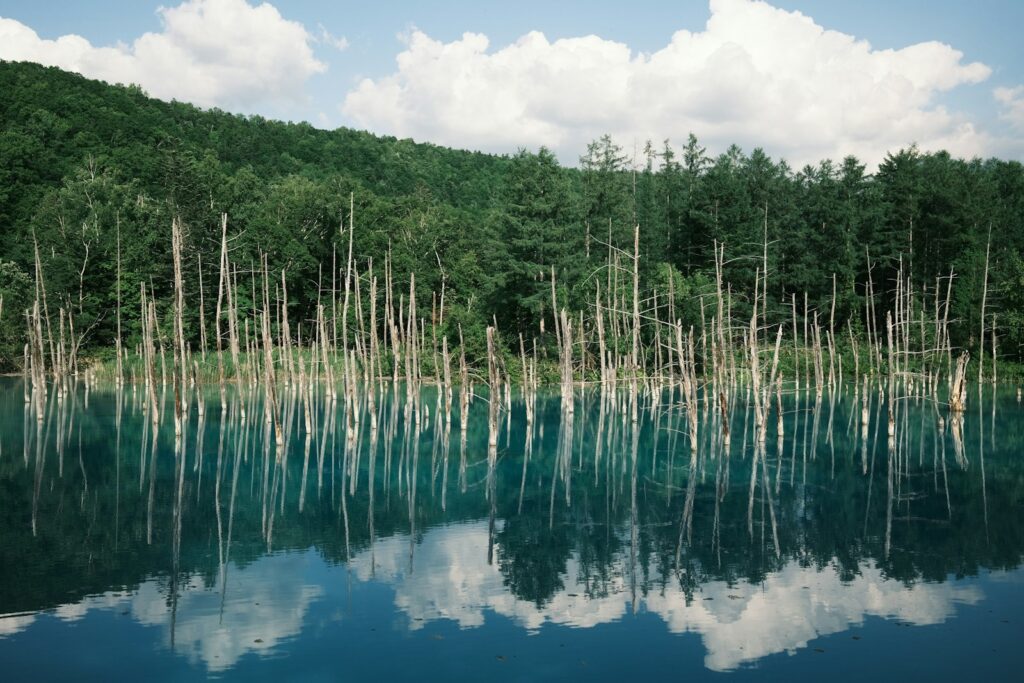
Biei Blue Pond (Biei Town, Kamikawa District, Hokkaido)
The Blue Pond in Biei Town is a tourist spot known for its mystical scenery, with its sparkling blue water surface. Originally an artificial pond created as part of disaster prevention work, the unique blue color is said to be due to the aluminum-containing water reflecting light. The color changes with the seasons and weather... -
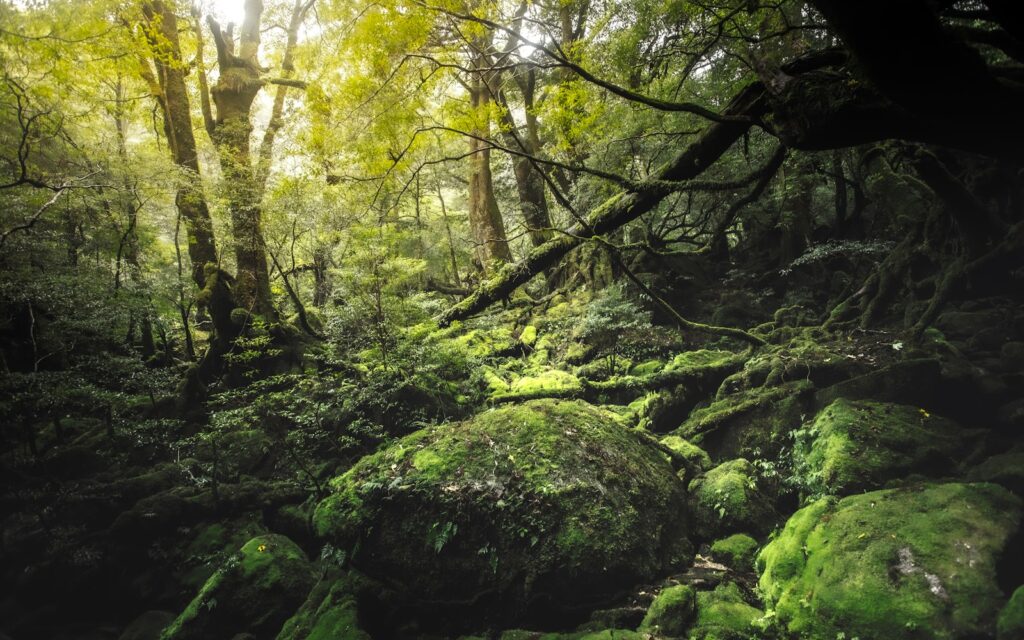
Yakushima (Yakushima Town, Kumage District, Kagoshima Prefecture)
Yakushima, an island in Kagoshima Prefecture, was registered as a UNESCO World Heritage Site in 1993. Supported by abundant rainfall and a diverse ecosystem, its forests are known as the "Alps of the Ocean," and are particularly known for their Yakusugi cedar trees, some thousands of years old. The island is also said to have inspired the setting for the Studio Ghibli film "Princess Mononoke." -
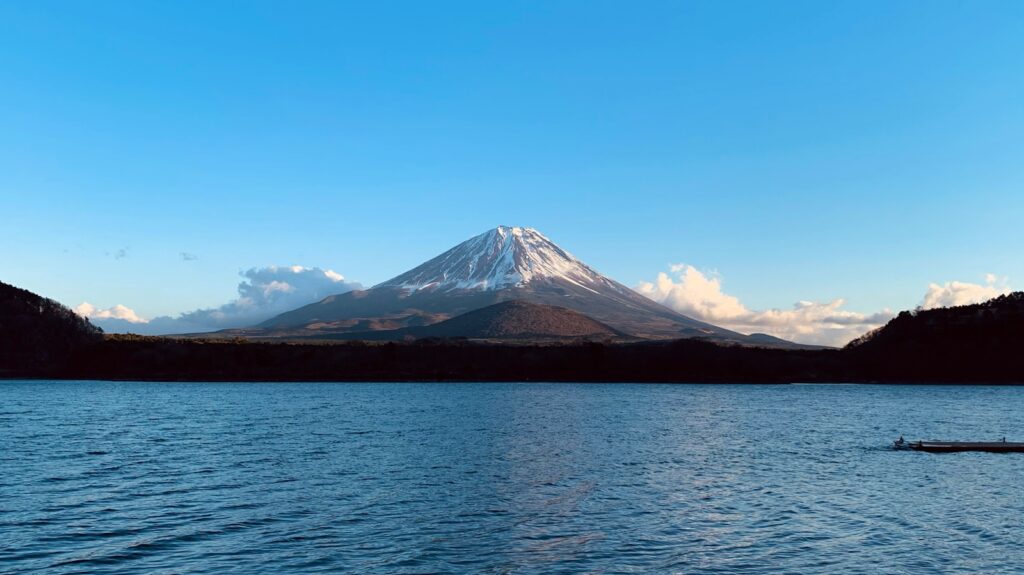
Mount Fuji (Yamanashi Prefecture and Shizuoka Prefecture)
Mount Fuji is Japan's highest mountain, boasting an elevation of 3,776 meters. It was registered as a World Heritage Site in 2013. A symbol of Japan, its seasonal beauty is captivating, and it attracts many domestic and international tourists for hiking and sightseeing. The views from the Fuji Five Lakes, Lake Kawaguchi, and the tea fields on the Shizuoka side are particularly popular... -
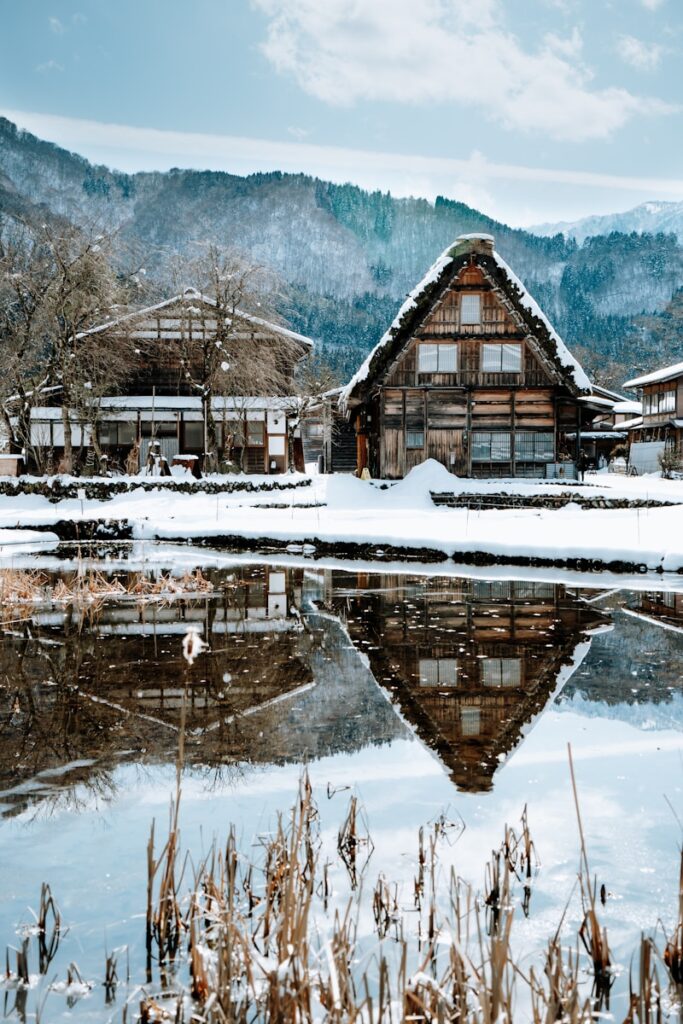
Shirakawa-go (Shirakawa Village, Ono District, Gifu Prefecture)
Shirakawa-go is a village of gassho-style houses located in northern Gifu Prefecture, and was registered as a UNESCO World Heritage Site in 1995. The traditional houses, characterized by their gabled thatched roofs, reflect the wisdom of a region with heavy snowfall, and are still used today. You can enjoy the scenery throughout the seasons, and the winter illuminations are particularly magical...