Overview (history, characteristics, attractions)
Enryaku-ji Temple on Mount Hiei is the head temple of the Tendai sect of Buddhism, located on Mount Hiei in Otsu City, Shiga Prefecture. It was founded by Saicho (Dengyo Daishi) in the 7th year of the Enryaku era (788). Mount Hiei has long flourished as a center of learning and training, and is known for producing and influencing many great monks (Honen, Shinran, Nichiren, Dogen, etc.). It was burned down by Oda Nobunaga (in the Genki and Tensho periods), but was later rebuilt, and in 1994 was registered as a UNESCO World Heritage Site as part of the "Historic Monuments of Ancient Kyoto."
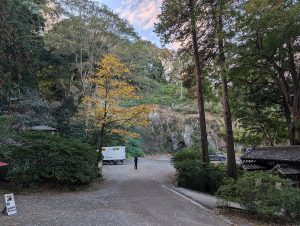
The mountaintop is made up of three main areas - Todo, Saito, and Yokawa (commonly known as the "Three Pagodas") - and is dotted with many Important Cultural Properties and National Treasures, including the Konponchudo Hall. The natural scenery changes with the seasons (especially the autumn foliage and the fresh greenery of spring), as well as the views of Lake Biwa and Kyoto city are also major attractions. The mountain is also known for traditional training such as the rigorous "Sennichi Kaihogyo" (a thousand-day pilgrimage), and continues to convey the spirit of faith and mountain Buddhism to the present day.
Highlights
- Konponchudo (Main Hall): The central building of Enryaku-ji Temple. It is the main training hall named after Yakushi Nyorai, the Buddha whom Saicho enshrined as his principal image, and is an important cultural property.
- Tour of the three towers of East Tower, West Tower and Yokokawa:Each area has its own unique history and atmosphere, making it a must-see when exploring the mountain.
- The Great Lecture Hall, Monju Tower, and other temple buildings: A group of buildings that convey the history of the university as a place of learning and lectures.
- Hiei's nature and views: An observation spot overlooking Lake Biwa and Kyoto city, and seasonal scenery (autumn leaves, fresh greenery in spring, snowy scenery in winter).
- Observing training and events: Goma prayers and some events that are open to the public (please check in advance depending on the event). The tradition of Sennichi Kaihogyo, etc.
- Sakamoto Townscape and OmotesandoThe Sakamoto district at the foot of the mountain retains the atmosphere of an old temple town, and is close to Hiyoshi Taisha Shrine.
Access (nearest station, transportation, etc.)
- Train + Cable/Bus (General Route)
Take the JR or Keihan line to the Sakamoto or Hieizan Sakamoto area. From the station, walk to the Sakamoto Cable (Hieizan Cable) stop and take the cable car to the top of the mountain. Once on the mountain, you can take a shuttle bus or walk to each temple. Please note that the timetables for the Keihan and JR lines, cable cars, and buses change depending on the season and day of the week, so we recommend checking in advance. - From the Kyoto side
From Kyoto City, there are routes to Mount Hiei via Keihan, Eizan Electric Railway, and buses. Depending on the route, you may need to transfer, so please check the transfer information that best suits your departure point. - car
Accessible from the Kyoto Higashi IC or Otsu IC on the Meishin Expressway. There are paid parking lots at the base and top of the mountain, but they are expected to be crowded and full during consecutive holidays and the autumn foliage season. - Note
Route names, station names, and operating times may change, so please check the official website or transfer information for the latest information before visiting.
Estimated stay (estimated time required)
- Visiting the main temples and pagodas (Konponchudo and East Pagoda area): 1-2 hours
- A leisurely tour of all three towers: 2-4 hours (including travel, strolling, and viewing)
- If you want to enjoy hiking and visiting multiple temples and attractions: Half a day to a full day
- If you want to explore the surrounding area of Sakamoto and visit nearby temples and shrines, we recommend spending at least one day.
Nearby spots
- Hiyoshi Taisha Shrine (Sakamoto) — An ancient shrine at the foot of Mount Hiei. It's easy to combine a visit with a visit to Enryaku-ji Temple.
- Lake Biwa (lake shore, park) - Views and lakeside strolls.
- Mii-dera Temple (Onjo-ji Temple, Shiga) - A temple that represents Shiga and has deep historical ties.
- Ishiyama-dera Temple (Otsu) - A famous spot in Awazu, known for Murasaki Shikibu and its autumn scenery.
- Kyoto City (Kiyomizu-dera Temple, Gion, Ginkaku-ji Temple, etc.) - Convenient for trips combined with sightseeing at Mount Hiei.
Things to be aware of (crowds, manners, seasonal precautions, etc.)
- congestion: It gets especially crowded during autumn foliage season, cherry blossom season, holidays, and weekends. The cable car and parking lot may fill up, so we recommend leaving early and using public transportation.
- Clothes/shoes:The mountain is hilly and involves long walks, so wear comfortable shoes and clothing appropriate for the weather. In winter, the roads may freeze or snow may accumulate, so be sure to wear protective clothing and anti-slip gear.
- Visitor etiquette: Temples are places of worship. In most cases, it is prohibited to remain silent inside the temple, to use incense or candles, and to eat, drink, or smoke outside of designated areas. There are also places where photography is restricted, so please follow the signs.
- Visiting hours and admission fees: Opening and closing times and admission fees for each hall vary depending on the building. Opening and closing times may change due to special openings or events, so please check the official information.
- Mobile phone and meals: There are limited food and drink options on the mountain, so if you plan to hike for a long time, it's a good idea to bring drinking water and snacks (please take your trash with you).
- safety:There are some slippery sections of mountain paths and stairs. Please do not push yourself too hard, especially in rainy or snowy weather, and avoid dangerous areas.
Finally, Mount Hiei Enryaku-ji Temple is not only a religious facility but also a historical and cultural asset. To ensure a fulfilling stay, check the official website and the latest transportation information before visiting, and plan your visit in conjunction with the surrounding attractions.