
Guide by City/Town/Village
Tourist attractions in Otsu City
This is a municipality-based entry page where you can search for tourist spots around Otsu City, Shiga Prefecture, checking travel time, access, and points of interest. Use it to organize your options before your trip or to compare nearby locations.
List of spots in Otsu City
Lake Biwa Canal (Otsu City, Shiga Prefecture)
Overview (History, Features, and Attractions): The Lake Biwa Canal was constructed during the Meiji era to divert water from Lake Biwa towards Kyoto...
Hiyoshi Taisha Shrine (Otsu City, Shiga Prefecture)
Overview (History, Features, and Attractions): Hiyoshi Taisha is an ancient shrine located in Sakamoto, Otsu City, Shiga Prefecture, at the foot of Mount Hiei...
Zeze Castle (Otsu City, Shiga Prefecture)
Overview (History, Features, and Attractions): Zeze Castle was a castle site located in Zeze, Otsu City, on the eastern shore of Lake Biwa...
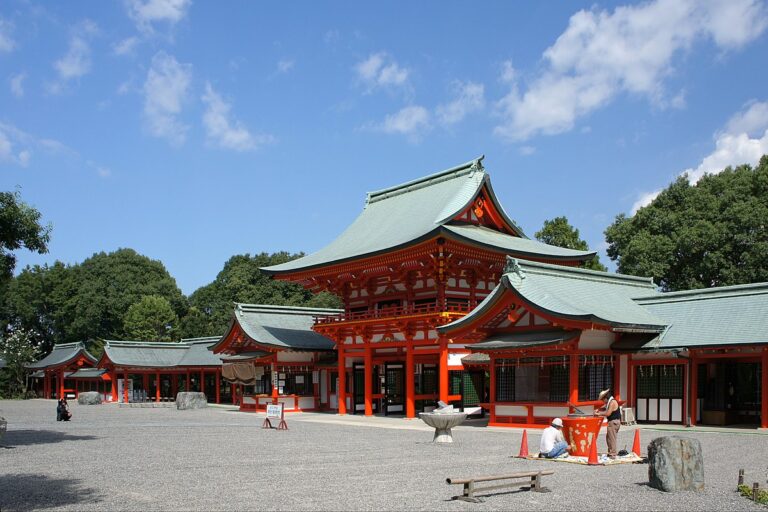
Omi Shrine (Otsu City, Shiga Prefecture)
Overview (History, Features, and Attractions) Omi Jingu Shrine is a Shinto shrine located in Otsu City, Shiga Prefecture, dedicated to the ancient emperor Emperor Tenji (...
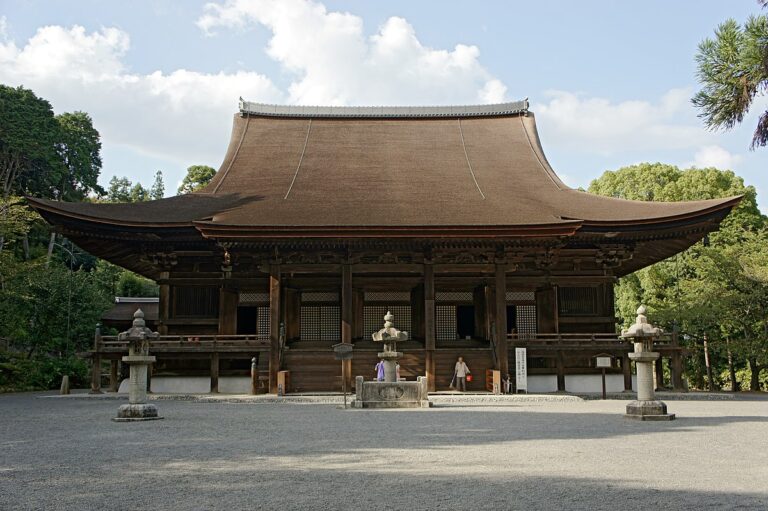
Mii-dera Temple (Otsu City, Shiga Prefecture)
Overview (History, Features, and Attractions): Miidera Temple (Onjoji Temple) is an ancient temple located in Otsu City, Shiga Prefecture, belonging to the Tendai sect...
Lake Biwa Valley (Otsu City, Shiga Prefecture)
Overview (History, Features, and Attractions): Biwako Valley is a leisure facility located on a mountaintop in Otsu City, Shiga Prefecture, and is situated near Lake Biwa...
Ishiyama-dera Temple (Otsu City, Shiga Prefecture)
# Ishiyama-dera Temple (Otsu City, Shiga Prefecture) ## Overview (History, Features, and Attractions) Ishiyama-dera Temple is an ancient temple located in Otsu City, Shiga Prefecture, southwest of Lake Biwa...
Enryaku-ji Temple on Mount Hiei (Otsu City, Shiga Prefecture)
Overview (History, Features, and Attractions): Hieizan Enryaku-ji Temple is a Tendai Buddhist temple located on Mount Hiei in Otsu City, Shiga Prefecture...
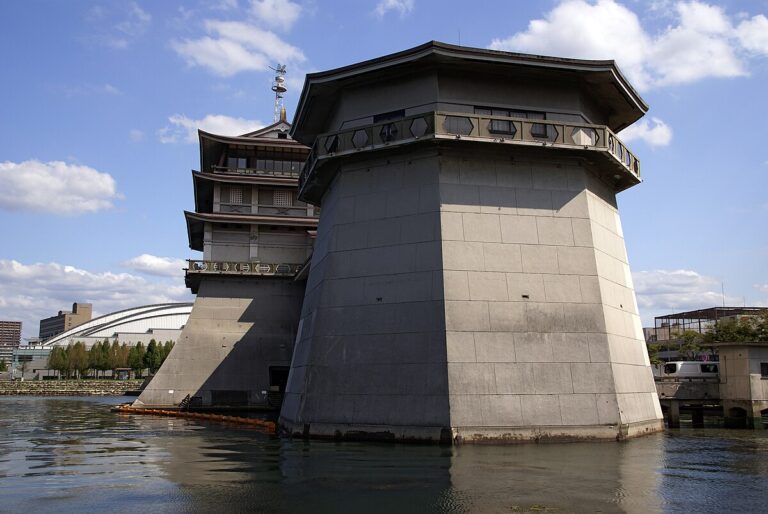
Lake Biwa (Otsu City, Shiga Prefecture)
Overview (History, Characteristics, and Attractions): Lake Biwa is Japan's largest freshwater lake, with an area of approximately 670 km² and a circumference of approximately 235 km.