Tourist attractions--archive--
-

Sunflower field in Sayo Town (Sayo Town, Sayo District, Hyogo Prefecture)
Overview (History, Features, and Attractions): The sunflower fields in Sayo Town (Sayo-gun, Hyogo Prefecture) are a representative summer landscape that attracts many visitors from both within and outside the prefecture. The sunflower fields in the Nanko area, in particular, are large in scale and host the annual "Sunflower Festival"... -
Suntory Hall (Minato-ku, Tokyo)
Overview (History, Features, and Appeal): Suntory Hall, located in Akasaka, Minato-ku, Tokyo, is one of Japan's leading classical music concert halls. Since its opening in 1986, it has hosted top orchestras, conductors, and performers from Japan and abroad, offering high-quality musical programs. [...text continues...]. -
Saihoji Temple (Nishikyo Ward, Kyoto City, Kyoto Prefecture)
Overview (History, Features, and Attractions) Saihoji Temple (commonly known as Koke-dera, or Moss Temple) is a Zen temple of the Rinzai sect located in Nishikyo Ward, Kyoto City, and is famous for its moss garden. Its official name is Saihoji. The main hall and garden are registered as a World Heritage Site as part of the "Historic Monuments of Ancient Kyoto." Its founding is ancient, and according to tradition... -
Osaka Science Museum (Kita-ku, Osaka City, Osaka Prefecture)
Overview (History, Features, and Attractions): The Osaka Science Museum is a municipal science museum located in the Nakanoshima area of Osaka. It features permanent exhibitions that clearly explain fundamental principles of science and engineering (electricity, magnetism, mechanics, energy, etc.), temporary exhibitions that change themes, and a large planetarium... -
Kasai Rinkai Aquarium (Edogawa Ward, Tokyo)
Overview (History, Features, and Attractions) Kasai Rinkai Aquarium is a public aquarium located within Kasai Rinkai Park in Edogawa Ward, Tokyo. It opened in 1989 (Showa 64/Heisei 1). Taking advantage of its location facing Tokyo Bay, it features large "Grand Tanks" where migratory fish swim in schools, and other attractions... -
Tanga Market (Kitakyushu City, Fukuoka Prefecture)
Overview (History, Features, and Attractions): Tanga Market is a traditional shopping street-style market located in the heart of Kokura, Kokurakita Ward, Kitakyushu City. It has a long history and has long been a beloved kitchen for local residents. Narrow passageways are lined with fishmongers, fruit and vegetable vendors, meat shops, prepared food stores, dried goods shops, and restaurants... -
Meijo Park (Nagoya City, Aichi Prefecture)
Overview (History, Features, and Attractions): Meijo Park is an urban park located in the heart of Nagoya City, Aichi Prefecture. It features a wide walking area that utilizes the outer moat and surrounding green spaces of the adjacent Nagoya Castle (commonly known as "Meijo"). The park offers an open landscape overlooking the castle, combined with seasonal plantings... -
Takanawa Gateway Station (Minato Ward, Tokyo)
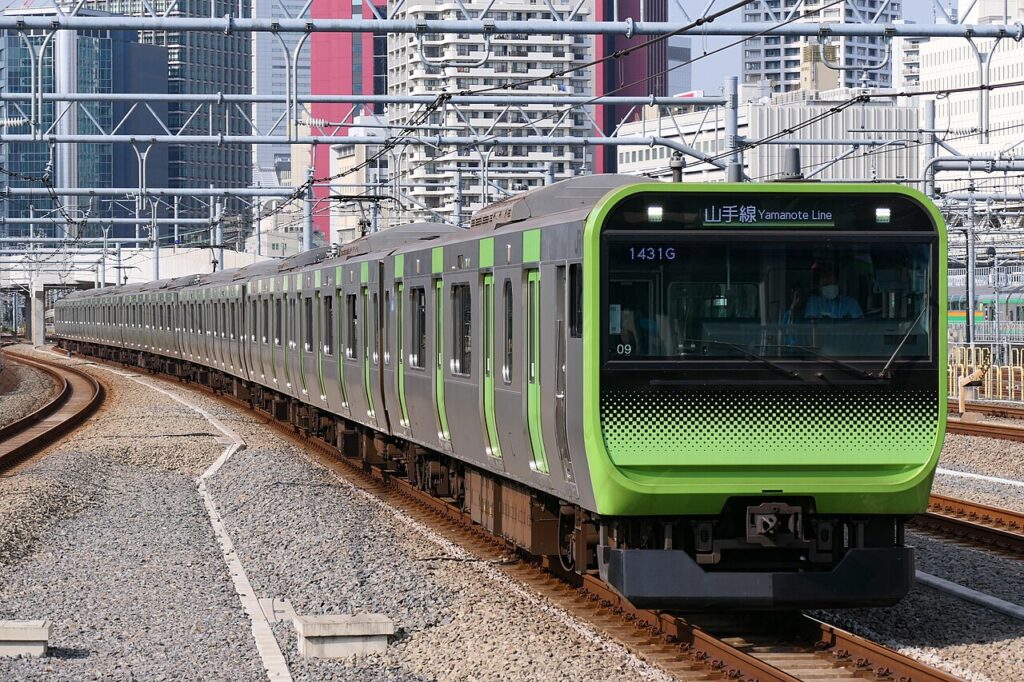
Overview (History, Features, and Attractions): Takanawa Gateway Station is a JR East station located in Minato Ward, Tokyo, and opened on March 14, 2020. It was developed as a new transportation hub in the city center, with the Yamanote Line and Keihin-Tohoku Line stopping there, connecting Shinagawa Station and Tamachi Station (or the area between Shinagawa and Tamachi)... -
Inunaki Mountain (Izumisano City, Osaka Prefecture)
Overview (History, Features, and Attractions): Inunaki-yama is a naturally rich area nestled in the mountains of Izumisano City, Osaka Prefecture. With its deep valleys, small waterfalls, and well-maintained hiking trails surrounded by lush greenery, it has long been a beloved spot for locals. Temples and shrines are scattered throughout the mountain, reflecting its history of mountain worship and... -
Obasute (Chikuma City, Nagano Prefecture)
Overview (History, Features, and Attractions): Obasute is a scenic spot in Chikuma City, Nagano Prefecture, known for its magnificent views overlooking the terraced rice fields (Obasute Terraced Rice Fields) spread across the mountainside and the Chikuma River (Shinano River) basin. The place name originates from the ancient "Obasute Legend" (a tale of abandoning elderly parents in the mountains)...