Tourist attractions--archive--
-

Yunohama Onsen (Tsuruoka City, Yamagata Prefecture)
Overview (History, Features, and Attractions) Yunohama Onsen is a seaside hot spring resort located on the Sea of Japan coast in Tsuruoka City, Yamagata Prefecture. It is a popular hot spring town integrated with a beach, and has long been used as a health resort by fishermen and travelers. Many inns face the sea, offering views of the sun from their windows... -
Kitaguchi Hongu Fuji Sengen Shrine (Fujiyoshida City, Yamanashi Prefecture)
Overview (History, Features, and Attractions) Kitaguchi Hongu Fuji Sengen Shrine is an ancient shrine located in Fujiyoshida City at the northern foot of Mount Fuji, and is a central figure in Fuji worship (Asama worship). It has long been revered as the shrine that protects the "northern entrance to Mount Fuji's worship trail," and during the Edo period... -
Kurohime Plateau (Shinano Town, Nagano Prefecture)
Overview (History, Features, and Attractions) Kurohime Kogen is a highland resort located in Shinano Town, Kamiminochi District, Nagano Prefecture, at the foot of Mount Kurohime (approximately 2,000m above sea level). Formerly used as pasture and dairy farmland, it has been developed as a tourist destination, with flower fields and highland walks in the summer... -
Ao no Domon (Nakatsu City, Oita Prefecture)
Overview (History, Features, and Attractions) Aonodomon (Blue Cave Gorge) is a scenic spot where nature and history intertwine, located near Yabakei in Nakatsu City, Oita Prefecture. It was hand-dug by the monk Zenkai in the late Edo period (first half of the 19th century) to open up a difficult passage... -
Killing Stone (Nasu Town, Tochigi Prefecture)
Overview (History, Features, and Attractions) Sessho-seki (Slaughter Stone) is a legendary rock located near Nasu Onsen in Nasu Town, Tochigi Prefecture. It has long been said that the stone was transformed into a nine-tailed fox demon named Tamamo-no-Mae, and that it emitted a poisonous aura that was deadly to anyone who touched it, hence the name "Slaughter Stone.". -
Echigo Hillside Park (Nagaoka City, Niigata Prefecture)
Overview (History, Features, and Attractions) Echigo Hillside Park is a vast suburban natural park located in Nagaoka City, Niigata Prefecture. It was developed to take advantage of the local satoyama and hilly terrain, and is home to seasonal flowers and greenery, spacious lawns and walking paths, as well as playground equipment and interactive facilities for children. The park's development aims to promote regional development and protect the natural environment... -
Lalique Museum Hakone (Hakone, Ashigarashimo District, Kanagawa Prefecture)
Hakone Lalique Museum (Hakone, Ashigarashimo District, Kanagawa Prefecture) Overview (History, Features, and Attractions) The Hakone Lalique Museum is an art museum that exhibits works by René Lalique, a representative glass artist of the French Art Nouveau/Art Deco period, and his workshop... -
Benesse House (Naoshima Town, Kagawa County, Kagawa Prefecture)
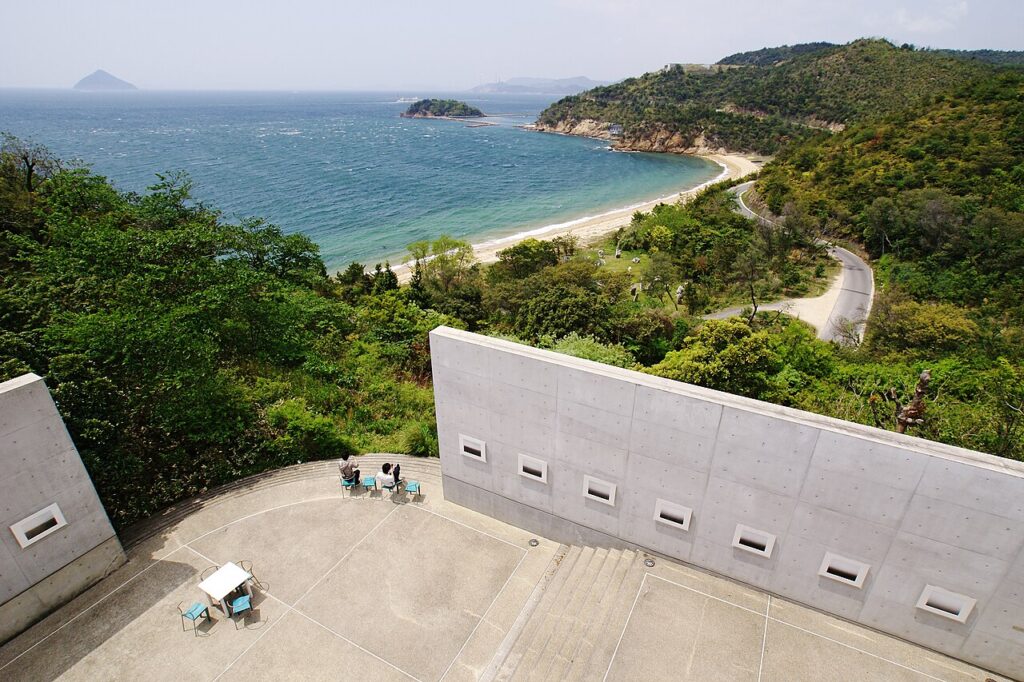
Overview (History, Features, and Attractions) Benesse House is a complex art facility representing Naoshima (Naoshima Town, Kagawa Prefecture), located in the Seto Inland Sea. It is a unique space that combines architecture designed by architect Tadao Ando with contemporary art. In 1992, Benesse Corporation established the "Benesse Art Site Naoshim...". -
Ota Memorial Museum of Art (Shibuya, Tokyo)
Overview (History, Features, and Appeal) The Ota Memorial Museum of Art is a private museum specializing in ukiyo-e prints located in the Harajuku area of Shibuya Ward, Tokyo. Opened with an ukiyo-e collection assembled after the war, the museum's main purpose is to preserve, research, and exhibit ukiyo-e prints. The collection ranges from classics to... -
Lafcadio Hearn Memorial Museum (Matsue City, Shimane Prefecture)
Overview (History, Features, and Attractions) The Lafcadio Hearn Koizumi Memorial Museum is a museum showcasing the achievements and life of Lafcadio Hearn, a foreign author active in Japan during the Meiji period. The folk tales, ghost stories, and records of daily life he collected in Matsue had a major influence on his masterpieces.