Overview (history, characteristics, attractions)
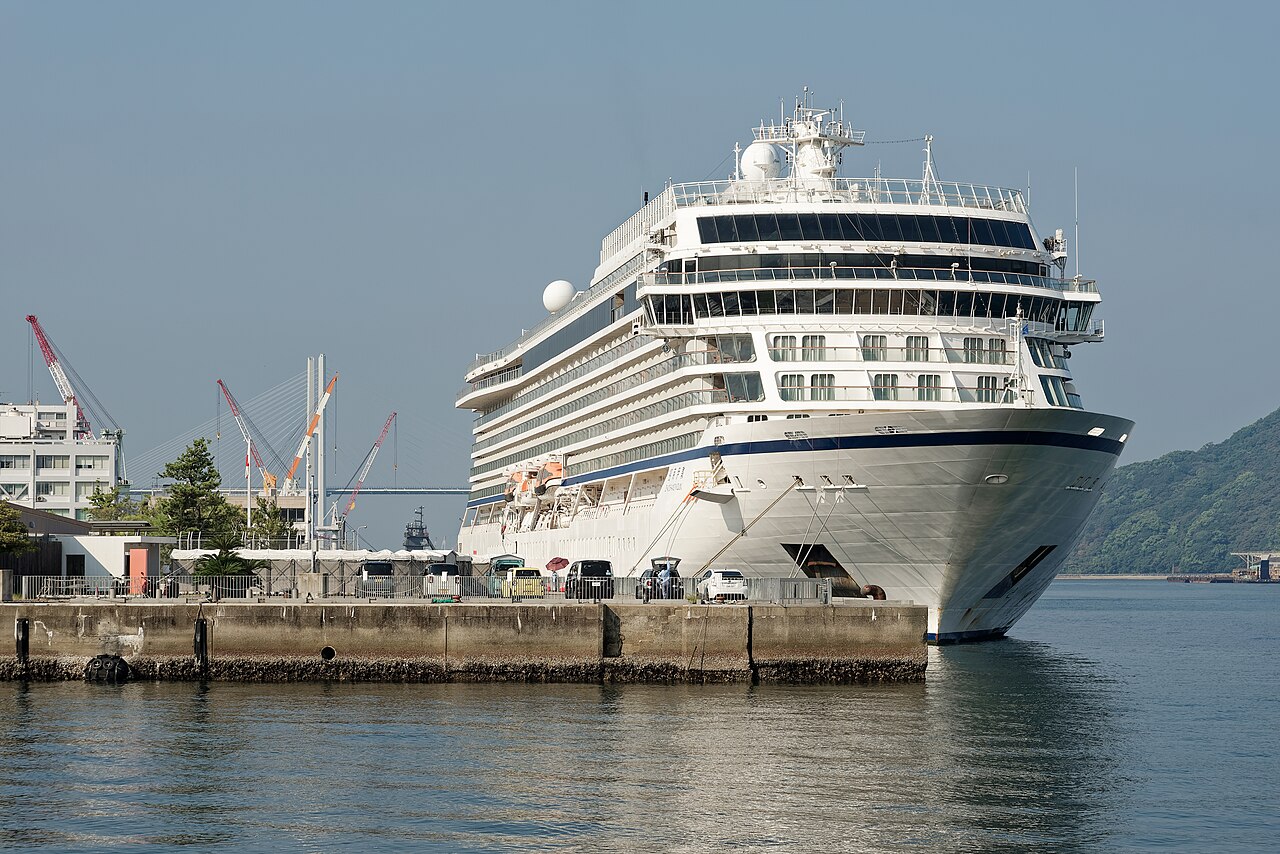
Nagasaki Port, located in Nagasaki City, Nagasaki Prefecture, is a historic port that takes advantage of its natural harbor. During the Edo period, it was one of the only trading ports with foreign countries via Hirado and Dejima, and the Dutch trading post was located in Dejima for many years. After the Meiji Restoration, it modernized as an open port and developed as a center for industries such as shipbuilding and machinery manufacturing, as well as shipping.
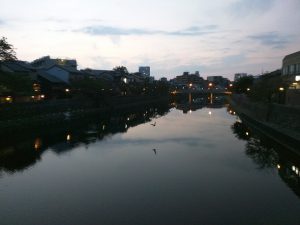
Nagasaki Port today is attractive not only for its function as an international port, but also for its beautiful bay scenery. Historic buildings, tourist facilities, and pleasure boat docks are scattered along the harbor, and the night view from Mount Inasa is famous enough to be counted among Japan's "Three Great Night Views." It is a place that retains a unique atmosphere where foreign and Japanese cultures intersect.
Highlights
- Dejima area: Sites and reconstructed facilities of Dejima from the Edo period. A place to learn about the history of Dutch trade.
- Glover Garden and Oura Church: A group of Western-style buildings located on a hill overlooking the harbor. Remnants of the foreign settlement during the late Edo and Meiji periods.
- Harbor Cruise (Sightseeing Boat): Enjoy Nagasaki's scenery from the sea on a cruise around the harbor and bay entrance.
- Mt. Inasa (Observation Deck): Famous as a night view spot. The panoramic view of the harbor and city is the highlight.
- Shinchi Chinatown (especially lively during the Lantern Festival): You can enjoy the food culture and Chinese cuisine of the port area.
- Nagasaki Atomic Bomb Museum and Peace Park (accessible on foot or by tram): A place to reflect on history and peace.
Access (nearest station, transportation, etc.)
- Train/Train: From JR Nagasaki Station, take the Nagasaki Electric Tramway to stops such as Ohato, Tsukimachi, Dejima, and Nagasaki-ekimae, all located around the port. The tram ride from Nagasaki Station takes a few minutes to about 15 minutes.
- Tram (for getting around the city): Major tourist attractions in Nagasaki City are easily accessible by tram, and there are also many tram stops around the port, making it very convenient.
- Bus/Car: Take a bus from Nagasaki Station or the city bus terminal. There is parking available near the port (may be full during peak hours).
- Ferries and Routes: There are ferries for sightseeing cruises and to some remote islands, including routes to the Goto Islands (it is recommended to check the operating company and schedule in advance).
- By plane: From Nagasaki Airport, take a limousine bus or car to the city center (approximately 40-60 minutes).
Estimated stay (estimated time required)
- Walking around the harbor area only: 1-2 hours
- A thorough sightseeing tour including Dejima, Glover Garden, Oura Church, etc.: Half a day to a full day (3 to 6 hours)
- If including a harbor cruise: Cruises typically last 30 to 90 minutes, so the total time is about half a day.
Nearby spots
- Dejima (Dejima Museum)
- Glover Garden and Oura Cathedral
- Shinchi Chinatown (Chinatown Street)
- Inasayama Observatory (Night View)
- Nagasaki Atomic Bomb Museum and Peace Park
- Spectacles Bridge (near Nakashima River)
- Nagasaki Prefectural Art Museum and Nagasaki Penguin Aquarium (a bit far, but accessible by car)
Things to be aware of (crowds, manners, seasonal precautions, etc.)
- Crowds: It gets crowded during peak tourist seasons (Golden Week, summer holidays, Nagasaki Lantern Festival, cruise ship arrival days, etc.). There may be queues at observation spots and on sightseeing boats.
- Checking times and operations: Sightseeing boats and ferries operate on schedules that vary depending on the season and weather. Please check the operating company's official website for times and cancellation information in advance.
- Walking and Hills: The area around the port has many hills and stairs. We recommend wearing comfortable shoes for walking. If you are using a stroller or wheelchair, please check the route in advance.
- Climate and Clothing: The sea breeze can be strong and make you feel chilly. It's especially a good idea to bring a light jacket or cardigan, particularly in early spring, late autumn, and at night.
- Etiquette at cemeteries and memorial sites: Please be quiet at atomic bomb-related facilities and memorials, and be mindful of photography and noise.
- Litter and Public Manners: To maintain the beauty of this tourist area, please take your trash with you or dispose of it in the designated area. Please follow local rules and signs.
(Note) Tourist plans and transportation options vary depending on the season and events. Please check the latest timetables and facility opening hours on the Nagasaki City Tourism official website or the official websites of each facility.