Overview (history, characteristics, attractions)
Hannyaji Temple is an ancient temple located in Nara City, and has long been known as the "Temple of Peonies." It is said to have been founded during the Asuka to Nara periods, and has undergone several transformations throughout its long history to reach its present form. Although not as large as some of the major temples, it is characterized by its tranquil grounds, seasonal flowers, and the quiet preservation of ancient Buddha statues and stone structures, making it a popular spot not only for tourists but also for locals strolling around.
Highlights
- Peony Garden: The best time to visit is in spring (mainly late April to early May), when many varieties of peonies bloom all at once. It's a gorgeous and popular photo spot.
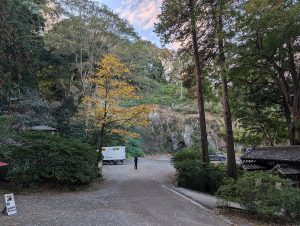
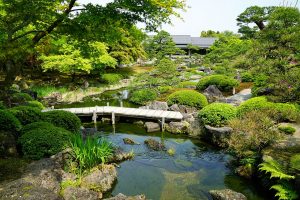
- The tranquil scenery of the temple grounds: With its groves of trees, stone paths, and old lanterns, the quiet temple grounds are perfect for a leisurely stroll while appreciating the changing seasons.
- Buddhist statues and stone Buddhas: The Buddhist statues and stone Buddhas enshrined in the main hall and on the temple grounds (some are open to the public, others not) convey the weight of history.
- Autumn foliage and fresh greenery: Besides the peonies in spring, the area also has charm during the fresh green season and the autumn foliage season. Because there are relatively few tourists, it's easy to take photos in a relaxed atmosphere.
- Seasonal events: Some temples hold spring flower festivals or special viewings, so it's a good idea to check before you visit.
Access (nearest station, transportation, etc.)
- Train + Bus: JR Nara Station and Kintetsu Nara Station are the main terminals in the city. From the stations, you can reach your destination in about 10-20 minutes by local bus or taxi (this may vary depending on traffic conditions).
- Walking: Many temples are within walking distance of Nara Park and Naramachi, so you can easily walk there while enjoying a stroll. Walking time will vary depending on your starting point, but allow approximately 20-40 minutes from Naramachi.
- Private car: City roads can be congested at certain times, so please check the availability and number of parking spaces in advance. During peak tourist season, we recommend using public transportation.
- Bicycles: Getting around Nara city by bicycle is easy, and renting a bicycle to tour the area is a convenient option.
*Specific bus route numbers, stop names, parking availability and fees, and visiting hours may change depending on the season and the temple's operating status. Please check official information in advance.
Estimated stay (estimated time required)
- For a quick tour of the sights: Approximately 30-45 minutes (including visiting the main hall and strolling around the temple grounds).
- If you want to enjoy the flowers and gardens at a leisurely pace: Approximately 1 hour to 1 hour 30 minutes (including time for taking photos and resting).
- If you plan to include sightseeing in the surrounding area: Half a day to a full day (combining it with Nara Park, Todai-ji Temple, Kasuga Taisha Shrine, Naramachi, etc.)
Nearby spots
- Nara Park (Todai-ji Temple, Kasuga Taisha Shrine, Deer Sanctuary) — A representative tourist destination in Nara. Many people visit it in conjunction with Hannya-ji Temple.
- Todai-ji Temple — Famous for its Great Buddha Hall. It's easy to incorporate into a walking sightseeing route.
- Kasuga Taisha Shrine — Enjoy the atmosphere of the ancient shrine and its approach.
- Nara-machi — An area lined with traditional townhouses. Cafes and souvenir shops are scattered throughout.
- Kofuku-ji Temple National Treasure Museum — You can carefully appreciate Buddhist statues and works of art.
- Gardens and small temples such as Isuien, Shusui-tei, and Jikoin — spots where you can spend a peaceful time.
Things to be aware of (crowds, manners, seasonal precautions, etc.)
- Crowds: The garden gets especially crowded during the peak blooming season for peonies (late April to early May). If you want to avoid the crowds, it is recommended to visit on a weekday morning or in the morning.
- Visitor Etiquette: Photography may be prohibited inside the main hall or of the Buddha statues. Please follow the signs and directions regarding restricted areas. Please behave quietly and be considerate of other visitors.
- Photography: While photography of flowers and scenery is permitted in many areas of the temple grounds, the use of flash and tripods may be restricted. Please check the rules before taking photos.
- Seasonal attire: During the spring peony season and the autumn foliage season, there can be significant temperature differences between morning and evening, so it's a good idea to bring a light jacket. Please be careful as some areas may become slippery when it rains.
- Pets: Whether or not pets are allowed on the temple grounds varies from temple to temple. Please check in advance.
- Please check for the latest information: Visiting hours, admission fees, event schedules, and temporary closures for ground maintenance may change. We recommend checking the official website or tourist information before your visit for the most up-to-date information.
(Note) The information provided here is general information. For detailed access methods, visiting hours, and fees, please check official sources or on-site information.