Overview (history, characteristics, attractions)
The National Noh Theatre is a specialized theater for Noh and Kyogen located in Sendagaya, Shibuya Ward, Tokyo, and is a facility established for the purpose of preserving, promoting, and presenting Noh. It opened in the 1980s and is managed and operated by the Japan Arts Council, an independent administrative institution. Equipped with a full-scale Noh stage that faithfully reproduces the traditional elements of Noh (pine paneling, bridge crossing, cypress stage, etc.), its greatest attraction is the opportunity to watch authentic performances by Noh performers.
In addition to regular performances, the center also hosts performances with commentary for beginners, Kyogen and Shimai, training performances for young performers, programs for schools, exhibitions and lectures, making it a place where classical performing arts can be experienced up close.
Highlights
- The traditional Noh stage itself: a unique stage space created by pine paneling, a bridge, and a cypress floor. You can experience the unique beauty of Noh through both sight and sound.
- Noh and Kyogen performances: The story unfolds through the sounds of live instruments such as vocal music, musical accompaniment, flutes, small drums, large drums and taiko drums, as well as Noh masks, costumes and movements.
- Performances with commentary or subtitles/earphone guide: Even novices can enjoy the show while understanding the plot and highlights (depending on the performance).
- Exhibitions and lectures: Another attractive feature is the opportunity to learn about the background and techniques of Noh through exhibitions of Noh masks and costumes, demonstrations and lectures.
Access (nearest station, transportation, etc.)
- Location: Sendagaya, Shibuya-ku, Tokyo (Sendagaya area)
- Nearest station (within walking distance): JR Sobu Line (local train) "Sendagaya Station", Toei Oedo Line "National Stadium Station", JR "Shinanomachi Station" and "Yoyogi Station". It is about a 5-15 minute walk from the station (depending on the station).
- Bus: Toei buses and metropolitan buses pass through the area. Please check the bus stops near your destination.
- By car: Parking is limited around the theater, so we recommend using public transportation. Parking may be crowded during performances.
- Please check the official website or map app in advance for detailed directions and the latest travel times.
Estimated stay (estimated time required)
- Performance viewing: Noh and Kyogen programs vary depending on the performance, but a full performance generally takes about 2 to 3 hours (including intermissions).
- Narrated or one-act performances: may last around an hour and a half.
- Exhibit viewing and museum tour: Approximately 30 minutes to 1 hour.
- Theater + local stroll: Half a day to a full day (if you visit the parks and museums in the area after the theater).
Nearby spots
- Around Meiji Jingu Gaien and the Meiji Art Museum: Enjoy strolling and seasonal scenery.
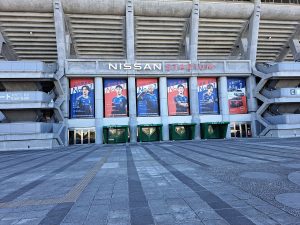
- National Stadium and Tokyo Metropolitan Sports Facilities Area: Sports facilities and event venues are nearby.
- New National Theatre (opera, ballet, etc.): A cultural center where you can enjoy performing arts.
- Harajuku/Omotesando area (somewhat of a walk): A convenient base for sightseeing with cafes and shopping.
Things to be aware of (crowds, manners, seasonal precautions, etc.)
- Be punctual: Noh performances often have restrictions on entry and exit due to scene changes and theatrical productions, so please arrive well before opening time.
- Photography and recording are prohibited: Taking photographs and recording video during the performance is strictly prohibited. Please follow the rules of the venue.
- Quietness/Mobile Phone Power Supply: Please make sure to turn off or silent mode on your mobile phone during the performance, and refrain from talking.
- Clothing and what to bring: No special attire is required, but it is recommended that you dress modestly and respectfully. Eating and drinking are prohibited inside the building.
- Crowds: Popular performances may sell out. We recommend purchasing tickets in advance or checking the official website beforehand.
- Seasonal notes: In summer, take precautions against the heat when traveling before and after your visit, and in winter, prepare for the cold. The theater is generally comfortable, but if you have to wait outside before the doors open, please be careful about your attire.
- Bringing children: Bringing small children with you may disrupt the viewing experience, so please check the age restrictions and performance information in advance.
*Please be sure to check the official website of the National Noh Theatre for the latest performance schedule, ticket information, access information, and rules within the theatre.