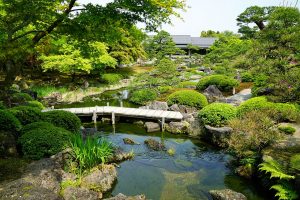
Overview (history, characteristics, attractions)
Nihonmatsu Castle (commonly known as Kasumigajo Castle) is the remains of a mountain castle built on a hill overlooking the city of Nihonmatsu, Fukushima Prefecture, and the surrounding area has been developed as Kasumigajo Park. It was the political center of the region from the Sengoku to Edo periods, and is also known for the anecdote of the "Nihonmatsu Youth Corps," a group of young samurai who fought bravely during the Boshin War. Many of the buildings were lost in fires and the Meiji era castle abolition order, but the stone walls, earthworks, views from the remains of the main enclosure, and seasonal nature (especially the cherry blossoms in spring and the autumn leaves) make this a spot where you can enjoy both history and scenery.
Highlights
- The stone walls and earthworks of the Honmaru and Ninomaru citadels: remains that give a real feel for the structure of a mountain castle. You can trace the layout of the castle from long ago while strolling around.
- Observation deck/viewing spot: Overlooks the city and the Abukuma mountain range. On clear days, you can see all the way to the distant mountains.
- Cherry Blossoms (Kasumigajo Park): In spring, around 1,000 cherry trees decorate the castle hill, and during the Cherry Blossom Festival, they are illuminated at night, making the park a lively place.
- Nihonmatsu Youth Corps Monument and Historical Site Information Board: There are historical sites and information boards related to the Boshin War, so you can learn about the history of the area.
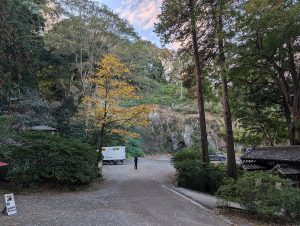
- Seasonal scenery: Enjoy the changing scenery of each season, from cherry blossoms in spring, fresh greenery in summer, autumn leaves, and snowy scenery in winter.
Access (nearest station, transportation, etc.)
- Nearest station: Nihonmatsu Station on the JR Tohoku Main Line
- How to get there from the station: The hiking route from Nihonmatsu Station takes about 20 to 30 minutes. If you are not confident in your physical strength, you can take a taxi (about 5 minutes) or a local bus.
- Access by car: Approximately 10 minutes from Nihonmatsu IC on the Tohoku Expressway (depending on road conditions). Parking is available around the park (may be full during peak season).
- Note about local traffic: Traffic restrictions and temporary parking lots may be in place during cherry blossom season and events. Please check Nihonmatsu City tourist information for the latest information.
Estimated stay (estimated time required)
- Walking around the castle ruins only: 30 minutes to 1 hour (if you go around the sightseeing route)
- Take your time to see the sights, including taking photos and taking breaks: 1-2 hours
- During cherry blossom festivals and other events: If you want to avoid the crowds, enjoy the food stalls, and enjoy the outdoor exhibits, you should plan on spending at least two hours.
Nearby spots
- Nihonmatsu City Historical Museum and Local History Museum: You can experience the region's historical materials and local culture.
- Mount Adatara: A natural spot where you can enjoy mountain climbing and hot springs (accessible by car).
- Hot spring resorts such as Dake Onsen and Tsuchiyu Onsen: Convenient bases for sightseeing and accommodation.
- Local restaurants and orchards: Enjoy seasonal fruit picking and local cuisine.
Things to be aware of (crowds, manners, seasonal precautions, etc.)
- Crowds: Parking spaces tend to be limited during the cherry blossom season in spring, Golden Week, and the autumn holidays. We recommend using public transportation.
- Footing and Clothing: Please wear comfortable shoes as there are stone steps and unpaved mountain paths. After rain or in winter, some areas can be slippery.
- Accessibility: As the route is on a hill, there are many steps and stairs, making it difficult to navigate in wheelchairs or with strollers. Please check the route in advance.
- Preservation and Manners: The ruins are valuable cultural assets. Please observe basic manners, such as not entering fenced or restricted areas and taking your trash with you.
- Seasonal precautions: In spring, the area will be crowded with people viewing cherry blossoms and pollen, while in winter, the area will be more dangerous due to freezing and snow. Please check the weather forecast and act appropriately.
- Crime and disaster prevention: As the surrounding area is in a mountainous region, there are places where mobile phone reception, toilets, and vending machines are limited. It is a good idea to carry water, a hat, a map, etc.
—
Nihonmatsu Castle (Kasumigajo Park) is a great spot for a stroll where history and nature blend together. Check out the seasonal attractions and event information before your visit to make your stay even more fulfilling.