Overview (history, characteristics, attractions)
Fujinomori Shrine is an ancient shrine located in Fushimi Ward, Kyoto City, which has long attracted worshippers for the protection of horses and good luck in victory. It is known for those praying for good fortune in battle, competitions, traffic safety, and passing exams, and is particularly well-known for being visited by many people involved in horse racing, athletes, and students taking exams. The shrine grounds are also famous for their irises, and in early summer many visitors flock to see the flowers. Ancient rituals and traditions are still handed down in the shrine buildings and festivals, and local festivals are also one of the highlights.
Highlights
- Horse-related beliefs and exhibits: Ema votive plaques, decorations, horse statues, etc. Worshippers come to pray for good luck and safe travels.
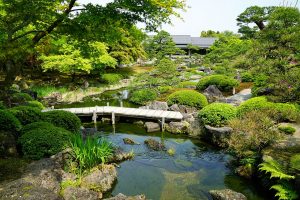
- Iris Garden: The beautiful iris clusters reach their peak between late May and early June each year, and are a popular spot for photography.
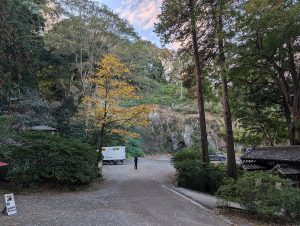
- The shrine building and grounds have a calm atmosphere that only an old shrine can have. The approach to the shrine, the chozuya (water purification fountain), and the surroundings of the shrine office are highlights.
- Amulets and temple seals: Amulets for good luck, traffic safety, protection from misfortune, etc. are available, and temple seals can also be received (during office hours).
- Annual events and festivals: Regular festivals, local Shinto rituals, events related to the iris season, etc. The dates change every year, so we recommend checking in advance.
Access (nearest station, transportation, etc.)
- Nearest station (approximate): Fujimori Station on the Keihan Railway is one of the closest stations. There are also JR and Kintetsu stations nearby, so depending on the line, it is convenient to walk or take a bus or taxi.
- City buses and taxis: Accessible by bus or taxi from various parts of Kyoto City. From Kyoto Station, the most common way to get there is by bus, subway, or train.
- By car: There may or may not be parking available near the temple grounds, so if you are coming by car, please check in advance whether parking is available.
- Note: Routes and travel times vary depending on the departure and arrival points. Please check the latest timetables and routes in advance using a map app or official information from each transportation company.
Estimated stay (estimated time required)
- Regular worship: 30 minutes to 1 hour (including visiting the shrine and receiving amulets and goshuin).
- If you want to enjoy viewing the irises and taking photos: Approximately 1 to 2 hours.
- During festivals and events: Depending on the crowds, you may have to stay longer. It is best to visit with plenty of time to spare.
Nearby spots
- Fushimi Inari Taisha: A shrine known nationwide for its thousand torii gates. It is easily accessible from Fujimori Shrine, and many tourists visit both.
- Fushimi Sake Breweries (Fushimi area): Dotted with long-established sake breweries and tours of sake breweries and tasting spots, you can enjoy history and food culture.
- Momoyama area (Fushimi Momoyama Castle, etc.): There are historical buildings and parks, making it a great place for a stroll.
- Uji area (Byodoin Temple, etc.): Although it is a bit far, it can be combined with other sightseeing routes in southern Kyoto.
Things to be aware of (crowds, manners, seasonal precautions, etc.)
- Crowds: The number of visitors increases during the peak iris viewing season and festivals. Please be considerate of others when taking photos or viewing the temple, and allow plenty of time to visit when it is crowded.
- Worship Manners: Please observe basic shrine etiquette, such as bowing once in front of the torii gate, purifying yourself with the water basin, and following the proper etiquette when visiting the worship hall (two bows, two claps, one bow). Please be quiet within the shrine grounds.
- Photography: Generally, photography is permitted outdoors, but photography may be restricted inside the worship hall or during religious ceremonies. Please follow the posted notices and instructions of the staff.
- Goshuin and other gifts: The shrine office has set reception hours. This may change during busy times or on festival days, so please allow plenty of time for your visit. In some cases, only cash is accepted.
- Seasonal Note: During the rainy season, the grounds of the temple grounds can become slippery. Please bring rain gear and non-slip shoes. Also, be sure to take precautions against the heat in summer and the cold in winter.
- Health and Safety: Be careful of the stone steps and unevenness on the approach to the shrine and within the grounds. Elderly people and those with small children should be especially careful.
*We recommend checking official information and tourist guides in advance for the latest information on festival dates, transportation access, and shrine office opening hours.