Overview (history, characteristics, attractions)
The Kojindani Ruins is a large-scale Yayoi period site located in Hikawa-cho, Izumo City, Shimane Prefecture. It attracted a lot of attention in 1984 when a collection of 358 bronze swords was unearthed in the wetlands and ditches of the valley. This large excavation is considered an extremely important discovery in considering the rituals and power structures of the Yayoi period, and the excavated items are currently preserved and exhibited, providing clues to the technology, trade, and religious background of the time.
The ruins are preserved as a historic site, with restored signs and explanatory panels, and excavated items are on display at museums in Shimane Prefecture.In addition to its archaeological value, the site is also attractive for its opportunity to experience the drama of its discovery amidst the tranquil rural scenery.
Highlights
- Display of remains at the site where a large number of bronze swords were discovered: The actual excavation site has been restored and displayed, making it easy to imagine the excavation conditions.
- Exhibition of excavated items (including exhibitions at nearby museums): There are detailed explanations of the discovered bronze swords, including photos and replicas, and diagrams of the excavation conditions. Many important materials are sometimes exhibited as permanent or special exhibitions at the Shimane Prefectural Museum of Ancient Izumo History and other facilities.
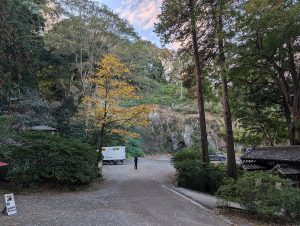
- Strolling around the field: The area around the ruins is a rural landscape, allowing you to stroll around and imagine the environment of the Yayoi period.
- Interpretation panels and guide boards: Provide easy-to-understand explanations of the excavation process, its archaeological significance, and the lifestyles and technology of the Yayoi period.
Access (nearest station, transportation, etc.)
- The nearest major station is Izumo-shi Station, the gateway to the Izumo region. Access by car is common from Izumo-shi Station.
- By car: Approximately 20-30 minutes from the center of Izumo city (depending on road conditions). Parking is often available on-site, but the number of spaces may be limited, so we recommend checking in advance.
- Public Transportation: Buses often run infrequently, so if you plan to use a bus, be sure to check the timetable in advance. If you are visiting for sightseeing, renting a car or using a taxi is convenient.
- From the airport: It is approximately 30 minutes by car from Izumo Enmusubi Airport (approximately). Traveling by rental car is smooth.
Estimated stay (estimated time required)
- Tour only (quickly look at the ruins and information boards): 30 minutes to 1 hour
- If you also visit the surrounding exhibition halls (excavated artifact exhibitions): 2 hours to half a day
- If you are interested in archaeology and want to learn more about it or if you want to include a walk: Half a day to a full day
Nearby spots
- Shimane Prefectural Museum of Ancient Izumo History (full of excavated artifacts and exhibits related to Izumo)
- Izumo Taisha Shrine (a nationally famous shrine. Accessible by car)
- The rural scenery and ancient tombs around Hikawa (suitable for historical walks in the area)
- Tourist spots in the Izumo/Matsue area, such as Lake Shinji and Matsue Castle (traveling around by car is recommended)
Things to be aware of (crowds, manners, seasonal precautions, etc.)
- Handling of protected areas: The ruins are subject to cultural heritage protection. Please do not enter any fenced or restricted areas. It is prohibited to touch or take away any remains or excavation sites.
- Taking photos of exhibits: Some museums that exhibit excavated items prohibit photography. Please follow the signs inside the museum.
- Transportation/Access: Public transportation is not very convenient in this area. Please consider renting a car or getting a taxi, especially on weekends and during peak tourist season.
- Seasonal notes: The weather is pleasant in spring and autumn, making it ideal for walking. In summer, you need to take precautions against the sun and heat, and in winter, pay attention to road conditions (snow and ice). The area around the ruins may become muddy when it rains.
- Crowds: The ruins themselves are not large, so they are not very crowded, but the number of visitors may increase during periods when there are special museum exhibitions.
Before visiting, it's a good idea to check the latest opening hours and transportation information on the official website or at a local tourist information center. Enjoy your time learning about the history of the area while thinking about the background to the excavation.