Overview (history, characteristics, attractions)
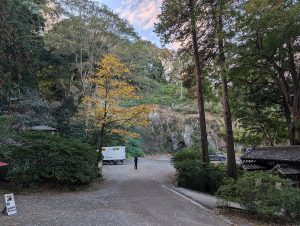
Tofukuji Temple, located in Higashiyama Ward, Kyoto City, is the head temple of the Tofukuji branch of the Rinzai sect of Buddhism and is a historic Zen temple founded in the Kamakura period (13th century). It was built at the request of the Kujo family (Kujo Doie), and was founded by the monk Enni (Shoichi Kokushi), who returned from Song China. The temple grounds are vast and are characterized by the layout of the temple buildings, dry landscape gardens, strolling gardens with a pond, and landscapes created by ancient trees.
It is especially known as a famous spot for viewing autumn foliage, and the maple trees along the valley as seen from Tsutenkyo Bridge are one of Kyoto's most popular sights. The temple is charming for its tranquil atmosphere unique to Zen temples and the natural beauty of the four seasons, and the garden, some of which was designed by modern gardener Mirei Shigemori, allows visitors to experience the fusion of history and modern art.
Highlights
- Tsutenkyo Bridge and autumn leaves in the valley: Tsutenkyo Bridge, which spans the stream (Sengyokukan) that flows through the temple grounds, is a famous spot for viewing the autumn foliage. The view from the bridge is breathtaking, and it attracts many tourists.
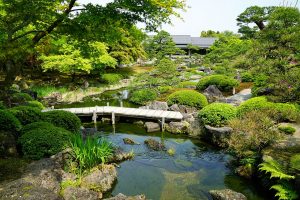
- Hojo Garden: A dry landscape garden with a pond and pond-shaped garden incorporating modern landscaping techniques such as those of Mirei Shigemori. It is a quiet space where you will want to sit and enjoy the view for a long time.
- Sanmon/GaranThe temple buildings, such as the imposing Sanmon Gate and main hall typical of Zen temples, retain a historical atmosphere.
- Sub-templesThere are several sub-temples, including Ryugin-an and Komyo-in, each with its own unique garden and teahouse (opening times vary for each sub-temple).
- Old trees and moss gardenThe grounds are dotted with large, old trees and moss-covered gardens, creating a charming atmosphere throughout the year.
Access (nearest station, transportation, etc.)
- Nearest station (JR): About 5-10 minutes on foot from Tofukuji Station on the JR Nara Line. One stop (about 2-3 minutes) from Kyoto Station on the JR Nara Line.
- Nearest station (Keihan): Accessible by foot or bus from Kiyomizu-Gojo or Gion-Shijo on the Keihan Main Line. Also accessible from Tofukuji Station on the Keihan Line (travel times vary depending on the line, so please check the map).
- Buses and taxis: Take a Kyoto city bus or taxi to the area around Tofukuji Temple. Using public transportation is recommended during the tourist season.
Estimated stay (estimated time required)
- Typical visit: 1-1.5 hours (to see all the main sights)
- If you want to enjoy the gardens and sub-temples at your own pace: 1.5 to 3 hours
- During the autumn foliage season and when it is crowded, waiting to enter and moving around can take time, so it is best to allow yourself at least 2-3 hours to be safe.
Nearby spots
- Fushimi Inari Taisha: A few train stops away, the world-famous shrine with its thousand torii gates.
- Kiyomizu-dera, Gion, and Higashiyama areas: Accessible by foot or bus. Convenient for strolling and visiting restaurants.
- Kyoto Station area: A transportation hub with convenient shopping and dining.
- Nanzenji Temple and Eikando Temple: A spot that can easily be incorporated into a course to see autumn leaves and tour Zen temples.
Things to be aware of (crowds, manners, seasonal precautions, etc.)
- congestion: It gets particularly crowded during the autumn foliage season (mid- to late November). If you visit early in the morning, just after the gates open, or on a weekday, you can enjoy the view at a leisurely pace.
- Photography and entry restrictions: There are areas within the temple grounds and sub-temples where photography is prohibited and access is restricted. Please follow the instructions of the signage and staff.
- Clothing and ease of walking: There are many areas on the temple grounds that require walking, such as stone pavement, slopes, and bridges. Please wear comfortable shoes.
- Visiting hours and public availability: Opening dates for the sub-temples and gardens are subject to change. Please check the official website or information in advance for the latest information.
- Etiquette and Manners: This is a religious facility. Please be quiet when visiting, and refrain from eating, drinking, or talking loudly on the premises.
- Seasonal precautions: Prepare for the cold in winter and rain gear during the rainy season. Be aware of temperature changes during the autumn foliage season.