Overview (history, characteristics, attractions)
Myoshinji Temple, located in Ukyo Ward, Kyoto City, is the head temple of the Myoshinji school of the Rinzai sect of Buddhism. It was founded in 1337 (the 4th year of the Kenmu era) by the Zen monk Kanzan Egen, and developed under the patronage of Ashikaga Takauji (the Ashikaga clan). The temple grounds are vast, and are characterized by the presence of temple buildings such as the main gate, abbot's chamber, and lecture hall, as well as numerous sub-temples known as tatchu (sub-temples). There are roughly several dozen sub-temples, and each has its own attractions such as gardens, paintings and calligraphy, and tea rooms, so the structure can also be described as a "collection of temples."
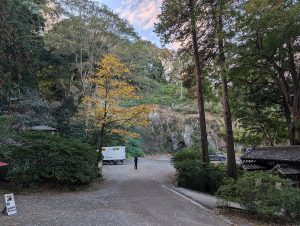
Its history and prestige as a Zen training center, as well as the tranquil atmosphere of its grounds, make it a popular destination for its seasonal garden scenery (especially in the spring and autumn foliage seasons), the beauty of its dry landscape gardens, and occasional special viewings and exhibitions of cultural assets.
Highlights
- The scale of the temple grounds: Even just taking a leisurely walk around the vast grounds, dotted with the mountain gate, abbot's chamber, lecture hall, and many sub-temples, is a sight to behold.
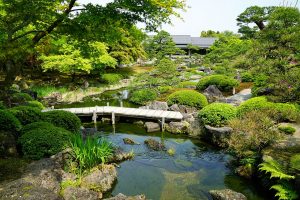
- Sub-temple gardens: Each sub-temple has its own unique garden, where you can enjoy a variety of garden designs, such as dry landscape gardens and pond-style gardens. Temples with beautifully designed gardens, such as Daisen-in, are particularly popular (admission and admission fees vary by sub-temple).
- Architecture and Cultural Assets: The temple houses historical buildings such as the abbot's chamber, Buddhist hall, and sutra repository, as well as temple treasures such as Buddhist statues and sliding door paintings. During special exhibitions, you may be able to see cultural assets that are not normally open to the public.
- A tranquil Zen space: During times when there are fewer visitors, you can enjoy a stroll or try zazen (this may or may not be available at each temple) while savoring the tranquility of Zen.
- Seasonal scenery: The fresh greenery of spring and the colorful leaves of autumn are particularly beautiful, attracting many photographers and worshippers.
Access (nearest station, transportation, etc.)
- Nearest station: About a 5-minute walk from Hanazono Station on the JR Sagano Line (Sanin Main Line) (time required varies depending on the exit and walking speed).
- From Kyoto Station: Take the JR Sagano Line to Hanazono Station (approximately 10 minutes + walk). You can also take a Kyoto City bus or taxi.
- By bus: Get off at Myoshinji or the surrounding bus stop on the Kyoto City Bus route (stop locations vary depending on the route, so it is recommended to check the route in advance).
- By car: Parking is often limited or requires a fee, and there are often traffic restrictions and congestion in the surrounding area, so we recommend using public transportation.
Estimated stay (estimated time required)
- Short time (just to get a feel for the atmosphere): 30 minutes to 1 hour
- Visiting several major sub-temples and hojo: 1 to 2 hours
- If you want to take your time to look around the gardens and special exhibitions: 2 hours or more
Nearby spots
- Ryoanji Temple (famous for its rock garden) — Accessible by foot or bus, this area is an easy combination visit from Myoshinji Temple.
- Ninna-ji Temple (World Heritage Site, Omuro Sakura) — A famous spot known for its historical buildings and cherry blossoms.
- Kinkakuji (Rokuonji) - A popular tourist destination in northwest Kyoto, accessible by bus.
- Arashiyama/Sagano area — A short walk away, you can enjoy nature and strolling along ancient roads.
Things to be aware of (crowds, manners, seasonal precautions, etc.)
- Check the admission information beforehand: The admission availability, hours, and admission fees for each sub-temple vary depending on the temple. Be sure to check the official website or guide for information on special opening periods and reservation requirements.
- Photography and Entry Restrictions: Photography and entry are prohibited inside some buildings and in some gardens. Please follow the posted notices and instructions of the staff.
- Dress Code and Manners: Temples are religious facilities. Please refrain from loud conversations, eating and drinking, or wearing a hat inside the building. Please worship and tour the temple quietly. Please also be mindful of where and how you take off your shoes inside the building.
- Busy times: It gets especially crowded during the autumn foliage season (mid- to late November) and cherry blossom season. If you want to take your time looking around, we recommend going on weekdays or in the morning.
- Ease of walking: The temple grounds have cobblestones, steps, and gravel paths in some places, so it's best to wear comfortable shoes.
- Eating, drinking and littering within the temple grounds are considered bad manners. Please use the nearby restaurants and benches, and take your trash with you or to the designated areas.
(Note) We recommend checking the official website of Myoshinji Temple and the information pages for each sub-temple for the latest information and opening schedules before your visit. Please respect the quiet Zen space and spend your time in a relaxed atmosphere.