Overview (history, characteristics, attractions)
Uesugi Shrine is a shrine located within Uesugi Park in Yonezawa City, Yamagata Prefecture, and enshrines the Uesugi clan (especially Uesugi Kenshin and the subsequent generations of the Uesugi family), who were the feudal lords of the Yonezawa Domain. Built on land associated with the Uesugi clan and located on the former site of Yonezawa Castle (the Uesugi clan's castle), it is characterized by its combination of castle ruins and parkland. The grounds and surrounding area are home to a statue of Uesugi Kenshin on horseback, historical sites, and museums, making it a popular tourist spot not only for history buffs but also for those wishing to enjoy the natural scenery of the four seasons.
Highlights
- Uesugi Kenshin Equestrian Statue: The large equestrian statue in Uesugi Park is a great photo spot. The powerful statue of the warrior and the natural scenery in the background are striking.
- The main hall and shrine building on the grounds: A place of faith and history of the Yonezawa domain. You can quietly worship here and feel the atmosphere of the past.
- Uesugi Museum (adjacent): Exhibits armor, ancient documents, arts and crafts related to the Uesugi family. Visiting the museum in addition to the shrine will deepen your understanding (separate admission fee required).
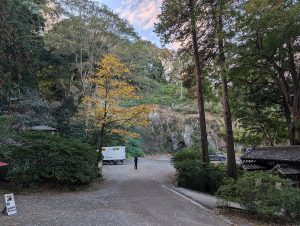
- Strolling around Uesugi Park: The cherry blossoms (spring) and autumn leaves (autumn) are beautiful, and you can enjoy a stroll along the stone walls and moat remains of the castle ruins.
- Uesugi Festival (Regular Spring Festival): The Uesugi Festival is held every April and features events such as a warrior procession, a procession in armor, and a period parade, creating a lively atmosphere (the date varies from year to year).
Access (nearest station, transportation, etc.)
- Nearest station: JR Yonezawa Station (Yamagata Shinkansen stops there).
- Access from the station: Approximately 15-25 minutes on foot. Approximately 5-10 minutes by taxi from the station. There may also be city loop buses and sightseeing shuttles operating (please check the schedule and operation).
- Access by car: Accessible from the Tohoku Chuo Expressway and national highways. There is a parking lot near Uesugi Park, but it may fill up during events and tourist seasons, so it is recommended to arrive early.
Estimated stay (estimated time required)
- Uesugi Shrine only: 30 minutes to 1 hour (including worship and taking photos of the surrounding area).
- Shrine + Uesugi Museum + stroll around the park: 1.5 to 2.5 hours (more than 2 hours if you want to take your time looking at the exhibits).
- During events such as the Uesugi Festival: Half a day to a full day (if viewing the processions and various events).
Nearby spots
- Uesugi Museum (Yonezawa City Uesugi Museum): Exhibits historical documents and art pieces owned by the Uesugi family.
- Denkoku no Mori (museum complex): A group of facilities where you can experience history and culture.
- Yonezawa Castle Ruins (castle ruins around Uesugi Shrine): Developed as a walking course.
- Nanokamachi (Shopping Street): A street lined with restaurants and souvenir shops. Many restaurants serve Yonezawa beef.
- Matsugasaki Park and surrounding historical sites: Enjoy a stroll through the area, which retains the atmosphere of a castle town.
Things to be aware of (crowds, manners, seasonal precautions, etc.)
- Crowds: The park is crowded during the cherry blossom season in spring, the autumn foliage season, the Uesugi Festival (annual festival) in April, and Golden Week. If you are visiting by car, be aware that the parking lot may be full, and we recommend using public transportation or leaving early.
- Worship Manners: Please observe the general worship etiquette at shrines (washing your hands, bowing twice, clapping twice, bowing once, etc.), and refrain from shouting, drinking alcohol, or leaving trash within the shrine grounds. Photography of cultural assets and exhibits may be prohibited outside of designated areas, so please follow the signs.
- Photography: While photography is permitted in many areas within temple grounds and parks, there may be restrictions on photography inside the main hall and museums. Flash photography of exhibits is often prohibited.
- Footing and Barrier-Free Access: The temple grounds and park have stone steps and slopes, so we recommend wearing comfortable walking shoes. Please note that there may be steps in some areas if you are using a wheelchair or stroller, so please check in advance.
- Weather precautions: In winter, snow and ice accumulate and the cold can be severe, so you will need to take measures to protect yourself from the cold and wear non-slip shoes. In spring and autumn, be aware of the changeable weather.
Uesugi Shrine is a spot where history and the natural beauty of the four seasons come together in harmony. Combine a visit to the shrine with a visit to the surrounding museums and historical sites to fully experience the history and culture of Yonezawa.
Estimated duration and length of stay
Uesugi Shrine is located within Uesugi Park, making it ideal for a quick and focused visit. If your main focus is on worshipping and taking photos of the main spots,Approximately 30 minutes to 1 hourUsing this as a guideline will make things smoother. Furthermore, if you want to deepen your understanding by including the Uesugi Museum (adjacent), then the whole picture will be more convenient.Approximately 1-2 hoursIt's reassuring to anticipate this. Incorporating time for strolling through the park to enjoy seasonal flowers and autumn foliage will increase your satisfaction.
An efficient route to take (model plan)
For those who want to get around without getting lost, here's an example of a route that can shorten your stay.
- First, an equestrian statueStart by entering from a place that's easy to take photos from, and get a feel for the atmosphere of the scenery.
- Next, the main shrine buildingWe will visit the shrine quietly and explore while feeling the historical context.
- Surrounding historical sitesConscious of the atmosphere of the castle ruins, I direct my gaze towards the stone walls and the remains of the moat.
- If you have time, visit the Uesugi Museum (adjacent).The exhibits, including armor and ancient documents, are linked to a visit to the shrine to deepen understanding.
- Finally, I took a stroll through Uesugi Park.I recommend ending your trip slowly during the cherry blossom season in spring or the autumn foliage season in fall.
Please check the official website before your visit for the latest information on exhibits and operations.