Plan Japan by practical travel questions
Find Japan travel spots, routes, and visit-duration guides.
Discover Japan organizes sightseeing spots and focused travel guides for first-time visitors. Start with a region, a place name, or a practical question such as how long to spend, what to eat, or how to plan a half-day route.
Search by travel question
Popular English travel guides
Planning guides travelers are already searching for
Start with focused answers for visit duration, half-day routes, ticket choices, family visits, airport food, and other practical decisions before you arrive.
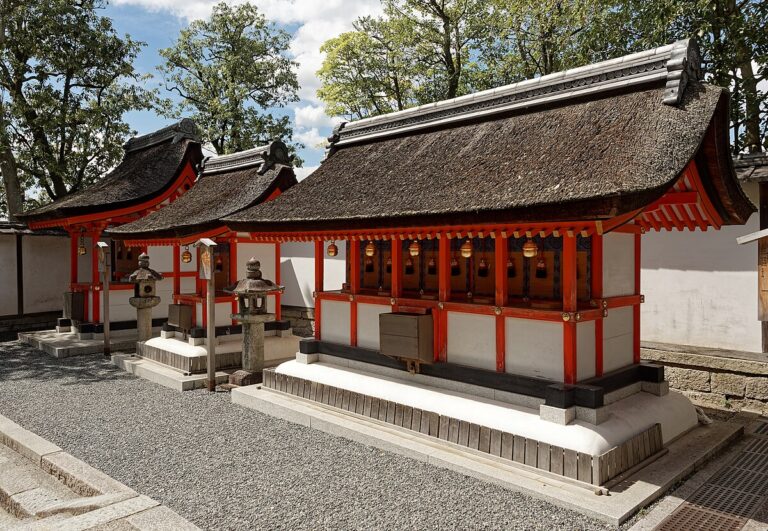 How Long to Spend at Fushimi Inari Taisha: 1, 2, or Half Day?
Most travelers need 1.5 to 2.5 hours at Fushimi Inari Taisha. Compare 1-hour, 2-hour, and half-day routes, crowd timing, access, and...
How Long to Spend at Fushimi Inari Taisha: 1, 2, or Half Day?
Most travelers need 1.5 to 2.5 hours at Fushimi Inari Taisha. Compare 1-hour, 2-hour, and half-day routes, crowd timing, access, and...
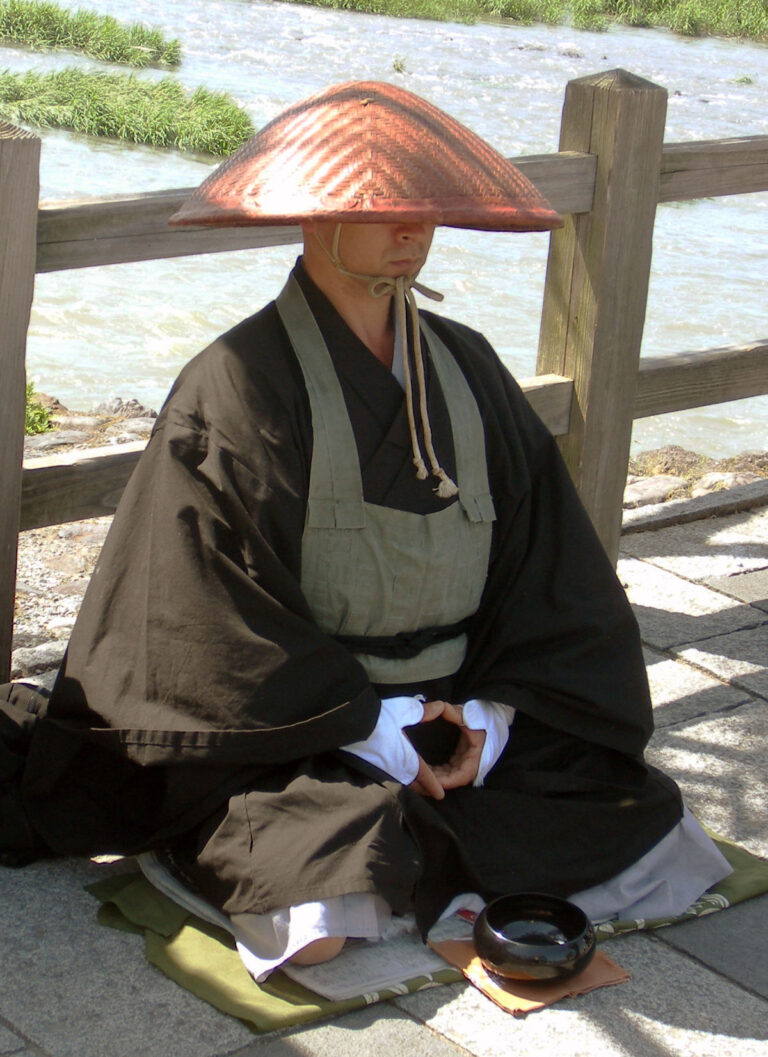 Arashiyama Half-Day Itinerary: Best Route, Time Needed, and Crowds
Follow a practical Arashiyama half-day itinerary for Kyoto: bamboo grove first, Togetsukyo Bridge, one temple or garden, time budget...
Arashiyama Half-Day Itinerary: Best Route, Time Needed, and Crowds
Follow a practical Arashiyama half-day itinerary for Kyoto: bamboo grove first, Togetsukyo Bridge, one temple or garden, time budget...
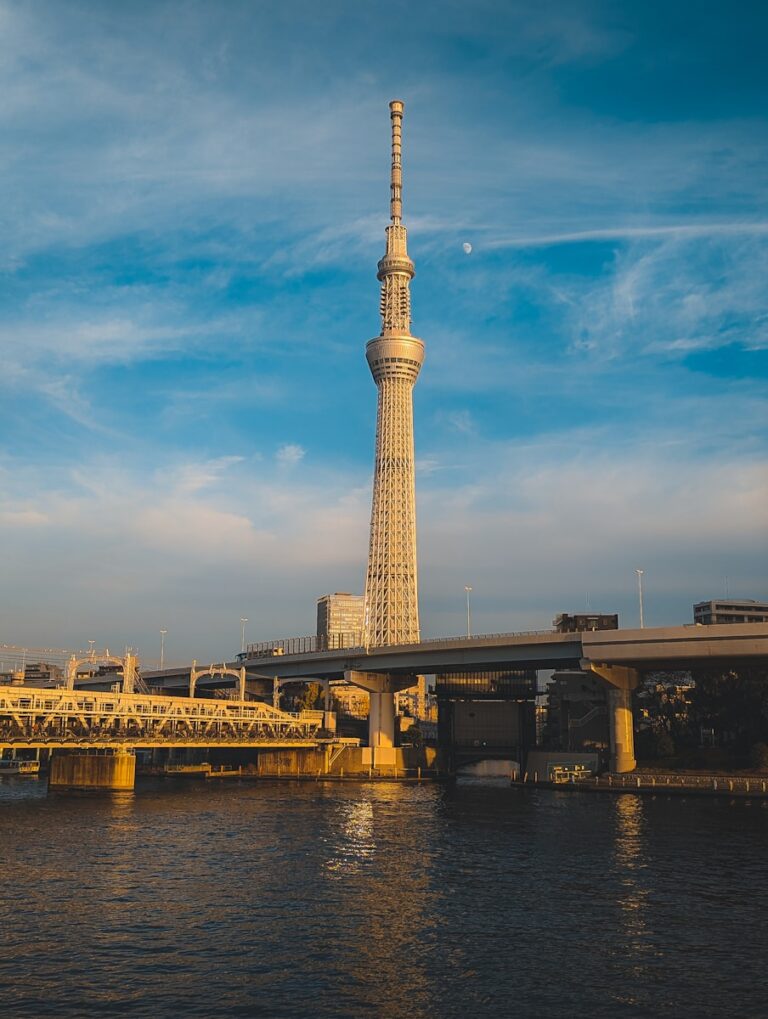 Tokyo Skytree Tembo Deck vs Galleria: Which Ticket Is Worth It?
Compare Tokyo Skytree Tembo Deck and Tembo Galleria by view, price, time needed, weather risk, and who should pay for the higher 450...
Tokyo Skytree Tembo Deck vs Galleria: Which Ticket Is Worth It?
Compare Tokyo Skytree Tembo Deck and Tembo Galleria by view, price, time needed, weather risk, and who should pay for the higher 450...
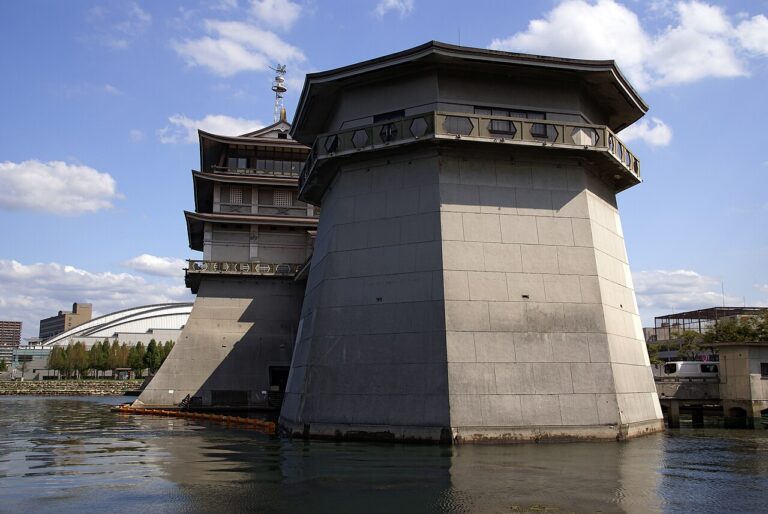 Lake Biwa Museum with Kids: Time Needed, Highlights, and Family Tips
Plan Lake Biwa Museum with kids: how long to stay, best exhibits for families, rainy-day tips, access planning, and nearby Lake Biwa...
Lake Biwa Museum with Kids: Time Needed, Highlights, and Family Tips
Plan Lake Biwa Museum with kids: how long to stay, best exhibits for families, rainy-day tips, access planning, and nearby Lake Biwa...
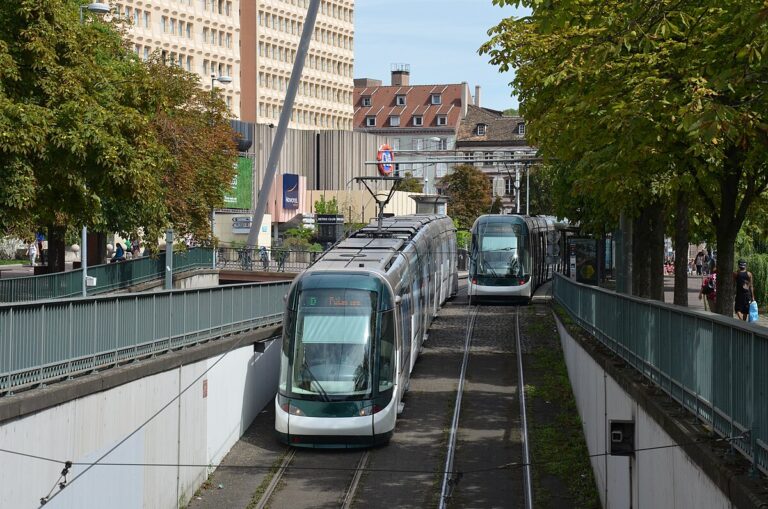 Things to Do at New Chitose Airport Before Your Flight
Plan things to do at New Chitose Airport before your flight: food, souvenirs, Royce Chocolate World, onsen, theater, time needed, an...
New Chitose Airport Food Guide: What to Eat Before Your Flight
What to eat at New Chitose Airport before your flight, including ramen, seafood, sweets, souvenirs, Royce Chocolate World, timing, a...
Things to Do at New Chitose Airport Before Your Flight
Plan things to do at New Chitose Airport before your flight: food, souvenirs, Royce Chocolate World, onsen, theater, time needed, an...
New Chitose Airport Food Guide: What to Eat Before Your Flight
What to eat at New Chitose Airport before your flight, including ramen, seafood, sweets, souvenirs, Royce Chocolate World, timing, a...
New spots
-

Cape Chikyu (Muroran, Hokkaido)
Overview (History, Features, and Attractions) Cape Chikyu is a scenic spot on the Pacific coast of Muroran, Hokkaido. Its name comes from the image of a vast expanse of ocean so vast it makes the Earth appear round. Its greatest attraction is the view of the endless ocean and horizon beyond the cliffs... -
Yutoku Inari Shrine (Kashima City, Saga Prefecture)
Overview (History, Features, and Attractions) Yutoku Inari Shrine is one of the most representative Inari shrines in Kashima City, Saga Prefecture. Founded in the Edo period, it has attracted worshippers as the guardian deity of the Saga domain and the local commerce, industry, and fishing industries. The vermilion-lacquered shrine buildings line the mountainside, creating a beautiful landscape... -
Sado Island (Sado City, Niigata Prefecture)
Overview (History, Features, and Attractions) Sado Island (Sado City, Niigata Prefecture), located on the Sea of Japan coast of Honshu, is the sixth largest island in Japan. It is a tourist destination blessed with abundant nature and a unique culture and history. From the Middle Ages to the Edo period, the island prospered through gold and silver mining, and the Sado Gold Mine in particular became an important resource for the Edo Shogunate. Also... -
Oarai Isosaki Shrine (Oarai Town, Higashiibaraki District, Ibaraki Prefecture)
Overview (History, Features, and Attractions) Oarai Isosaki Shrine is a seaside shrine in Oarai Town, Higashiibaraki District, Ibaraki Prefecture. It has long been worshipped as the god of maritime safety and the protection of the fishing industry. As its name suggests, the shrine is uniquely located facing the "iso" (rocky shore), and is particularly known for its "Kamiiso" (sacred iso) statue standing on the sea... -
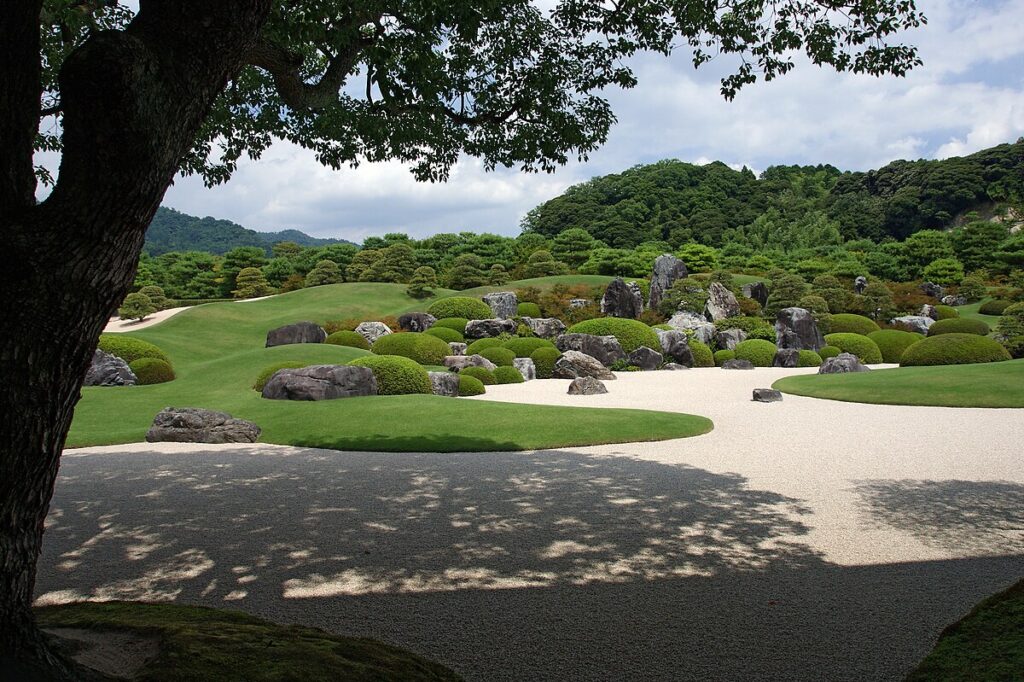
Adachi Museum of Art (Yasugi City, Shimane Prefecture)
Overview (History, Features, and Attractions) The Adachi Museum of Art (Yasugi City, Shimane Prefecture) is an art museum where visitors can enjoy a collection of art, primarily modern Japanese paintings, and a Japanese garden that changes with the seasons. Since its founding, the museum has upheld the philosophy of "harmony between gardens and art," and has positioned the garden as an important part of the exhibition space... -
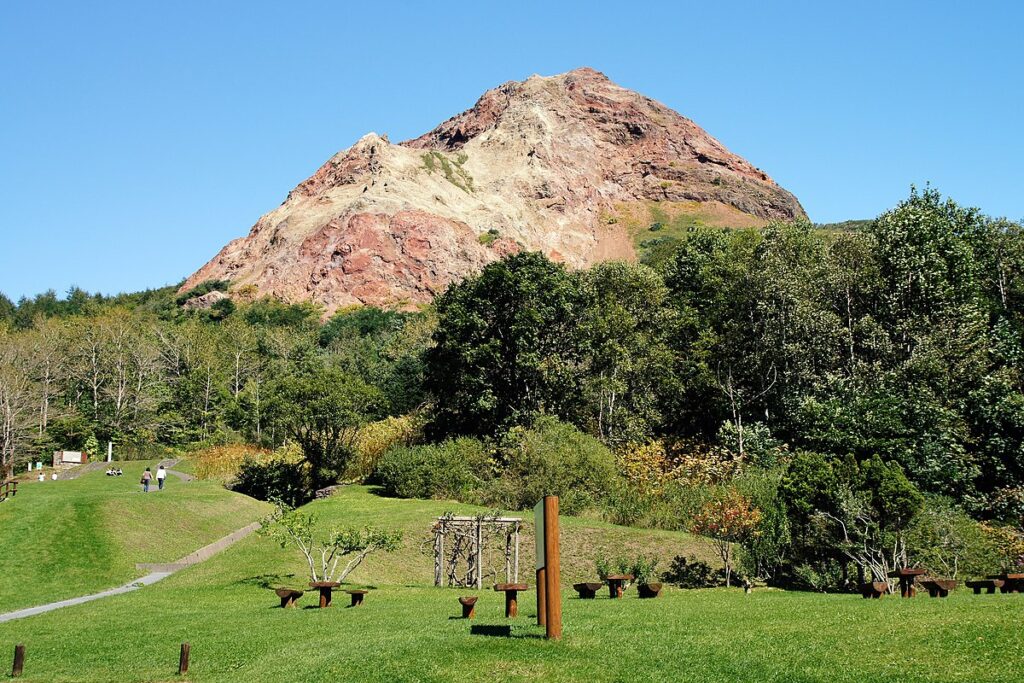
Showa Shinzan (Sobetsu Town, Hokkaido)
Overview (History, Features, and Attractions) Showa Shinzan is a lava dome-shaped volcanic formation located in Sobetsu Town, near Lake Toya, on the southern foot of Mount Usu in Hokkaido. It was formed in 1943 (Showa 18) when the ground surface rose due to seismic activity, and the following year... -
Ryujin Suspension Bridge (Daigo Town, Ibaraki Prefecture)
Overview (History, Features, and Attractions) The Ryujin Grand Suspension Bridge is a pedestrian-only suspension bridge located in Daigo Town, Kuji District, Ibaraki Prefecture. It spans a deep gorge (Ryujin Gorge) and offers panoramic views of the surrounding mountains and streams. It's a popular tourist spot where you can enjoy the changing scenery of the seasons. -
Senjojiki Cirque (Komagane City, Nagano Prefecture)
Overview (History, Features, and Attractions) Senjojiki Cirque is a glacial landform (a cirque) in the Central Alps (around Mount Kiso-Koma) located in Komagane City, Nagano Prefecture. Its unique landscape, combining a wide rocky area carved by glaciers with a grassland of alpine plants, is a highlight of the area. -
Eiheiji Temple (Eiheiji Town, Fukui Prefecture)
Eiheiji (Eiheiji Town, Fukui Prefecture) Overview (History, Features, and Attractions) Eiheiji is one of Japan's leading Zen temples, founded in 1244 by Zen Master Dogen, the founder of the Soto sect. Located in Eiheiji Town, Fukui Prefecture, it is one of the main temples of the Soto sect and remains a place where many monks train... -
Ushiku Daibutsu (Ushiku City, Ibaraki Prefecture)
Overview (History, Features, and Attractions) The Ushiku Daibutsu (Great Buddha of Ushiku) is a gigantic bronze statue located in Ushiku City, Ibaraki Prefecture, and was completed in 1993. At approximately 120 meters in height, it was the tallest statue in the world at the time of its completion (and has since become a landmark that ranks alongside other famous Buddha statues around the world). The interior is hollow...