Plan Japan by practical travel questions
Find Japan travel spots, routes, and visit-duration guides.
Discover Japan organizes sightseeing spots and focused travel guides for first-time visitors. Start with a region, a place name, or a practical question such as how long to spend, what to eat, or how to plan a half-day route.
Search by travel question
Popular English travel guides
Planning guides travelers are already searching for
Start with focused answers for visit duration, half-day routes, ticket choices, family visits, airport food, and other practical decisions before you arrive.
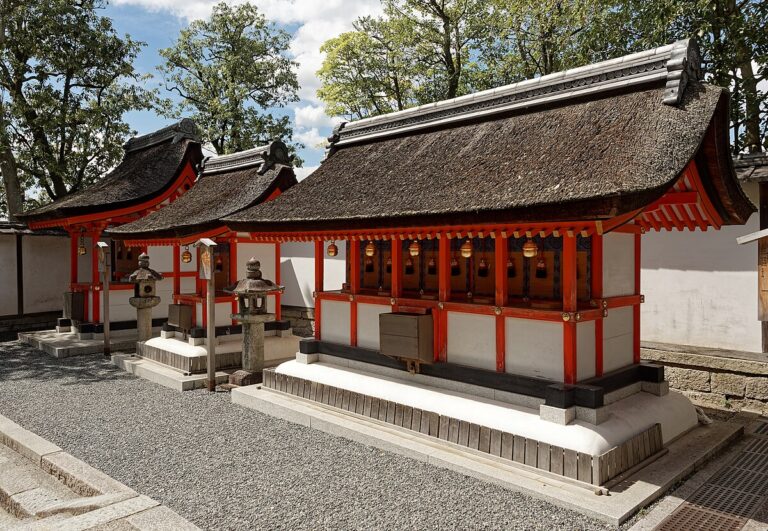 How Long to Spend at Fushimi Inari Taisha: 1, 2, or Half Day?
Most travelers need 1.5 to 2.5 hours at Fushimi Inari Taisha. Compare 1-hour, 2-hour, and half-day routes, crowd timing, access, and...
How Long to Spend at Fushimi Inari Taisha: 1, 2, or Half Day?
Most travelers need 1.5 to 2.5 hours at Fushimi Inari Taisha. Compare 1-hour, 2-hour, and half-day routes, crowd timing, access, and...
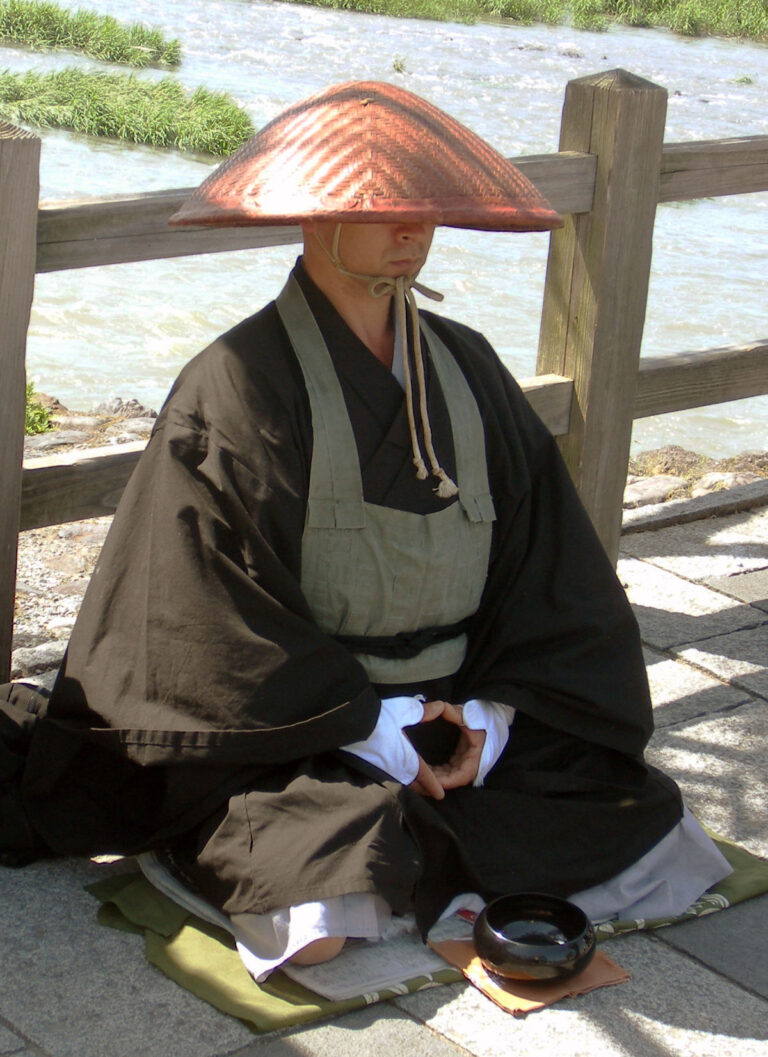 Arashiyama Half-Day Itinerary: Best Route, Time Needed, and Crowds
Follow a practical Arashiyama half-day itinerary for Kyoto: bamboo grove first, Togetsukyo Bridge, one temple or garden, time budget...
Arashiyama Half-Day Itinerary: Best Route, Time Needed, and Crowds
Follow a practical Arashiyama half-day itinerary for Kyoto: bamboo grove first, Togetsukyo Bridge, one temple or garden, time budget...
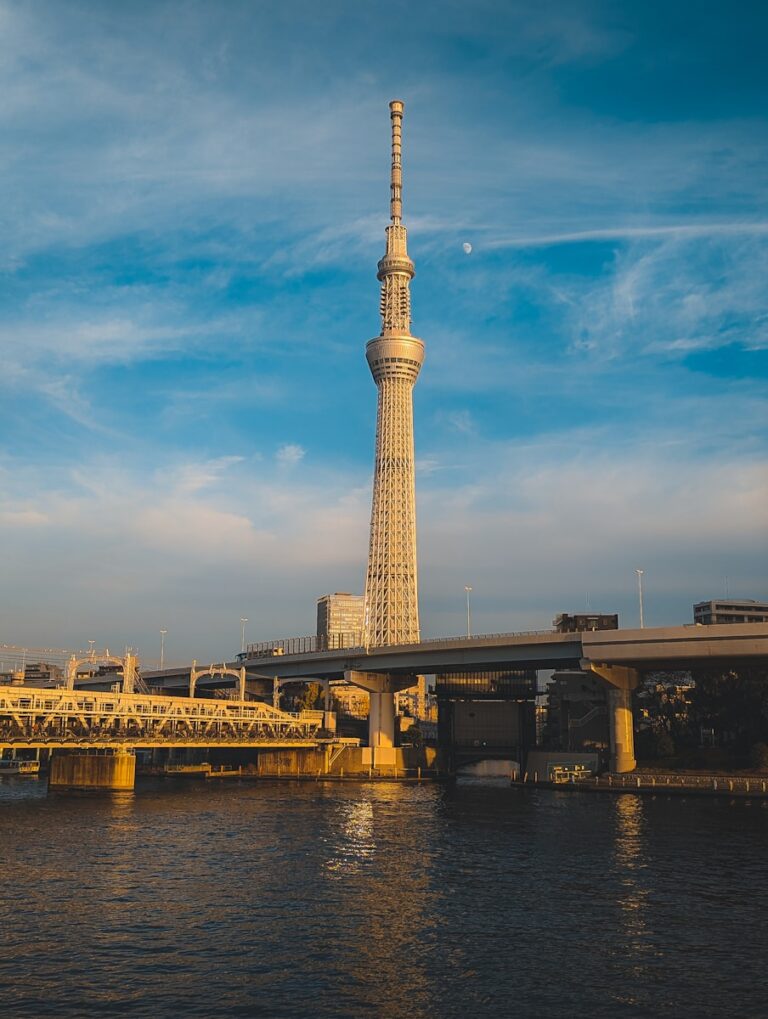 Tokyo Skytree Tembo Deck vs Galleria: Which Ticket Is Worth It?
Compare Tokyo Skytree Tembo Deck and Tembo Galleria by view, price, time needed, weather risk, and who should pay for the higher 450...
Tokyo Skytree Tembo Deck vs Galleria: Which Ticket Is Worth It?
Compare Tokyo Skytree Tembo Deck and Tembo Galleria by view, price, time needed, weather risk, and who should pay for the higher 450...
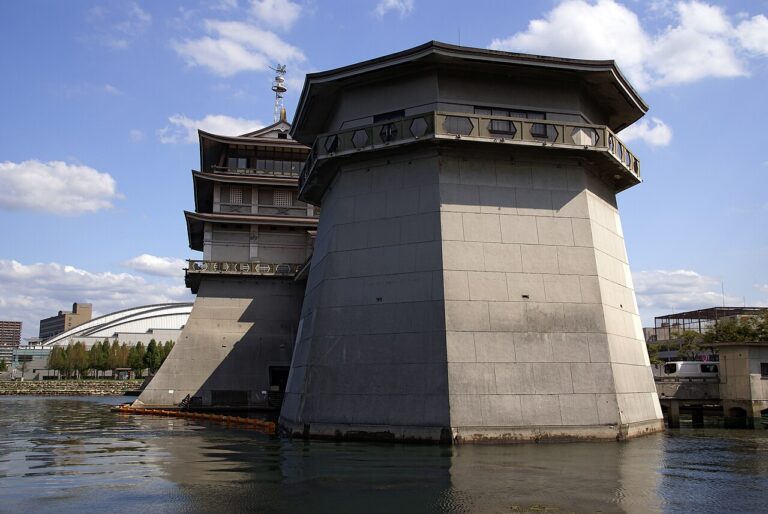 Lake Biwa Museum with Kids: Time Needed, Highlights, and Family Tips
Plan Lake Biwa Museum with kids: how long to stay, best exhibits for families, rainy-day tips, access planning, and nearby Lake Biwa...
Lake Biwa Museum with Kids: Time Needed, Highlights, and Family Tips
Plan Lake Biwa Museum with kids: how long to stay, best exhibits for families, rainy-day tips, access planning, and nearby Lake Biwa...
 Things to Do at New Chitose Airport Before Your Flight
Plan things to do at New Chitose Airport before your flight: food, souvenirs, Royce Chocolate World, onsen, theater, time needed, an...
New Chitose Airport Food Guide: What to Eat Before Your Flight
What to eat at New Chitose Airport before your flight, including ramen, seafood, sweets, souvenirs, Royce Chocolate World, timing, a...
Things to Do at New Chitose Airport Before Your Flight
Plan things to do at New Chitose Airport before your flight: food, souvenirs, Royce Chocolate World, onsen, theater, time needed, an...
New Chitose Airport Food Guide: What to Eat Before Your Flight
What to eat at New Chitose Airport before your flight, including ramen, seafood, sweets, souvenirs, Royce Chocolate World, timing, a...
New spots
-

Arima Onsen (Kobe City, Hyogo Prefecture)
Arima Onsen (Kobe City, Hyogo Prefecture) Overview (History, Features, and Attractions) Arima Onsen, located in Kita Ward, Kobe City, Hyogo Prefecture, is one of Japan's most historic hot spring resorts. It has long been considered one of the "Three Oldest Hot Springs of Japan," and has such a long history that it has even appeared in waka poetry and historical texts. Its waters are characterized by their iron and salt content... -
Gujo Hachiman Castle (Gujo City, Gifu Prefecture)
Overview (History, Features, and Attractions) Gujo Hachiman Castle is a mountain castle built on the small hill of Mt. Hachiman (approximately 350m above sea level) in Gujo Hachiman, Gujo City, Gifu Prefecture. It is a symbol of Gujo Hachiman, known for its old castle town and clear streams. From the Sengoku to Edo periods, the castle changed hands several times, and the town and... -
Lake Yamanaka (Yamanakako Village, Minamitsuru District, Yamanashi Prefecture)
Overview (History, Features, and Attractions) Lake Yamanaka, located in Yamanakako Village, Minamitsuru District, Yamanashi Prefecture, is one of the Fuji Five Lakes and is the largest of the five lakes in terms of water area. Located at an elevation of approximately 980 meters, it is famous nationwide as a viewpoint for Mount Fuji, with views across the lake. The lake is relatively flat, and a well-maintained circular trail is available. -
Tsurumi Ryokuchi Park (Tsurumi Ward, Osaka City, Osaka Prefecture)
Overview (History, Features, and Attractions) Tsurumi Ryokuchi Park (official name: Hanahaku Memorial Park Tsurumi Ryokuchi) is a vast urban park located in Tsurumi Ward, Osaka City. It was developed as one of the venues for the 1990 International Garden and Greenery Exposition (Hana no Banpaku/Hanahaku), and the park utilizes the site... -
Udo Shrine (Nichinan City, Miyazaki Prefecture)
Udo Shrine (Nichinan City, Miyazaki Prefecture) Overview (History, Features, and Attractions) Udo Shrine is a unique shrine with its main hall housed in a sea cavern carved into the cliffs of the Nichinan Coast. In ancient times, it was worshipped as a god of protection of the sea, safe voyages, safe childbirth, and matchmaking. The main deity is the Udo-jingu... -
Awa Odori Hall (Tokushima City, Tokushima Prefecture)
Overview (History, Features, and Attractions) The Awa Odori Kaikan (Awa Odori Kaikan), located in the center of Tokushima City, is a facility where you can learn about and experience the culture of Awa Odori. In addition to learning about the history of Awa Odori and the mechanics of the dance and music through exhibits, there is also a performance stage, an experience corner, a souvenir shop, a video corner, and more... -
Mount Nokogiri (Kyonan Town, Awa District, Chiba Prefecture)
Overview (History, Features, and Attractions) Mount Nokogiri is a mountain located in Kyonan Town, Awa District, Chiba Prefecture, with an elevation of approximately 329 meters. As its name suggests, the mountain is characterized by its sawtooth-like rock surface. It has long been used as a quarry, and the carved cliffs and quarry marks create a unique landscape. -
Nikko Cedar Avenue (Nikko City, Tochigi Prefecture)
Overview (History, Features, and Attractions) Nikko Cedar Avenue is a cedar-lined avenue that runs through Nikko City, Tochigi Prefecture. It is said to have originated in the Edo period when trees were planted along the road to Nikko Toshogu Shrine and other destinations. The avenue is lined with large trees, some hundreds of years old, stretching for approximately 30-37 km and containing over 10,000 trees. -
Moerenuma Park (Higashi Ward, Sapporo, Hokkaido)
Overview (History, Features, and Attractions) Moerenuma Park is a vast, comprehensive park located in Higashi Ward, Sapporo, known for its overall design by American sculptor and designer Isamu Noguchi. The area around Moerenuma, which was originally reclaimed land and reclaimed land, has been redeveloped... -
Ikaho Hot Springs (Shibukawa City, Gunma Prefecture)
Overview (History, Features, and Attractions) Ikaho Onsen is an ancient hot spring resort located in Shibukawa City, Gunma Prefecture, characterized by its stone steps and two types of spring water. Its origins as a hot spring resort date back to ancient times, and it has long been popular as a therapeutic hot spring resort. Since the Edo period, a district of inns and pilgrimage routes have been developed. The hot spring town...