Plan Japan by practical travel questions
Find Japan travel spots, routes, and visit-duration guides.
Discover Japan organizes sightseeing spots and focused travel guides for first-time visitors. Start with a region, a place name, or a practical question such as how long to spend, what to eat, or how to plan a half-day route.
Search by travel question
Popular English travel guides
Planning guides travelers are already searching for
Start with focused answers for visit duration, half-day routes, ticket choices, family visits, airport food, and other practical decisions before you arrive.
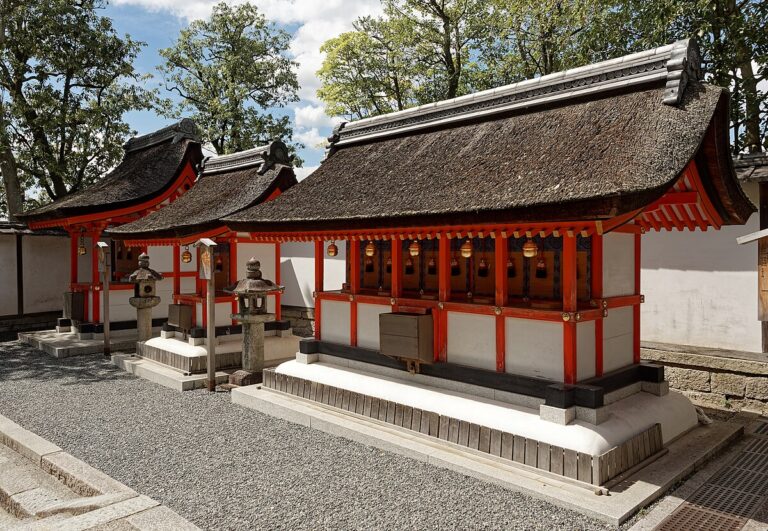 How Long to Spend at Fushimi Inari Taisha: 1, 2, or Half Day?
Most travelers need 1.5 to 2.5 hours at Fushimi Inari Taisha. Compare 1-hour, 2-hour, and half-day routes, crowd timing, access, and...
How Long to Spend at Fushimi Inari Taisha: 1, 2, or Half Day?
Most travelers need 1.5 to 2.5 hours at Fushimi Inari Taisha. Compare 1-hour, 2-hour, and half-day routes, crowd timing, access, and...
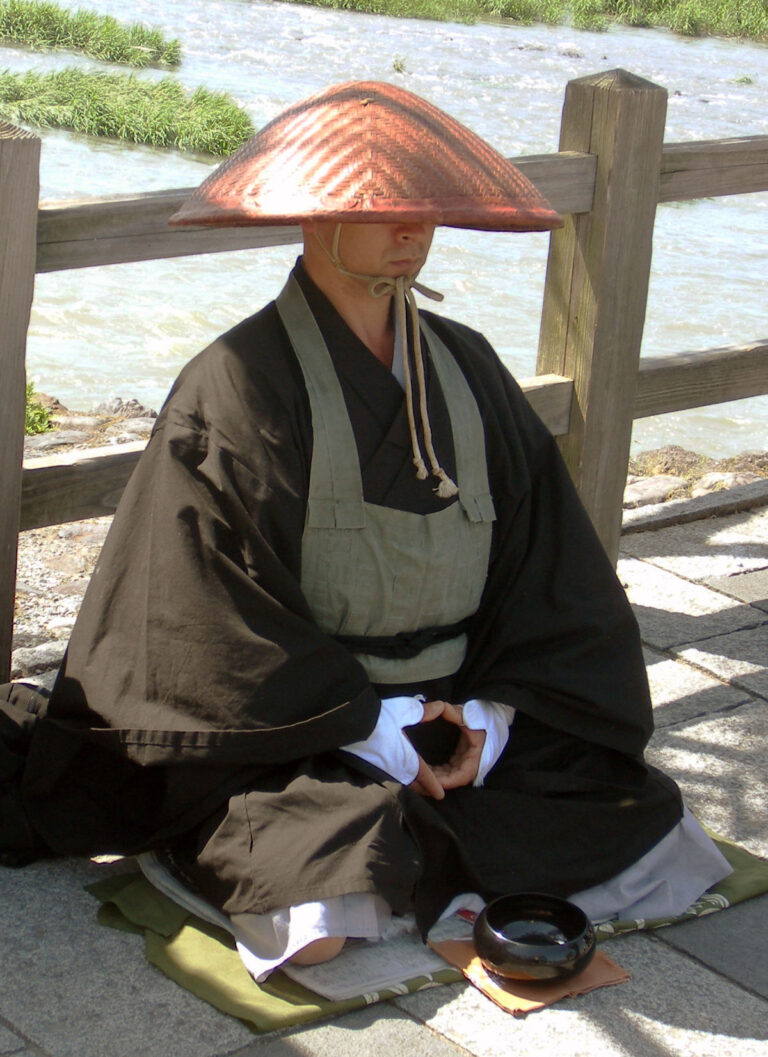 Arashiyama Half-Day Itinerary: Best Route, Time Needed, and Crowds
Follow a practical Arashiyama half-day itinerary for Kyoto: bamboo grove first, Togetsukyo Bridge, one temple or garden, time budget...
Arashiyama Half-Day Itinerary: Best Route, Time Needed, and Crowds
Follow a practical Arashiyama half-day itinerary for Kyoto: bamboo grove first, Togetsukyo Bridge, one temple or garden, time budget...
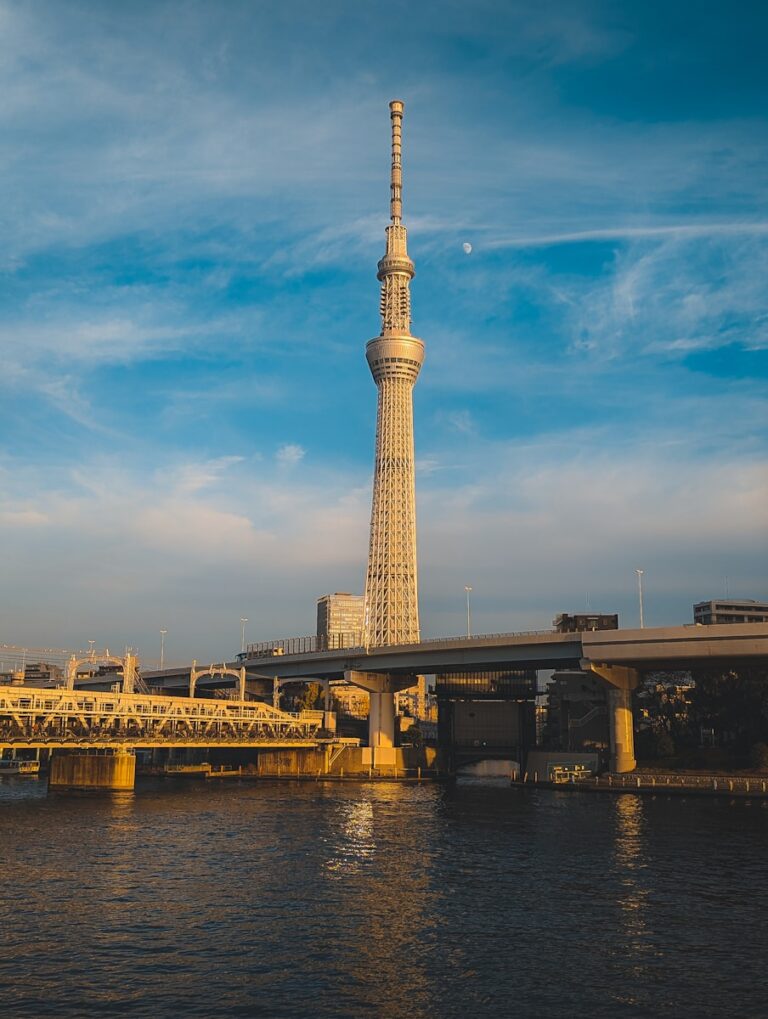 Tokyo Skytree Tembo Deck vs Galleria: Which Ticket Is Worth It?
Compare Tokyo Skytree Tembo Deck and Tembo Galleria by view, price, time needed, weather risk, and who should pay for the higher 450...
Tokyo Skytree Tembo Deck vs Galleria: Which Ticket Is Worth It?
Compare Tokyo Skytree Tembo Deck and Tembo Galleria by view, price, time needed, weather risk, and who should pay for the higher 450...
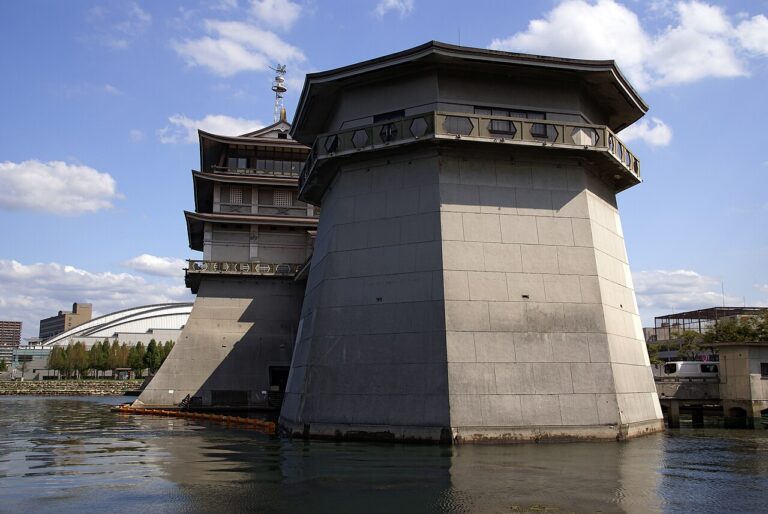 Lake Biwa Museum with Kids: Time Needed, Highlights, and Family Tips
Plan Lake Biwa Museum with kids: how long to stay, best exhibits for families, rainy-day tips, access planning, and nearby Lake Biwa...
Lake Biwa Museum with Kids: Time Needed, Highlights, and Family Tips
Plan Lake Biwa Museum with kids: how long to stay, best exhibits for families, rainy-day tips, access planning, and nearby Lake Biwa...
 Things to Do at New Chitose Airport Before Your Flight
Plan things to do at New Chitose Airport before your flight: food, souvenirs, Royce Chocolate World, onsen, theater, time needed, an...
New Chitose Airport Food Guide: What to Eat Before Your Flight
What to eat at New Chitose Airport before your flight, including ramen, seafood, sweets, souvenirs, Royce Chocolate World, timing, a...
Things to Do at New Chitose Airport Before Your Flight
Plan things to do at New Chitose Airport before your flight: food, souvenirs, Royce Chocolate World, onsen, theater, time needed, an...
New Chitose Airport Food Guide: What to Eat Before Your Flight
What to eat at New Chitose Airport before your flight, including ramen, seafood, sweets, souvenirs, Royce Chocolate World, timing, a...
New spots
-

Onuma Park (Nanae Town, Kameda District, Hokkaido)
■ Overview (History, Features, and Attractions) Onuma Park (Nanae Town, Kameda District, Hokkaido) is a scenic park dotted with lakes and small islands at the foot of Mount Komagatake. It is said to have been formed by changes in the topography caused by the eruption and volcanic activity of Mount Komagatake during the Edo period. Large and small islands, the grassy lakeside, and the majestic Mount Komagatake are interwoven... -
Nagoya Castle Ruins (Karatsu City, Saga Prefecture)
Nagoya Castle Ruins (Karatsu City, Saga Prefecture) Overview (History, Features, and Attractions) Nagoya Castle Ruins is the site of a castle built by Toyotomi Hideyoshi as a base for his invasion of Korea (the Bunroku-Keicho War, 1592-1598). Stone walls, earthen platforms for enclosures, and moat remains remain, along with the remains of many feudal lord camps and military bases from that time. -
Fuji-Q Highland (Fujiyoshida City, Yamanashi Prefecture)
Overview (History, Features, and Attractions) Fuji-Q Highland (Fujiyoshida City, Yamanashi Prefecture) is a large amusement park located at the foot of Mount Fuji. It is known for its thrilling roller coasters, family areas, events, and seasonal events. Since 1996, it has introduced a series of large coasters, and has become known as "High... -
Toshodaiji Temple (Nara City, Nara Prefecture)
Overview (History, Features, and Attractions) Toshodaiji Temple, located in Nara City, is one of the ancient temples representative of the Tenpyo culture. It was founded by the monk Ganjin. Ganjin was a high priest who came from China (Tang Dynasty) and introduced the Ritsu sect of Buddhism to Japan. He was born in 759 as a Toshodaiji... -
Fuji Safari Park (Susono City, Shizuoka Prefecture)
Overview (History, Features, and Attractions) Fuji Safari Park is a large safari park located in Susono City, Shizuoka Prefecture. Taking advantage of its location at the foot of Mount Fuji, the park offers a natural environment where visitors can observe a wide variety of animals up close. Since its opening in the Showa period, the park has been home to a "drive-through" tour, where visitors can tour the park from their own car. -
Tenryu-ji Temple (Ukyo Ward, Kyoto City, Kyoto Prefecture)
Tenryuji Temple (Ukyo Ward, Kyoto City, Kyoto Prefecture) Overview (History, Features, and Attractions) Tenryuji Temple is the head temple of the Tenryuji branch of the Rinzai sect of Buddhism, founded in 1339 (Ryakuo 2) during the Muromachi period. It was built by Ashikaga Takauji to console the spirit of Emperor Godaigo. It is also registered as a component of the World Heritage Site "Historic Monuments of Ancient Kyoto.". -
Cape Sata (Minamiosumi Town, Kagoshima Prefecture)
Overview (History, Features, Attractions) Cape Sata is a cape located in Minami-Osumi Town, Kimotsuki District, Kagoshima Prefecture, and is known as the southernmost point on the Kyushu mainland (the mainland consisting of Honshu, Shikoku, and Kyushu). Its cliffs jutting out into the Pacific Ocean and expansive ocean views are captivating, and the tip of the cape is home to a monument, observation deck, and strolling area. -
Shinhotaka Ropeway (Takayama City, Gifu Prefecture)
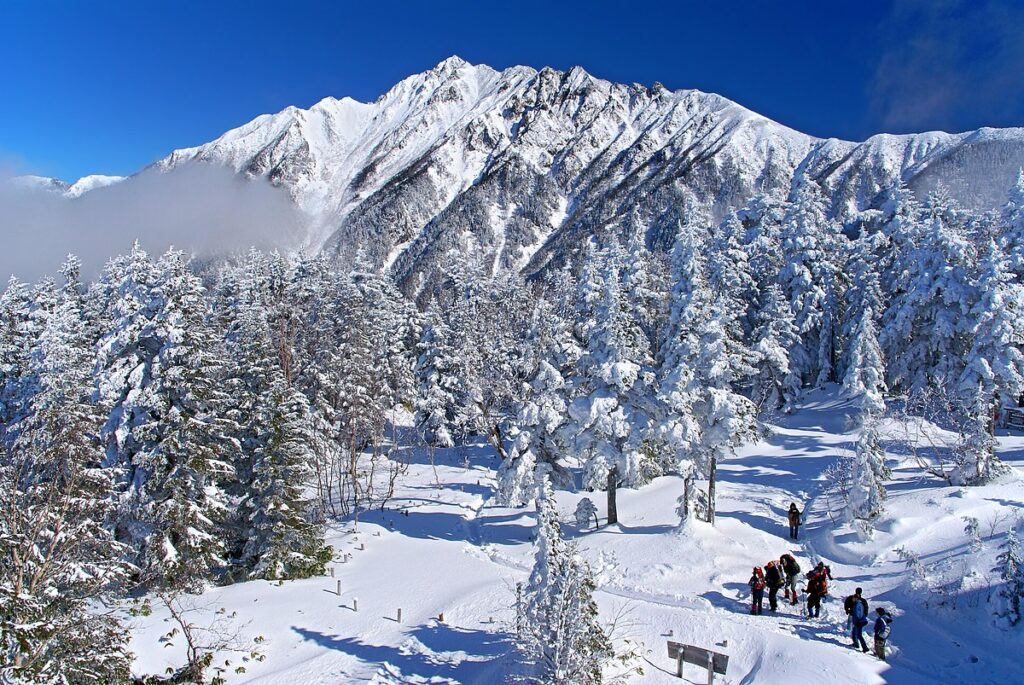
Overview (History, Features, and Attractions) The Shinhotaka Ropeway is a two-stage (two consecutive) ropeway located in the Oku-Hida Onsen area of Takayama City, Gifu Prefecture. Its greatest attraction is its close-up views of the majestic Northern Alps (Hida Mountains). -
Odaiba Seaside Park (Odaiba, Minato Ward, Tokyo)
Overview (History, Features, and Attractions) Odaiba Seaside Park is an artificial seaside park facing Tokyo Bay, boasting an open landscape with panoramic views of the Rainbow Bridge and Tokyo Bay. The Odaiba area itself originated as a remnant of the Edo period battery (battery), and in the 20th century... -
Shinjuku Gyoen National Garden (Shinjuku Ward, Tokyo)
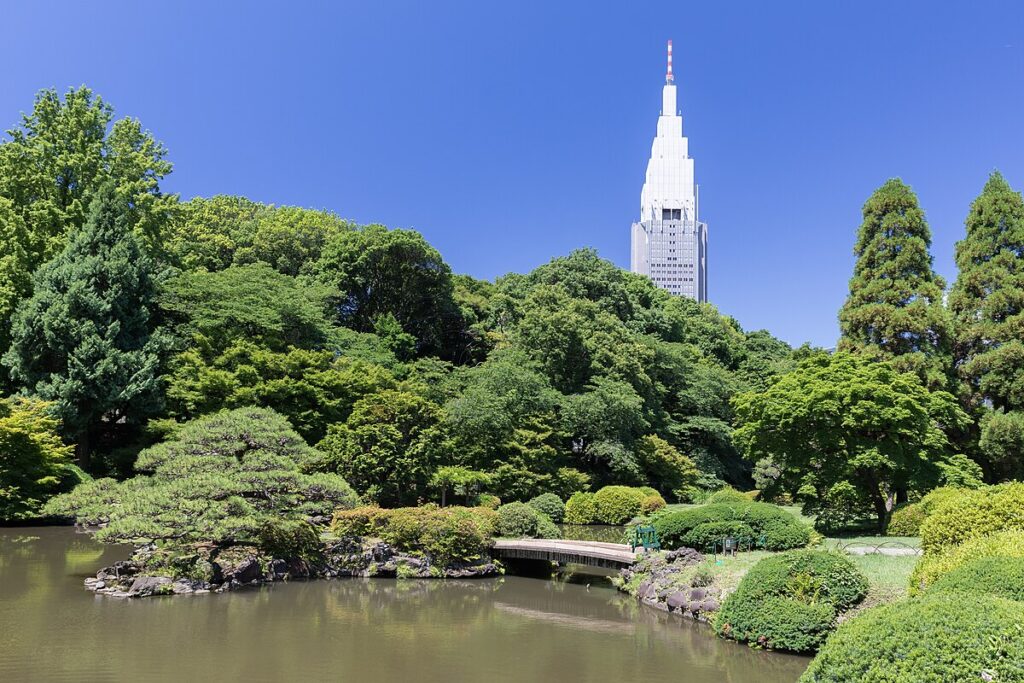
[Overview (History, Features, and Attractions)] Shinjuku Gyoen National Garden is a large urban park and garden located in Shinjuku Ward, Tokyo. Its vast grounds, covering approximately 58 hectares, harmoniously combine three garden styles: a Japanese garden, an English landscape garden, and a French formal garden.