Plan Japan by practical travel questions
Find Japan travel spots, routes, and visit-duration guides.
Discover Japan organizes sightseeing spots and focused travel guides for first-time visitors. Start with a region, a place name, or a practical question such as how long to spend, what to eat, or how to plan a half-day route.
Search by travel question
Popular English travel guides
Planning guides travelers are already searching for
Start with focused answers for visit duration, half-day routes, ticket choices, family visits, airport food, and other practical decisions before you arrive.
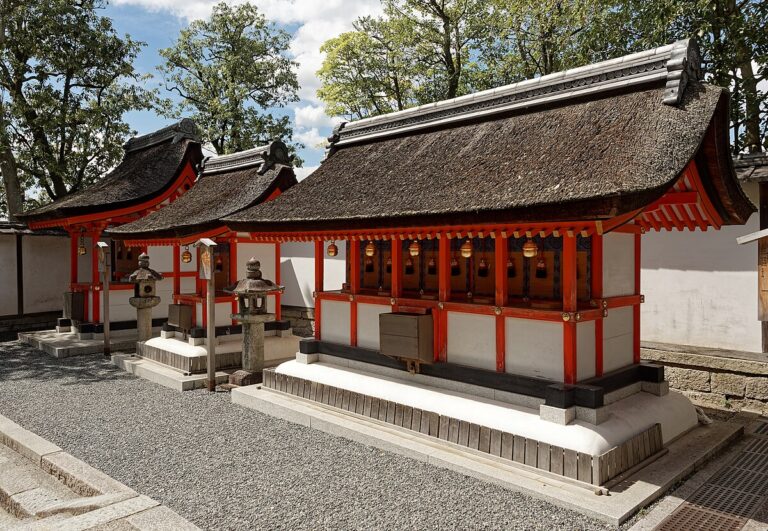 How Long to Spend at Fushimi Inari Taisha: 1, 2, or Half Day?
Most travelers need 1.5 to 2.5 hours at Fushimi Inari Taisha. Compare 1-hour, 2-hour, and half-day routes, crowd timing, access, and...
How Long to Spend at Fushimi Inari Taisha: 1, 2, or Half Day?
Most travelers need 1.5 to 2.5 hours at Fushimi Inari Taisha. Compare 1-hour, 2-hour, and half-day routes, crowd timing, access, and...
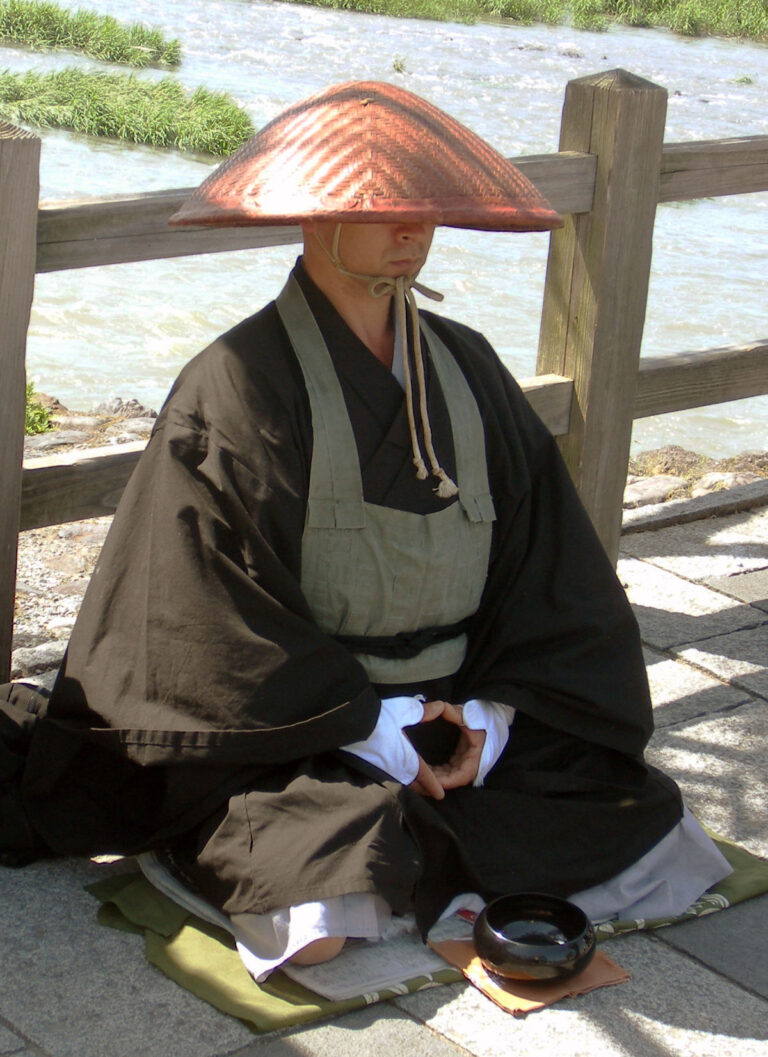 Arashiyama Half-Day Itinerary: Best Route, Time Needed, and Crowds
Follow a practical Arashiyama half-day itinerary for Kyoto: bamboo grove first, Togetsukyo Bridge, one temple or garden, time budget...
Arashiyama Half-Day Itinerary: Best Route, Time Needed, and Crowds
Follow a practical Arashiyama half-day itinerary for Kyoto: bamboo grove first, Togetsukyo Bridge, one temple or garden, time budget...
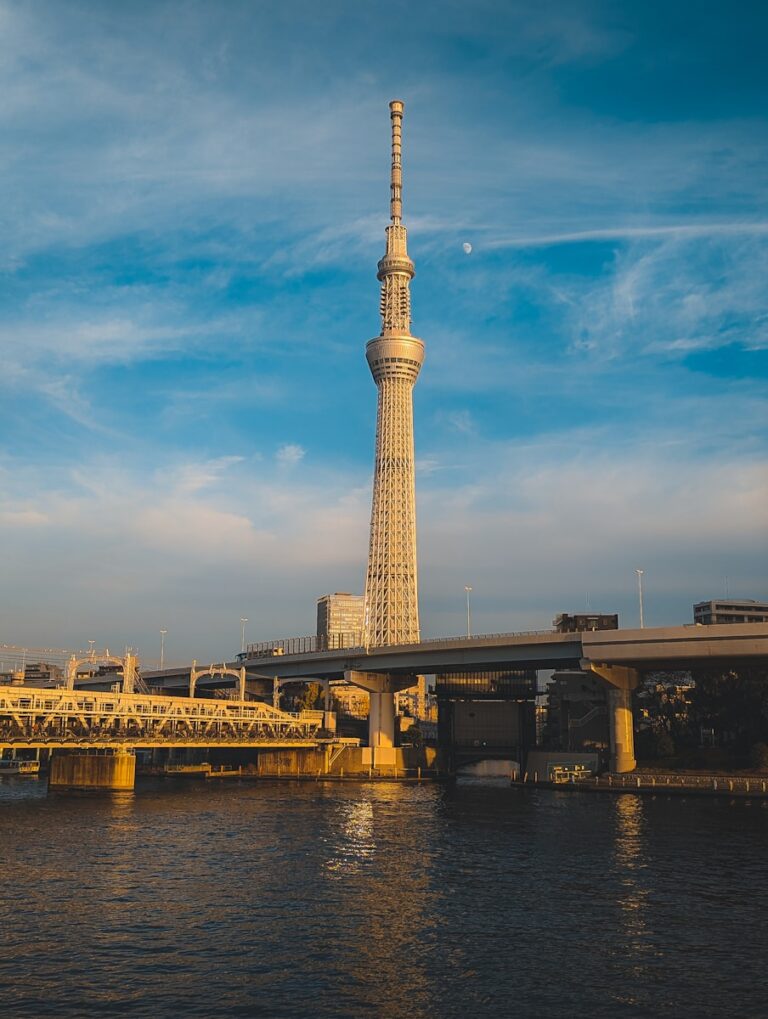 Tokyo Skytree Tembo Deck vs Galleria: Which Ticket Is Worth It?
Compare Tokyo Skytree Tembo Deck and Tembo Galleria by view, price, time needed, weather risk, and who should pay for the higher 450...
Tokyo Skytree Tembo Deck vs Galleria: Which Ticket Is Worth It?
Compare Tokyo Skytree Tembo Deck and Tembo Galleria by view, price, time needed, weather risk, and who should pay for the higher 450...
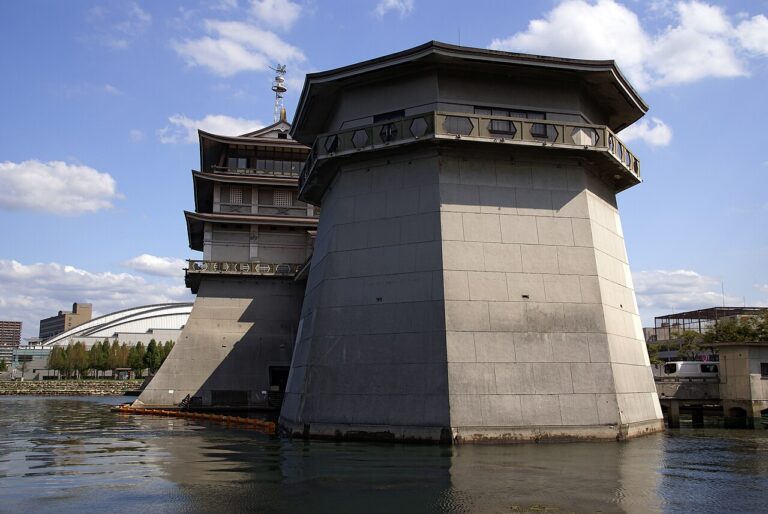 Lake Biwa Museum with Kids: Time Needed, Highlights, and Family Tips
Plan Lake Biwa Museum with kids: how long to stay, best exhibits for families, rainy-day tips, access planning, and nearby Lake Biwa...
Lake Biwa Museum with Kids: Time Needed, Highlights, and Family Tips
Plan Lake Biwa Museum with kids: how long to stay, best exhibits for families, rainy-day tips, access planning, and nearby Lake Biwa...
 Things to Do at New Chitose Airport Before Your Flight
Plan things to do at New Chitose Airport before your flight: food, souvenirs, Royce Chocolate World, onsen, theater, time needed, an...
New Chitose Airport Food Guide: What to Eat Before Your Flight
What to eat at New Chitose Airport before your flight, including ramen, seafood, sweets, souvenirs, Royce Chocolate World, timing, a...
Things to Do at New Chitose Airport Before Your Flight
Plan things to do at New Chitose Airport before your flight: food, souvenirs, Royce Chocolate World, onsen, theater, time needed, an...
New Chitose Airport Food Guide: What to Eat Before Your Flight
What to eat at New Chitose Airport before your flight, including ramen, seafood, sweets, souvenirs, Royce Chocolate World, timing, a...
New spots
-

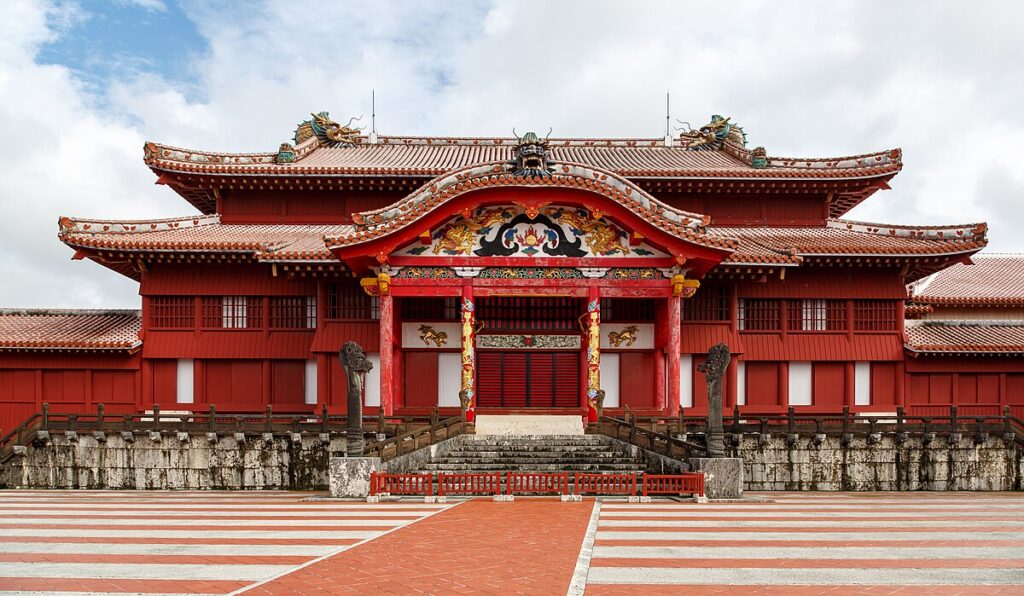
Shuri Castle (Naha City, Okinawa Prefecture)
Shuri Castle (Naha City, Okinawa Prefecture) Overview (History, Features, and Attractions) Shuri Castle is a castle (gusuku) built during the Ryukyu Kingdom era (14th to 19th centuries) as the political and cultural center of the royal court. It is located on a hill in Naha City. It features a unique architectural style influenced by neighboring cultures such as China and Japan, and a large vermilion roof... -
Kinugawa Onsen (Nikko City, Tochigi Prefecture)
Overview (History, Features, and Attractions) Kinugawa Onsen (Nikko City, Tochigi Prefecture) is a hot spring town stretching along the Kinugawa River valley. Developed as a therapeutic hot spring resort from the Meiji to Taisho periods, it later developed into a tourist destination. The inns and hotels lining the riverside offer views of the valley, and the open-air baths and large communal baths offer a variety of seasonal experiences... -
Tokyo Dome (Bunkyo Ward, Tokyo)
Overview (History, Features, and Attractions) Tokyo Dome (Bunkyo Ward, Tokyo) is a large, all-weather dome stadium nicknamed the "Big Egg" that opened in March 1988. Known as the home stadium of the professional baseball team, the Yomiuri Giants, it also hosts large-scale concerts by domestic and international artists, trade fairs, and more. -
Kokusai Street (Naha City, Okinawa Prefecture)
Overview (History, Features, and Attractions) Kokusai Street is a major shopping street running east to west through the center of Naha City, Okinawa Prefecture, and is a popular street for both tourists and locals. It developed along with the reconstruction after World War II, and was redesignated "Kokusai Street" in the 1950s. It now stretches for approximately 1.6 km... -
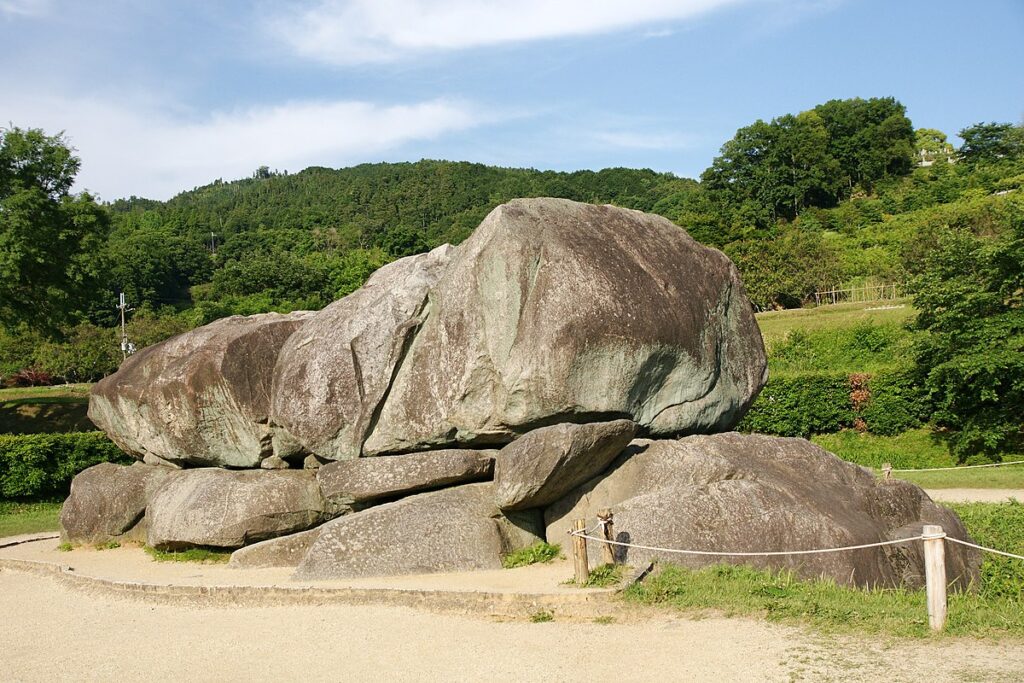
Ishibutai Tomb (Asuka Village, Takaichi District, Nara Prefecture)
Overview (History, Features, and Attractions) Ishibutai Kofun is one of the most representative ancient tomb sites in Asuka Village, Takaichi District, Nara Prefecture. It is believed to be a keyhole-shaped tomb or a horizontal stone chamber dating from around the 7th century (Asuka period), and there is a theory that it may be the tomb of an influential figure related to the Soga clan... -
Kinomiya Shrine (Atami City, Shizuoka Prefecture)
Overview (History, Features, and Attractions) Kinomiya Shrine is an ancient shrine located in Atami City, Shizuoka Prefecture, known for its sacred camphor tree, a large camphor tree said to be over 2,000 years old. It has long attracted local worshippers and is beloved as a shrine connected to nature worship. The ancient and enormous tree... -
Jomon Cedar (Yakushima Town, Kagoshima Prefecture)
Overview (History, Features, and Attractions) Jomon Cedar is a giant, natural Yakusugi (Japanese cedar) tree found on Yakushima Island (Yakushima Town), Kagoshima Prefecture, and is a representative tourist attraction on the island. Since Yakushima was registered as a World Heritage Site in 1993, it has become a symbol of the island, attracting visitors from both Japan and abroad. Type: Yaku... -
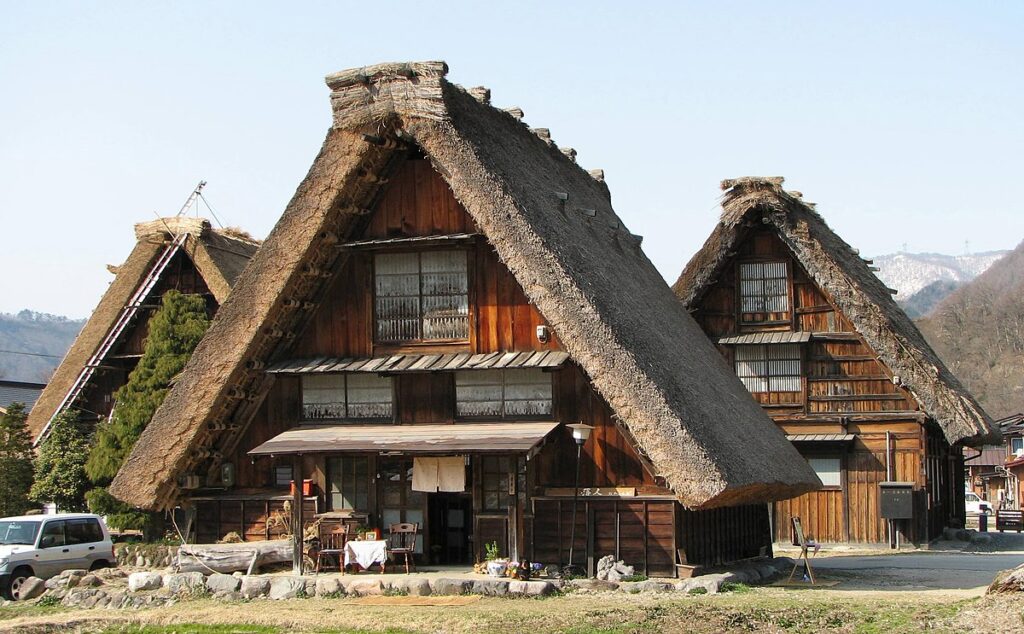
Shirakawa-go (Shirakawa Village, Ono District, Gifu Prefecture)
Overview (History, Features, and Attractions) Shirakawa-go (Shirakawa Village, Ono District, Gifu Prefecture) is a densely packed village of steeply sloped thatched roof houses known as gassho-zukuri, and was registered as a World Heritage Site in 1995 as the "Gassho-zukuri Villages of Shirakawa-go and Gokayama." Gassho-zukuri houses have steeply sloped roofs to withstand the heavy snowfall of winter... -
Izu Oshima (Oshima Town, Tokyo)
Overview (History, Features, and Attractions) Izu Oshima (Oshima Town, Tokyo) is one of the most representative islands of the Izu Islands, located approximately 120 km south of Tokyo. It is a volcanic island with the active volcano Mount Mihara at its center. It has a long history of eruptive activity, and its topography, black lava fields, desert-like landscapes, and... -
Mount Yotei (Kutchan Town, Hokkaido).
Overview (History, Features, and Attractions) Mount Yotei is a 1,898m-high stratovolcano in the Shiribeshi region of Hokkaido, straddling the towns of Kutchan, Kyogoku, and Makkari. Its well-proportioned cone-shaped shape has earned it the nickname "Ezo Fuji," and on clear days it can be seen from afar.