Plan Japan by practical travel questions
Find Japan travel spots, routes, and visit-duration guides.
Discover Japan organizes sightseeing spots and focused travel guides for first-time visitors. Start with a region, a place name, or a practical question such as how long to spend, what to eat, or how to plan a half-day route.
Search by travel question
Popular English travel guides
Planning guides travelers are already searching for
Start with focused answers for visit duration, half-day routes, ticket choices, family visits, airport food, and other practical decisions before you arrive.
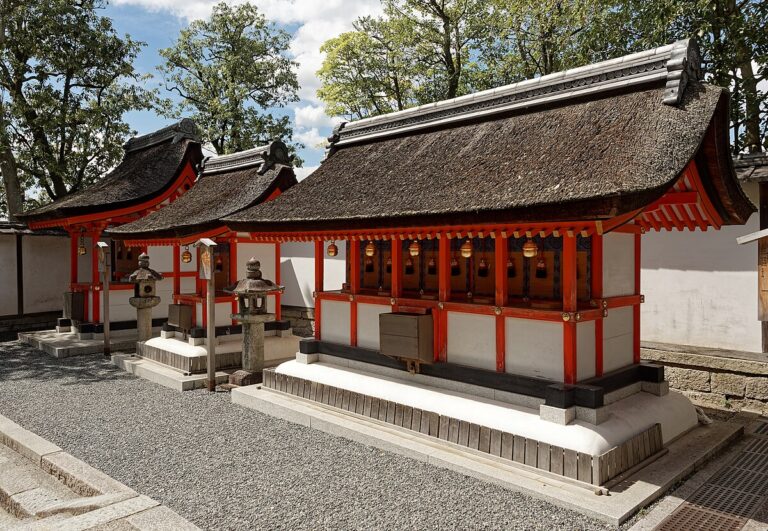 How Long to Spend at Fushimi Inari Taisha: 1, 2, or Half Day?
Most travelers need 1.5 to 2.5 hours at Fushimi Inari Taisha. Compare 1-hour, 2-hour, and half-day routes, crowd timing, access, and...
How Long to Spend at Fushimi Inari Taisha: 1, 2, or Half Day?
Most travelers need 1.5 to 2.5 hours at Fushimi Inari Taisha. Compare 1-hour, 2-hour, and half-day routes, crowd timing, access, and...
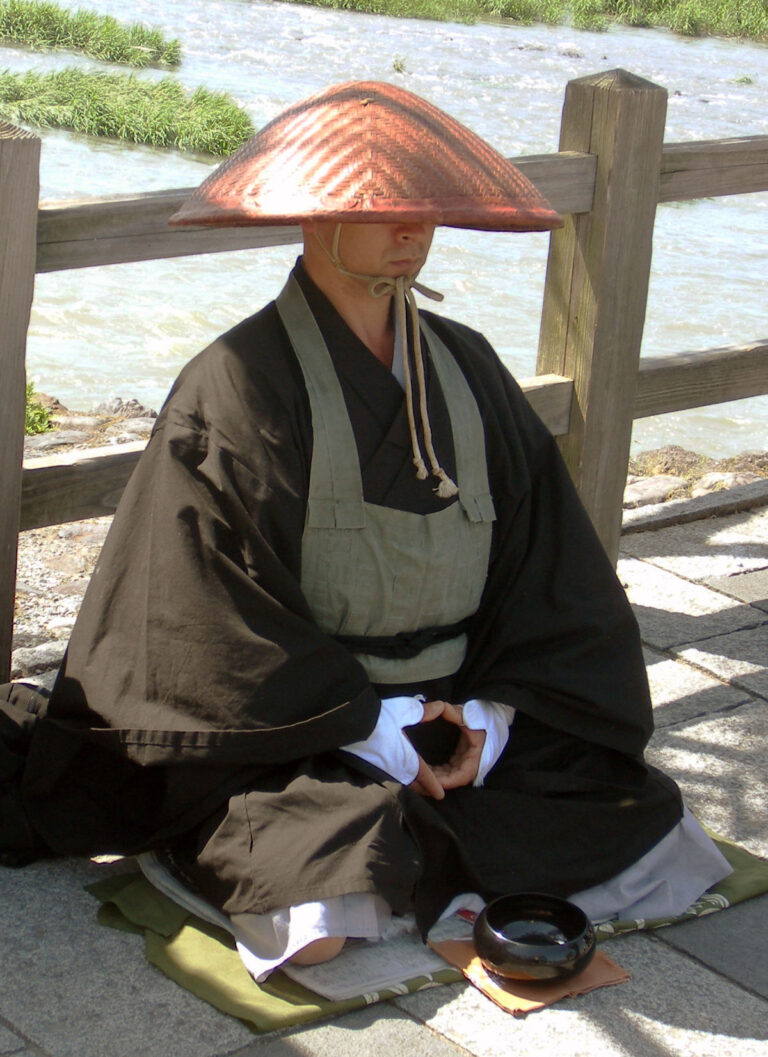 Arashiyama Half-Day Itinerary: Best Route, Time Needed, and Crowds
Follow a practical Arashiyama half-day itinerary for Kyoto: bamboo grove first, Togetsukyo Bridge, one temple or garden, time budget...
Arashiyama Half-Day Itinerary: Best Route, Time Needed, and Crowds
Follow a practical Arashiyama half-day itinerary for Kyoto: bamboo grove first, Togetsukyo Bridge, one temple or garden, time budget...
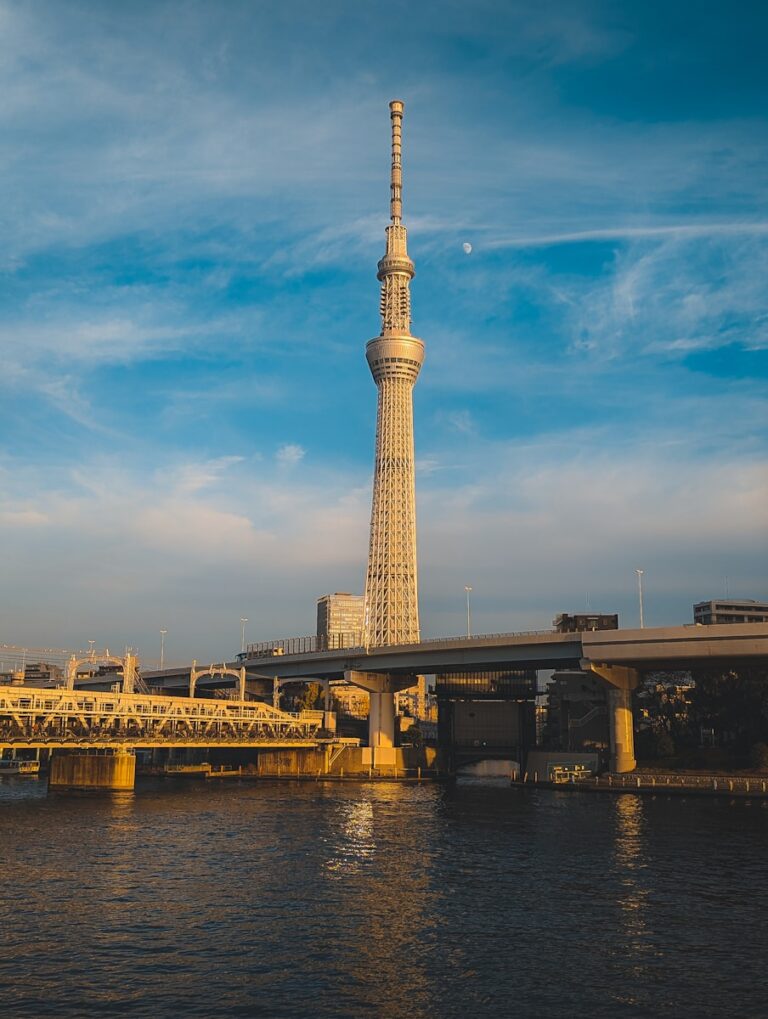 Tokyo Skytree Tembo Deck vs Galleria: Which Ticket Is Worth It?
Compare Tokyo Skytree Tembo Deck and Tembo Galleria by view, price, time needed, weather risk, and who should pay for the higher 450...
Tokyo Skytree Tembo Deck vs Galleria: Which Ticket Is Worth It?
Compare Tokyo Skytree Tembo Deck and Tembo Galleria by view, price, time needed, weather risk, and who should pay for the higher 450...
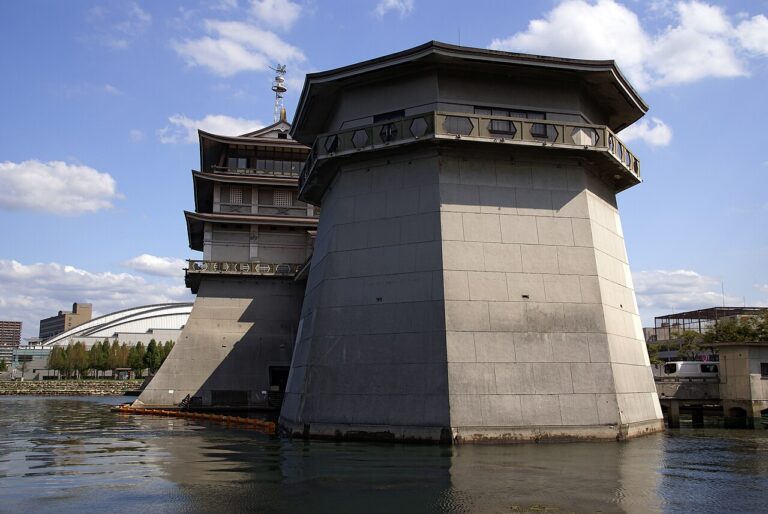 Lake Biwa Museum with Kids: Time Needed, Highlights, and Family Tips
Plan Lake Biwa Museum with kids: how long to stay, best exhibits for families, rainy-day tips, access planning, and nearby Lake Biwa...
Lake Biwa Museum with Kids: Time Needed, Highlights, and Family Tips
Plan Lake Biwa Museum with kids: how long to stay, best exhibits for families, rainy-day tips, access planning, and nearby Lake Biwa...
 Things to Do at New Chitose Airport Before Your Flight
Plan things to do at New Chitose Airport before your flight: food, souvenirs, Royce Chocolate World, onsen, theater, time needed, an...
New Chitose Airport Food Guide: What to Eat Before Your Flight
What to eat at New Chitose Airport before your flight, including ramen, seafood, sweets, souvenirs, Royce Chocolate World, timing, a...
Things to Do at New Chitose Airport Before Your Flight
Plan things to do at New Chitose Airport before your flight: food, souvenirs, Royce Chocolate World, onsen, theater, time needed, an...
New Chitose Airport Food Guide: What to Eat Before Your Flight
What to eat at New Chitose Airport before your flight, including ramen, seafood, sweets, souvenirs, Royce Chocolate World, timing, a...
New spots
-

Sugamo Jizo Street Shopping District (Toshima Ward, Tokyo)
Overview (History, Features, and Attractions) Sugamo Jizo-dori Shopping Street is a popular shopping street in Toshima Ward, Tokyo, commonly known as "Grandma's Harajuku." Along the roughly 800-meter street, traditional Japanese sweet shops, delicatessens, pharmacies, clothing stores, restaurants, and more line the streets, making it a popular shopping destination for older people. -
Kyushu National Museum (Dazaifu City, Fukuoka Prefecture).
Overview (History, Features, and Attractions) The Kyushu National Museum is a national comprehensive history museum located in Dazaifu City, Fukuoka Prefecture, and opened in 2005. As the fourth national museum in Japan after Tokyo, Kyoto, and Nara, it focuses on the theme of "exchange" and explores the history of Kyushu's long-standing ties with East Asia. -
Kannonzaki Park (Yokosuka City, Kanagawa Prefecture)
Overview (History, Features, and Attractions) Kannonzaki Park (Yokosuka City, Kanagawa Prefecture) is a coastal urban park developed around Kannonzaki, the entrance to Tokyo Bay. Since ancient times, the area has been a key hub for maritime traffic, home to lighthouses and coastal defense facilities. Since the Meiji period, it has become known as a place linked to the history of modern lighthouses and fortresses. -
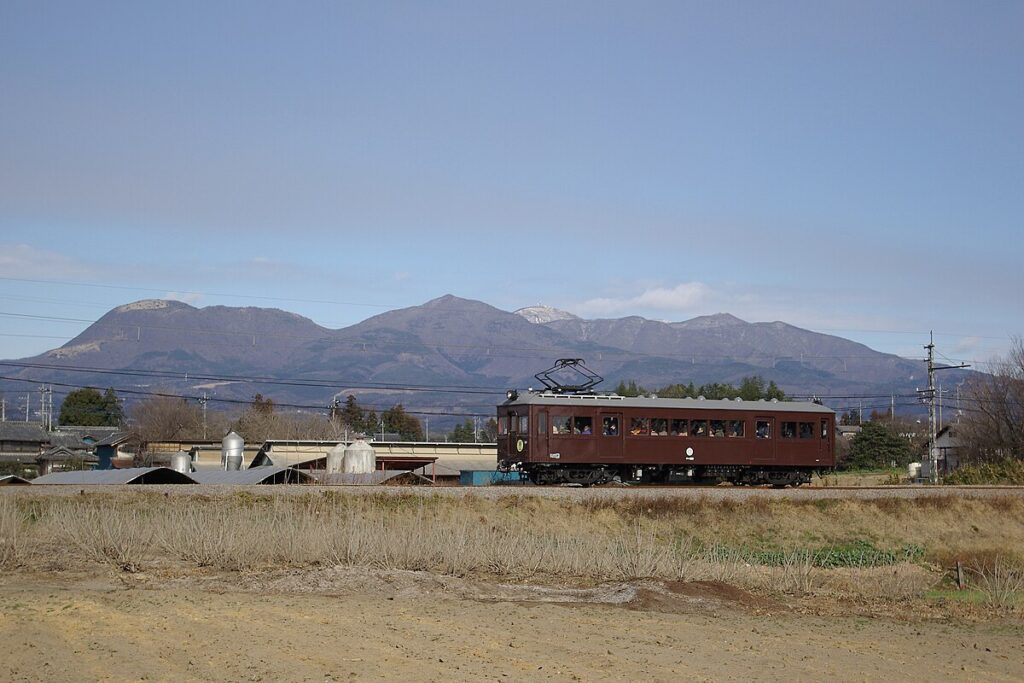
Mount Akagi (Maebashi City, Gunma Prefecture)
Overview (History, Features, and Attractions) Mount Akagi is a complex volcanic massif that spans Maebashi City in Gunma Prefecture and surrounding cities and towns. It has long been beloved as one of the Jomo Sanzan (Mounts Akagi, Haruna, and Myogi). Its caldera lake, Lake Onuma, highlands, and lush forests and grasslands... -
Hosen-in Temple (Ohara, Sakyo Ward, Kyoto City, Kyoto Prefecture)
Overview (History, Features, and Attractions) Hosen-in Temple is a small temple located in Ohara, Sakyo Ward, Kyoto City. Its calming presence nestled in the quiet countryside is a charming sight. It was founded long ago and has been beloved by locals and pilgrims for many years. The garden, which can be viewed from the halls and shoin study, is known as the "frame garden.". -
Mount Gozaisho (Komono Town, Mie Prefecture)
Mount Gozaisho (Mount Gozaisho, Komono Town, Mie Prefecture) — Overview (History, Features, and Attractions) Mount Gozaisho (approximately 1,212m above sea level) is a peak in the Suzuka Mountains and a popular tourist and hiking spot located in Komono Town, Mie Prefecture. It has been beloved by local people since ancient times, and in modern times, the opening of the Gozaisho Ropeway has made it easy to access the summit... -
Kaga Onsenkyo (Kaga City, Ishikawa Prefecture)
Overview (History, Features, and Attractions) Kaga Onsenkyo (Kaga City, Ishikawa Prefecture) is a representative hot spring resort in the Kaga region, and is the collective name for four hot spring towns: Yamashiro Onsen, Yamanaka Onsen, Awazu Onsen, and Katayamazu Onsen. Since the days of the Kaga domain in the Edo period, the area has been popular with feudal lords, samurai, and merchants, and is home to traditional inns, day-trip hot springs, and... -
Lake Okutadami (Uonuma City, Niigata Prefecture)
Overview (History, Features, and Attractions) Lake Okutadami is a man-made lake (the reservoir of the Okutadami Dam) located deep in the mountains of Uonuma City, Niigata Prefecture. The dam was constructed to meet postwar demand for electricity and as part of regional development. The tranquil lake surface is surrounded by deep valleys and virgin forests of beech and maple trees. -
Kappa Pond in Tono (Tono City, Iwate Prefecture)
Overview (History, Features, and Attractions) Kappabuchi is a small pool in Tono City, Iwate Prefecture, known nationwide for the legend of the kappa (water sprite). Since Kunio Yanagita's "Tono Monogatari" (1910), which introduced the folklore of Tono, Kappabuchi has come to be seen as a place connected to folklore. -
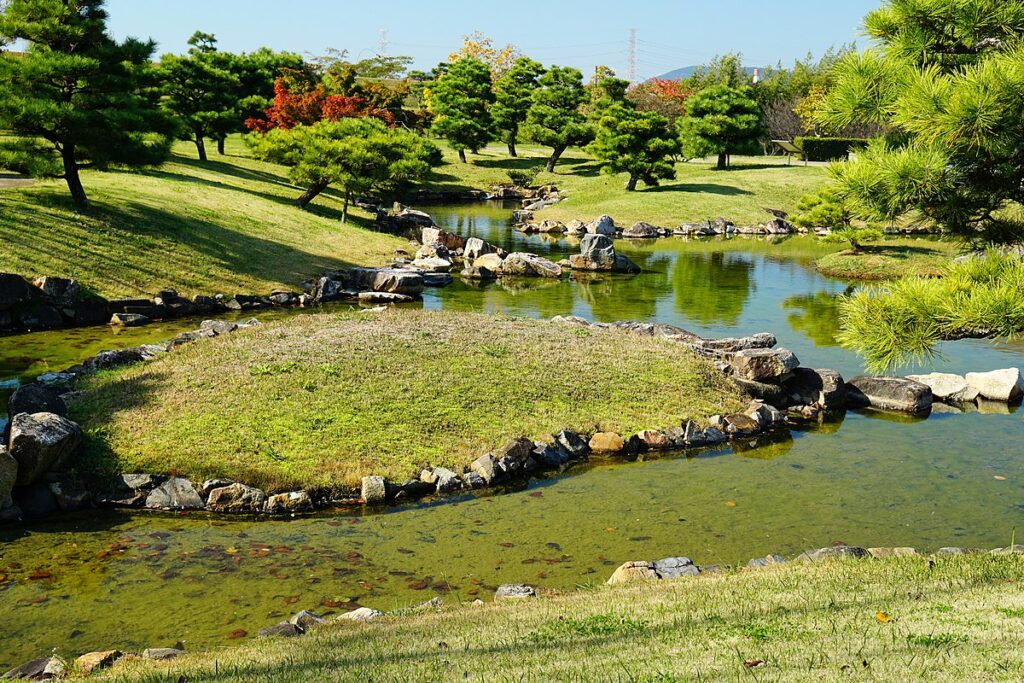
Ako Castle (Ako City, Hyogo Prefecture)
Ako Castle (Ako City, Hyogo Prefecture) Overview (History, Features, and Attractions) Ako Castle is a flatland castle (built on flat land) from the Edo period located in Harima Province (present-day Ako City, Hyogo Prefecture). It served as the center of the Ako Domain's administration. It was renovated in the early Edo period and later housed the Ako Asano clan (the Asano clan)...