Plan Japan by practical travel questions
Find Japan travel spots, routes, and visit-duration guides.
Discover Japan organizes sightseeing spots and focused travel guides for first-time visitors. Start with a region, a place name, or a practical question such as how long to spend, what to eat, or how to plan a half-day route.
Search by travel question
Popular English travel guides
Planning guides travelers are already searching for
Start with focused answers for visit duration, half-day routes, ticket choices, family visits, airport food, and other practical decisions before you arrive.
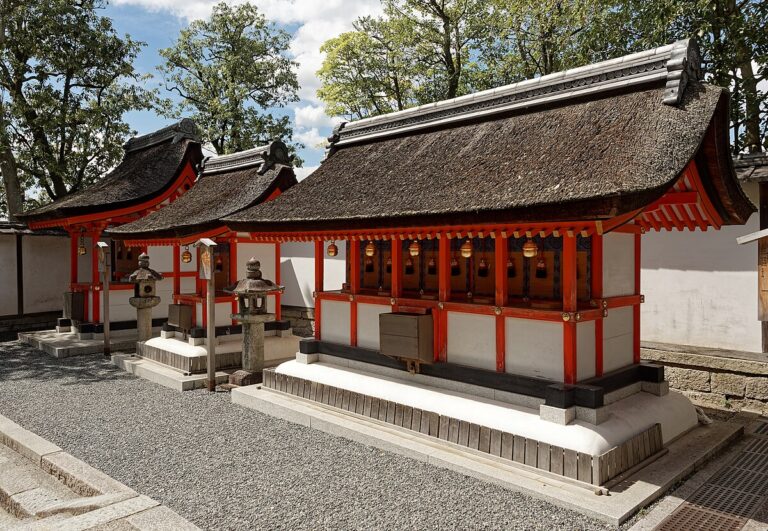 How Long to Spend at Fushimi Inari Taisha: 1, 2, or Half Day?
Most travelers need 1.5 to 2.5 hours at Fushimi Inari Taisha. Compare 1-hour, 2-hour, and half-day routes, crowd timing, access, and...
How Long to Spend at Fushimi Inari Taisha: 1, 2, or Half Day?
Most travelers need 1.5 to 2.5 hours at Fushimi Inari Taisha. Compare 1-hour, 2-hour, and half-day routes, crowd timing, access, and...
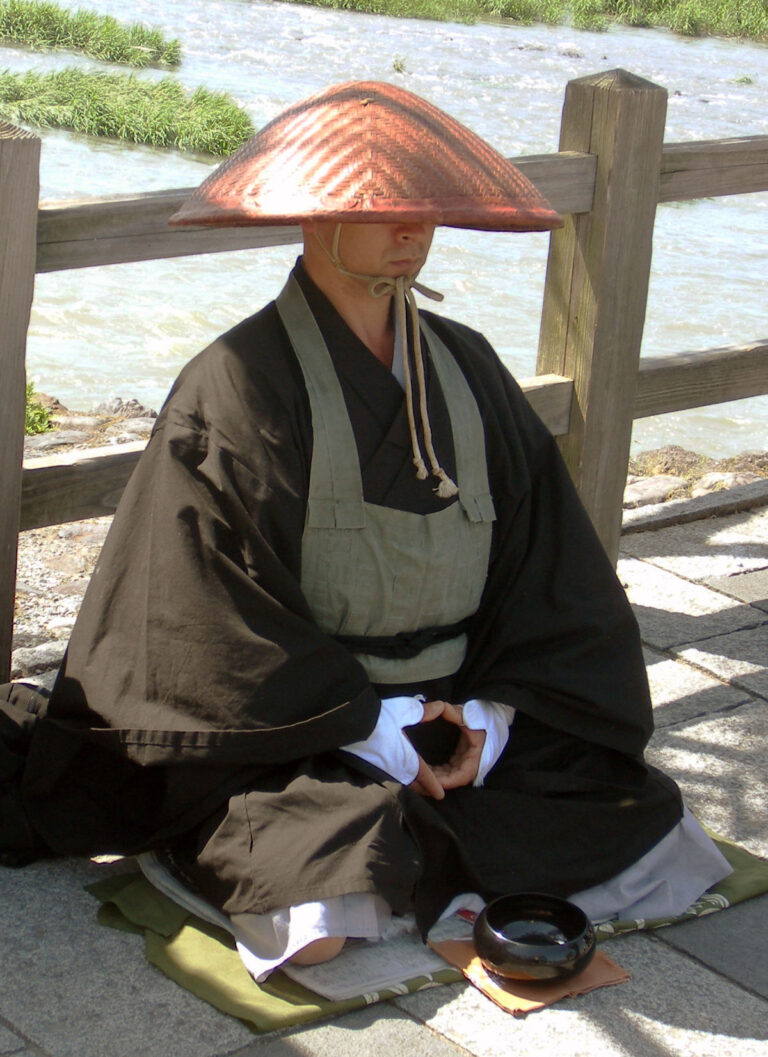 Arashiyama Half-Day Itinerary: Best Route, Time Needed, and Crowds
Follow a practical Arashiyama half-day itinerary for Kyoto: bamboo grove first, Togetsukyo Bridge, one temple or garden, time budget...
Arashiyama Half-Day Itinerary: Best Route, Time Needed, and Crowds
Follow a practical Arashiyama half-day itinerary for Kyoto: bamboo grove first, Togetsukyo Bridge, one temple or garden, time budget...
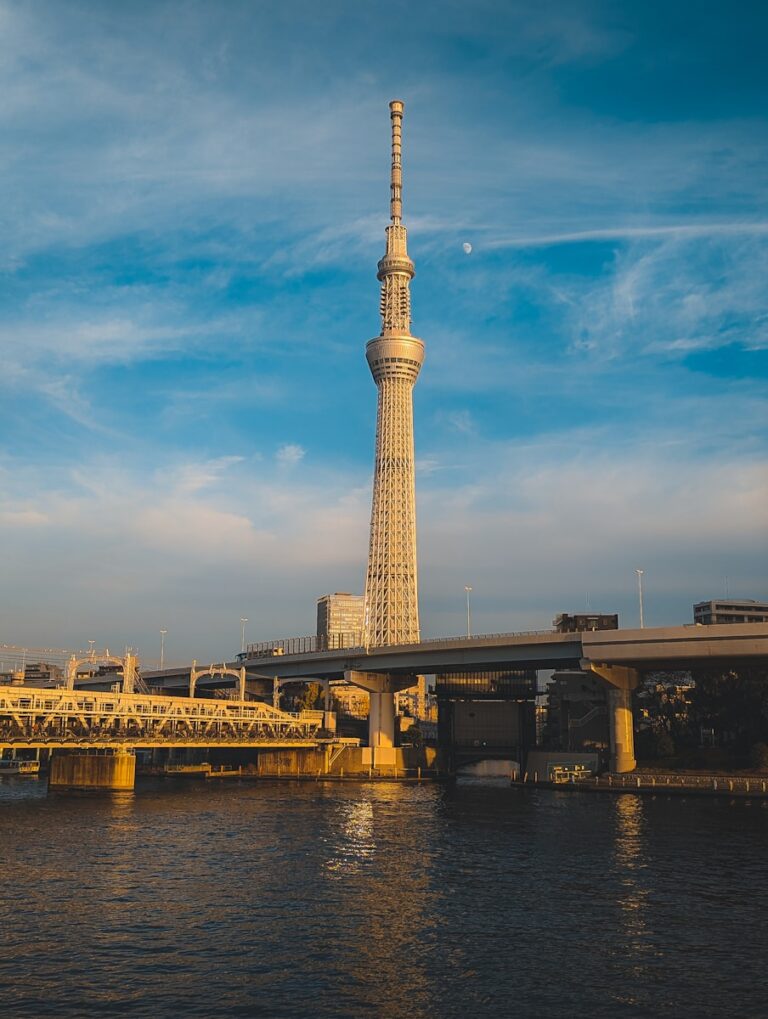 Tokyo Skytree Tembo Deck vs Galleria: Which Ticket Is Worth It?
Compare Tokyo Skytree Tembo Deck and Tembo Galleria by view, price, time needed, weather risk, and who should pay for the higher 450...
Tokyo Skytree Tembo Deck vs Galleria: Which Ticket Is Worth It?
Compare Tokyo Skytree Tembo Deck and Tembo Galleria by view, price, time needed, weather risk, and who should pay for the higher 450...
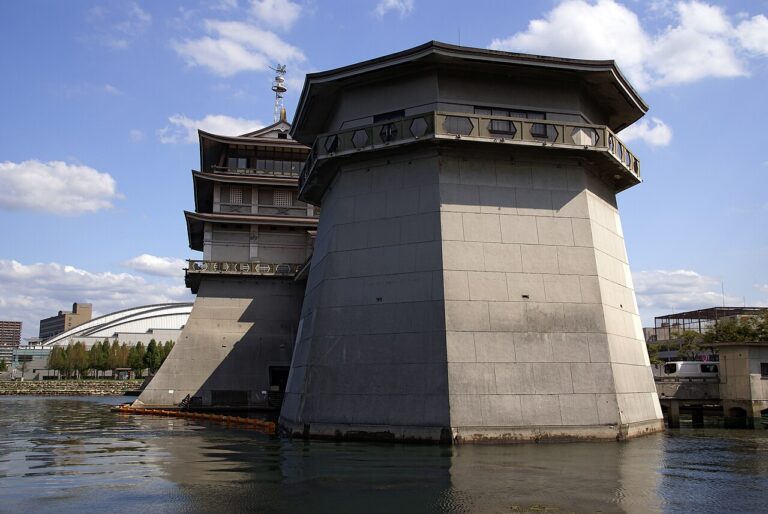 Lake Biwa Museum with Kids: Time Needed, Highlights, and Family Tips
Plan Lake Biwa Museum with kids: how long to stay, best exhibits for families, rainy-day tips, access planning, and nearby Lake Biwa...
Lake Biwa Museum with Kids: Time Needed, Highlights, and Family Tips
Plan Lake Biwa Museum with kids: how long to stay, best exhibits for families, rainy-day tips, access planning, and nearby Lake Biwa...
 Things to Do at New Chitose Airport Before Your Flight
Plan things to do at New Chitose Airport before your flight: food, souvenirs, Royce Chocolate World, onsen, theater, time needed, an...
New Chitose Airport Food Guide: What to Eat Before Your Flight
What to eat at New Chitose Airport before your flight, including ramen, seafood, sweets, souvenirs, Royce Chocolate World, timing, a...
Things to Do at New Chitose Airport Before Your Flight
Plan things to do at New Chitose Airport before your flight: food, souvenirs, Royce Chocolate World, onsen, theater, time needed, an...
New Chitose Airport Food Guide: What to Eat Before Your Flight
What to eat at New Chitose Airport before your flight, including ramen, seafood, sweets, souvenirs, Royce Chocolate World, timing, a...
New spots
-

Kamigamo Shrine (Kita Ward, Kyoto City, Kyoto Prefecture)
Overview (History, Features, and Attractions) Kamigamo Shrine (officially Kamo Wakeikazuchi Shrine) is an ancient shrine located in Kita Ward, Kyoto City. It is the upper shrine of the Kamo Shrines, which enshrines the guardian deity of the Kamo clan. Its founding is said to date back to the Asuka and Nara periods, making it a shrine deeply connected to Kyoto's history. -
Ashikaga Flower Park (Ashikaga City, Tochigi Prefecture)
Overview (History, Features, and Attractions) Ashikaga Flower Park (Ashikaga City, Tochigi Prefecture) is a theme park with a vast expanse of seasonal flowers, and is particularly famous nationwide for its "O-Fuji" (large wisteria trellis). The park boasts a large wisteria tree said to be over 100 years old, as well as a "Fuji" (wisteria) with long, dangling pale purple tufts... -
Ibusuki Onsen (Ibusuki City, Kagoshima Prefecture)
Ibusuki Onsen (Ibusuki City, Kagoshima Prefecture) — Overview (History, Features, and Attractions) Ibusuki Onsen is a hot spring resort town located along the coast of Ibusuki City, Kagoshima Prefecture. Its charm lies in the scenery at the southern tip of the Satsuma Peninsula and its warm climate. It has long been known as a therapeutic hot spring resort, and developed as a hot spring resort after the Meiji period. It is particularly known for its sand baths... -
Awaji Yumebutai (Awaji City, Hyogo Prefecture)
Overview (History, Features, and Attractions) Awaji Yumebutai is a complex located in Awaji City, Hyogo Prefecture, designed by world-renowned architect Tadao Ando. Following the Great Hanshin-Awaji Earthquake of 1995, it was developed with the aim of restoring the lost natural environment and revitalizing the region. The terraced landscape makes use of the terraced land facing the sea... -
Toba Aquarium (Toba City, Mie Prefecture)
Overview (History, Features, and Attractions) Toba Aquarium is a large, historic private aquarium located in Toba City, Mie Prefecture. It opened in 1955. Set against the backdrop of the lush Ise-Shima ocean, it features a wide variety of creatures, from coastal creatures to rare deep-sea fish, marine mammals, and jellyfish. The variety of creatures kept and exhibited is extremely... -
Kobe Luminarie (Kobe City, Hyogo Prefecture)
Overview (History, Features, and Attractions) Kobe Luminarie is a festival of light symbolizing the repose of the souls of those affected by the 1995 Great Hanshin-Awaji Earthquake and hope for recovery. It began as a memorial to the victims of the disaster and a prayer for the city's revitalization. It is held annually from early to mid-December in the area surrounding the former foreign settlement and Higashi-Yuenchi Park. It features Italian... -
Takasaki White Robe Kannon (Takasaki City, Gunma Prefecture)
Overview (History, Features, and Attractions) Takasaki Hakue Daikannon is the common name for the white Kannon statue and its surrounding grounds located in Takasaki City, Gunma Prefecture. The Kannon statue, clad in white robes, is an object of worship for local residents and visitors, and is also a beloved landmark of Takasaki. -
Shimanami Kaido (Onomichi City, Hiroshima Prefecture)
Overview (History, Features, and Attractions) The Shimanami Kaido is a strait crossing route with a total length of approximately 70 km, connecting Onomichi (Hiroshima Prefecture) on Honshu with Imabari (Ehime Prefecture) on Shikoku. Its official name is the Nishiseto Expressway (Nishiseto Expressway/Shimanami Kaido), and the entire route opened in 1999. -
Obuse (Obuse Town, Nagano Prefecture)
Overview (History, Features, and Attractions) Obuse Town in Nagano Prefecture is a small town in northern Shinano known for its chestnut-based sweets, Edo-period merchant culture, and ties to the ukiyo-e artist Katsushika Hokusai. The townscape of the wealthy merchants who flourished from the Edo to Meiji periods has been preserved... -
Rice paddy art (Inakadate Village, Aomori Prefecture)
Overview (History, Features, and Attractions) Rice Field Art (Inakadate Village, Aomori Prefecture) is an art form in which different colored rice varieties are systematically planted in rice paddies to create large patterns and designs. It began with the aim of revitalizing the region and promoting tourism. Its large scale, which uses the entire village, and the patterns that change as the rice grows...