Plan Japan by practical travel questions
Find Japan travel spots, routes, and visit-duration guides.
Discover Japan organizes sightseeing spots and focused travel guides for first-time visitors. Start with a region, a place name, or a practical question such as how long to spend, what to eat, or how to plan a half-day route.
Search by travel question
Popular English travel guides
Planning guides travelers are already searching for
Start with focused answers for visit duration, half-day routes, ticket choices, family visits, airport food, and other practical decisions before you arrive.
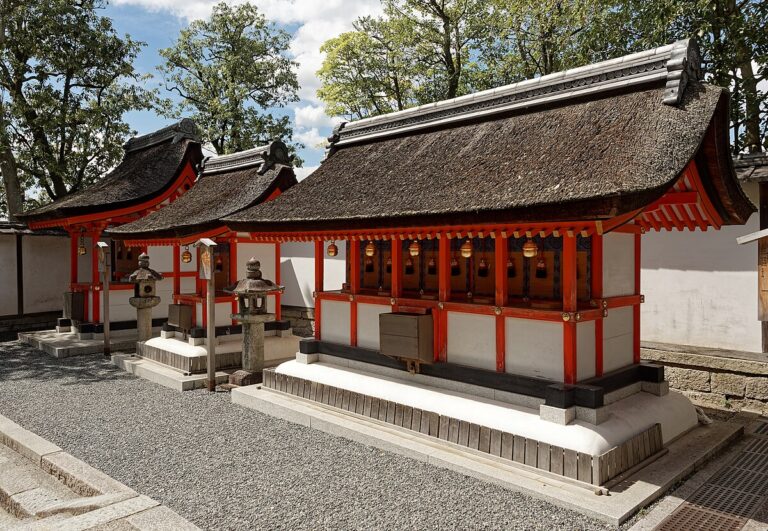 How Long to Spend at Fushimi Inari Taisha: 1, 2, or Half Day?
Most travelers need 1.5 to 2.5 hours at Fushimi Inari Taisha. Compare 1-hour, 2-hour, and half-day routes, crowd timing, access, and...
How Long to Spend at Fushimi Inari Taisha: 1, 2, or Half Day?
Most travelers need 1.5 to 2.5 hours at Fushimi Inari Taisha. Compare 1-hour, 2-hour, and half-day routes, crowd timing, access, and...
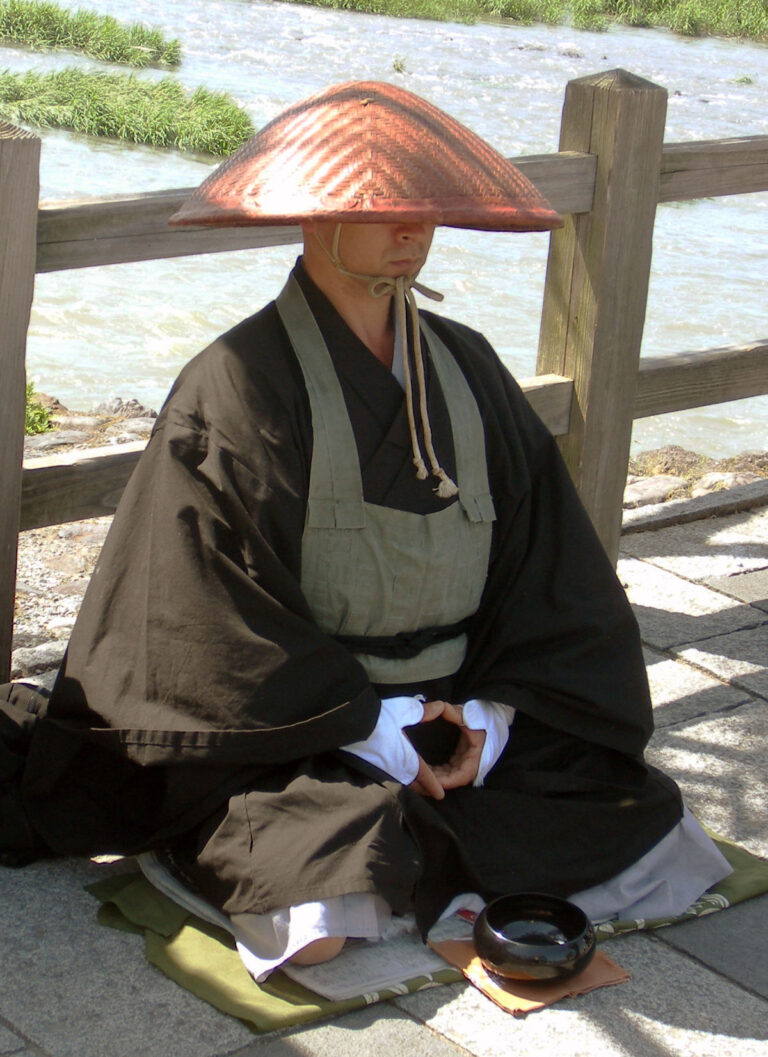 Arashiyama Half-Day Itinerary: Best Route, Time Needed, and Crowds
Follow a practical Arashiyama half-day itinerary for Kyoto: bamboo grove first, Togetsukyo Bridge, one temple or garden, time budget...
Arashiyama Half-Day Itinerary: Best Route, Time Needed, and Crowds
Follow a practical Arashiyama half-day itinerary for Kyoto: bamboo grove first, Togetsukyo Bridge, one temple or garden, time budget...
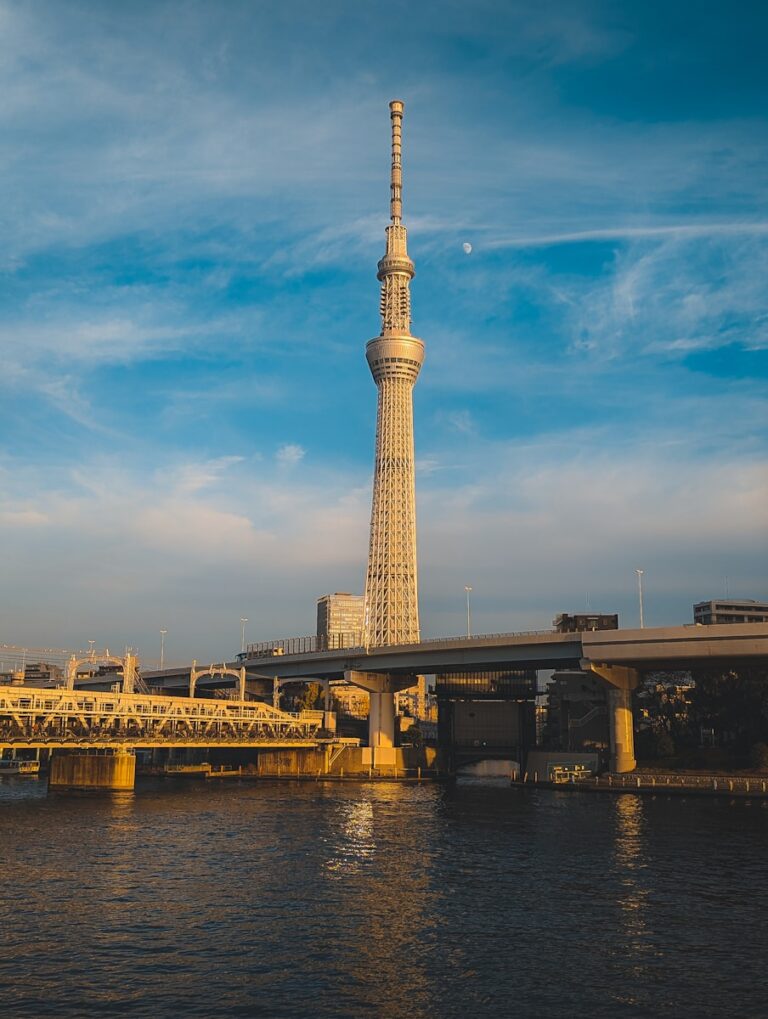 Tokyo Skytree Tembo Deck vs Galleria: Which Ticket Is Worth It?
Compare Tokyo Skytree Tembo Deck and Tembo Galleria by view, price, time needed, weather risk, and who should pay for the higher 450...
Tokyo Skytree Tembo Deck vs Galleria: Which Ticket Is Worth It?
Compare Tokyo Skytree Tembo Deck and Tembo Galleria by view, price, time needed, weather risk, and who should pay for the higher 450...
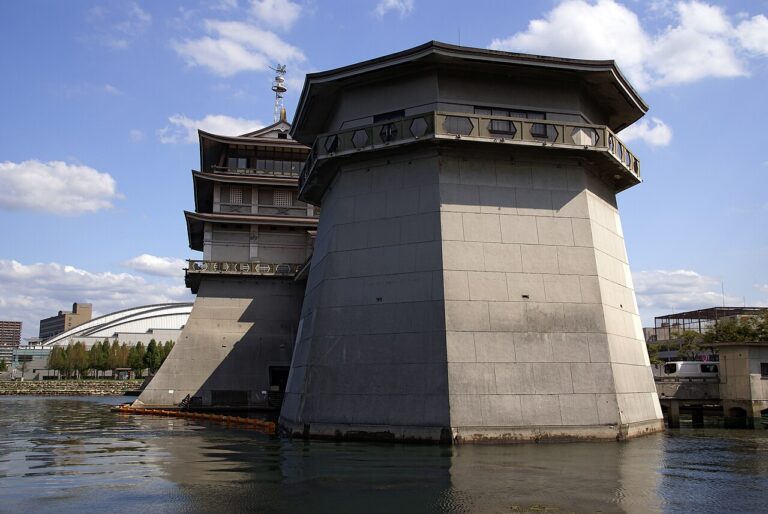 Lake Biwa Museum with Kids: Time Needed, Highlights, and Family Tips
Plan Lake Biwa Museum with kids: how long to stay, best exhibits for families, rainy-day tips, access planning, and nearby Lake Biwa...
Lake Biwa Museum with Kids: Time Needed, Highlights, and Family Tips
Plan Lake Biwa Museum with kids: how long to stay, best exhibits for families, rainy-day tips, access planning, and nearby Lake Biwa...
 Things to Do at New Chitose Airport Before Your Flight
Plan things to do at New Chitose Airport before your flight: food, souvenirs, Royce Chocolate World, onsen, theater, time needed, an...
New Chitose Airport Food Guide: What to Eat Before Your Flight
What to eat at New Chitose Airport before your flight, including ramen, seafood, sweets, souvenirs, Royce Chocolate World, timing, a...
Things to Do at New Chitose Airport Before Your Flight
Plan things to do at New Chitose Airport before your flight: food, souvenirs, Royce Chocolate World, onsen, theater, time needed, an...
New Chitose Airport Food Guide: What to Eat Before Your Flight
What to eat at New Chitose Airport before your flight, including ramen, seafood, sweets, souvenirs, Royce Chocolate World, timing, a...
New spots
-

Rebun Island (Rebun Town, Rebun District, Hokkaido)
Overview (History, Features, and Attractions) Rebun Island is a small island located in northern Hokkaido, northwest of Rishiri Island. It is known for its abundance of alpine plants, so much so that it is nicknamed the "Floating Island of Flowers." It has been a habitat for the Ainu people for over a thousand years, and fishing and kelp harvesting were thriving industries. Since the Showa era, it has become a tourist destination... -
Old Karuizawa Ginza (Karuizawa Town, Kitasaku District, Nagano Prefecture)
Overview (History, Features, and Attractions) Kyu-Karuizawa Ginza (Kyu-Karuizawa Ginza Street) is a historic shopping street in the Kyu-Karuizawa area of Karuizawa Town, Kitasaku District, Nagano Prefecture. The street retains the atmosphere of the "good old resort" of Karuizawa, which developed as a summer resort during the Meiji and Taisho periods, with Western-style buildings, long-established shops, and small, cozy shops. -
Abeno Harukas (Abeno Ward, Osaka City, Osaka Prefecture)
Abeno Harukas (Abeno-ku, Osaka City, Osaka Prefecture) Overview (History, Features, and Attractions) Abeno Harukas is a 60-story, 300-meter-tall skyscraper complex that opened in 2014. A landmark representing the Kansai area, it houses a commercial facility (Kintetsu Department Store), an art museum, offices, and more. -
Ikuta Shrine (Chuo Ward, Kobe City, Hyogo Prefecture)
Overview (History, Features, and Attractions) Ikuta Shrine is an ancient shrine located in Chuo Ward, Kobe City, Hyogo Prefecture. It is an urban oasis in the Sannomiya area, the heart of Kobe. Its founding is ancient, and according to legend, it dates back to the 4th to 6th centuries. Since ancient times, it has been revered as a shrine protecting this land. -
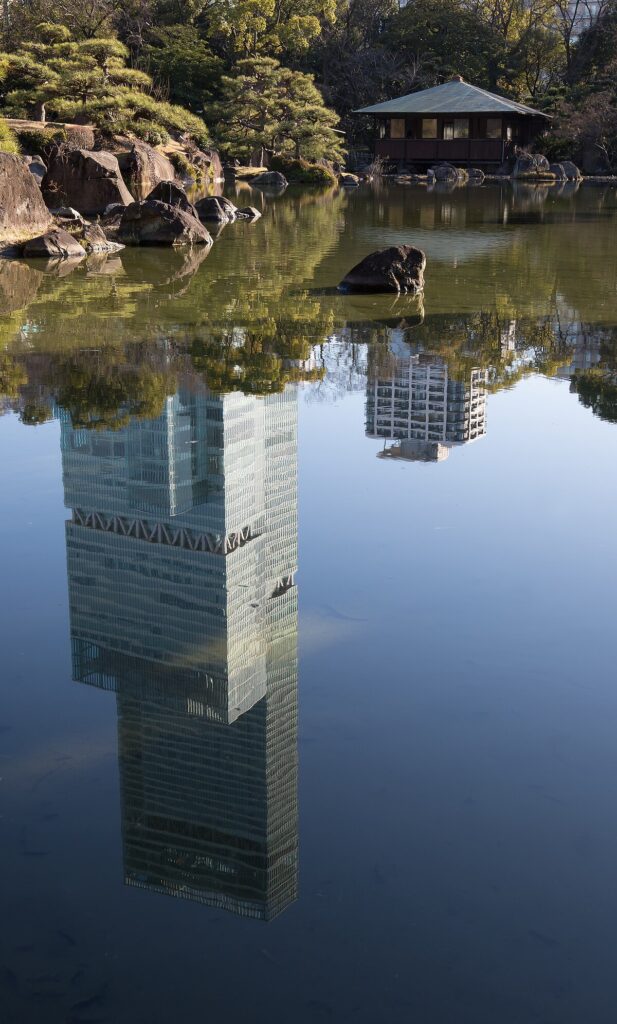
Shiba Rikyu Gardens (Minato Ward, Tokyo)
Overview (History, Features, and Attractions) Shiba Rikyu Gardens is a strolling Japanese garden located in Minato Ward, Tokyo. It follows the tradition of gardens at feudal lord residences and villas from the Edo period onward, and has been maintained and maintained since the Meiji period, and is now open to the public. Surrounded by the buildings of central Tokyo... -
Cape Noshappu (Wakkanai, Hokkaido)
Overview (History, Features, and Attractions) Cape Noshappu is a cape located west of Wakkanai City, Hokkaido. There are various theories about the origin of its name, including the Ainu word "noshappu" (tip of the cape). The cape is relatively flat, and from its tip jutting out into the sea, you can see Rishiri Island, Rebun Island, and other islands... -
Suma Seaside Park (Suma Ward, Kobe City, Hyogo Prefecture)
Overview (History, Features, and Attractions) Suma Seaside Park is a seaside park located in Suma Ward, Kobe City, Hyogo Prefecture. It is a popular leisure spot with bright sandy beaches and views of the coastline. The area has long been a popular seaside recreational spot for swimming, clam digging, and other activities, and has been redeveloped into a park. -
Misawa Aviation Science Museum (Misawa City, Aomori Prefecture)
Overview (History, Features, and Attractions) Misawa Aviation and Science Museum is a museum themed around aviation and science located in Misawa City, Aomori Prefecture. With Misawa Air Base and Misawa Airport as its backdrop, the museum offers an easy-to-understand introduction to the history and technology of aviation, which are closely related to the region. Its interactive exhibits are enjoyable for both children and adults. -
Tama Zoological Park (Hino City, Tokyo)
Overview (History, Features, and Attractions) Tama Zoological Park (Hino City, Tokyo) is a metropolitan zoo known for its spacious, natural-looking exhibits and its emphasis on animal behavior. Opened in 1958, the zoo takes advantage of its hilly terrain to offer a diverse range of exhibits, including the Asian, Australian, and African Zoos. -
Mikata Five Lakes (Mihama Town, Fukui Prefecture)
Overview (History, Features, and Attractions) The Mikata Five Lakes (Mikata Goko) are a scenic spot consisting of five lakes spread across Mihama Town (Wakasa Region) in Fukui Prefecture. The area is characterized by a unique topography where freshwater, brackish water, and seawater coexist, separated by inlets and sandbars formed by the land and sea. Since ancient times, the area has been a source of fishing and a rich tidal flat ecosystem.