Plan Japan by practical travel questions
Find Japan travel spots, routes, and visit-duration guides.
Discover Japan organizes sightseeing spots and focused travel guides for first-time visitors. Start with a region, a place name, or a practical question such as how long to spend, what to eat, or how to plan a half-day route.
Search by travel question
Popular English travel guides
Planning guides travelers are already searching for
Start with focused answers for visit duration, half-day routes, ticket choices, family visits, airport food, and other practical decisions before you arrive.
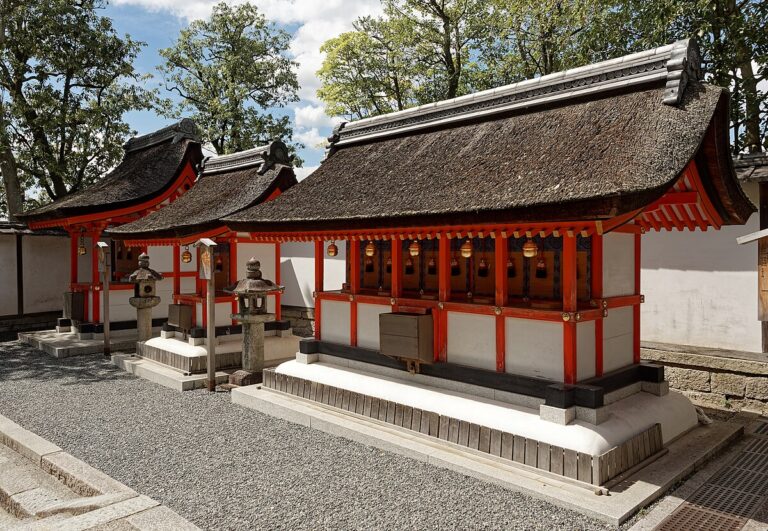 How Long to Spend at Fushimi Inari Taisha: 1, 2, or Half Day?
Most travelers need 1.5 to 2.5 hours at Fushimi Inari Taisha. Compare 1-hour, 2-hour, and half-day routes, crowd timing, access, and...
How Long to Spend at Fushimi Inari Taisha: 1, 2, or Half Day?
Most travelers need 1.5 to 2.5 hours at Fushimi Inari Taisha. Compare 1-hour, 2-hour, and half-day routes, crowd timing, access, and...
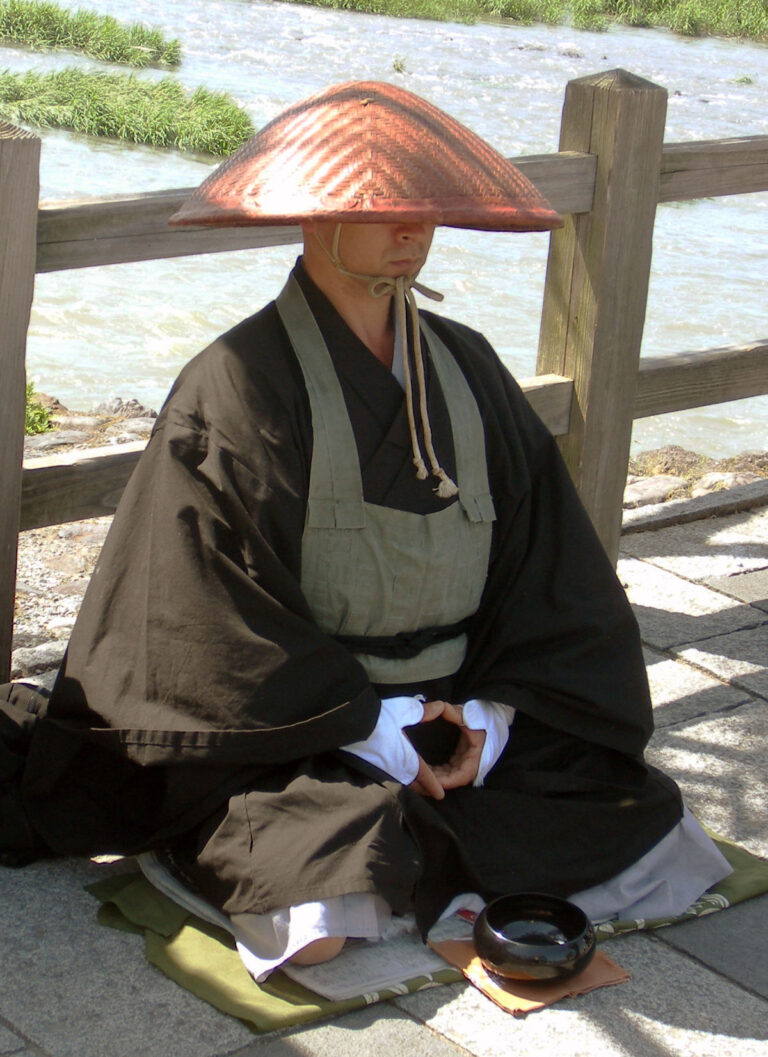 Arashiyama Half-Day Itinerary: Best Route, Time Needed, and Crowds
Follow a practical Arashiyama half-day itinerary for Kyoto: bamboo grove first, Togetsukyo Bridge, one temple or garden, time budget...
Arashiyama Half-Day Itinerary: Best Route, Time Needed, and Crowds
Follow a practical Arashiyama half-day itinerary for Kyoto: bamboo grove first, Togetsukyo Bridge, one temple or garden, time budget...
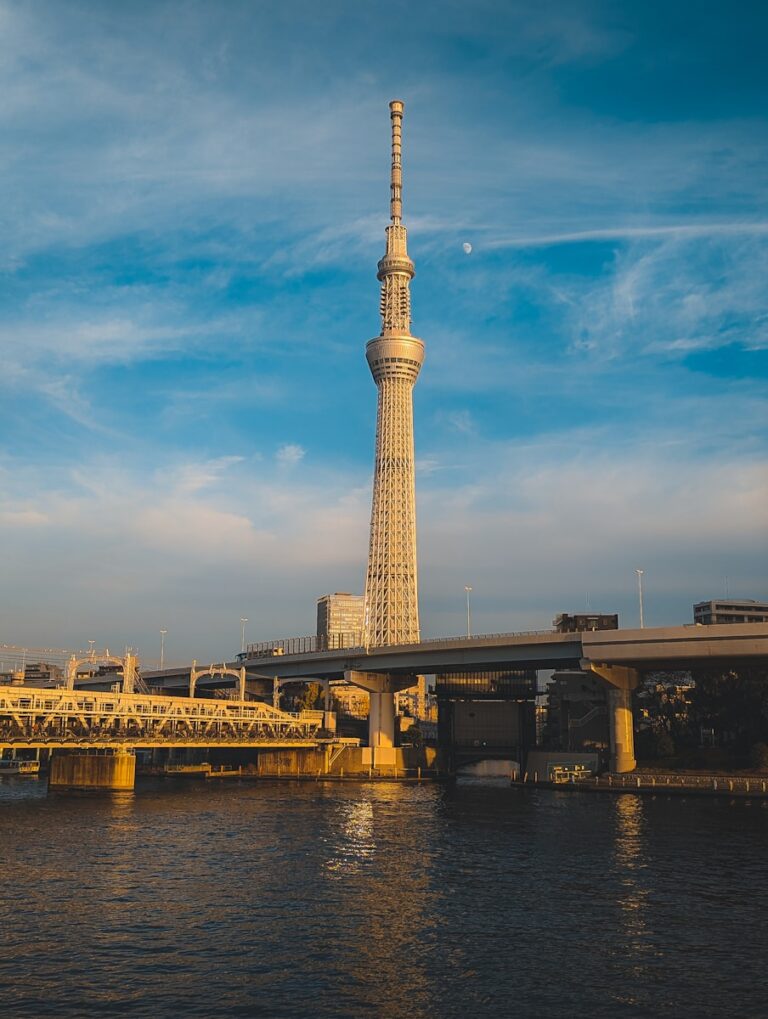 Tokyo Skytree Tembo Deck vs Galleria: Which Ticket Is Worth It?
Compare Tokyo Skytree Tembo Deck and Tembo Galleria by view, price, time needed, weather risk, and who should pay for the higher 450...
Tokyo Skytree Tembo Deck vs Galleria: Which Ticket Is Worth It?
Compare Tokyo Skytree Tembo Deck and Tembo Galleria by view, price, time needed, weather risk, and who should pay for the higher 450...
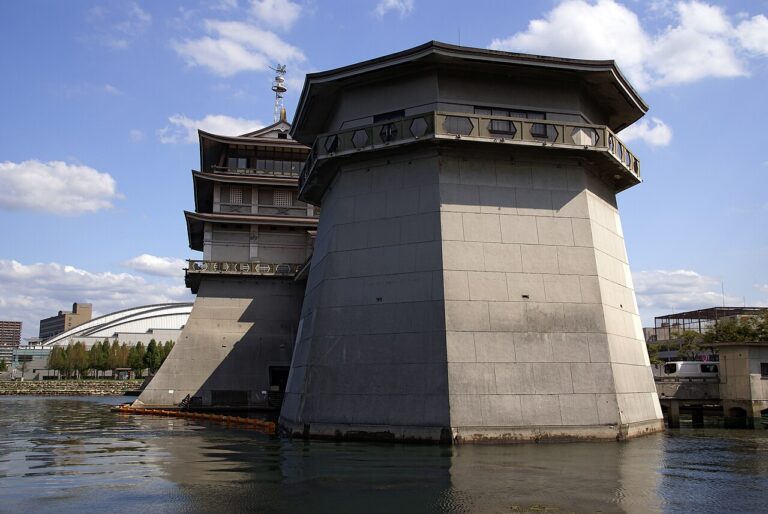 Lake Biwa Museum with Kids: Time Needed, Highlights, and Family Tips
Plan Lake Biwa Museum with kids: how long to stay, best exhibits for families, rainy-day tips, access planning, and nearby Lake Biwa...
Lake Biwa Museum with Kids: Time Needed, Highlights, and Family Tips
Plan Lake Biwa Museum with kids: how long to stay, best exhibits for families, rainy-day tips, access planning, and nearby Lake Biwa...
 Things to Do at New Chitose Airport Before Your Flight
Plan things to do at New Chitose Airport before your flight: food, souvenirs, Royce Chocolate World, onsen, theater, time needed, an...
New Chitose Airport Food Guide: What to Eat Before Your Flight
What to eat at New Chitose Airport before your flight, including ramen, seafood, sweets, souvenirs, Royce Chocolate World, timing, a...
Things to Do at New Chitose Airport Before Your Flight
Plan things to do at New Chitose Airport before your flight: food, souvenirs, Royce Chocolate World, onsen, theater, time needed, an...
New Chitose Airport Food Guide: What to Eat Before Your Flight
What to eat at New Chitose Airport before your flight, including ramen, seafood, sweets, souvenirs, Royce Chocolate World, timing, a...
New spots
-

Iwashimizu Hachiman Shrine (Yawata City, Kyoto Prefecture)
Overview (History, Features, and Attractions) Iwashimizu Hachiman Shrine is a historic Hachiman shrine located on top of Mount Otokoyama in Yawata City, Kyoto Prefecture. Its founding is said to date back to the mid-Heian period (9th century), and it enshrines Hachiman (a war god and guardian deity dedicated to Emperor Ojin) as a guardian deity of the Imperial family and the nation. -
Toei Kyoto Studio Park (Ukyo Ward, Kyoto City, Kyoto Prefecture)
Overview (History, Features, and Attractions) Toei Kyoto Studio Park is a film theme park and film studio operated by Toei Company, Ltd., located in Uzumasa, Ukyo Ward, Kyoto City. Since its opening in 1975, it has opened film sets for movies and television dramas, primarily period dramas, to the public... -
Naeba Ski Resort (Yuzawa Town, Niigata Prefecture)
Overview (History, Features, and Attractions) Naeba Ski Resort is a large, representative ski resort located in Yuzawa Town, Minamiuonuma District, Niigata Prefecture. Development began in the 1970s, and the resort area has grown into an integrated ski resort, hotel, and resort facility. Naeba Prince Hotel and other... -
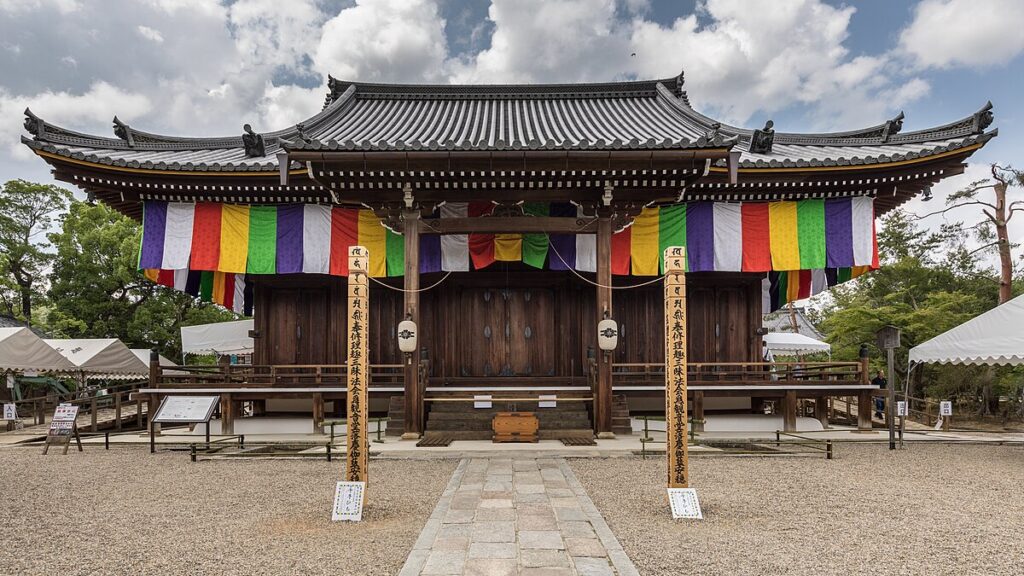
Ninna-ji Temple (Ukyo Ward, Kyoto City, Kyoto Prefecture)
Ninna-ji Temple (Ukyo Ward, Kyoto City, Kyoto Prefecture) Overview (History, Features, and Attractions) Ninna-ji Temple is the head temple of the Omuro school of Shingon Buddhism, founded in 888 (the fourth year of the Ninna era) during the Heian period at the request of Emperor Uda. It is known as a "monzeki temple" (temple head priest), with members of the imperial family and aristocrats serving as monzeki (head priests). Its main features include the Sanmon Gate, Kondo Hall, Omuro Palace, and Go... -
Meguro River (Meguro Ward, Tokyo)
Overview (History, Features, and Attractions) The Meguro River is a 7.8 km long river that flows through the southwestern part of central Tokyo, passing through Meguro Ward, Shinagawa Ward, Setagaya Ward, and the Nakameguro-Ebisu area. Once used for irrigation and water transportation, the river has been developed with urbanization, and now features rows of cherry blossom trees and... -
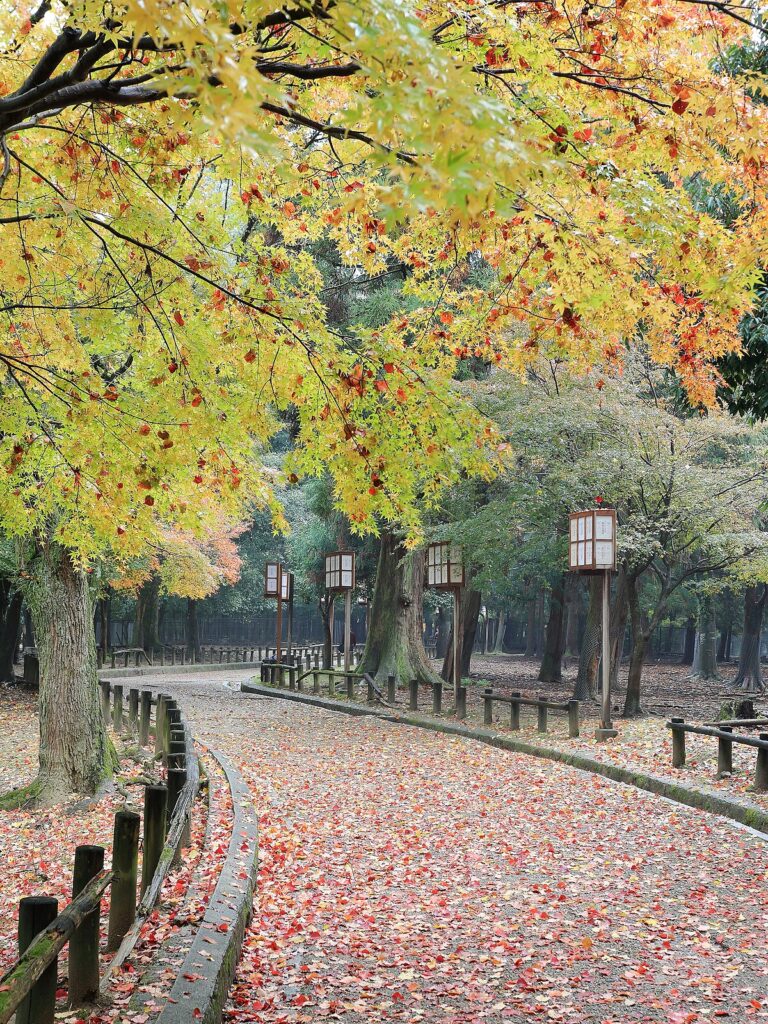
Mount Wakakusa (Nara City, Nara Prefecture)
Overview (History, Features, and Attractions) Mount Wakakusa is a grassy mountain located in Nara City, approximately 342 meters above sea level. Its appeal lies in its scenic beauty, blending seamlessly with Todaiji Temple, Kasuga Taisha Shrine, and Nara Park. Considered a sacred mountain since ancient times, the mountain's grassy slopes offer panoramic views of Nara City, Nara Park, and the Ikoma Mountains in the distance. -
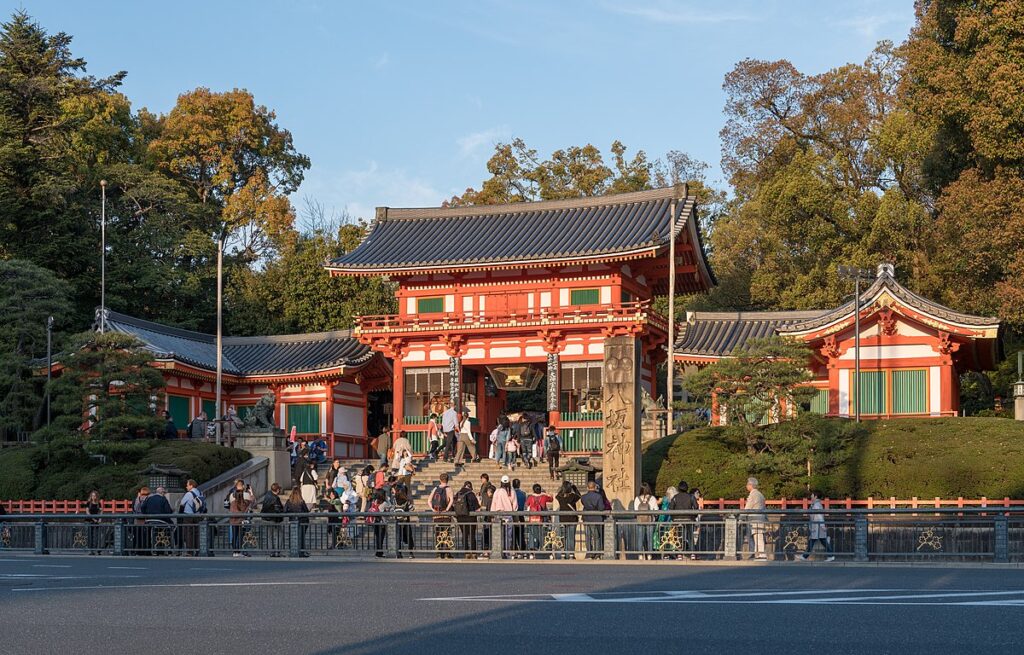
Yasaka Shrine (Higashiyama Ward, Kyoto City, Kyoto Prefecture)
Overview (History, Features, and Attractions) Yasaka Shrine is an ancient shrine located in the Gion and Kiyomizu-dera area of Higashiyama Ward, Kyoto City. It is known nationwide as the central shrine of the Gion Festival. Its founding is ancient, dating back to the 7th century (traditionally, 656), and it was established as a shrine for the "Gion Shinto" (pronounced "shin-jin"), a ritual to ward off epidemics. -
Sakushima Island (Nishio City, Aichi Prefecture)
Sakushima (Nishio City, Aichi Prefecture) Overview (History, Features, and Attractions) Sakushima is an island in Mikawa Bay, part of Nishio City, Aichi Prefecture. It is a small, remote island with a rich sea and satoyama (rural villages). Originally, the island was a place where people made their living through fishing and salt production, but in recent years, it has become a popular place to relax and enjoy outdoor art scattered throughout the island... -
Fukui Prefectural Dinosaur Museum (Katsuyama City, Fukui Prefecture)
Overview (History, Features, and Attractions) The Fukui Prefectural Dinosaur Museum is one of Japan's leading dinosaur museums, located in Katsuyama City, Fukui Prefecture, a city known for its dinosaur fossils. The museum exhibits dinosaur fossils discovered in the region, such as the Fukuiraptor and Fukuisaurus, as well as specimens and reconstructed skeletons from around the world and the latest research findings. -
Uminonakamichi Seaside Park (Higashi Ward, Fukuoka City, Fukuoka Prefecture)
Overview (History, Features, and Attractions) Uminonakamichi Seaside Park (Higashi Ward, Fukuoka City) is a vast, comprehensive park developed on the sandbar known as "Uminonakamichi," which stretches into Hakata Bay. It offers a balanced mix of nature and leisure facilities, including large flower fields, lawn areas, playgrounds, cycling trails, campgrounds, and beaches.