Plan Japan by practical travel questions
Find Japan travel spots, routes, and visit-duration guides.
Discover Japan organizes sightseeing spots and focused travel guides for first-time visitors. Start with a region, a place name, or a practical question such as how long to spend, what to eat, or how to plan a half-day route.
Search by travel question
Popular English travel guides
Planning guides travelers are already searching for
Start with focused answers for visit duration, half-day routes, ticket choices, family visits, airport food, and other practical decisions before you arrive.
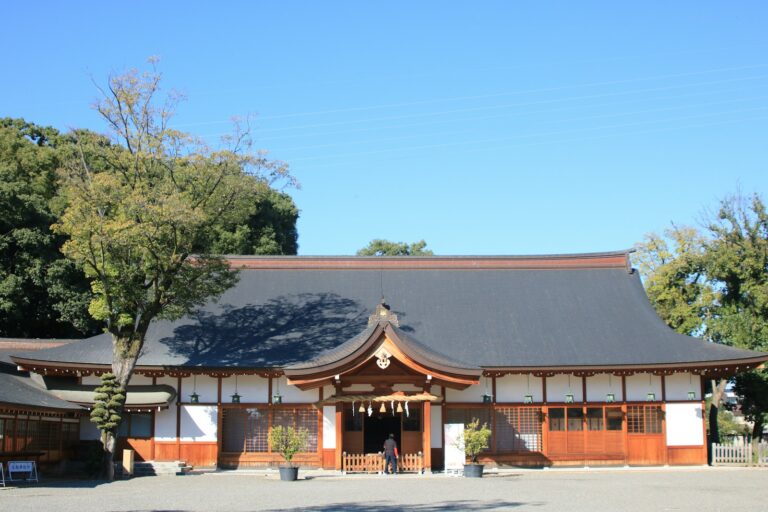 How Long to Spend at Sensoji Temple: 1 Hour, 2 Hours, or Half Day?
Plan the right Sensoji Temple visit length: 1 hour for highlights, 2-3 hours for Asakusa streets, or a half day with food, photos, a...
How Long to Spend at Sensoji Temple: 1 Hour, 2 Hours, or Half Day?
Plan the right Sensoji Temple visit length: 1 hour for highlights, 2-3 hours for Asakusa streets, or a half day with food, photos, a...
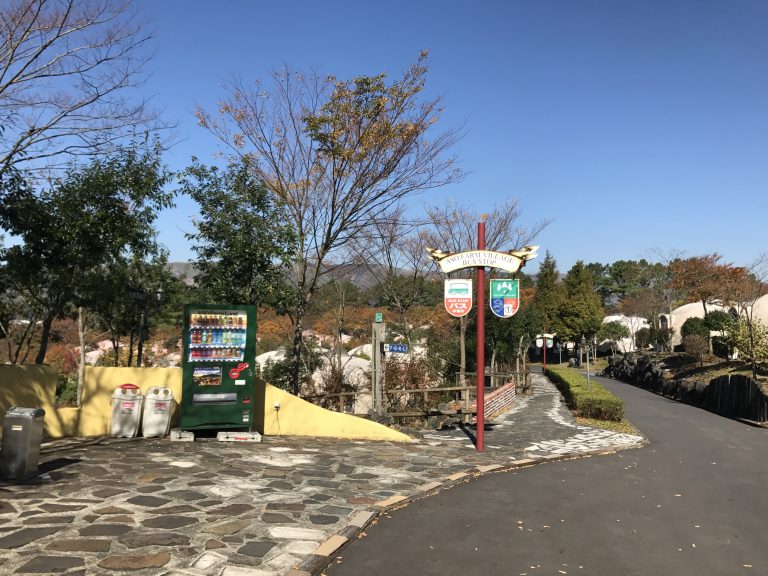 Aso Farm Village Guide: Stay, Day Trip, Access, and Is It Worth It?
Plan Aso Farm Village and Aso Farm Land with stay vs day-trip advice, time needed, access notes, family fit, and official informatio...
Aso Farm Village Guide: Stay, Day Trip, Access, and Is It Worth It?
Plan Aso Farm Village and Aso Farm Land with stay vs day-trip advice, time needed, access notes, family fit, and official informatio...
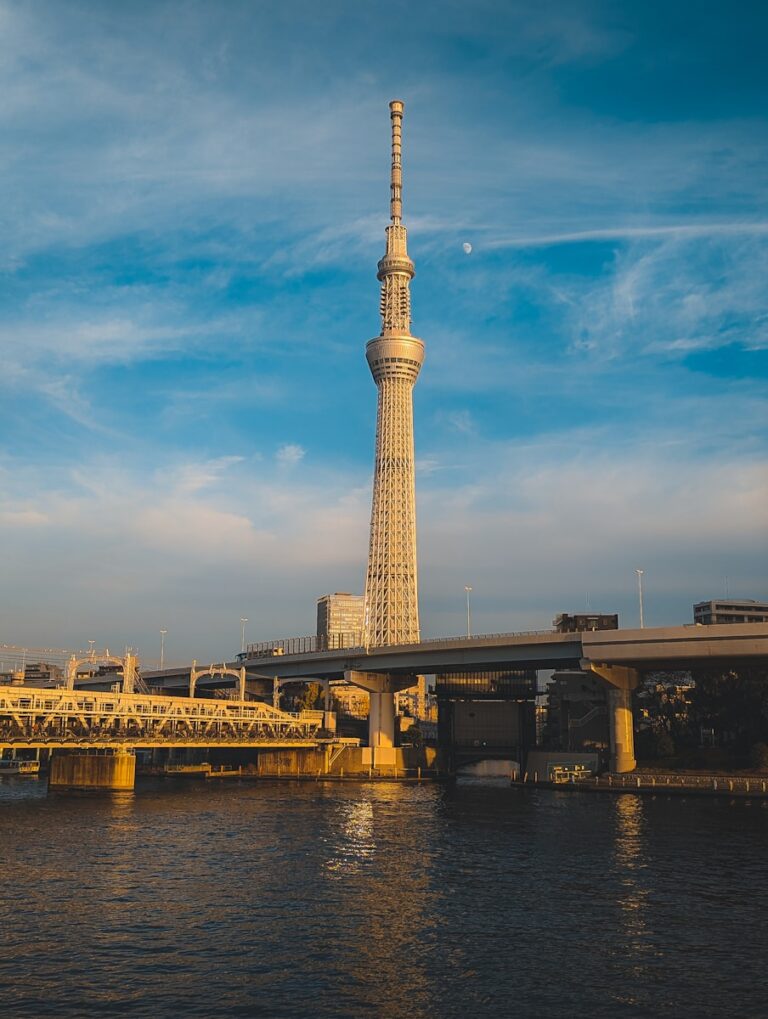 Tokyo Skytree Tembo Deck vs Galleria: Which Ticket Is Worth It?
Compare Tokyo Skytree Tembo Deck and Tembo Galleria by view, price, time needed, weather risk, and who should pay for the higher 450...
Tokyo Skytree Tembo Deck vs Galleria: Which Ticket Is Worth It?
Compare Tokyo Skytree Tembo Deck and Tembo Galleria by view, price, time needed, weather risk, and who should pay for the higher 450...
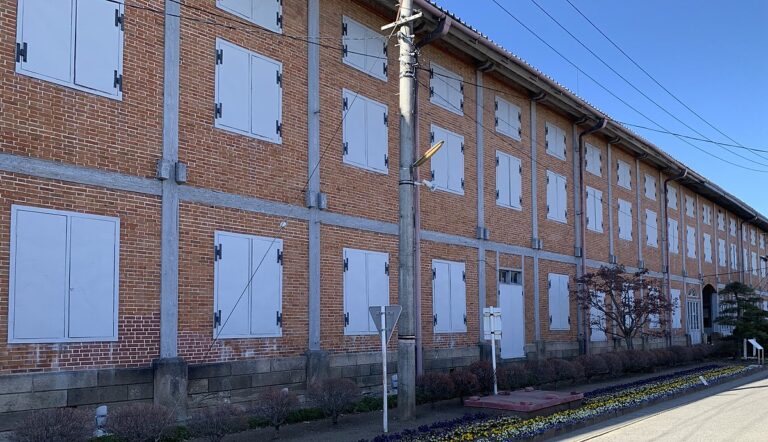 Things to Do in Tomioka City: Silk Mill, Mt. Myogi, and Safari Park
Plan what to do in Tomioka City, including Tomioka Silk Mill, access from Tokyo, Mt. Myogi, Gunma Safari Park, and a focused day-tri...
Things to Do in Tomioka City: Silk Mill, Mt. Myogi, and Safari Park
Plan what to do in Tomioka City, including Tomioka Silk Mill, access from Tokyo, Mt. Myogi, Gunma Safari Park, and a focused day-tri...
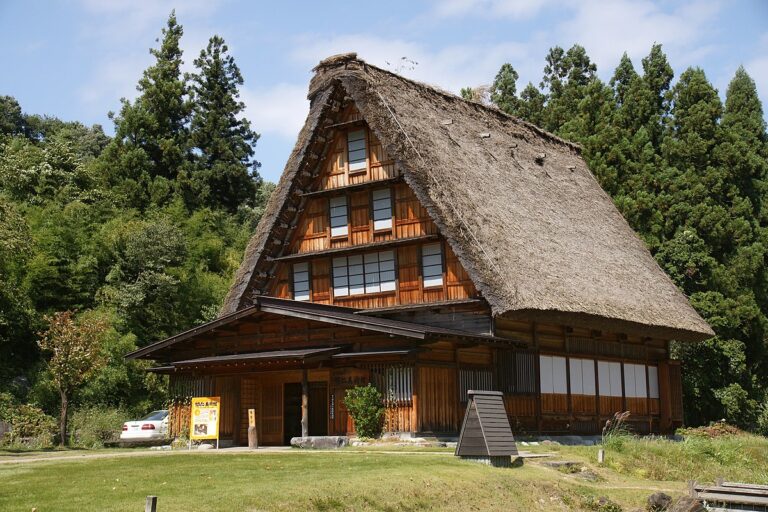 Museums in Gifu City: Art, History, and Half-Day Route
Compare museums in Gifu City for art, history, rainy days, and a half-day route around Gifu Prefectural Museum of Art and Gifu City...
Museums in Gifu City: Art, History, and Half-Day Route
Compare museums in Gifu City for art, history, rainy days, and a half-day route around Gifu Prefectural Museum of Art and Gifu City...
 New Chitose Airport Layover Guide: Time, Food, Shops, and Onsen
Plan a New Chitose Airport layover by time available, including food, shops, Royce Chocolate World, onsen, theater, and winter trave...
New Chitose Airport Layover Guide: Time, Food, Shops, and Onsen
Plan a New Chitose Airport layover by time available, including food, shops, Royce Chocolate World, onsen, theater, and winter trave...
New spots
-

Ago Bay (Shima City, Mie Prefecture)
Overview (History, Features, and Attractions) Ago Bay is an intricate bay on a ria coastline in Shima City, Mie Prefecture, and is known for its unique landscape, interwoven with numerous small islands and inlets. The area's topography, with its many inlets, has long been suitable for fishing and aquaculture, and is particularly known for its flourishing pearl farming industry. -
Mount Iwaki (Hirosaki City, Aomori Prefecture)
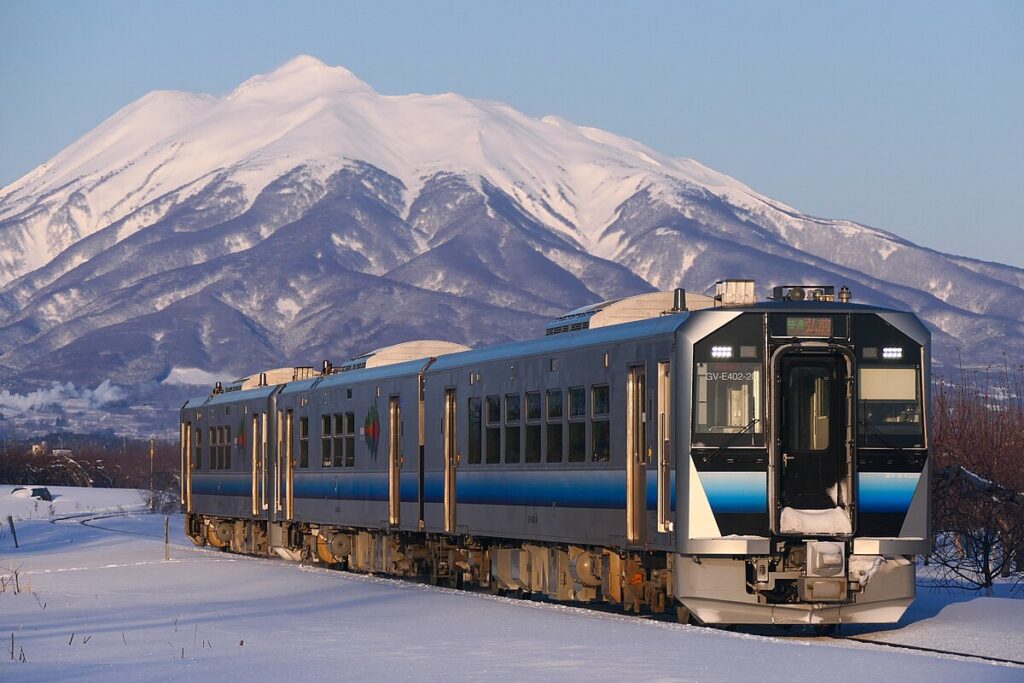
Overview (History, Features, and Attractions) Mount Iwaki is a stratovolcano located in Hirosaki City (Tsugaru region) in Aomori Prefecture, approximately 1,625 meters above sea level. Its symbolic shape, often referred to as "Tsugaru Fuji," makes it a popular spot for viewing the ocean, the Tsugaru Plain, and even Hokkaido in the distance from its summit, if the weather is good. -
Great Seto Bridge (Sakai City, Kagawa Prefecture)
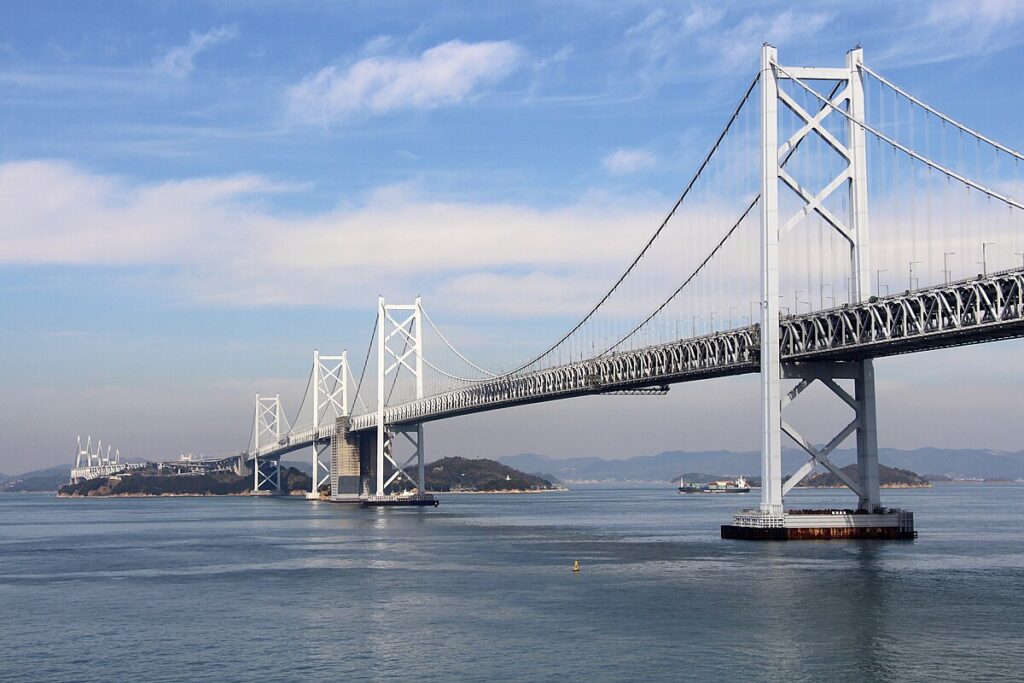
Overview (History, Features, and Attractions) The Seto Ohashi Bridge is a series of continuous bridges across the Seto Inland Sea connecting Honshu (near Kojima, Kurashiki City, Okayama Prefecture) and Shikoku (near Sakaide City, Kagawa Prefecture). Construction began in 1978 and the bridges opened on April 10, 1988. The bridge stretches approximately 13.1 km, combining road (upper section) and rail (lower section)... -
Yunomine Onsen (Motomiyacho, Tanabe City, Wakayama Prefecture)
Yunomine Onsen (Motomiya-cho, Tanabe City, Wakayama Prefecture) Overview (History, Features, and Attractions) Yunomine Onsen is a hot spring resort located in the Hongu area of the Kumano Kodo trail, and is considered one of Japan's oldest hot springs. As a pilgrimage site for Kumano, it has long been associated with faith and has been used by pilgrims for purification and to recover from fatigue. -
Ikoma Amusement Park (Ikoma City, Nara Prefecture)
Ikoma Sanjo Amusement Park (Ikoma City, Nara Prefecture) Overview (History, Features, and Attractions) Ikoma Sanjo Amusement Park is a small mountaintop amusement park located near the summit of Mount Ikoma in Ikoma City, Nara Prefecture. With a history dating back to the Showa period, it has developed alongside the opening of the Kintetsu Railway and the Ikoma Cable Car, making it a retro park with deep roots in the local area. -
Togoshi Ginza Shopping Street (Shinagawa Ward, Tokyo)
Overview (History, Features, and Attractions) Togoshi Ginza Shopping Street is a shopping street in Tokyo's Shinagawa Ward that stretches approximately 1.3 km in length, making it one of the longest in the city. Since the postwar reconstruction period, it has developed as a vital part of the local community, and is home to a wide variety of specialty shops, prepared food stores, restaurants, and general merchandise stores. -
Fukuoka PayPay Dome (Chuo-ku, Fukuoka City, Fukuoka Prefecture)
Overview (History, Features, and Attractions) Fukuoka PayPay Dome (Chuo-ku, Fukuoka City, Fukuoka Prefecture) is a large, all-weather dome stadium that represents Fukuoka and opened in 1993. It is famous as the home stadium of the Fukuoka SoftBank Hawks professional baseball team, and in addition to its function as a baseball stadium, it also hosts a variety of concerts and other events. -
Suizenji Jojuen Garden (Kumamoto City, Kumamoto Prefecture)
Suizenji Jojuen Garden (Kumamoto City, Kumamoto Prefecture) Overview (History, Features, and Attractions) Suizenji Jojuen Garden is a representative Japanese garden in Kumamoto City, with a pond-centered strolling garden format. It is said to have been developed by the feudal lord Hosokawa during the Edo period, and the garden... -
Wakura Onsen (Nanao City, Ishikawa Prefecture)
Overview (History, Features, and Attractions) Wakura Onsen, located in Nanao City, Ishikawa Prefecture, is one of the most well-known hot spring resorts on the Noto Peninsula. Facing Nanao Bay, it has long been popular as a therapeutic hot spring and seaside resort, boasting stunning views from its location near the sea and high-quality hot spring water. The spring water is a chloride spring (sodium... -
Saruhashi Bridge (Otsuki City, Yamanashi Prefecture)
Overview (History, Features, and Attractions) Saruhashi (Monkey Bridge) is a wooden tourist attraction in Otsuki City, Yamanashi Prefecture, known for the beautiful scenery created by the combination of a deep valley and a wooden bridge. There are various theories about the origin of the name, including "long ago, monkeys served as a bridge to cross the valley" and "the bridge's structure resembles a monkey's limbs.".