Plan Japan by practical travel questions
Find Japan travel spots, routes, and visit-duration guides.
Discover Japan organizes sightseeing spots and focused travel guides for first-time visitors. Start with a region, a place name, or a practical question such as how long to spend, what to eat, or how to plan a half-day route.
Search by travel question
Popular English travel guides
Planning guides travelers are already searching for
Start with focused answers for visit duration, half-day routes, ticket choices, family visits, airport food, and other practical decisions before you arrive.
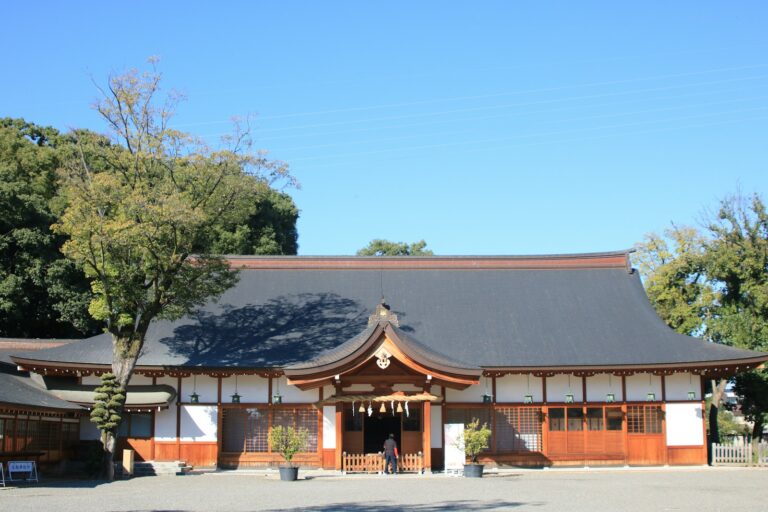 How Long to Spend at Sensoji Temple: 1 Hour, 2 Hours, or Half Day?
Plan the right Sensoji Temple visit length: 1 hour for highlights, 2-3 hours for Asakusa streets, or a half day with food, photos, a...
How Long to Spend at Sensoji Temple: 1 Hour, 2 Hours, or Half Day?
Plan the right Sensoji Temple visit length: 1 hour for highlights, 2-3 hours for Asakusa streets, or a half day with food, photos, a...
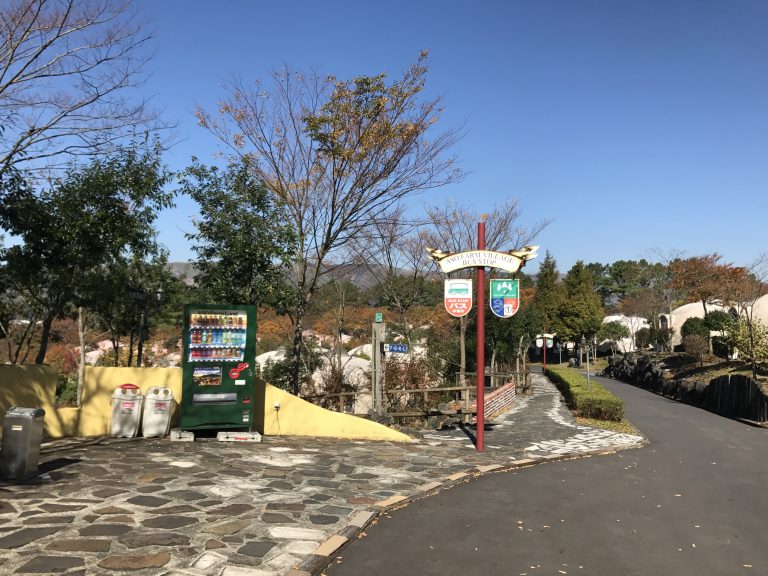 Aso Farm Village Guide: Stay, Day Trip, Access, and Is It Worth It?
Plan Aso Farm Village and Aso Farm Land with stay vs day-trip advice, time needed, access notes, family fit, and official informatio...
Aso Farm Village Guide: Stay, Day Trip, Access, and Is It Worth It?
Plan Aso Farm Village and Aso Farm Land with stay vs day-trip advice, time needed, access notes, family fit, and official informatio...
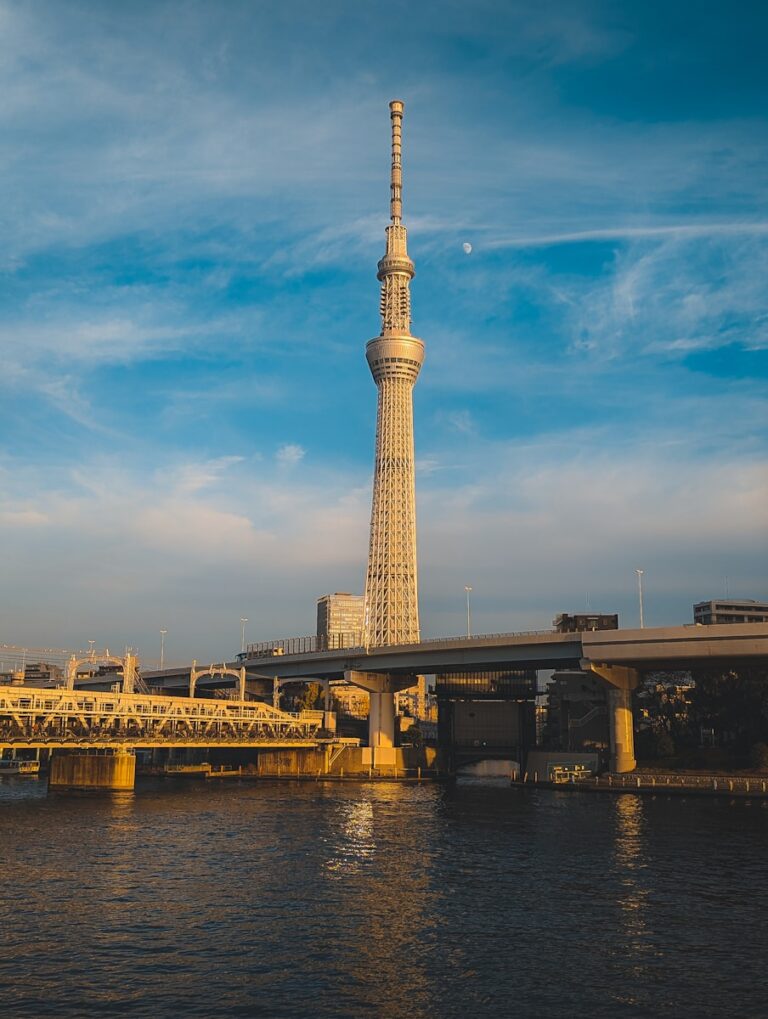 Tokyo Skytree Tembo Deck vs Galleria: Which Ticket Is Worth It?
Compare Tokyo Skytree Tembo Deck and Tembo Galleria by view, price, time needed, weather risk, and who should pay for the higher 450...
Tokyo Skytree Tembo Deck vs Galleria: Which Ticket Is Worth It?
Compare Tokyo Skytree Tembo Deck and Tembo Galleria by view, price, time needed, weather risk, and who should pay for the higher 450...
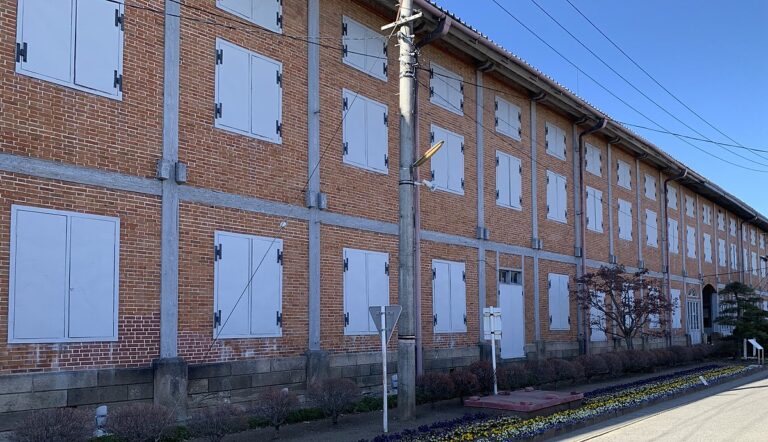 Things to Do in Tomioka City: Silk Mill, Mt. Myogi, and Safari Park
Plan what to do in Tomioka City, including Tomioka Silk Mill, access from Tokyo, Mt. Myogi, Gunma Safari Park, and a focused day-tri...
Things to Do in Tomioka City: Silk Mill, Mt. Myogi, and Safari Park
Plan what to do in Tomioka City, including Tomioka Silk Mill, access from Tokyo, Mt. Myogi, Gunma Safari Park, and a focused day-tri...
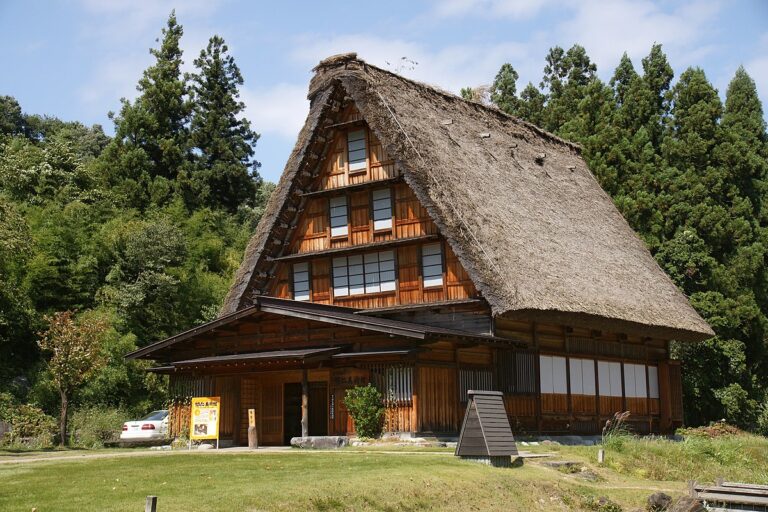 Museums in Gifu City: Art, History, and Half-Day Route
Compare museums in Gifu City for art, history, rainy days, and a half-day route around Gifu Prefectural Museum of Art and Gifu City...
Museums in Gifu City: Art, History, and Half-Day Route
Compare museums in Gifu City for art, history, rainy days, and a half-day route around Gifu Prefectural Museum of Art and Gifu City...
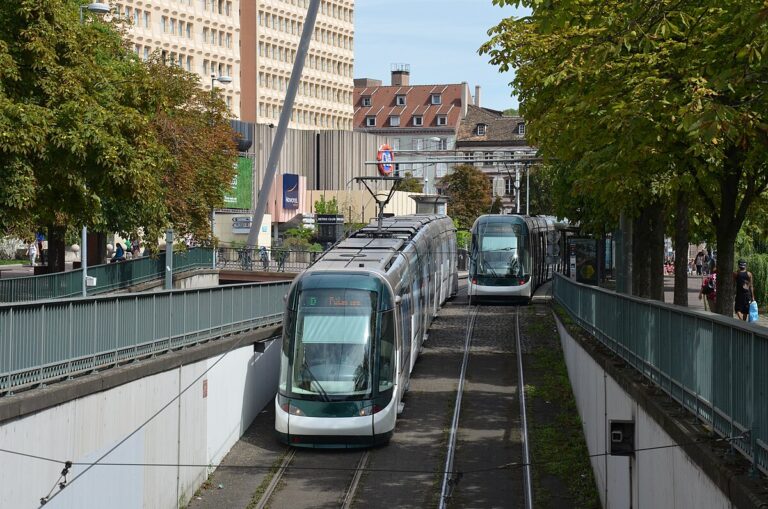 New Chitose Airport Layover Guide: Time, Food, Shops, and Onsen
Plan a New Chitose Airport layover by time available, including food, shops, Royce Chocolate World, onsen, theater, and winter trave...
New Chitose Airport Layover Guide: Time, Food, Shops, and Onsen
Plan a New Chitose Airport layover by time available, including food, shops, Royce Chocolate World, onsen, theater, and winter trave...
New spots
-

Nusamai Bridge (Kushiro City, Hokkaido)
Overview (History, Features, and Attractions) Nusamai Bridge is a representative bridge over the Kushiro River that flows through downtown Kushiro, Hokkaido, and is one of the city's landmarks. Its name, "Nusamai," is said to be derived from the Ainu language, and remains a name connected to the region's history and nature. -
Tonohetsuri (Shimogo Town, Fukushima Prefecture)
Overview (History, Features, and Attractions) "To-no-Hetsuri" is a scenic valley located in Shimogo Town, Minamiaizu District, Fukushima Prefecture. Its distinctive features include a mountain stream and a group of unusually shaped rocks rising in the shape of pillars and towers. In the local dialect, "Hetsuri" means "cliff," and the area is made of tuff (rock formed from solidified volcanic ash) formed by erosion by the river over many years. -
Shikisai no Oka (Biei, Hokkaido)
Shikisai no Oka (Biei, Hokkaido) Overview (History, Features, and Attractions) Shikisai no Oka is a tourist flower field spot that spreads across the hilly region of Biei. Colorful flowers are planted in a patchwork pattern on the slopes, and their changing appearance with each season from spring to autumn is a major attraction. The fields are... -
Kirigamine (Chino City, Nagano Prefecture)
Overview (History, Features, and Attractions) Kirigamine is a plateau (highland plateau) stretching across the area surrounding Chino City and Suwa County in Nagano Prefecture. Located on the southern side of the Yatsugatake mountain range, it is a representative highland resort. The plateau stretches from 1,400 to 1,900 meters above sea level, and is characterized by its rolling grasslands and marshland landscapes. -
Matsusaka Castle (Matsusaka City, Mie Prefecture)
Overview (History, Features, and Attractions) Matsusaka Castle is a castle ruin in Matsusaka City, Mie Prefecture, originally built at the end of the Sengoku period. It is deeply connected to the development of the castle town of Matsusaka, and is characterized by the remaining remains of stone walls, moats, and enclosures. During the Edo period, it served as the domain's administrative headquarters... -
Shiratori Bridge (Muroran, Hokkaido)
Shiratori Bridge (Muroran, Hokkaido) — Overview (History, Features, and Attractions) Shiratori Bridge is a large-scale cable-stayed bridge spanning over 1 km in length across Muroran City, Hokkaido, connecting the city's transportation network across Muroran Port and the intricate coastline. Built in the 1990s, it was designed to improve port functions and regional transportation... -
Sumoto Castle (Sumoto City, Hyogo Prefecture)
Overview (History, Features, and Attractions) Sumoto Castle is a castle ruin in Sumoto City, Hyogo Prefecture. It is one of the mountain castles (hill castles) located in the central part of Awaji Island. Built during the Sengoku period, it served as a key transportation and defense point for Awaji Island. During the Edo period, the entire island came under the control of the Tokushima Domain (Hachisuka clan). -
Sankyo Warehouse (Sakata City, Yamagata Prefecture)
Overview (History, Features, and Attractions) Sankyo Soko is a group of historic warehouses in Sakata City, Yamagata Prefecture, originally built to store and trade rice harvested in the Shonai Plain. Developed as a base for rice distribution and trade from the Meiji to Taisho periods, the neatly lined white-walled storehouses... -
Nita Pass (Unzen City, Nagasaki Prefecture)
Overview (History, Features, and Attractions) Nita Pass is an observation point located midway up the Unzen volcanic group in Unzen City, Nagasaki Prefecture. It is a famous spot offering panoramic views of Mount Unzen (including Mount Fugen and Mount Heisei Shinzan), the Ariake Sea, and the Shimabara Peninsula. Unzen has long flourished as a hot spring resort, and was a popular tourist destination from the Meiji to Showa periods. -
Saga Castle Honmaru History Museum (Saga City, Saga Prefecture)
[Overview (History, Features, and Attractions)] The Saga Castle Honmaru History Museum is a historical museum built on the site of the Honmaru (main keep) of Saga Castle, which was the base of the Saga Domain (Nabeshima clan) during the Edo period. The Saga Domain, located close to Nagasaki, was proactive in introducing Dutch studies (Western studies) and Western technology, and played a major role in producing talented people and modernizing the region during the Meiji Restoration.