Plan Japan by practical travel questions
Find Japan travel spots, routes, and visit-duration guides.
Discover Japan organizes sightseeing spots and focused travel guides for first-time visitors. Start with a region, a place name, or a practical question such as how long to spend, what to eat, or how to plan a half-day route.
Search by travel question
Popular English travel guides
Planning guides travelers are already searching for
Start with focused answers for visit duration, half-day routes, ticket choices, family visits, airport food, and other practical decisions before you arrive.
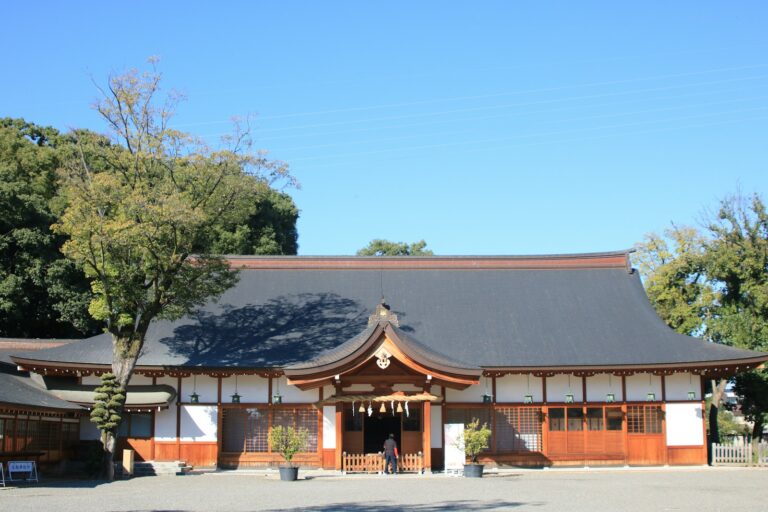 How Long to Spend at Sensoji Temple: 1 Hour, 2 Hours, or Half Day?
Plan the right Sensoji Temple visit length: 1 hour for highlights, 2-3 hours for Asakusa streets, or a half day with food, photos, a...
How Long to Spend at Sensoji Temple: 1 Hour, 2 Hours, or Half Day?
Plan the right Sensoji Temple visit length: 1 hour for highlights, 2-3 hours for Asakusa streets, or a half day with food, photos, a...
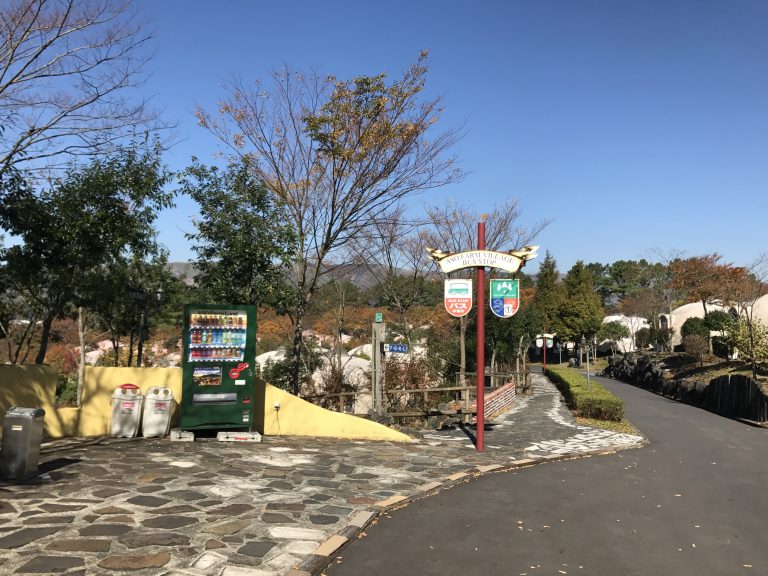 Aso Farm Village Guide: Stay, Day Trip, Access, and Is It Worth It?
Plan Aso Farm Village and Aso Farm Land with stay vs day-trip advice, time needed, access notes, family fit, and official informatio...
Aso Farm Village Guide: Stay, Day Trip, Access, and Is It Worth It?
Plan Aso Farm Village and Aso Farm Land with stay vs day-trip advice, time needed, access notes, family fit, and official informatio...
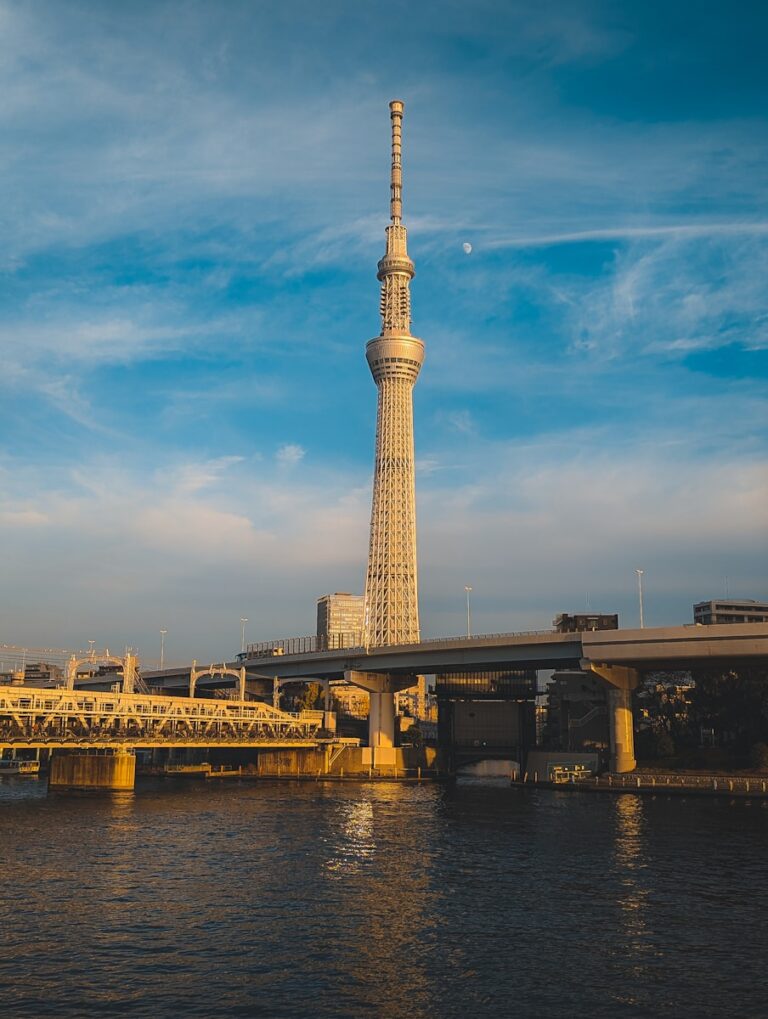 Tokyo Skytree Tembo Deck vs Galleria: Which Ticket Is Worth It?
Compare Tokyo Skytree Tembo Deck and Tembo Galleria by view, price, time needed, weather risk, and who should pay for the higher 450...
Tokyo Skytree Tembo Deck vs Galleria: Which Ticket Is Worth It?
Compare Tokyo Skytree Tembo Deck and Tembo Galleria by view, price, time needed, weather risk, and who should pay for the higher 450...
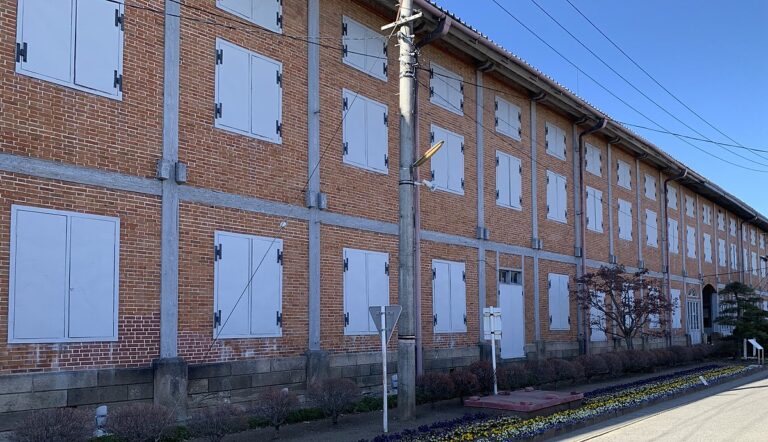 Things to Do in Tomioka City: Silk Mill, Mt. Myogi, and Safari Park
Plan what to do in Tomioka City, including Tomioka Silk Mill, access from Tokyo, Mt. Myogi, Gunma Safari Park, and a focused day-tri...
Things to Do in Tomioka City: Silk Mill, Mt. Myogi, and Safari Park
Plan what to do in Tomioka City, including Tomioka Silk Mill, access from Tokyo, Mt. Myogi, Gunma Safari Park, and a focused day-tri...
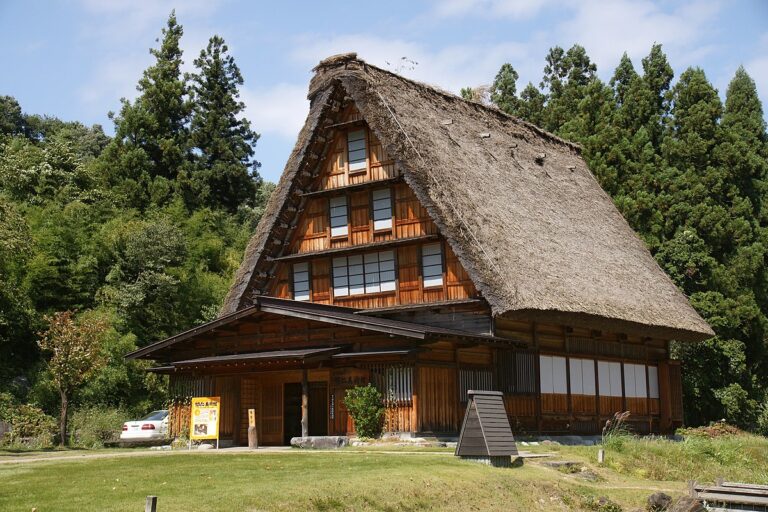 Museums in Gifu City: Art, History, and Half-Day Route
Compare museums in Gifu City for art, history, rainy days, and a half-day route around Gifu Prefectural Museum of Art and Gifu City...
Museums in Gifu City: Art, History, and Half-Day Route
Compare museums in Gifu City for art, history, rainy days, and a half-day route around Gifu Prefectural Museum of Art and Gifu City...
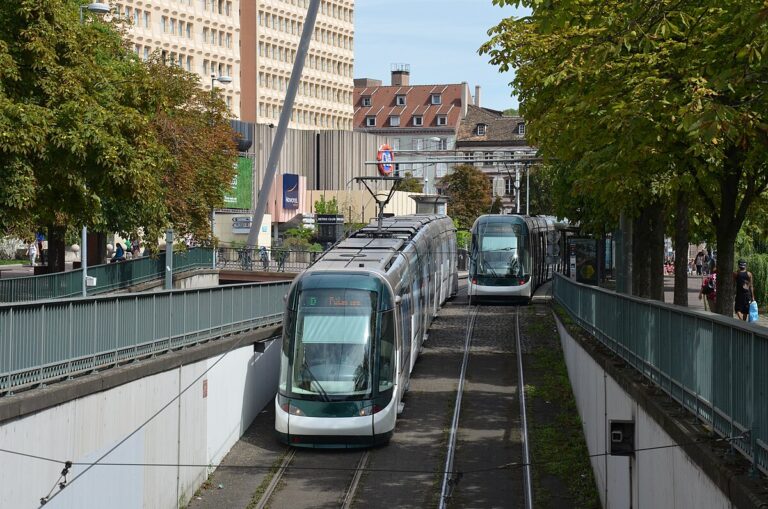 New Chitose Airport Layover Guide: Time, Food, Shops, and Onsen
Plan a New Chitose Airport layover by time available, including food, shops, Royce Chocolate World, onsen, theater, and winter trave...
New Chitose Airport Layover Guide: Time, Food, Shops, and Onsen
Plan a New Chitose Airport layover by time available, including food, shops, Royce Chocolate World, onsen, theater, and winter trave...
New spots
-

Zushi Beach (Zushi City, Kanagawa Prefecture)
Zushi Beach (Zushi City, Kanagawa Prefecture) — Overview (History, Features, and Attractions) Zushi Beach is a swimming beach located in the northwestern part of the Miura Peninsula, adjacent to Kamakura and Hayama. It is easily accessible from central Tokyo and is a popular spot for day trips. The sandy beach has a gentle slope and relatively calm waves, making it a popular spot for families and beachgoers... -
Echizen Coast (Echizen Town, Nyu District, Fukui Prefecture)
Overview (History, Features, and Attractions) The Echizen Coast (Echizen Town, Nyu District, Fukui Prefecture) is a scenic spot known for its varied coastline facing the Sea of Japan and its bountiful seafood. The name "Echizen" comes from the ancient Echizen Province, and the area has long prospered through fishing and coastal trade. The area is home to reefs and cliffs formed by igneous rocks and erosion, as well as... -
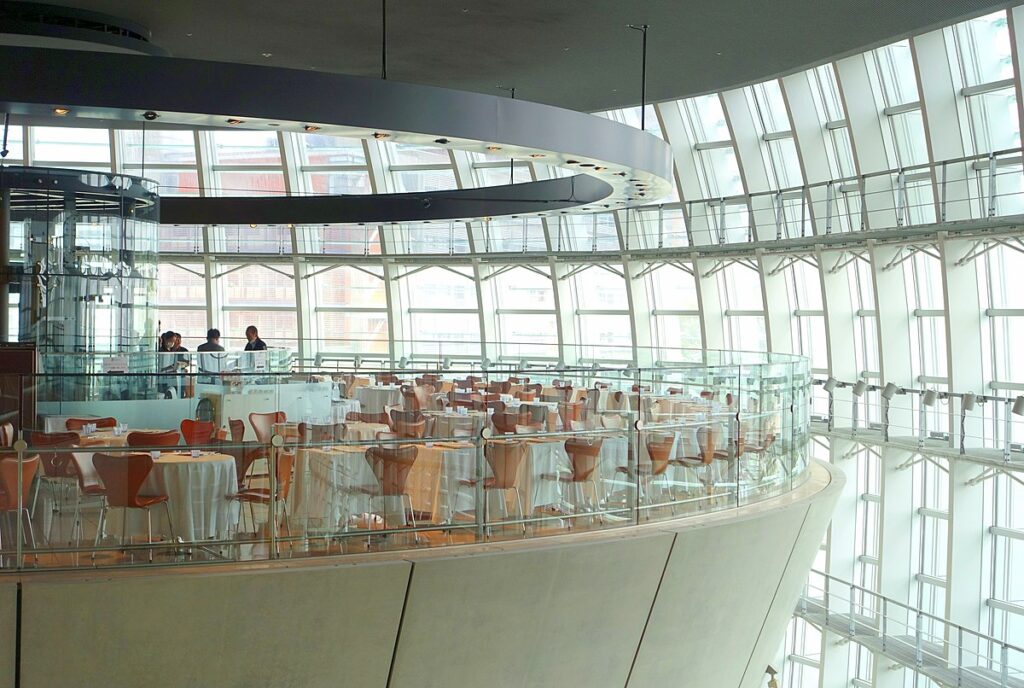
The National Art Center, Tokyo (Roppongi, Minato-ku, Tokyo)
The National Art Center, Tokyo (Roppongi, Minato Ward, Tokyo) Overview (History, Features, and Appeal) The National Art Center, Tokyo is a large-scale art museum located in Roppongi, Minato Ward, Tokyo, with a focus on temporary exhibitions. It does not have a permanent collection, but instead organizes and hosts a diverse range of exhibitions from Japan and abroad, showcasing a wide range of art, from contemporary art to classics, design, photography, and crafts. -
Ushimado Olive Garden (Ushimado-cho, Setouchi City, Okayama Prefecture)
Overview (History, Features, and Attractions) Ushimado Olive Garden is an olive-themed tourist facility and park located in Ushimado Town, Setouchi City, Okayama Prefecture. The olive groves, which spread across a small hill facing the Seto Inland Sea, offer views of the calm sea dotted with islands and blue skies, creating a landscape often referred to as "Japan's Aegean Sea.". -
Koami Shrine (Chuo Ward, Tokyo)
Koami Shrine (Chuo Ward, Tokyo) Overview (History, Features, and Attractions) Koami Shrine is a small parishioner shrine located in the Nihonbashi/Ningyocho area of Chuo Ward, Tokyo. With traditions dating back to the Edo period, it is widely worshipped for business prosperity, protection from evil, and financial luck. Surrounded by city buildings, it boasts a tranquil, green setting... -
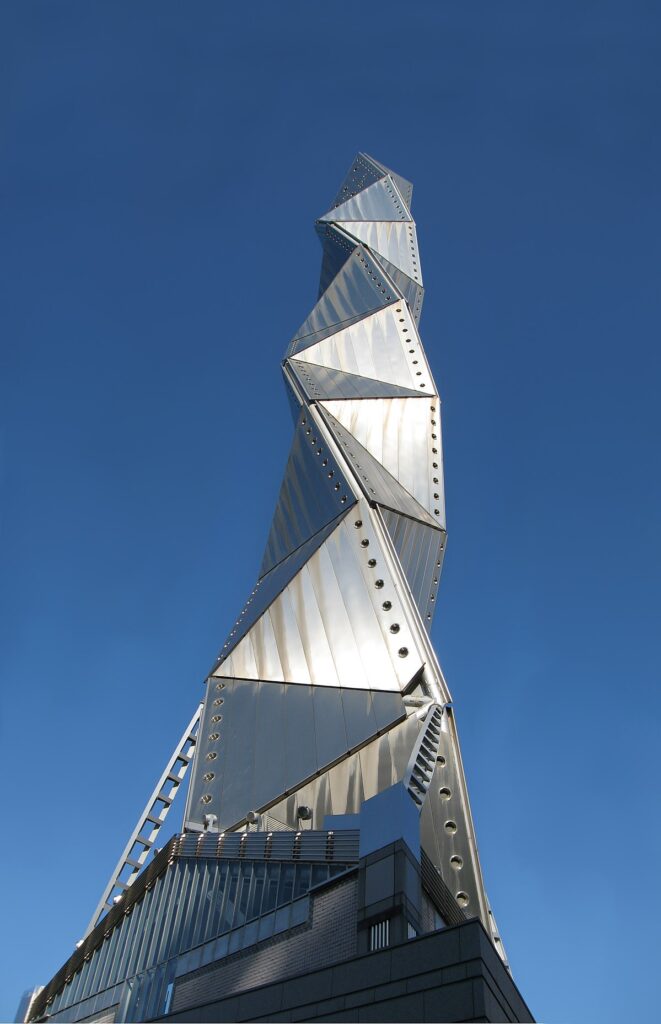
Art Tower Mito (Mito City, Ibaraki Prefecture)
How long should you spend at Mito Art Tower and what to see? Mito Art Tower is a place where you can easily see everything; if you only want to see the exhibitions, it takes 1 to 1.5 hours. If you also want to see the art tower, outdoor sculptures, and visit the cafe, it takes around 2 hours. The length of your visit will vary depending on whether there are special exhibitions or performances, so be sure to check the latest information before you go... -
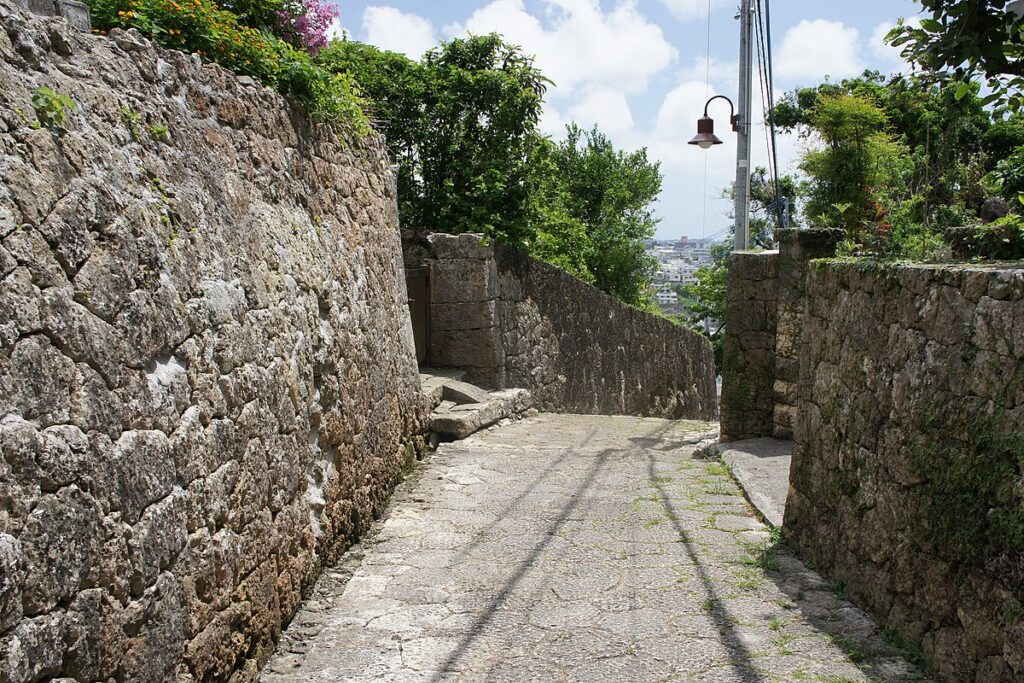
Shuri Kinjo Town Cobblestone Road (Naha City, Okinawa Prefecture)
Overview (History, Features, and Attractions) Shuri Kinjocho Stone-Paved Road is a historic stone-paved road in Shuri, Naha City, Okinawa Prefecture. It has served as a residential road connecting the castle town since the Ryukyu Kingdom era, and even today, the stone pavement, stone walls, and red-tiled houses retain the atmosphere of that time... -
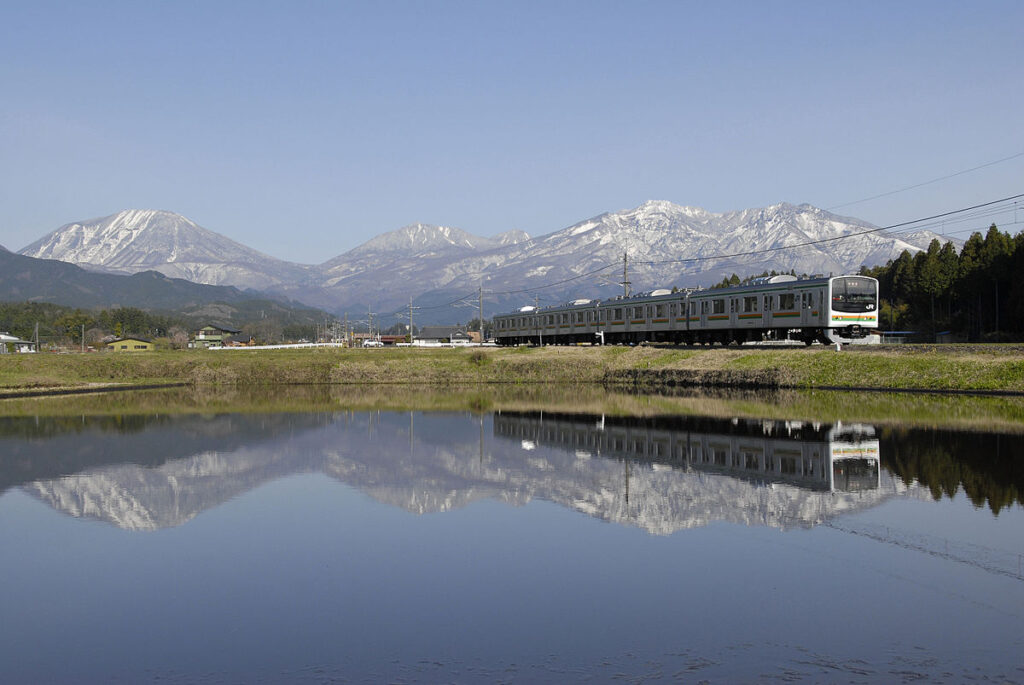
Mount Nantai (Nikko City, Tochigi Prefecture)
Overview (History, Features, and Attractions) Mount Nantai is a stratovolcano located in Nikko City, Tochigi Prefecture, at an elevation of approximately 2,486 meters, and is the central figure in the Nikko mountain range. It has been an object of mountain worship since ancient times, and as Mount Futarasan, it has a deep connection with Futarasan Shrine (Chugūshi and main shrine). Located on the shores of Lake Chuzenji... -
Hokkaido Government Red Brick Building (Sapporo, Hokkaido)
Overview (History, Features, and Attractions) The Former Hokkaido Government Office Building (commonly known as the Red Brick Building) is a representative historical building in Sapporo, built during the Meiji period. Its distinctive red brick construction and central dome-style tower convey the Western architectural style of the time. It once served as the administrative center of Hokkaido, and today... -
Sawara Townscape (Katori City, Chiba Prefecture)
Overview (History, Features, and Attractions) The townscape of Sawara (Katori City, Chiba Prefecture) is an area that beautifully preserves the scenery of a town that prospered through water transportation and commerce since the Edo period. Old merchant houses, storehouses, and white plaster-walled buildings line the Ono River. The town is also known as "Water Town," and the river is used as a transportation hub for daily life and logistics...