Plan Japan by practical travel questions
Find Japan travel spots, routes, and visit-duration guides.
Discover Japan organizes sightseeing spots and focused travel guides for first-time visitors. Start with a region, a place name, or a practical question such as how long to spend, what to eat, or how to plan a half-day route.
Search by travel question
Popular English travel guides
Planning guides travelers are already searching for
Start with focused answers for visit duration, half-day routes, ticket choices, family visits, airport food, and other practical decisions before you arrive.
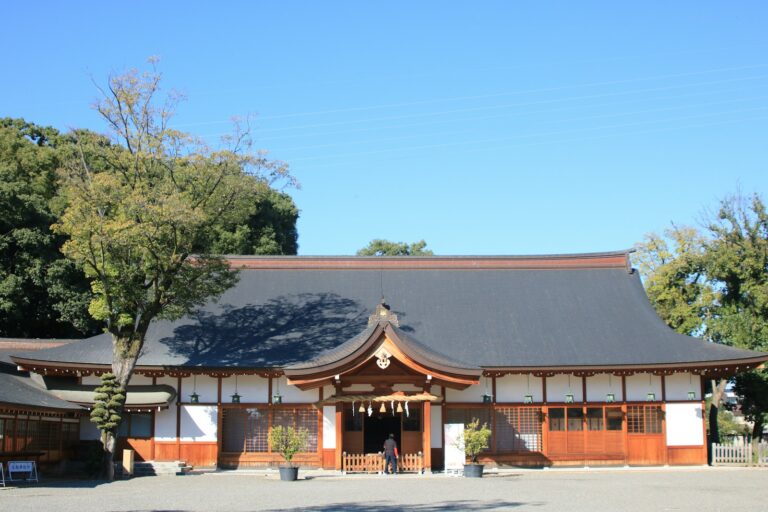 How Long to Spend at Sensoji Temple: 1 Hour, 2 Hours, or Half Day?
Plan the right Sensoji Temple visit length: 1 hour for highlights, 2-3 hours for Asakusa streets, or a half day with food, photos, a...
How Long to Spend at Sensoji Temple: 1 Hour, 2 Hours, or Half Day?
Plan the right Sensoji Temple visit length: 1 hour for highlights, 2-3 hours for Asakusa streets, or a half day with food, photos, a...
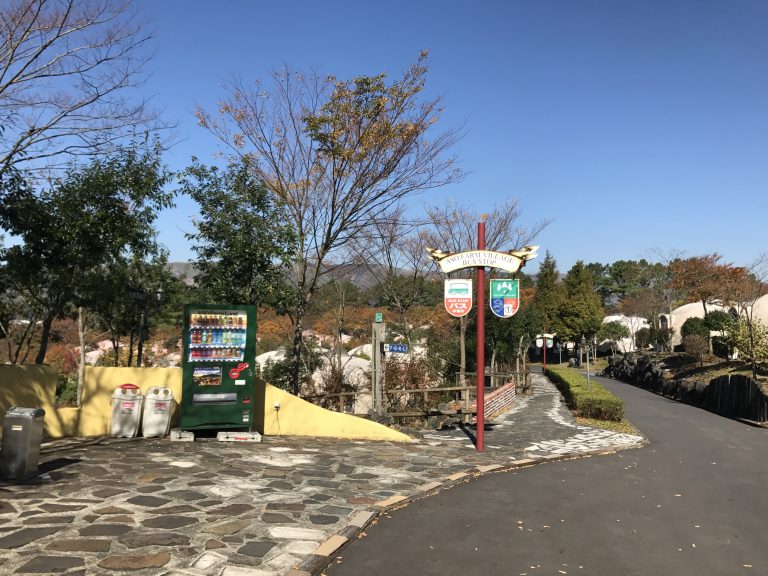 Aso Farm Village Guide: Stay, Day Trip, Access, and Is It Worth It?
Plan Aso Farm Village and Aso Farm Land with stay vs day-trip advice, time needed, access notes, family fit, and official informatio...
Aso Farm Village Guide: Stay, Day Trip, Access, and Is It Worth It?
Plan Aso Farm Village and Aso Farm Land with stay vs day-trip advice, time needed, access notes, family fit, and official informatio...
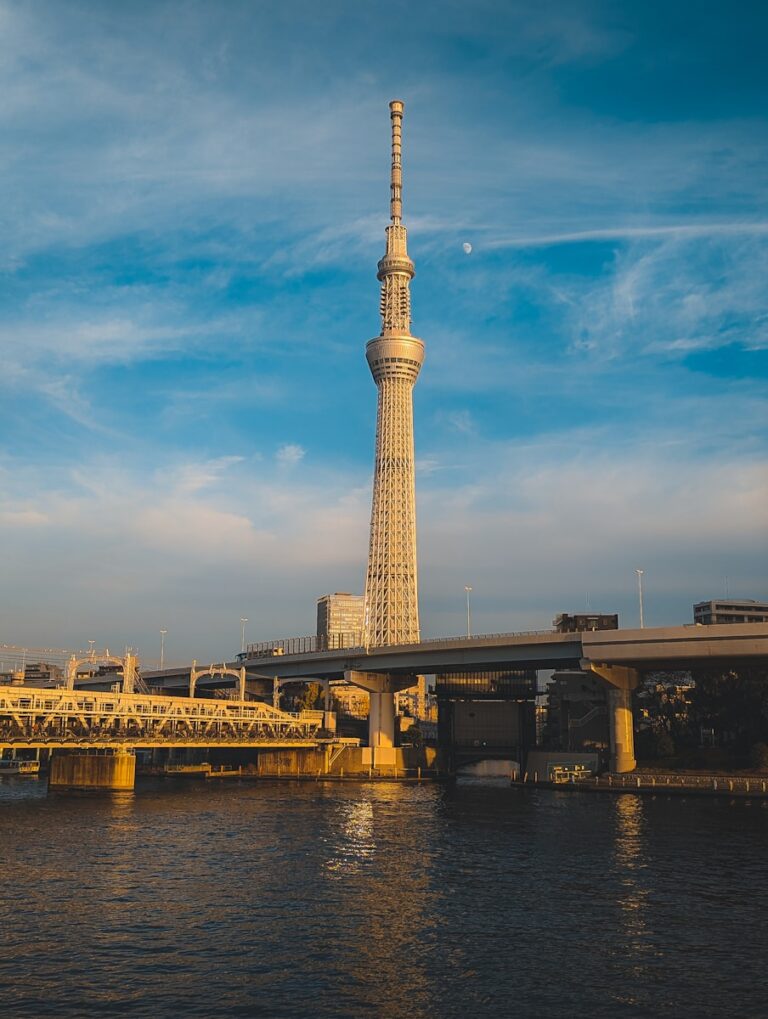 Tokyo Skytree Tembo Deck vs Galleria: Which Ticket Is Worth It?
Compare Tokyo Skytree Tembo Deck and Tembo Galleria by view, price, time needed, weather risk, and who should pay for the higher 450...
Tokyo Skytree Tembo Deck vs Galleria: Which Ticket Is Worth It?
Compare Tokyo Skytree Tembo Deck and Tembo Galleria by view, price, time needed, weather risk, and who should pay for the higher 450...
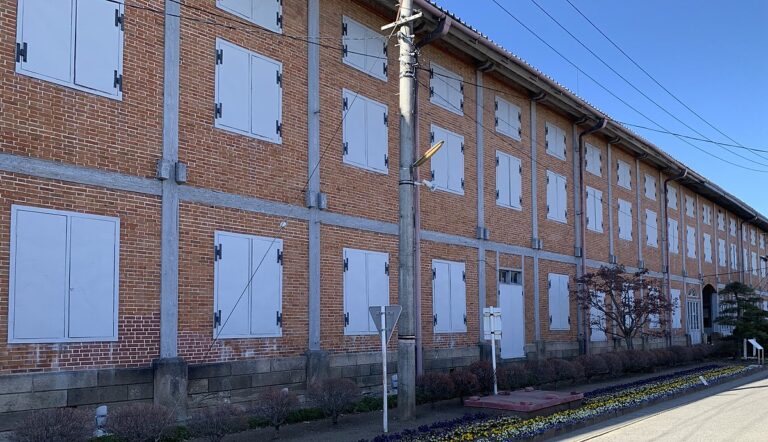 Things to Do in Tomioka City: Silk Mill, Mt. Myogi, and Safari Park
Plan what to do in Tomioka City, including Tomioka Silk Mill, access from Tokyo, Mt. Myogi, Gunma Safari Park, and a focused day-tri...
Things to Do in Tomioka City: Silk Mill, Mt. Myogi, and Safari Park
Plan what to do in Tomioka City, including Tomioka Silk Mill, access from Tokyo, Mt. Myogi, Gunma Safari Park, and a focused day-tri...
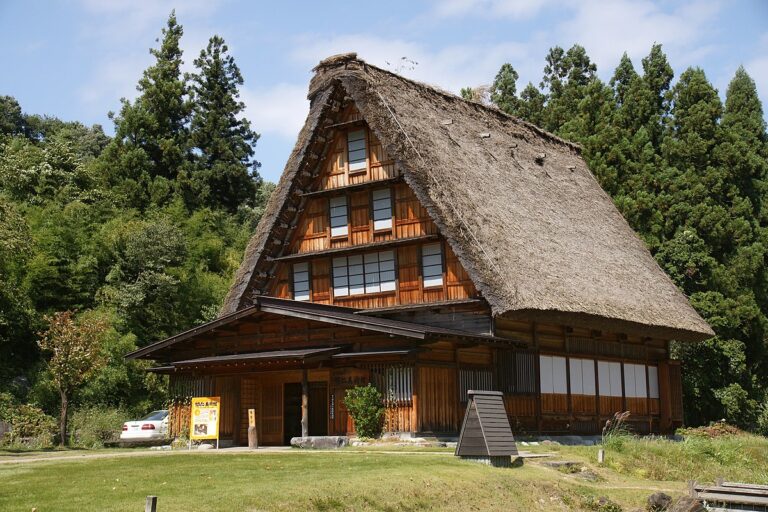 Museums in Gifu City: Art, History, and Half-Day Route
Compare museums in Gifu City for art, history, rainy days, and a half-day route around Gifu Prefectural Museum of Art and Gifu City...
Museums in Gifu City: Art, History, and Half-Day Route
Compare museums in Gifu City for art, history, rainy days, and a half-day route around Gifu Prefectural Museum of Art and Gifu City...
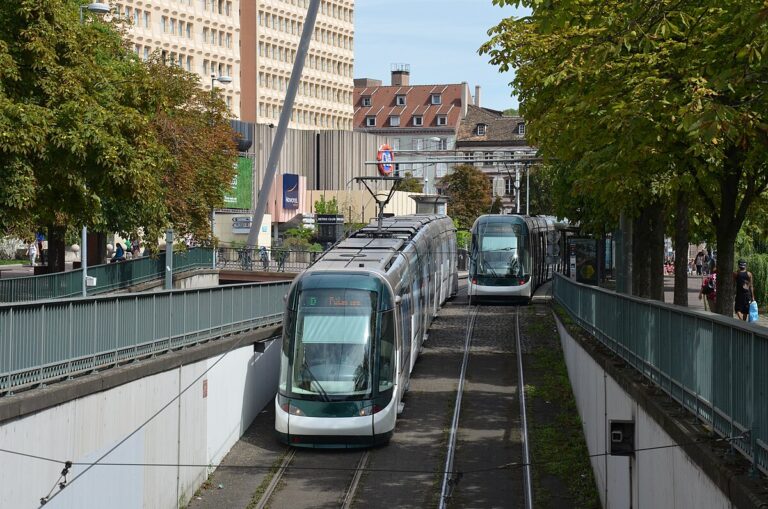 New Chitose Airport Layover Guide: Time, Food, Shops, and Onsen
Plan a New Chitose Airport layover by time available, including food, shops, Royce Chocolate World, onsen, theater, and winter trave...
New Chitose Airport Layover Guide: Time, Food, Shops, and Onsen
Plan a New Chitose Airport layover by time available, including food, shops, Royce Chocolate World, onsen, theater, and winter trave...
New spots
-

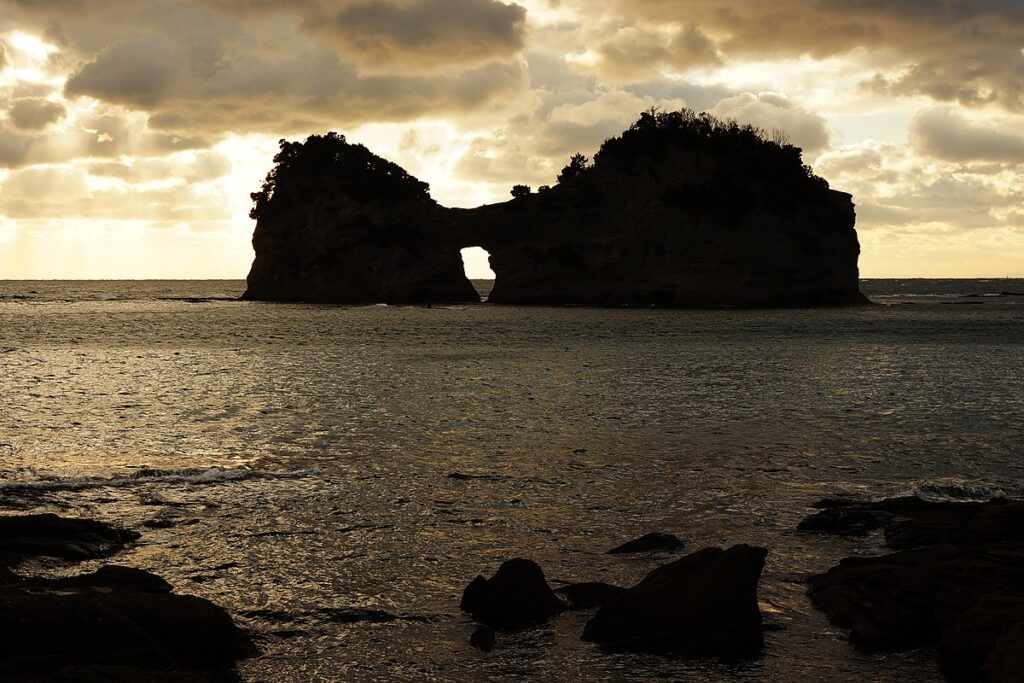
Engetsuto (Shirahama Town, Nishimuro District, Wakayama Prefecture)
Overview (History, Features, and Attractions) Engetsuto is a small sea-eroded island off the coast of Shirahama Town, Nishimuro District, Wakayama Prefecture. A round hole has been created in the center of the island by marine erosion, giving it the appearance of a full moon, hence the name. The island is a tall, gaping "hole" in the sea... -
Cape Futtsu (Futtsu City, Chiba Prefecture)
Overview (History, Features, and Attractions) Cape Futtsu is a peninsula-like cape jutting out into Tokyo Bay in Futtsu City, Chiba Prefecture. Its long tip, formed by the accumulation of sand and mud, is a distinctive feature. It offers an open feeling of expansive sea and sky, views of the Tokyo Bay Aqua-Line and the Boso and Miura Peninsulas on the opposite shore, and is a particularly famous spot for sunsets. -
Ichihara Elephant Kingdom (Ichihara City, Chiba Prefecture)
Overview (History, Features, and Attractions) Ichihara Elephant Kingdom is an experiential zoo and theme facility centered around elephants, located in Ichihara City, Chiba Prefecture. Since its founding, the facility has placed great importance on the care and protection of elephants and the interaction between them and people. It offers a variety of activities, including elephant shows, interactive events, feedings, elephant walks, and commemorative photo opportunities. -
Noto Kongo (Suzu City, Ishikawa Prefecture)
Overview (History, Features, and Attractions) Noto Kongo is the collective name for the scenic coastal area stretching across the northern tip of Suzu City, Ishikawa Prefecture. Its ria coastline, lined with rugged cliffs, oddly shaped rocks, and caves carved by the waves, is a fascinating sight. The unique topography, formed over many years by wave erosion,... -
Niijima (Niijima Village, Tokyo)
Overview (History, Features, and Attractions) Niijima is one of the inhabited islands in Niijima Village, Tokyo, located in the northern part of the Izu Islands. Formed by volcanic activity, the island is known for its fine white sand beaches, rich marine environment, and laid-back island lifestyle. The white sand beaches of Habushiura and other areas are particularly popular... -
Hakone Checkpoint (Hakone Town, Kanagawa Prefecture)
Overview (History, Features, and Attractions) Hakone Sekisho (Hakone Sekisho Ruins) is the remains and restoration of a checkpoint established as a key point on the Tokaido road during the Edo period. As part of the Tokugawa shogunate's transportation and security policies, it was responsible for inspecting people and baggage, preventing the outflow of women and weapons, and monitoring sankin-kotai (alternate attendance) and traffic. -
Tokyo Midtown (Minato Ward, Tokyo)
Tokyo Midtown (Minato Ward, Tokyo) Overview (History, Features, and Attractions) Tokyo Midtown is a large-scale complex located in the Roppongi area of Minato Ward, Tokyo. Opened in 2007, it is an urban space that combines offices, commercial facilities, a hotel, an art museum, medical facilities, and green spaces (gardens). -
Kawazu Seven Waterfalls (Kawazu Town, Shizuoka Prefecture)
Overview (History, Features, and Attractions) Kawazu Nanadaru is the collective name for seven waterfalls scattered along the upper reaches of the Kawazu River, which flows through Kawazu Town, Kamo District, Shizuoka Prefecture. The valley, formed by volcanic activity and erosion, is a beautiful sight, and the scenery of the waterfalls, rock faces, and greenery changes with the seasons. The Kawazu cherry blossoms in early spring are particularly... -
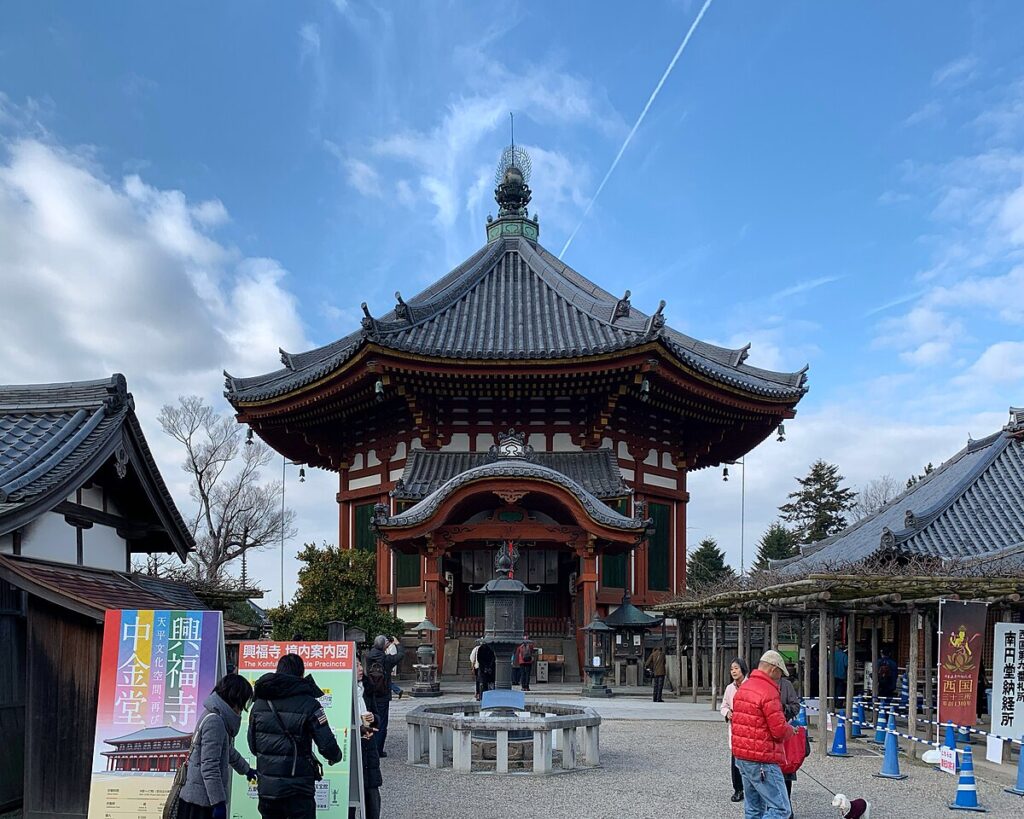
Kofuku-ji Temple (Nara City, Nara Prefecture)
Overview (History, Features, and Attractions) Kofuku-ji Temple is an ancient temple located in the center of Nara City, on the edge of Nara Park. Founded during the Asuka and Nara periods as the family temple of the Fujiwara clan, it continued to develop as a temple representative of Nara's Buddhist culture. Along with Todai-ji Temple and Kasuga Taisha Shrine, it is designated as one of the "Cultural Properties of Ancient Nara.". -
Snow Valley (Tateyama Town, Toyama Prefecture)
Overview (History, Features, Attractions) Yuki-no-Oya is one of the most popular tourist spots on the Tateyama Kurobe Alpine Route in Tateyama Town, Toyama Prefecture. It features snow walls (snow colossi) that can be seen from spring to early summer, ranging in height from several meters to 20 meters. Located in an area that experiences heavy winter snowfall...