Tourist attractions--archive--
-

Matsushiro Castle (Nagano City, Nagano Prefecture)
Overview (History, Features, and Attractions) Matsushiro Castle is a castle ruin located in the Matsushiro district of Nagano City. It dates back to the Sengoku period and served as the center of the Matsushiro domain, ruled by the Sanada clan, during the Edo period. It was also known as Kaizu Castle in the past. The castle tower no longer remains... -
Choshi Electric Railway (Choshi City, Chiba Prefecture)
Overview (History, Features, and Attractions) The Choshi Electric Railway (Choshi Electric Railroad) is a local private railway that runs through Choshi City, Chiba Prefecture. Opened in the Taisho period, this historic line operates on a short route of approximately 6km from Choshi Station (JR) to Tokawa Station. Its retro carriages, rustic station buildings, and coastal scenery... -
Ukimido (Nara City, Nara Prefecture)
Overview (History, Features, and Attractions) Ukimido is an octagonal wooden stage-like building that juts out over a pond near Nara Park. Its name comes from the way its reflection on the water's surface makes it appear as if it is "floating." It has long been a beloved sight among Nara residents and pilgrims, and is especially popular for its cherry blossoms and... -
Noto Island (Nanao City, Ishikawa Prefecture)
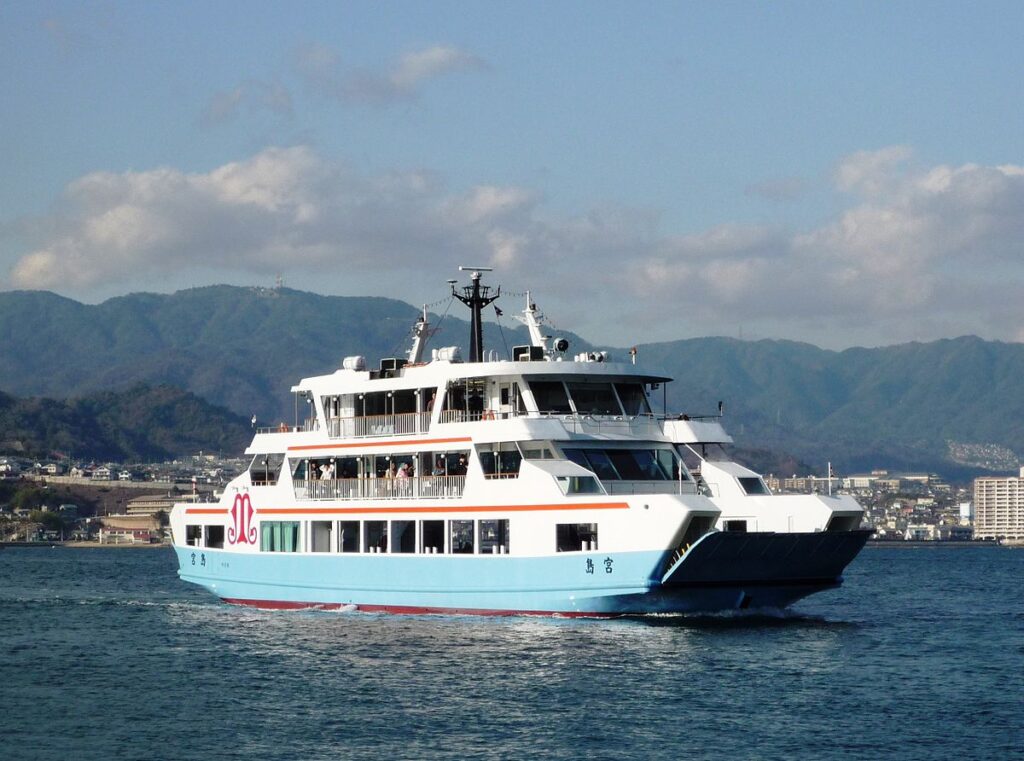
Overview (History, Features, and Attractions) Notojima is the collective name for an island region made up of a number of large and small islands in Nanao City, Ishikawa Prefecture, located in the inner bay of the Noto Peninsula. In the past, fishing villages dotted the area, accessible by ferry, but now the island is connected to the mainland by road via the Notojima Ohashi Bridge (Twin Bridge Noto), making it an ideal destination for travelers. -
Shisendo (Sakyo Ward, Kyoto City, Kyoto Prefecture)
Shisendo (Sakyo Ward, Kyoto City, Kyoto Prefecture) Overview (History, Features, and Attractions) Shisendo is a tranquil temple and historic site with a garden that originated as a mountain villa built for retirement by Ishikawa Jozan (1583–1672), a literary figure and lover of Chinese poetry, in the early Edo period. Inside the hall, there is a memorial praising 36 Chinese poets known as "Shisen" (Poets Immortals). -
Gunma Flower Park (Maebashi City, Gunma Prefecture)
Overview (History, Features, and Attractions) Gunma Flower Park is a large prefectural flower park located in Maebashi City, Gunma Prefecture. The park features extensive flower beds, greenhouses, and trees, and offers a variety of seasonal displays, including tulips and azaleas in the spring, roses in early summer, sunflowers in summer, cosmos in the fall, and illuminations in the winter. -
Harimaya Bridge (Kochi City, Kochi Prefecture)
Overview (History, Features, and Attractions) Harimaya Bridge is a small red bridge that serves as a landmark in the center of Kochi City. Originally built in the Edo period, it has been rebuilt many times as the city has developed. Its current appearance is maintained as a tourist attraction, with a plaster... -
Cape Tatematsu (Hakodate, Hokkaido)
Overview (History, Features, and Attractions) Tachimachi Misaki is a small cape located at the southeastern tip of Hakodate City, Hokkaido, and is a scenic coastal spot jutting out into the Tsugaru Strait. Its proximity to the city center makes it easily accessible, making it a popular spot for locals and tourists alike. From the tip of the cape, you can see the expansive ocean... -
Shibuya Hikarie (Shibuya Ward, Tokyo)
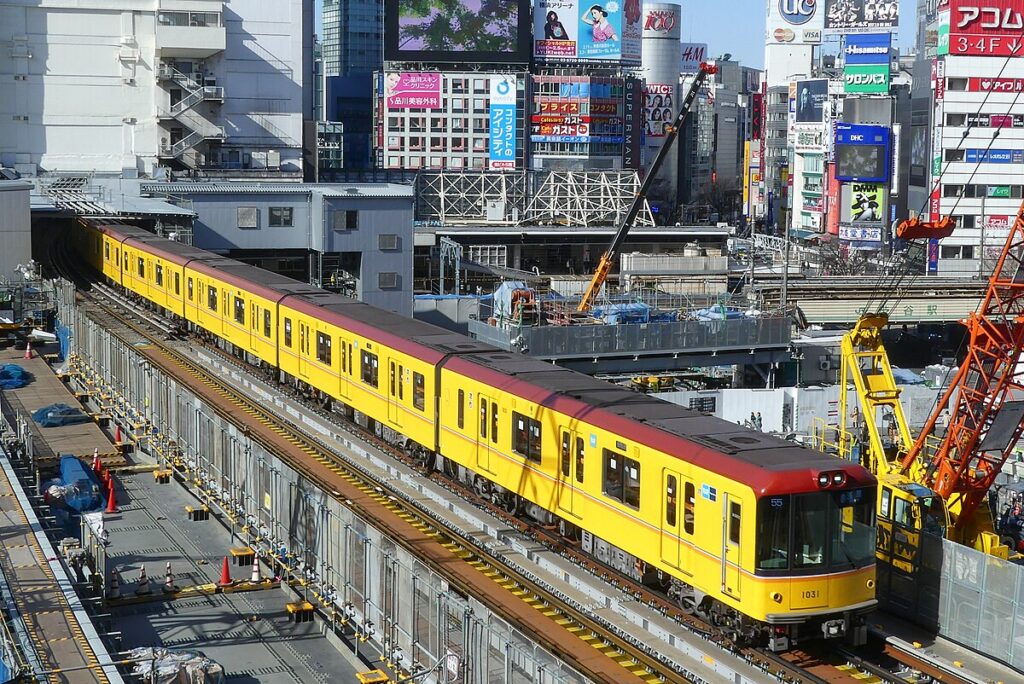
Overview (History, Features, and Attractions) Shibuya Hikarie is a commercial and office complex developed by the Tokyu Corporation Group, which opened in 2012. Taking advantage of its direct access to Shibuya Station, it offers a wide range of functions, including fashion, general merchandise, cosmetics, gourmet food, event space, and offices. -
Contemporary Art Museum, Kumamoto (Chuo-ku, Kumamoto City, Kumamoto Prefecture)
Overview (History, Features, and Appeal) The Contemporary Art Museum, Kumamoto (Chuo Ward, Kumamoto City, Kumamoto Prefecture) is a public art museum that connects the local community with contemporary art from Japan and abroad. Aiming to promote art to the public and support young artists, the museum offers a diverse program of special exhibitions, collection exhibitions, workshops, lectures, and more, contributing to the development of local culture.