Tourist attractions--archive--
-

Cape Hyuga (Hyuga City, Miyazaki Prefecture)
Overview (History, Features, and Attractions) Cape Hyuga is a cape facing the Pacific Ocean that juts out from the eastern edge of Hyuga City, Miyazaki Prefecture. It is a popular tourist destination, known for its magnificent ocean views and steep cliffs. The coast has long been used as a landmark for ships and a fishing base, and its rocky outcrops, strangely shaped rocks, and other features carved by rough waves... -
Mount Tsurugi (Tsurugi Town, Tokushima Prefecture)
Mount Tsurugi (Tsurugi Town, Tokushima Prefecture) — Overview (History, Features, Attractions) Mount Tsurugi (Tsurugisan) is known as the second highest mountain in the Shikoku region, standing at approximately 1,955 meters above sea level. Located within Mount Tsurugi Quasi-National Park (Shikoku Mountains) in Tokushima Prefecture, it is also a sacred mountain that has long been the object of mountain worship. Its wide plateau... -
Shinojima (Minamichita Town, Chita District, Aichi Prefecture)
Overview (History, Features, and Attractions) Shinojima is a small, remote island in Mikawa Bay, located in Minamichita Town, Chita District, Aichi Prefecture. The fishing industry has been thriving on the island since ancient times, and the island's charm lies in its rustic scenery and bounty from the sea, where the lives of its inhabitants are closely intertwined. From the fishing port, narrow alleys, and coastal walking paths, visitors can enjoy the ria-style inlets... -
Omiya Bonsai Art Museum (Kita Ward, Saitama City, Saitama Prefecture)
Overview (History, Features, and Appeal) The Omiya Bonsai Art Museum is a museum specializing in bonsai, located in Kita Ward, Saitama City, Saitama Prefecture. It opened in 2010 and was established with the aim of preserving, promoting, and researching bonsai culture. Omiya was once known as "Bonsai Town (Bonsai Village).". -
Jiyugaoka (Meguro Ward, Tokyo)
Overview (History, Features, and Attractions) Jiyugaoka (Meguro Ward, Tokyo) is a popular neighborhood lined with sophisticated cafes, unique general stores, and boutiques. Originally developed as a suburban residential area, the area gained an image as a "stylish and relaxed neighborhood" from the Showa era through to the Heisei era, attracting a younger generation... -
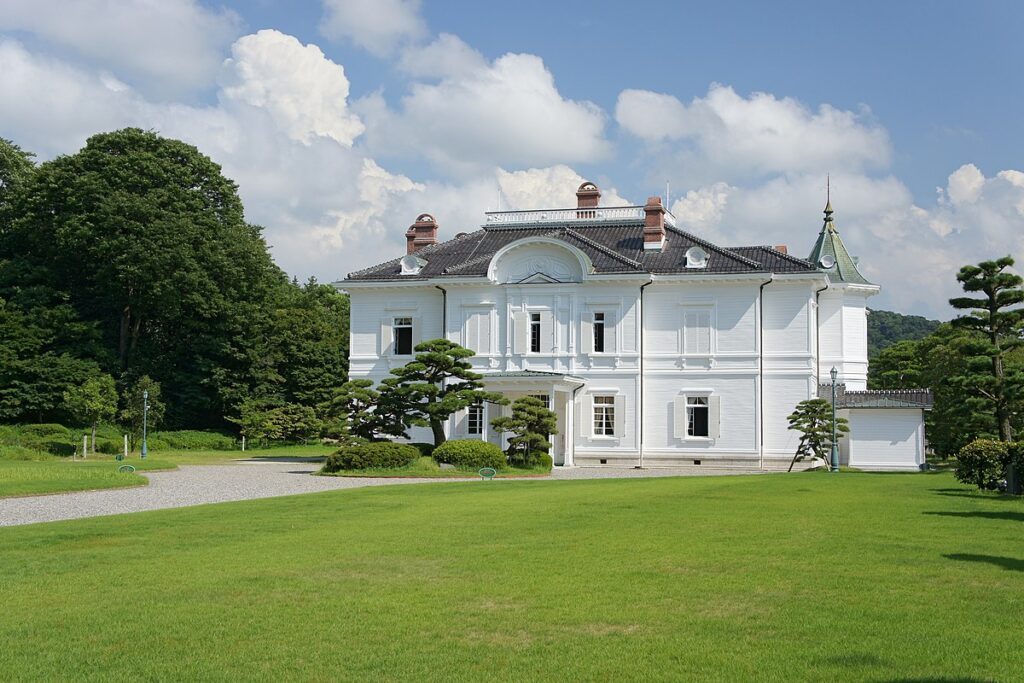
Jinpukaku (Tottori City, Tottori Prefecture)
Overview (History, Features, and Attractions) Jinpukaku is a Western-style guesthouse located in a corner of Hisamatsu Park (the former site of Tottori Castle) in the center of Tottori City. Built in the late Meiji period, it is characterized by its fusion of the European architectural style of the time with Japanese design. The elegant exterior... -
Dorogawa Onsen (Tenkawa Village, Yoshino District, Nara Prefecture).
Dorogawa Onsen (Tenkawa Village, Yoshino District, Nara Prefecture) Overview (History, Features, and Attractions) Dorogawa Onsen is a hot spring resort nestled in the mountains in Tenkawa Village, Yoshino District, Nara Prefecture. It has long flourished as a base for Shugendo pilgrimages to Mount Omine, providing healing for pilgrims and ascetics... -
Sumida Hokusai Museum (Sumida Ward, Tokyo)
Sumida Hokusai Museum (Sumida Ward, Tokyo) Overview (History, Features, and Appeal) The Sumida Hokusai Museum is a museum established in Sumida Ward, the birthplace of Katsushika Hokusai (1760–1849), one of the most representative ukiyo-e artists of the Edo period. Its aim is to introduce Hokusai's life and creative activities in the context of the local area... -
Lake Biwa Bridge (Moriyama City, Shiga Prefecture)
Overview (History, Features, and Attractions) The Lake Biwa Bridge is one of the most iconic bridges spanning the southern part of Lake Biwa, including Moriyama City, Shiga Prefecture. It is a road bridge that allows visitors to enjoy the lake's scenery up close. Since its construction, it has greatly improved the convenience of crossing the lake, becoming an important route not only for local residents' commutes and logistics but also for tourism... -
Minamidaito Island (Minamidaito Village, Okinawa Prefecture)
Overview (History, Features, and Attractions) Minamidaito Island (Minamidaito Village) is one of the Daito Islands, located approximately 360 km east of Okinawa's main island, and is a paired island with Kitadaito Island. Originally uninhabited, settlement began between the late 19th and early 20th centuries, and a settlement was formed based on agriculture, including sugarcane cultivation...