Plan Japan by practical travel questions
Find Japan travel spots, routes, and visit-duration guides.
Discover Japan organizes sightseeing spots and focused travel guides for first-time visitors. Start with a region, a place name, or a practical question such as how long to spend, what to eat, or how to plan a half-day route.
Search by travel question
Popular English travel guides
Planning guides travelers are already searching for
Start with focused answers for visit duration, half-day routes, ticket choices, family visits, airport food, and other practical decisions before you arrive.
 How Long to Spend at Sensoji Temple: 1 Hour, 2 Hours, or Half Day?
Plan the right Sensoji Temple visit length: 1 hour for highlights, 2-3 hours for Asakusa streets, or a half day with food, photos, a...
How Long to Spend at Sensoji Temple: 1 Hour, 2 Hours, or Half Day?
Plan the right Sensoji Temple visit length: 1 hour for highlights, 2-3 hours for Asakusa streets, or a half day with food, photos, a...
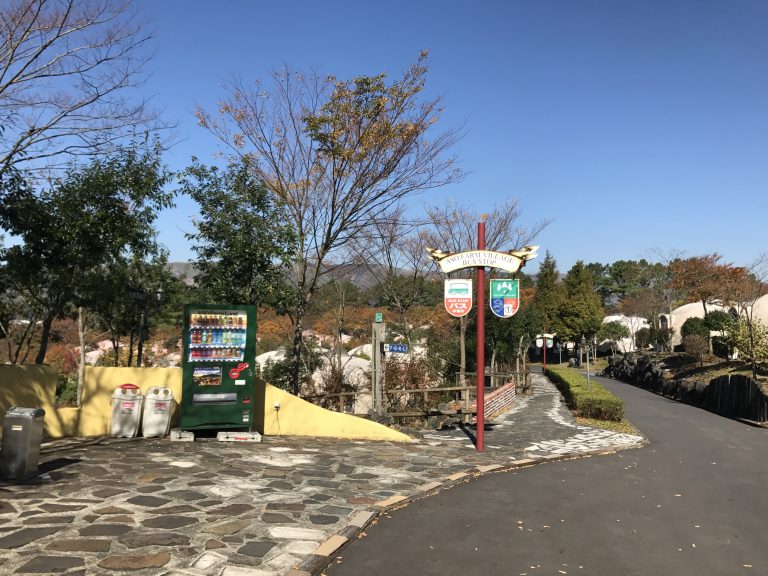 Aso Farm Village Guide: Stay, Day Trip, Access, and Is It Worth It?
Plan Aso Farm Village and Aso Farm Land with stay vs day-trip advice, time needed, access notes, family fit, and official informatio...
Aso Farm Village Guide: Stay, Day Trip, Access, and Is It Worth It?
Plan Aso Farm Village and Aso Farm Land with stay vs day-trip advice, time needed, access notes, family fit, and official informatio...
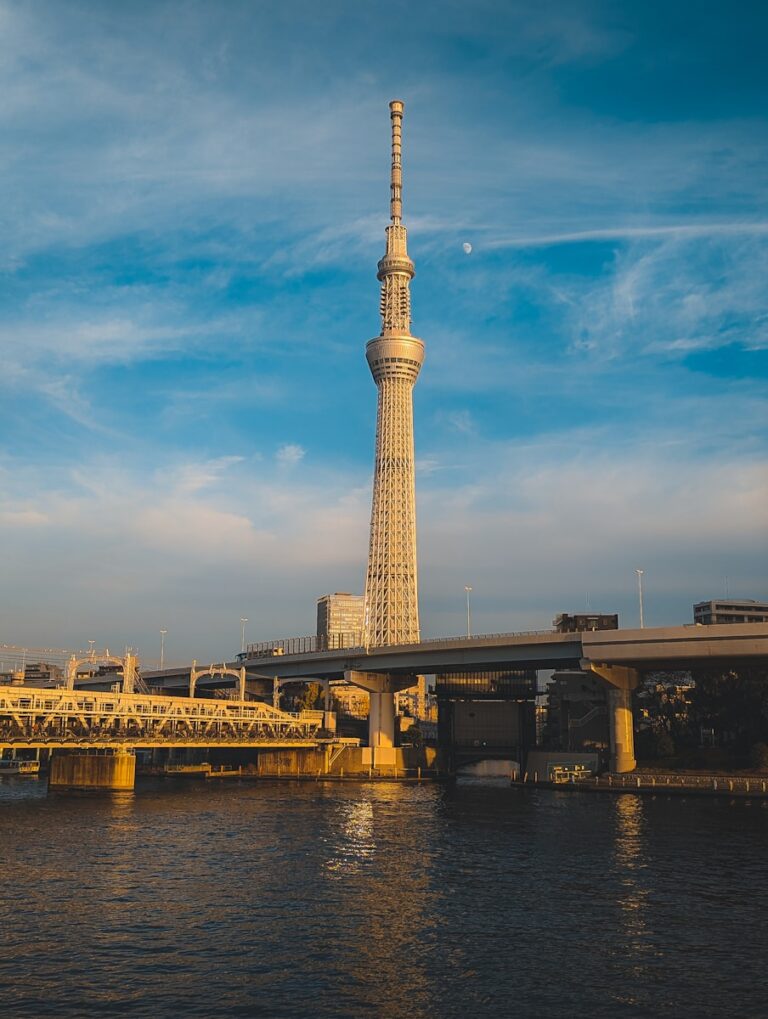 Tokyo Skytree Tembo Deck vs Galleria: Which Ticket Is Worth It?
Compare Tokyo Skytree Tembo Deck and Tembo Galleria by view, price, time needed, weather risk, and who should pay for the higher 450...
Tokyo Skytree Tembo Deck vs Galleria: Which Ticket Is Worth It?
Compare Tokyo Skytree Tembo Deck and Tembo Galleria by view, price, time needed, weather risk, and who should pay for the higher 450...
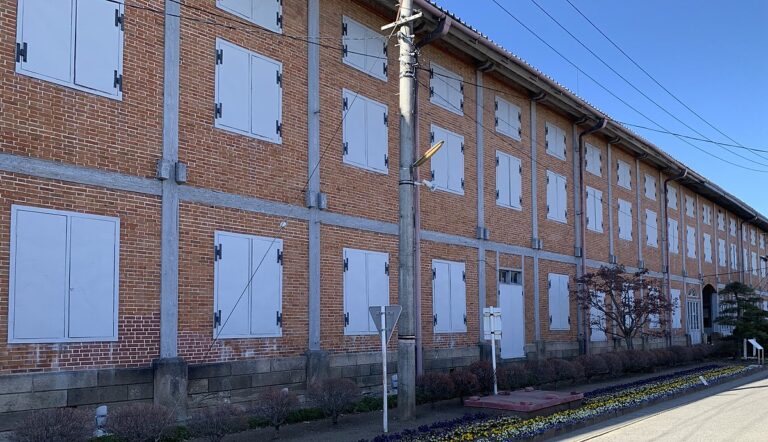 Things to Do in Tomioka City: Silk Mill, Mt. Myogi, and Safari Park
Plan what to do in Tomioka City, including Tomioka Silk Mill, access from Tokyo, Mt. Myogi, Gunma Safari Park, and a focused day-tri...
Things to Do in Tomioka City: Silk Mill, Mt. Myogi, and Safari Park
Plan what to do in Tomioka City, including Tomioka Silk Mill, access from Tokyo, Mt. Myogi, Gunma Safari Park, and a focused day-tri...
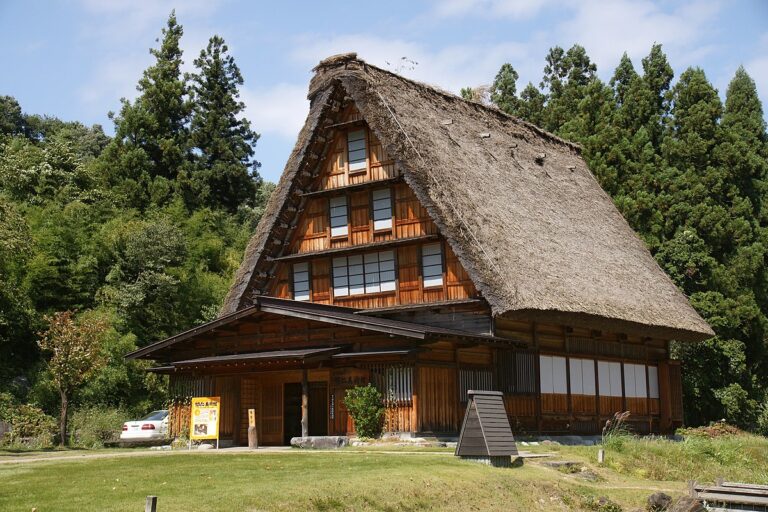 Museums in Gifu City: Art, History, and Half-Day Route
Compare museums in Gifu City for art, history, rainy days, and a half-day route around Gifu Prefectural Museum of Art and Gifu City...
Museums in Gifu City: Art, History, and Half-Day Route
Compare museums in Gifu City for art, history, rainy days, and a half-day route around Gifu Prefectural Museum of Art and Gifu City...
 New Chitose Airport Layover Guide: Time, Food, Shops, and Onsen
Plan a New Chitose Airport layover by time available, including food, shops, Royce Chocolate World, onsen, theater, and winter trave...
New Chitose Airport Layover Guide: Time, Food, Shops, and Onsen
Plan a New Chitose Airport layover by time available, including food, shops, Royce Chocolate World, onsen, theater, and winter trave...
New spots
-

Yoshino Shrine (Yoshino Town, Yoshino District, Nara Prefecture)
Overview (History, Features, and Attractions) Yoshino Shrine (Yoshino Town, Yoshino District, Nara Prefecture) is a shrine located in Yoshino, a region with deep ties to the Northern and Southern Courts period, and is particularly known for its connection to Emperor Godaigo. The beautiful vermilion-lacquered shrine building, renovated during the Meiji period, stands out against the tranquil backdrop of Mount Yoshino's lush natural surroundings. -
Mikane Shrine (Nakagyo Ward, Kyoto City, Kyoto Prefecture)
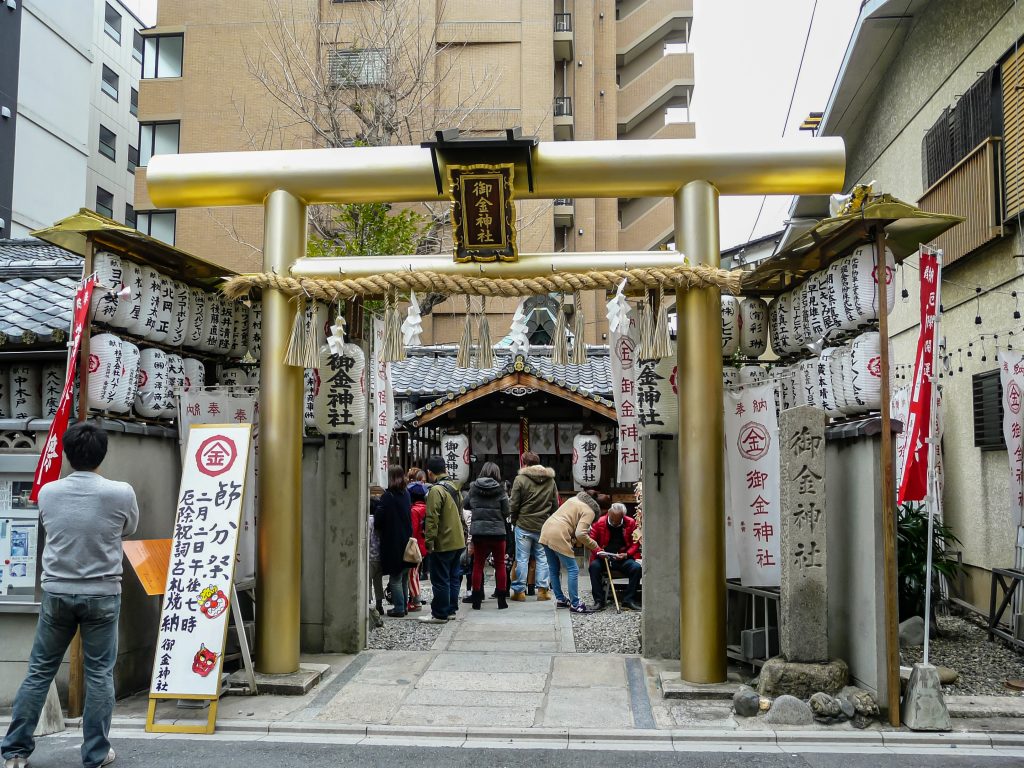
Mikane Shrine, located in Nakagyo Ward, Kyoto City, is a shrine known for bringing good fortune in wealth. Easily recognizable by its gleaming golden torii gate, it attracts visitors from all over Japan seeking blessings for successful investments, lottery winnings, and business prosperity. This article covers its signature item, the "Fukuzutsumi Omamori" (fortune-bringing charm), proper prayer etiquette, goshuin (shrine stamps), and the hours of the shrine office... -
Abashiri Prison Museum (Abashiri City, Hokkaido)
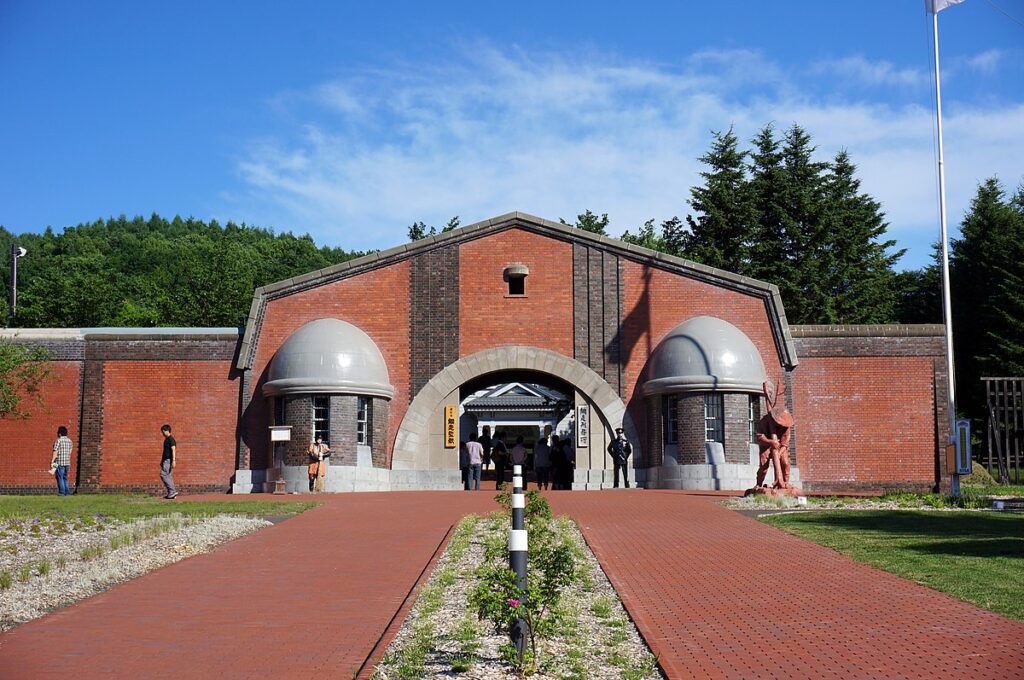
Overview (History, Features, and Attractions) The Abashiri Prison Museum (Abashiri Prison Museum) is an outdoor history museum located in Abashiri City, Hokkaido. It recreates and preserves the architecture of Abashiri Prison (formerly Abashiri Prison) from the Meiji to Showa periods, the lives of inmates, and the history of the prison system using actual architecture and materials. Originally an actual prison... -
Former Kaichi School (Matsumoto City, Nagano Prefecture)
Overview (History, Features, and Attractions) The former Kaichi School (Kyukai Gakko) is a Western-style school building in Matsumoto City, Nagano Prefecture, representative of the Meiji era. Built in 1876 (Meiji 9), the two-story wooden building incorporates a pseudo-Western architectural style, and today retains its original classrooms and furniture. -
Arayayama Shrine (Fujiyoshida City, Yamanashi Prefecture)
Arayayama Shrine (Fujiyoshida City, Yamanashi Prefecture) Overview (History, Features, and Attractions) Arayayama Shrine is a shrine located in Fujiyoshida City that is said to have played a part in Mount Fuji worship since ancient times. While the details of its founding are unclear, it has long been a place of worship for people who worship Mount Fuji. -
Miyagase Dam (Aikawa Town, Aiko District, Kanagawa Prefecture)
Miyagase Dam (Aikawa Town, Aiko District, Kanagawa Prefecture) Overview (History, Features, and Attractions) Miyagase Dam is a multipurpose dam located in Aikawa Town, Aiko District, Kanagawa Prefecture (and surrounding areas), with purposes including flood control, water supply, and power generation. Surrounded by mountains and lush greenery, it is home to Lake Miyagase, an artificial lake. -
Sapporo Art Park (Minami-ku, Sapporo, Hokkaido)
Overview (History, Features, and Attractions) Sapporo Art Park is a comprehensive arts facility and outdoor sculpture park located in Minami Ward, Sapporo, Hokkaido. Opened in 1986, it takes advantage of its naturally rich hilly location to house an art museum, outdoor sculpture garden, studios, experience workshops, an outdoor stage, and more... -
Suntory Museum of Art (Minato-ku, Tokyo)
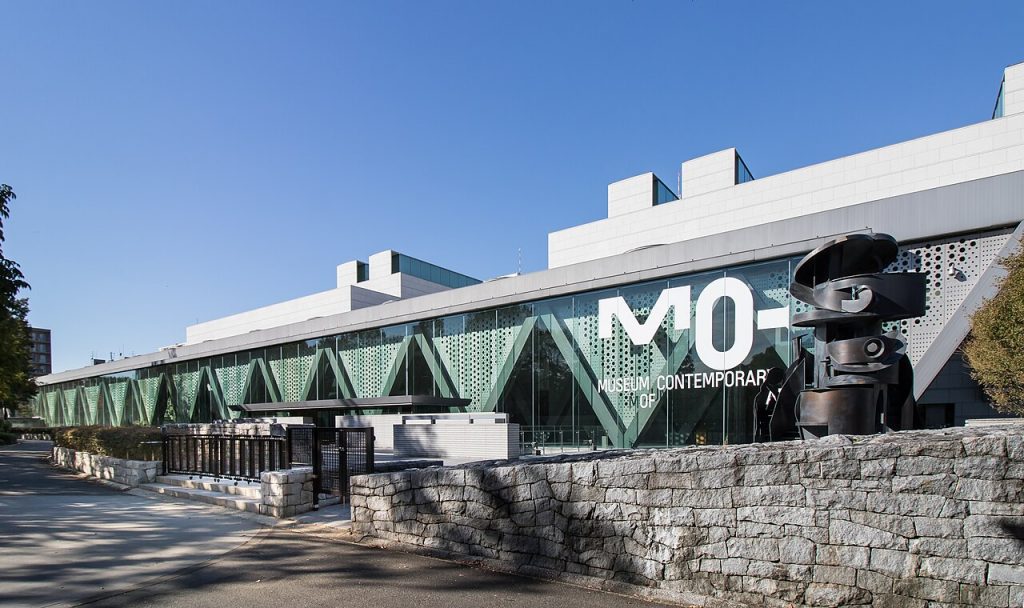
[Suntory Museum of Art (Minato-ku, Tokyo)] ■ Overview (History, Features, and Appeal) The Suntory Museum of Art is a corporate art museum that displays the art works owned by Suntory to the public. Its collection and exhibits focus on Japanese crafts, tea ceremony utensils, paintings, calligraphy, and lacquerware. For many years, it has been dedicated to the theme of "living...". -
Kinkakuji Temple (Kita Ward, Kyoto City, Kyoto Prefecture)
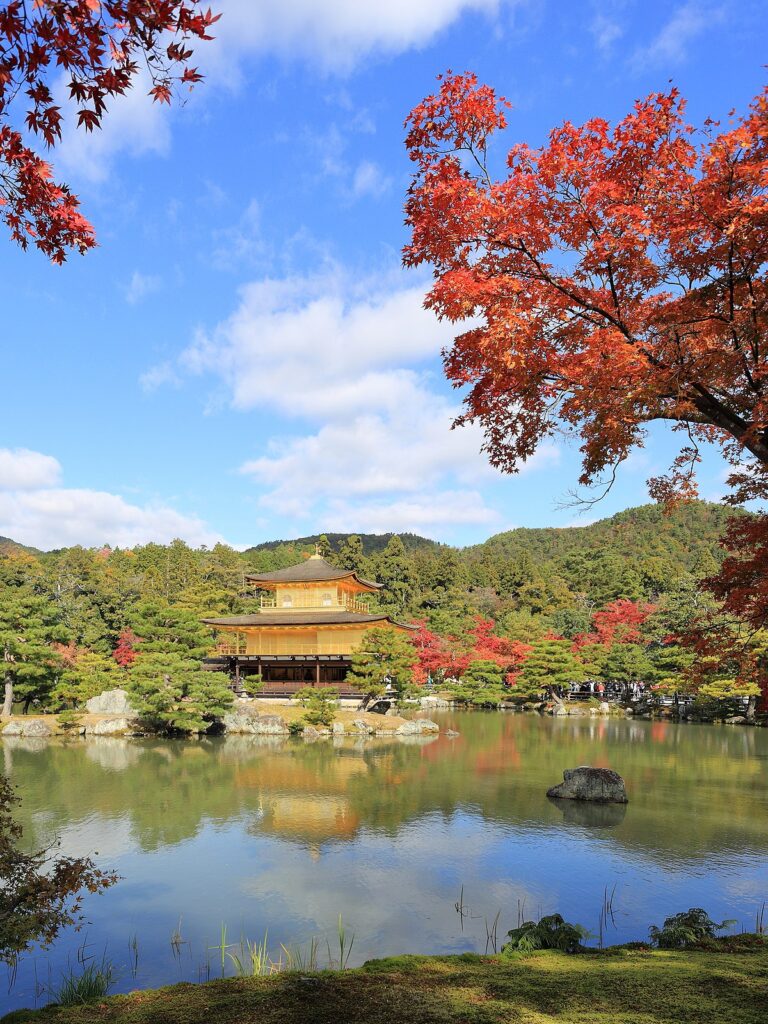
Kinkaku-ji (Rokuon-ji) — Kita Ward, Kyoto City, Kyoto Prefecture Overview (History, Features, and Attractions) Kinkaku-ji, officially known as Rokuon-ji, was built in the late 14th century as a mountain villa by Ashikaga Yoshimitsu, the third shogun of the Muromachi shogunate. After his death, it was converted into a Zen temple (of the Rinzai sect of Buddhism, Shokoku-ji school). The reliquary hall, the "Kinkaku (Shariden)," is located on the outside... -
Yebisu Garden Place (Shibuya Ward, Tokyo)
Yebisu Garden Place (Shibuya Ward, Tokyo) Overview (History, Features, and Attractions) Yebisu Garden Place is a large-scale complex in the Ebisu district of Tokyo. It was created by redeveloping the site of a former beer factory (Yebisu Beer Factory), and includes commercial facilities, offices, cultural facilities, a hotel, and more.