Plan Japan by practical travel questions
Find Japan travel spots, routes, and visit-duration guides.
Discover Japan organizes sightseeing spots and focused travel guides for first-time visitors. Start with a region, a place name, or a practical question such as how long to spend, what to eat, or how to plan a half-day route.
Search by travel question
Popular English travel guides
Planning guides travelers are already searching for
Start with focused answers for visit duration, half-day routes, ticket choices, family visits, airport food, and other practical decisions before you arrive.
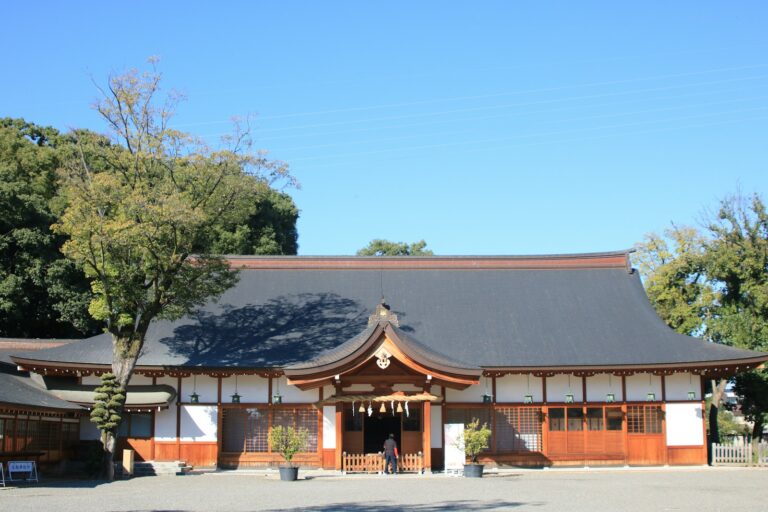 How Long to Spend at Sensoji Temple: 1 Hour, 2 Hours, or Half Day?
Plan the right Sensoji Temple visit length: 1 hour for highlights, 2-3 hours for Asakusa streets, or a half day with food, photos, a...
How Long to Spend at Sensoji Temple: 1 Hour, 2 Hours, or Half Day?
Plan the right Sensoji Temple visit length: 1 hour for highlights, 2-3 hours for Asakusa streets, or a half day with food, photos, a...
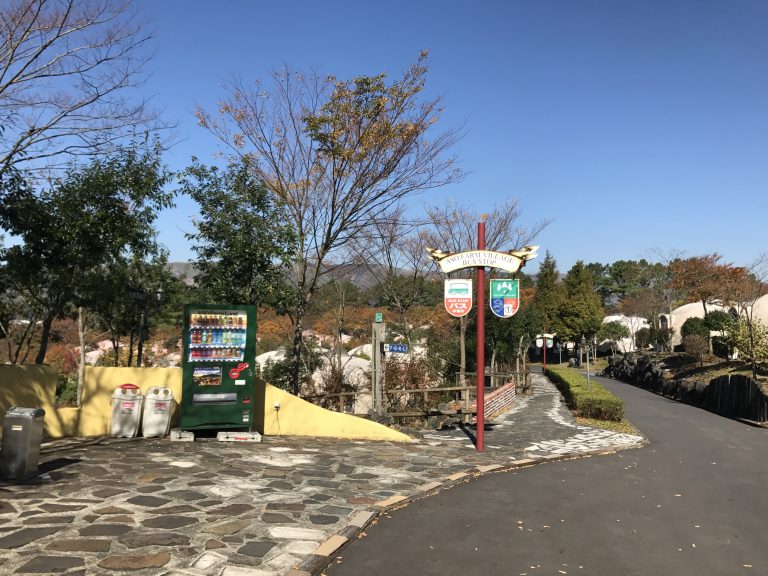 Aso Farm Village Guide: Stay, Day Trip, Access, and Is It Worth It?
Plan Aso Farm Village and Aso Farm Land with stay vs day-trip advice, time needed, access notes, family fit, and official informatio...
Aso Farm Village Guide: Stay, Day Trip, Access, and Is It Worth It?
Plan Aso Farm Village and Aso Farm Land with stay vs day-trip advice, time needed, access notes, family fit, and official informatio...
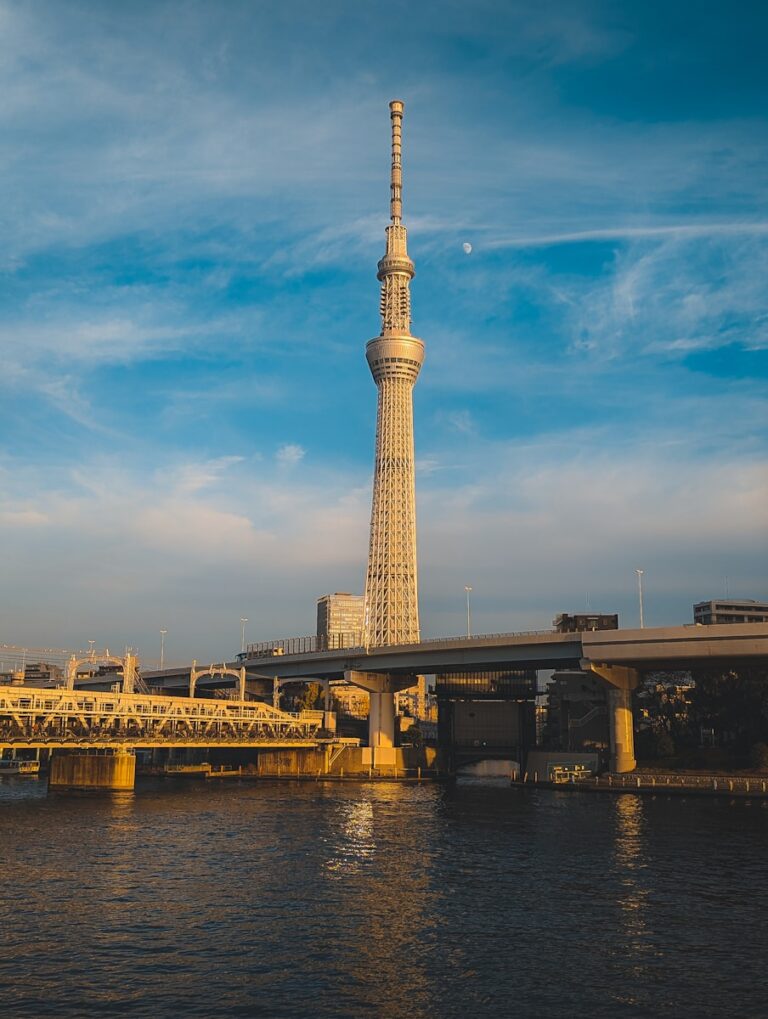 Tokyo Skytree Tembo Deck vs Galleria: Which Ticket Is Worth It?
Compare Tokyo Skytree Tembo Deck and Tembo Galleria by view, price, time needed, weather risk, and who should pay for the higher 450...
Tokyo Skytree Tembo Deck vs Galleria: Which Ticket Is Worth It?
Compare Tokyo Skytree Tembo Deck and Tembo Galleria by view, price, time needed, weather risk, and who should pay for the higher 450...
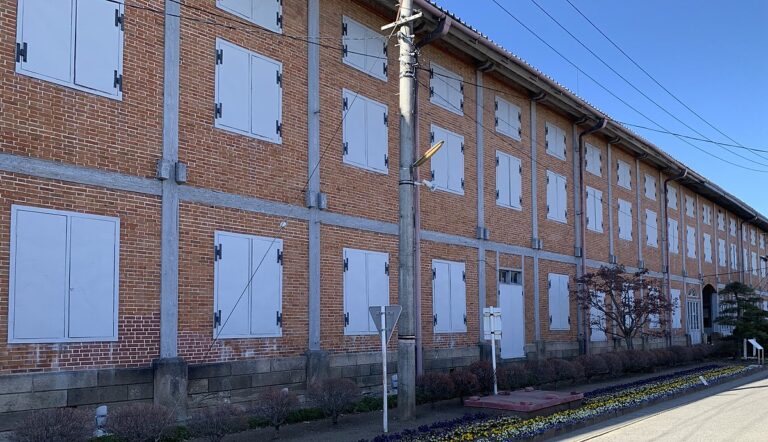 Things to Do in Tomioka City: Silk Mill, Mt. Myogi, and Safari Park
Plan what to do in Tomioka City, including Tomioka Silk Mill, access from Tokyo, Mt. Myogi, Gunma Safari Park, and a focused day-tri...
Things to Do in Tomioka City: Silk Mill, Mt. Myogi, and Safari Park
Plan what to do in Tomioka City, including Tomioka Silk Mill, access from Tokyo, Mt. Myogi, Gunma Safari Park, and a focused day-tri...
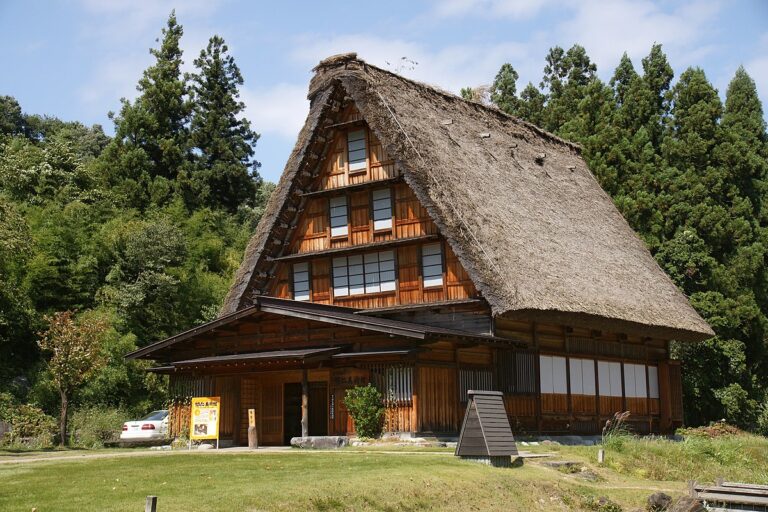 Museums in Gifu City: Art, History, and Half-Day Route
Compare museums in Gifu City for art, history, rainy days, and a half-day route around Gifu Prefectural Museum of Art and Gifu City...
Museums in Gifu City: Art, History, and Half-Day Route
Compare museums in Gifu City for art, history, rainy days, and a half-day route around Gifu Prefectural Museum of Art and Gifu City...
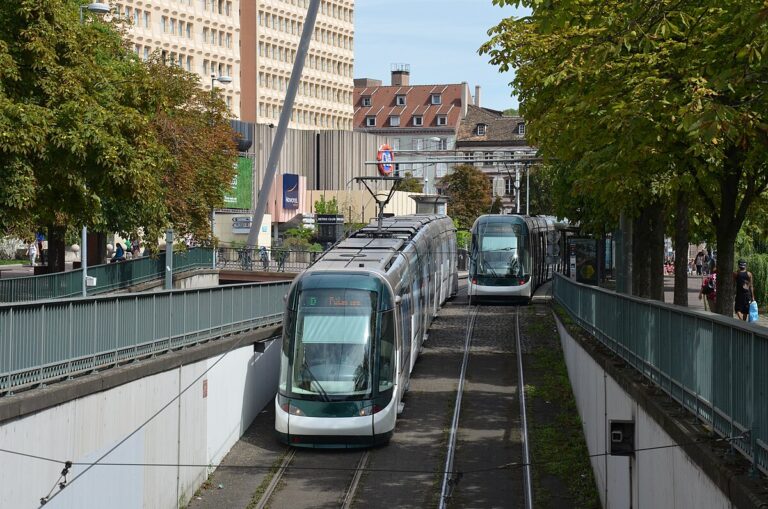 New Chitose Airport Layover Guide: Time, Food, Shops, and Onsen
Plan a New Chitose Airport layover by time available, including food, shops, Royce Chocolate World, onsen, theater, and winter trave...
New Chitose Airport Layover Guide: Time, Food, Shops, and Onsen
Plan a New Chitose Airport layover by time available, including food, shops, Royce Chocolate World, onsen, theater, and winter trave...
New spots
-

Shin-Okubo (Shinjuku Ward, Tokyo)
Shin-Okubo (Shinjuku Ward, Tokyo) Overview (History, Features, and Attractions) Shin-Okubo is a multicultural area in Shinjuku Ward, Tokyo, known in particular as "Korea Town." Since the 1990s, it has developed into a place where Korean restaurants, grocery stores, cosmetic shops, and K-POP-related shops are concentrated. It has become a popular destination for foreign residents and young people. -
Shigisan Chogosonshiji Temple (Heguri Town, Ikoma District, Nara Prefecture)
Overview (History, Features, and Attractions) Shigisan Chogosonshiji Temple is an ancient temple located on Mount Shigi in Heguri Town, Ikoma District, Nara Prefecture. Since ancient times, the temple has been worshipped as the principal deity, Bishamonten, and has been a popular place of prayer for long-lasting military fortune, prosperity in business, and safety in the home. -
Kokoen Garden (Himeji City, Hyogo Prefecture)
Overview (History, Features, and Attractions) Kokoen Garden is a Japanese garden located to the west of Himeji Castle in Himeji City, Hyogo Prefecture. Developed in 1992 (during the Heisei era), it utilizes the site of a former samurai residence and is made up of nine gardens combining different styles, including pond-centered strolling gardens, dry landscape gardens, and open-air gardens. -
Kumano Hongu Taisha Shrine (Honmiya, Hongu-cho, Tanabe City, Wakayama Prefecture)
Overview (History, Features, and Attractions) Kumano Hongu Taisha Shrine (Honmiya, Hongu-cho, Tanabe City, Wakayama Prefecture) is one of the three central shrines of Kumano (Kumano Hongu Taisha, Kumano Hayatama Taisha, and Kumano Nachi Taisha). It has long been a center of Kumano faith, attracting worshippers from all over the country. It is a sacred place deeply connected to the Kumano Kodo trail... -
Lake Kinrin (Yufuin Town, Yufu City, Oita Prefecture)
Overview (History, Features, and Attractions) Lake Kinrin is a small brackish lake located in Yufuin Town, Yufu City, Oita Prefecture, and is one of the iconic tourist spots in the Yufuin hot spring resort area. The lake's topography is where hot spring water gushes out and groundwater mixes, and during periods of large temperature differences between morning and evening, water rises above the lake surface... -
Hakuba Iwatake (Hakuba Village, Kitaazumi District, Nagano Prefecture)
Hakuba Iwatake (Hakuba Village, Kitaazumi District, Nagano Prefecture) Overview (History, Features, and Attractions) Hakuba Iwatake is a mountain resort in Hakuba Village with a direct view of the Northern Alps (Hakuba Mountain Range). Developed as a ski resort after the war, it is popular as a highland area for skiing and snowboarding in winter and gondola rides in summer. -
Botchan Train (Matsuyama City, Ehime Prefecture)
Overview (History, Features, and Attractions) The Botchan Train is a revival tourist train that runs through Matsuyama City, Ehime Prefecture. Its exterior recreates the atmosphere of the small locomotive featured in Natsume Soseki's novel "Botchan." Its charming wooden-style passenger cars and red locomotive-like form create a retro feel, and it is a popular spot for visiting Dogo Onsen and Matsuyama... -
Kirifuri Plateau (Nikko City, Tochigi Prefecture)
Kirifuri Plateau (Nikko City, Tochigi Prefecture) — Overview (History, Features, and Attractions) Kirifuri Plateau is a plateau area that stretches south of Lake Chuzenji and the Nikko Mountain Range in Nikko City, Tochigi Prefecture, at an elevation of roughly 1,200 to 1,400 meters. Formerly developed as a summer resort and ranch, it is now known for its seasonal natural scenery (including the early summer Nikko... -
Shuzenji (Izu City, Shizuoka Prefecture)
Overview (History, Features, and Attractions) Shuzenji is a tourist destination centered around a historic hot spring town and temples in Izu City, Shizuoka Prefecture. Its origins date back to the Heian period, when Shuzenji Temple, which is said to have been associated with Kobo Daishi (Kukai), and it developed as a hot spring resort and tourist destination through the Kamakura and Edo periods. The old town... -
Aomori Nebuta Festival (Aomori City, Aomori Prefecture)
Overview (History, Features, and Attractions) The Aomori Nebuta Festival is one of the Tohoku region's most famous summer festivals, held annually in early August (usually August 2-7) in Aomori City. There are various theories about its origins, but it is said to have originated in ancient times as a prayer for good harvests and protection from evil, and is known for its warrior paintings and historical...