Plan Japan by practical travel questions
Find Japan travel spots, routes, and visit-duration guides.
Discover Japan organizes sightseeing spots and focused travel guides for first-time visitors. Start with a region, a place name, or a practical question such as how long to spend, what to eat, or how to plan a half-day route.
Search by travel question
Popular English travel guides
Planning guides travelers are already searching for
Start with focused answers for visit duration, half-day routes, ticket choices, family visits, airport food, and other practical decisions before you arrive.
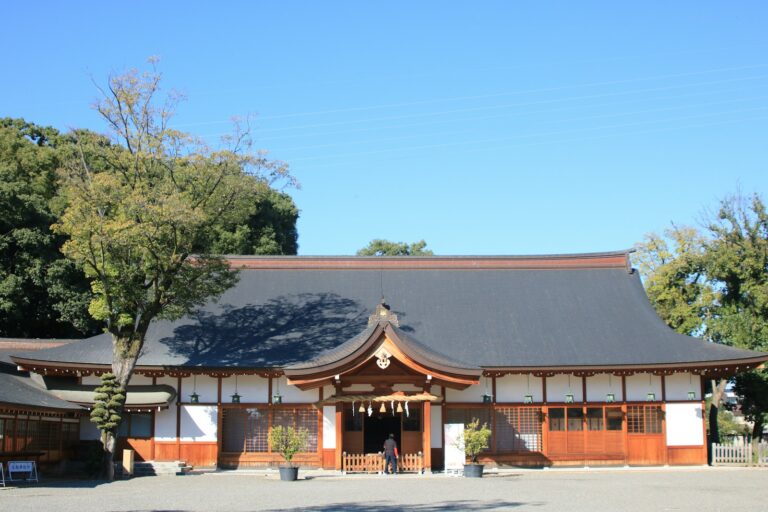 How Long to Spend at Sensoji Temple: 1 Hour, 2 Hours, or Half Day?
Plan the right Sensoji Temple visit length: 1 hour for highlights, 2-3 hours for Asakusa streets, or a half day with food, photos, a...
How Long to Spend at Sensoji Temple: 1 Hour, 2 Hours, or Half Day?
Plan the right Sensoji Temple visit length: 1 hour for highlights, 2-3 hours for Asakusa streets, or a half day with food, photos, a...
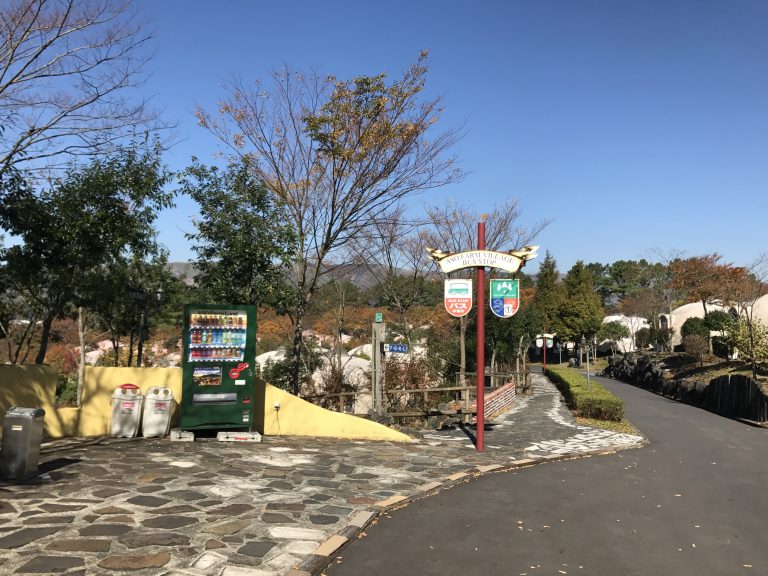 Aso Farm Village Guide: Stay, Day Trip, Access, and Is It Worth It?
Plan Aso Farm Village and Aso Farm Land with stay vs day-trip advice, time needed, access notes, family fit, and official informatio...
Aso Farm Village Guide: Stay, Day Trip, Access, and Is It Worth It?
Plan Aso Farm Village and Aso Farm Land with stay vs day-trip advice, time needed, access notes, family fit, and official informatio...
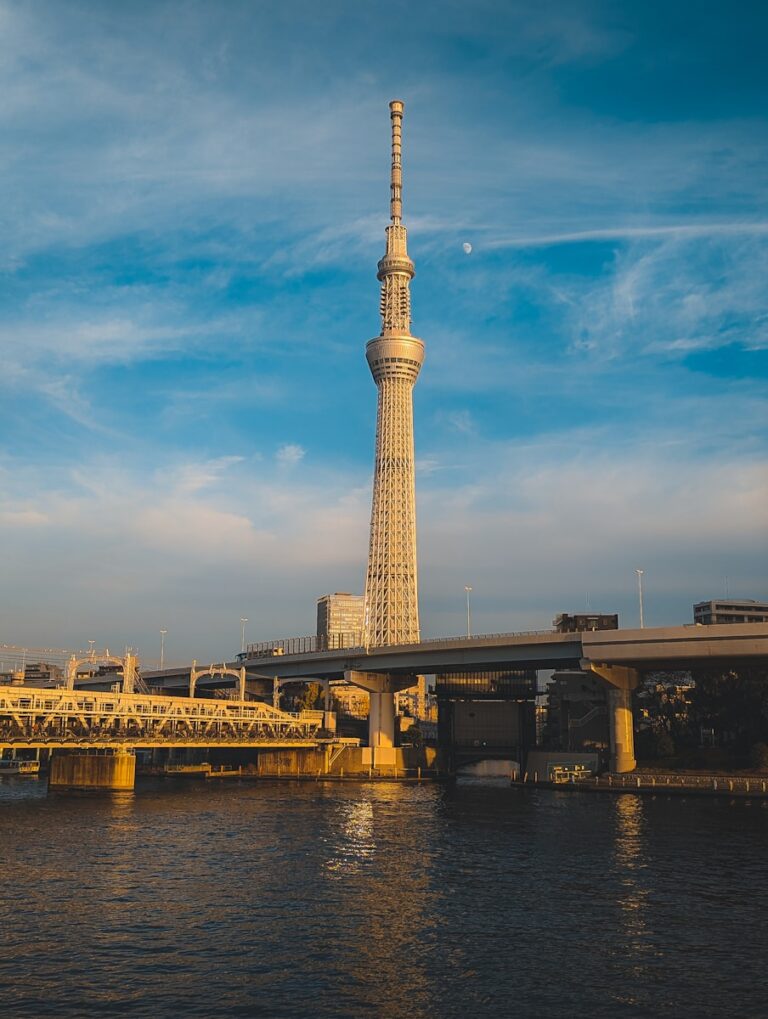 Tokyo Skytree Tembo Deck vs Galleria: Which Ticket Is Worth It?
Compare Tokyo Skytree Tembo Deck and Tembo Galleria by view, price, time needed, weather risk, and who should pay for the higher 450...
Tokyo Skytree Tembo Deck vs Galleria: Which Ticket Is Worth It?
Compare Tokyo Skytree Tembo Deck and Tembo Galleria by view, price, time needed, weather risk, and who should pay for the higher 450...
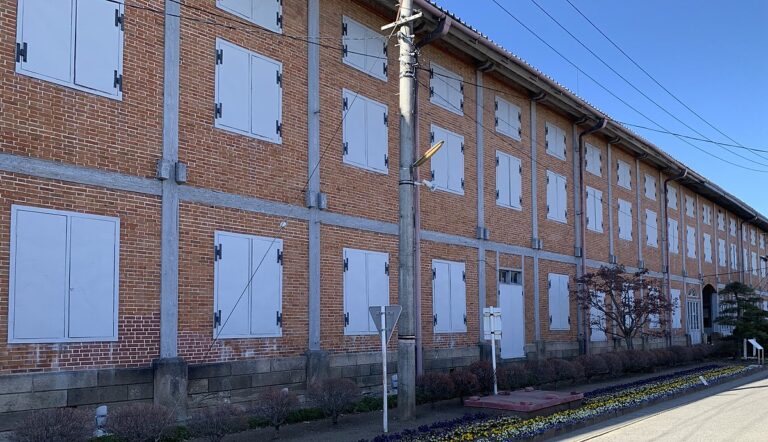 Things to Do in Tomioka City: Silk Mill, Mt. Myogi, and Safari Park
Plan what to do in Tomioka City, including Tomioka Silk Mill, access from Tokyo, Mt. Myogi, Gunma Safari Park, and a focused day-tri...
Things to Do in Tomioka City: Silk Mill, Mt. Myogi, and Safari Park
Plan what to do in Tomioka City, including Tomioka Silk Mill, access from Tokyo, Mt. Myogi, Gunma Safari Park, and a focused day-tri...
 Museums in Gifu City: Art, History, and Half-Day Route
Compare museums in Gifu City for art, history, rainy days, and a half-day route around Gifu Prefectural Museum of Art and Gifu City...
Museums in Gifu City: Art, History, and Half-Day Route
Compare museums in Gifu City for art, history, rainy days, and a half-day route around Gifu Prefectural Museum of Art and Gifu City...
 New Chitose Airport Layover Guide: Time, Food, Shops, and Onsen
Plan a New Chitose Airport layover by time available, including food, shops, Royce Chocolate World, onsen, theater, and winter trave...
New Chitose Airport Layover Guide: Time, Food, Shops, and Onsen
Plan a New Chitose Airport layover by time available, including food, shops, Royce Chocolate World, onsen, theater, and winter trave...
New spots
-

Legoland Japan (Minato Ward, Nagoya City, Aichi Prefecture)
Overview (History, Features, and Attractions) Legoland Japan Resort is a LEGO-themed family theme park located in the Kinjo Pier area of Minato Ward, Nagoya City, Aichi Prefecture. It opened in 2017 and attracted attention as Japan's first LEGO theme park. -
Sado Magistrate's Office (Sado City, Niigata Prefecture)
Overview (History, Features, and Attractions) The Sado Magistrate's Office is a restored and renovated historical site and tourist facility that housed the magistrate's office, which was responsible for the administration and security of the island, including the Sado Gold Mine, during the Edo period. Sado was once under direct control of the shogunate, and control of the gold mines was a key priority. The magistrate's office was the political center where officials worked, trials were held, and investigations were conducted. -
Azuma Kofuji (Fukushima City, Fukushima Prefecture)
Azuma Kofuji (Fukushima City, Fukushima Prefecture) Overview (History, Features, and Attractions) Azuma Kofuji is a representative crater cone of the Azuma Mountain Range (Azuma Volcanic Group), a group of stratovolcanoes located in Fukushima City. As its name suggests, it is characterized by its beautiful conical shape reminiscent of Mount Fuji. The mountain's body is made of scoria (volcanic gravel)... -
Tokoname Pottery Walk (Tokoname City, Aichi Prefecture)
Overview (History, Features, and Attractions) The Tokoname Pottery Walk is a walking route through the old pottery town of Tokoname City, Aichi Prefecture. Tokoname ware is a traditional ceramic product that is counted among Japan's Six Ancient Kilns. The pottery industry has flourished since the Middle Ages, and during the Meiji and Taisho periods, the area developed into a pottery settlement with climbing kilns and chimneys lining the streets. -
Engakuji Temple (Kamakura City, Kanagawa Prefecture)
Overview (History, Features, and Attractions) Engakuji Temple is one of the main temples of the Rinzai sect of Buddhism located in the Kita-Kamakura area of Kamakura City, Kanagawa Prefecture. Founded in 1282 (Kōan 5) by the regent Hojo Tokimune, the temple was intended to commemorate those who died in the Mongol invasion and to promote Zen Buddhism. The temple was founded by a Zen monk from China, Mūjirō. -
Daio Wasabi Farm (Azumino City, Nagano Prefecture)
Overview (History, Features, and Attractions) Daio Wasabi Farm, located in Hotaka, Azumino City, Nagano Prefecture, is one of Japan's leading wasabi cultivation areas. It is a tourist farm with a rural landscape of pure spring water and expansive wasabi fields. The scenery of wasabi cultivation using spring water (clear streams) evokes the original Japanese landscape, and the white waterwheel... -
Sugadaira Plateau (Ueda City, Nagano Prefecture)
Overview (History, Features, and Attractions) Sugadaira Plateau is a highland resort area located in Ueda City, Nagano Prefecture, at an altitude of approximately 1,200-1,400 meters. In winter, skiing, snowboarding, and cross-country skiing are popular, and in summer, it serves as a summer resort for mountain climbing, trekking, and cycling. -
Kobe Animal Kingdom (Chuo Ward, Kobe City, Hyogo Prefecture)
Overview (History, Features, and Attractions) Kobe Animal Kingdom is an experiential urban zoo located in Kobe City. Formerly known as the Kobe Kachouen (Children's Park), it features greenhouse-style indoor exhibits and free-range areas where visitors can get up close and personal with animals and birds. With many greenhouse-style exhibits, it can be enjoyed rain or shine, whatever the season... -
Narita Airport (Narita City, Chiba Prefecture)
Overview (History, Features, and Attractions) Narita International Airport (Narita International Airport), located in Narita City, Chiba Prefecture, is one of Japan's major international airports. It opened in 1978 (formerly known as New Tokyo International Airport) and has developed into an international hub for the Tokyo metropolitan area. The airport's main terminals are... -
Mount Fuji World Heritage Center (Fujinomiya City, Shizuoka Prefecture)
Fujisan World Heritage Center (Fujinomiya City, Shizuoka Prefecture) Overview (History, Features, and Attractions) Following Mount Fuji's inscription as a World Cultural Heritage site, this learning and information center was established to deepen public understanding of Mount Fuji's nature, religious beliefs, culture, and history. The center features videos, models, and explanatory panels...