Plan Japan by practical travel questions
Find Japan travel spots, routes, and visit-duration guides.
Discover Japan organizes sightseeing spots and focused travel guides for first-time visitors. Start with a region, a place name, or a practical question such as how long to spend, what to eat, or how to plan a half-day route.
Search by travel question
Popular English travel guides
Planning guides travelers are already searching for
Start with focused answers for visit duration, half-day routes, ticket choices, family visits, airport food, and other practical decisions before you arrive.
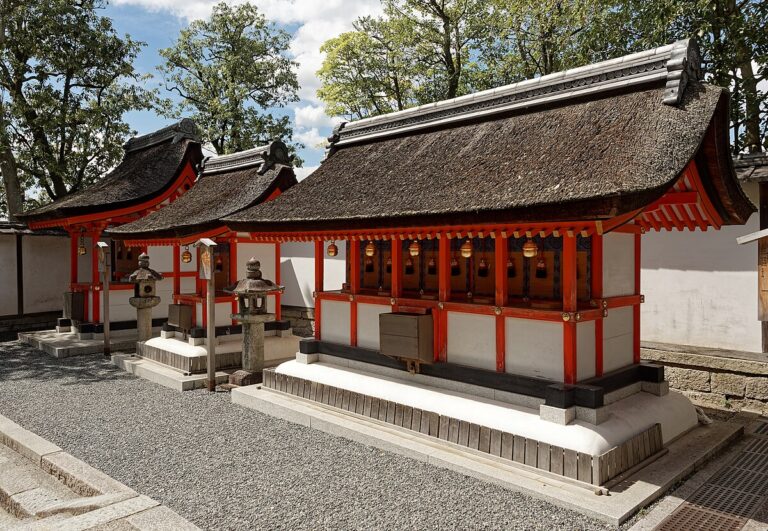 How Long to Spend at Fushimi Inari Taisha: 1, 2, or Half Day?
Most travelers need 1.5 to 2.5 hours at Fushimi Inari Taisha. Compare 1-hour, 2-hour, and half-day routes, crowd timing, access, and...
How Long to Spend at Fushimi Inari Taisha: 1, 2, or Half Day?
Most travelers need 1.5 to 2.5 hours at Fushimi Inari Taisha. Compare 1-hour, 2-hour, and half-day routes, crowd timing, access, and...
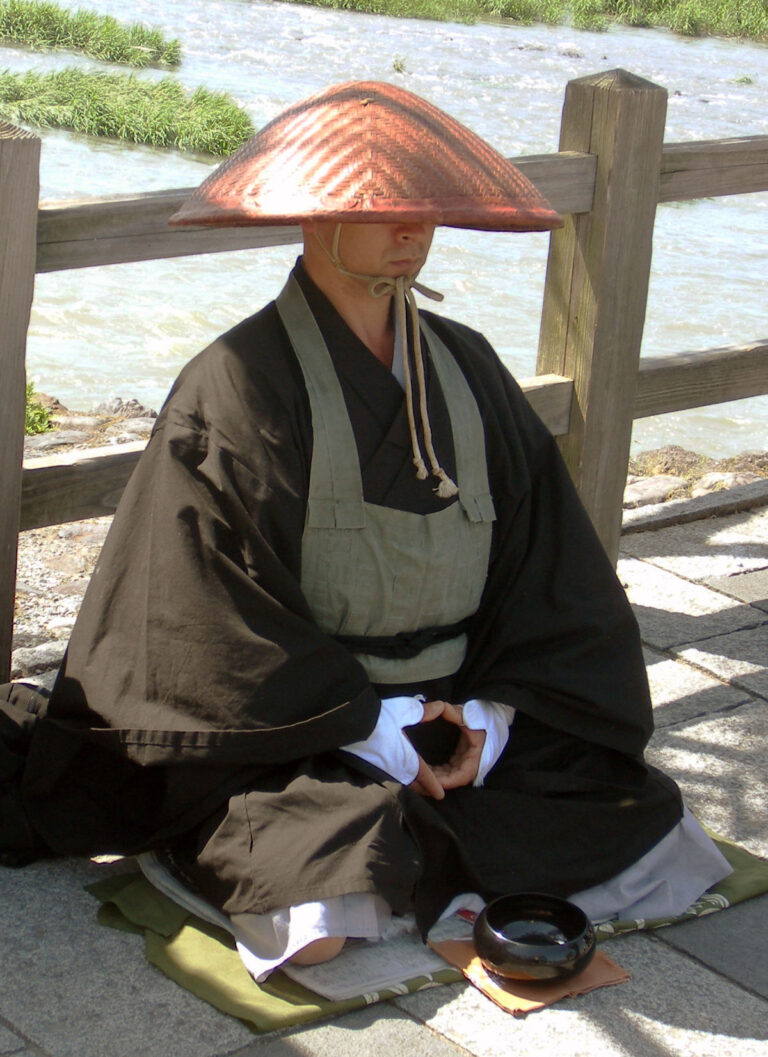 Arashiyama Half-Day Itinerary: Best Route, Time Needed, and Crowds
Follow a practical Arashiyama half-day itinerary for Kyoto: bamboo grove first, Togetsukyo Bridge, one temple or garden, time budget...
Arashiyama Half-Day Itinerary: Best Route, Time Needed, and Crowds
Follow a practical Arashiyama half-day itinerary for Kyoto: bamboo grove first, Togetsukyo Bridge, one temple or garden, time budget...
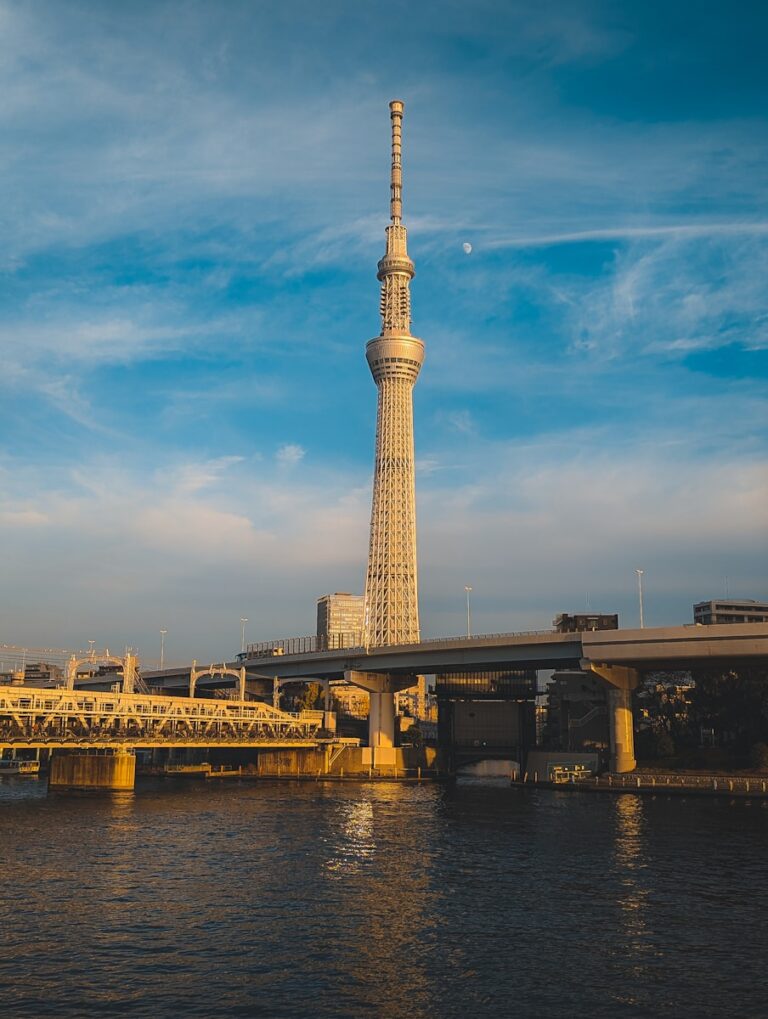 Tokyo Skytree Tembo Deck vs Galleria: Which Ticket Is Worth It?
Compare Tokyo Skytree Tembo Deck and Tembo Galleria by view, price, time needed, weather risk, and who should pay for the higher 450...
Tokyo Skytree Tembo Deck vs Galleria: Which Ticket Is Worth It?
Compare Tokyo Skytree Tembo Deck and Tembo Galleria by view, price, time needed, weather risk, and who should pay for the higher 450...
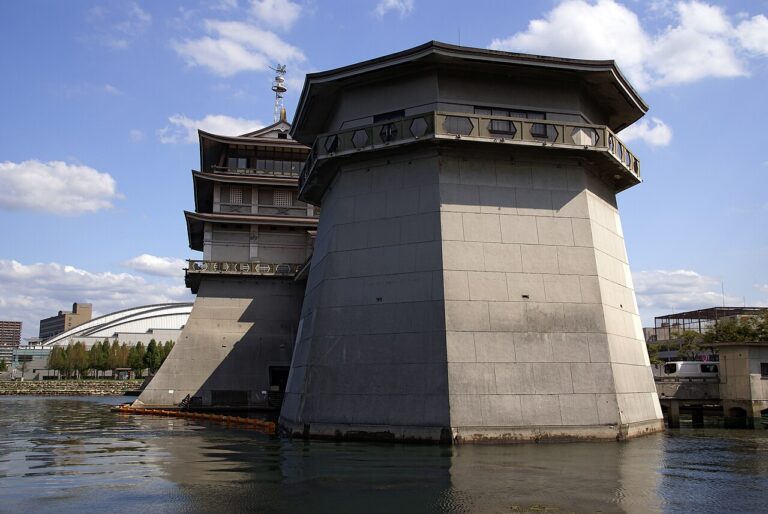 Lake Biwa Museum with Kids: Time Needed, Highlights, and Family Tips
Plan Lake Biwa Museum with kids: how long to stay, best exhibits for families, rainy-day tips, access planning, and nearby Lake Biwa...
Lake Biwa Museum with Kids: Time Needed, Highlights, and Family Tips
Plan Lake Biwa Museum with kids: how long to stay, best exhibits for families, rainy-day tips, access planning, and nearby Lake Biwa...
 Things to Do at New Chitose Airport Before Your Flight
Plan things to do at New Chitose Airport before your flight: food, souvenirs, Royce Chocolate World, onsen, theater, time needed, an...
New Chitose Airport Food Guide: What to Eat Before Your Flight
What to eat at New Chitose Airport before your flight, including ramen, seafood, sweets, souvenirs, Royce Chocolate World, timing, a...
Things to Do at New Chitose Airport Before Your Flight
Plan things to do at New Chitose Airport before your flight: food, souvenirs, Royce Chocolate World, onsen, theater, time needed, an...
New Chitose Airport Food Guide: What to Eat Before Your Flight
What to eat at New Chitose Airport before your flight, including ramen, seafood, sweets, souvenirs, Royce Chocolate World, timing, a...
New spots
-

Shimanto River (Shimanto City, Kochi Prefecture)
Overview (History, Features, and Attractions) The Shimanto River, one of Japan's cleanest rivers, flows through southwestern Kochi Prefecture. Known as "Japan's last clean river," the river's natural scenery and traditional lifestyles remain vividly preserved throughout its basin. It stretches for approximately 196 km, meandering from the mountains to the plains and out to its mouth... -
Kochi Castle (Kochi City, Kochi Prefecture)
Overview (History, Features, and Attractions) Kochi Castle (Kochi City, Kochi Prefecture) is a valuable example of castle architecture remaining from the Edo period, and a historical relic that is one of the twelve remaining castle towers. Developed as the headquarters of the Tosa clan, many buildings, including the castle tower, Honmaru Palace, and turrets, retain their Edo-period appearance. Castle... -
Kurashiki Bikan Historical Quarter (Kurashiki City, Okayama Prefecture).
Overview (History, Features, and Attractions) The Kurashiki Bikan Historical Quarter is a historic landscape preservation district in the center of Kurashiki City, Okayama Prefecture. Along the Kurashiki River, which flourished as a commercial district from the Edo to Meiji periods, the area retains its charming streetscape of white-walled storehouses, townhouses with lattice doors, and rows of willow trees. The area is particularly known for its beautiful scenery. -
Takarazuka Revue Theatre (Takarazuka City, Hyogo Prefecture)
Overview (History, Features, and Appeal) The Takarazuka Revue (Takarazuka Revue Company) is Japan's leading musical revue company, founded in 1913 by Ichizo Kobayashi. Its most notable feature is that it performs entirely with women. The Takarazuka Grand Theater (Takarazuka City, Hyogo Prefecture) is its home base, where lavish stage productions and... -
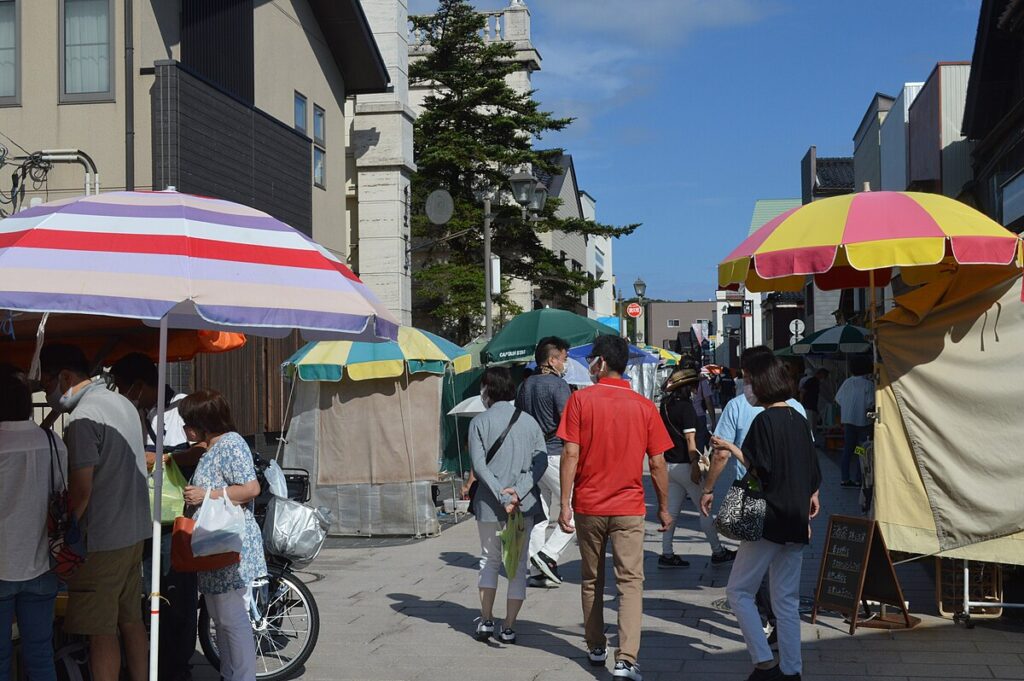
Wajima Morning Market (Wajima City, Ishikawa Prefecture)
Wajima Morning Market (Wajima City, Ishikawa Prefecture) — Overview (History, Features, and Attractions) Wajima Morning Market is a traditional morning market held every morning in the center of Wajima City on Ishikawa Prefecture's Noto Peninsula. Known for its long history, its history is said to span hundreds to even a thousand years, and it has served as a hub for the distribution of Noto's food culture and folk crafts... -
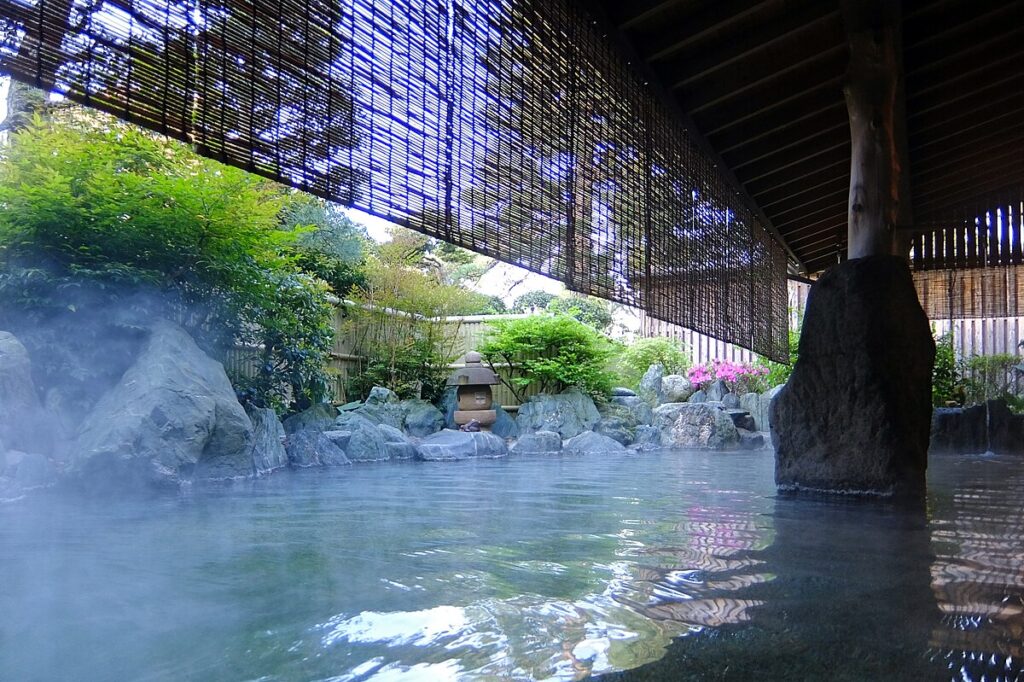
Tamatsukuri Onsen (Matsue City, Shimane Prefecture)
Overview (History, Features, and Attractions) Tamatsukuri Onsen (Matsue City, Shimane Prefecture) is a hot spring resort known since ancient times for its "beautiful skin water." According to legends and local records, it has been beloved since ancient times, and the charm of the hot spring town lies in the quiet atmosphere and tranquility unique to Shimane. The water is gentle on the skin, leaving it feeling refreshed after bathing... -
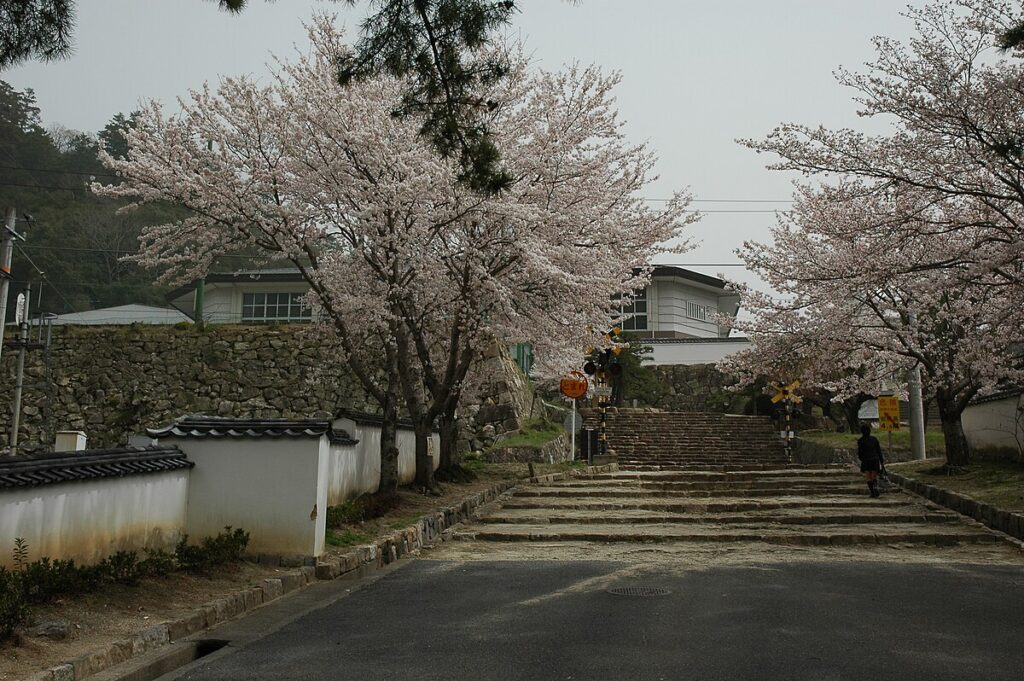
Bitchu Matsuyama Castle (Takahashi City, Okayama Prefecture)
Overview (History, Features, and Attractions) Bitchu Matsuyama Castle is a mountain castle located in Takahashi City, Okayama Prefecture, and is known as one of Japan's 12 remaining castle towers. Built atop a mountain at an elevation of approximately 430 meters, it is famous for being the castle with the highest remaining castle tower in Japan. -
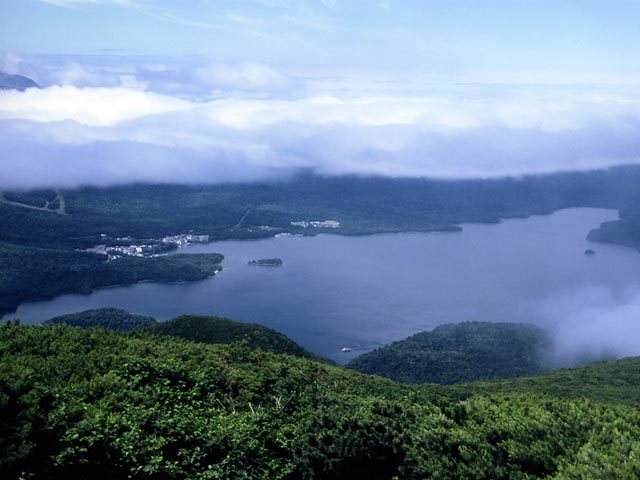
Lake Akan (Kushiro City, Hokkaido)
Overview (History, Features, and Attractions) Lake Akan is a caldera lake located in Kushiro City, Hokkaido, and is one of the central tourist destinations in Akan-Mashu National Park (an area that now includes Akan-Mashu Prefectural Natural Park). A hot spring town (Lake Akan Onsen) spreads along the lakeside, and the surrounding active volcano, Mount Meakan, is a popular spot for sightseeing. -
Mount Inasa (Nagasaki City, Nagasaki Prefecture)
Mount Inasa (Nagasaki City, Nagasaki Prefecture) Overview (History, Features, and Attractions) Mount Inasa is a mountain approximately 333 meters above sea level overlooking Nagasaki city, known as a panoramic observation spot offering a panoramic view of Nagasaki Port and the city. Nagasaki's night view has been called one of the "Three Great Night Views of Japan" and the "10-Million-Dollar Night View," and Mount Inasa's... -
Mount Yoshino (Yoshino Town, Yoshino District, Nara Prefecture)
Overview (History, Features, and Attractions) Mount Yoshino (Yoshino Town, Yoshino District, Nara Prefecture) is an ancient mountain town nestled in the valleys of a tributary of the Yoshino River, and is known as one of Japan's leading cherry blossom viewing spots. It has long flourished as a center of mountain worship, dotted with temples and shrines, including Kinpusenji Temple. From the Heian to Kamakura periods, the area was a center of worship...