Plan Japan by practical travel questions
Find Japan travel spots, routes, and visit-duration guides.
Discover Japan organizes sightseeing spots and focused travel guides for first-time visitors. Start with a region, a place name, or a practical question such as how long to spend, what to eat, or how to plan a half-day route.
Search by travel question
Popular English travel guides
Planning guides travelers are already searching for
Start with focused answers for visit duration, half-day routes, ticket choices, family visits, airport food, and other practical decisions before you arrive.
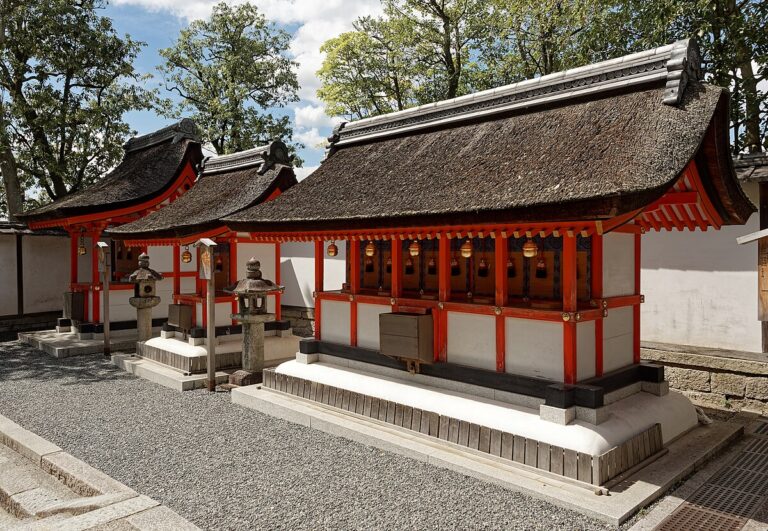 How Long to Spend at Fushimi Inari Taisha: 1, 2, or Half Day?
Most travelers need 1.5 to 2.5 hours at Fushimi Inari Taisha. Compare 1-hour, 2-hour, and half-day routes, crowd timing, access, and...
How Long to Spend at Fushimi Inari Taisha: 1, 2, or Half Day?
Most travelers need 1.5 to 2.5 hours at Fushimi Inari Taisha. Compare 1-hour, 2-hour, and half-day routes, crowd timing, access, and...
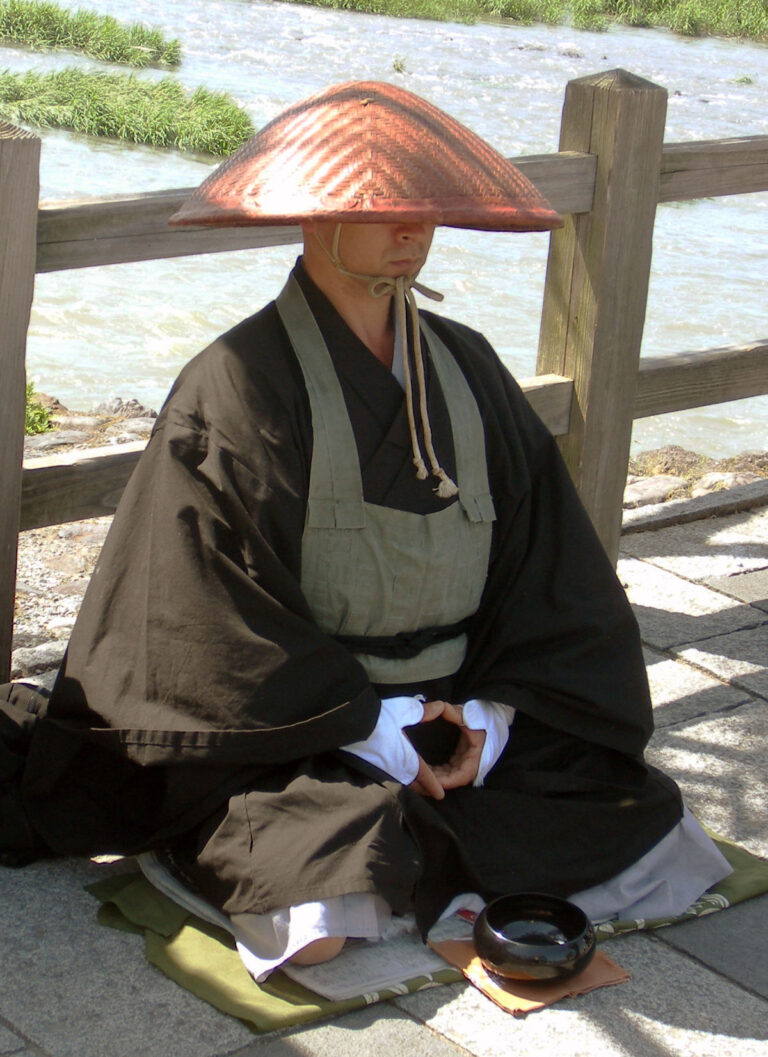 Arashiyama Half-Day Itinerary: Best Route, Time Needed, and Crowds
Follow a practical Arashiyama half-day itinerary for Kyoto: bamboo grove first, Togetsukyo Bridge, one temple or garden, time budget...
Arashiyama Half-Day Itinerary: Best Route, Time Needed, and Crowds
Follow a practical Arashiyama half-day itinerary for Kyoto: bamboo grove first, Togetsukyo Bridge, one temple or garden, time budget...
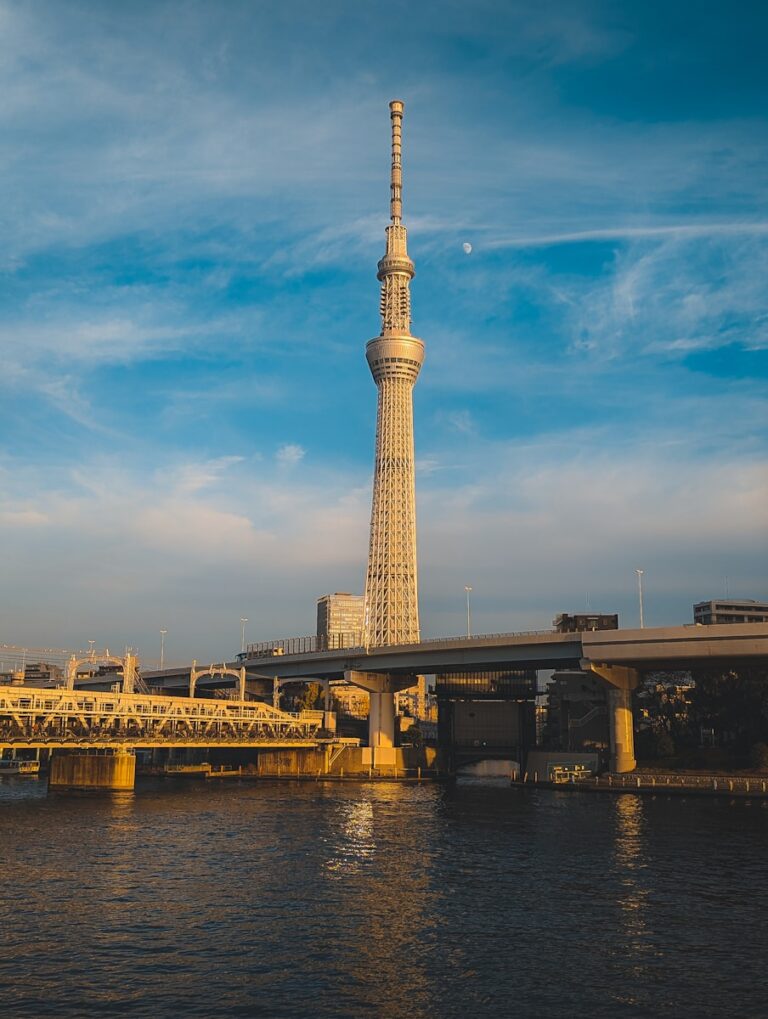 Tokyo Skytree Tembo Deck vs Galleria: Which Ticket Is Worth It?
Compare Tokyo Skytree Tembo Deck and Tembo Galleria by view, price, time needed, weather risk, and who should pay for the higher 450...
Tokyo Skytree Tembo Deck vs Galleria: Which Ticket Is Worth It?
Compare Tokyo Skytree Tembo Deck and Tembo Galleria by view, price, time needed, weather risk, and who should pay for the higher 450...
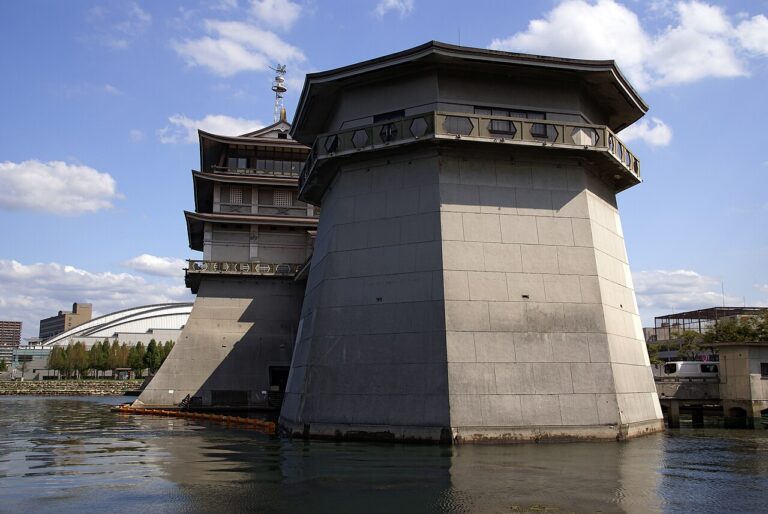 Lake Biwa Museum with Kids: Time Needed, Highlights, and Family Tips
Plan Lake Biwa Museum with kids: how long to stay, best exhibits for families, rainy-day tips, access planning, and nearby Lake Biwa...
Lake Biwa Museum with Kids: Time Needed, Highlights, and Family Tips
Plan Lake Biwa Museum with kids: how long to stay, best exhibits for families, rainy-day tips, access planning, and nearby Lake Biwa...
 Things to Do at New Chitose Airport Before Your Flight
Plan things to do at New Chitose Airport before your flight: food, souvenirs, Royce Chocolate World, onsen, theater, time needed, an...
New Chitose Airport Food Guide: What to Eat Before Your Flight
What to eat at New Chitose Airport before your flight, including ramen, seafood, sweets, souvenirs, Royce Chocolate World, timing, a...
Things to Do at New Chitose Airport Before Your Flight
Plan things to do at New Chitose Airport before your flight: food, souvenirs, Royce Chocolate World, onsen, theater, time needed, an...
New Chitose Airport Food Guide: What to Eat Before Your Flight
What to eat at New Chitose Airport before your flight, including ramen, seafood, sweets, souvenirs, Royce Chocolate World, timing, a...
New spots
-

Mount Hodo (Nagatoro Town, Chichibu District, Saitama Prefecture)
Mount Hodosan (Nagatoro Town, Chichibu District, Saitama Prefecture) Overview (History, Features, and Attractions) Mount Hodosan (approximately 497m above sea level) is a satoyama (village mountain) located in Nagatoro Town, Chichibu District, Saitama Prefecture. It has long been an object of worship and scenic beauty. At the foot of the mountain is Hodosan Shrine (Okumiya), where worshippers pray for protection from fire and the safety of their families. -
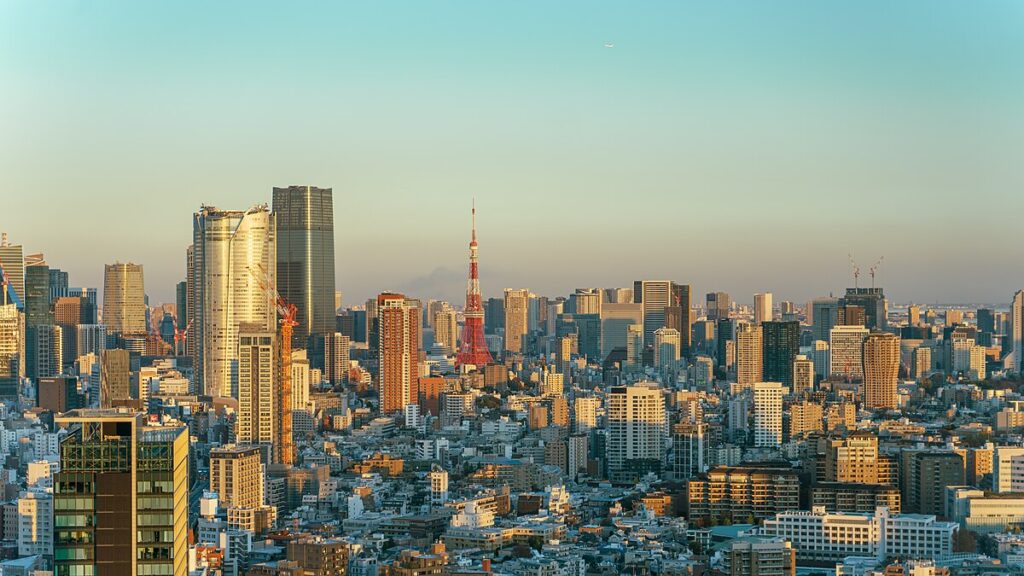
Roppongi Hills (Minato Ward, Tokyo)
Overview (History, Features, and Attractions) Roppongi Hills is a large-scale complex located in Roppongi, Minato Ward, Tokyo. Mori Building played a central role in the development of the complex as part of an urban redevelopment project. Its symbol, the approximately 238-meter-tall Mori Tower, opened in 2003, houses offices, commercial facilities, a hotel, residences, and cultural facilities. -
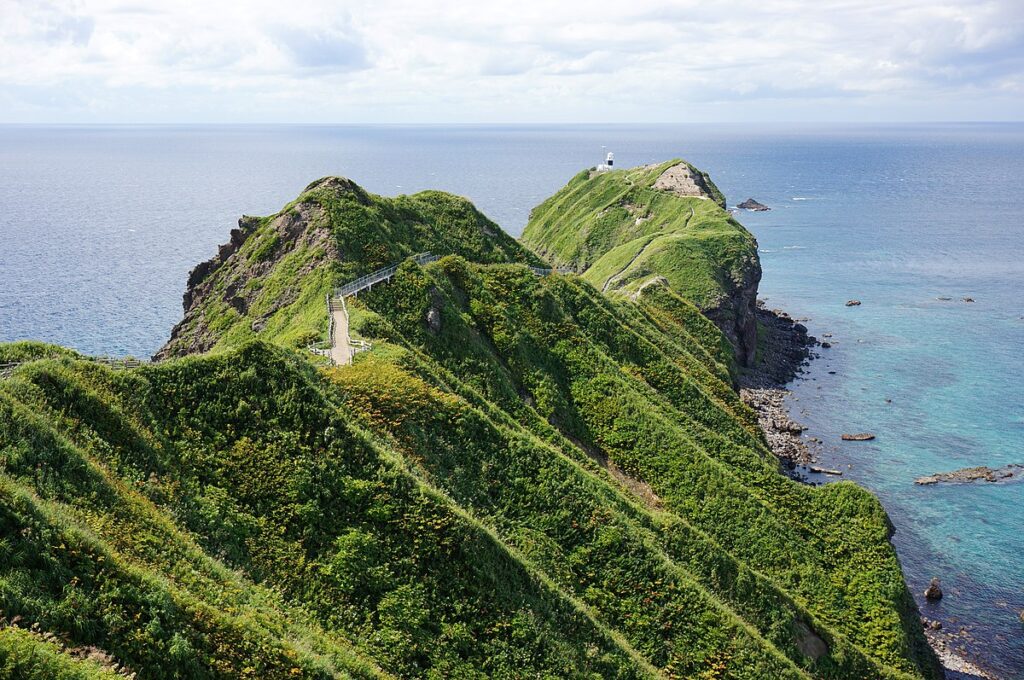
Cape Kamui (Shakotan Town, Shakotan District, Hokkaido)
Overview (History, Features, and Attractions) Cape Kamui is a cape located in Shakotan Town, Shakotan District, Hokkaido. Its name is said to derive from the Ainu word "kamui" (god, sacred thing), making it a scenic spot that has been regarded as sacred since ancient times. The sheer cliffs jutting out into the Sea of Japan and the crystal clear waters give it the name "Tsuku...". -
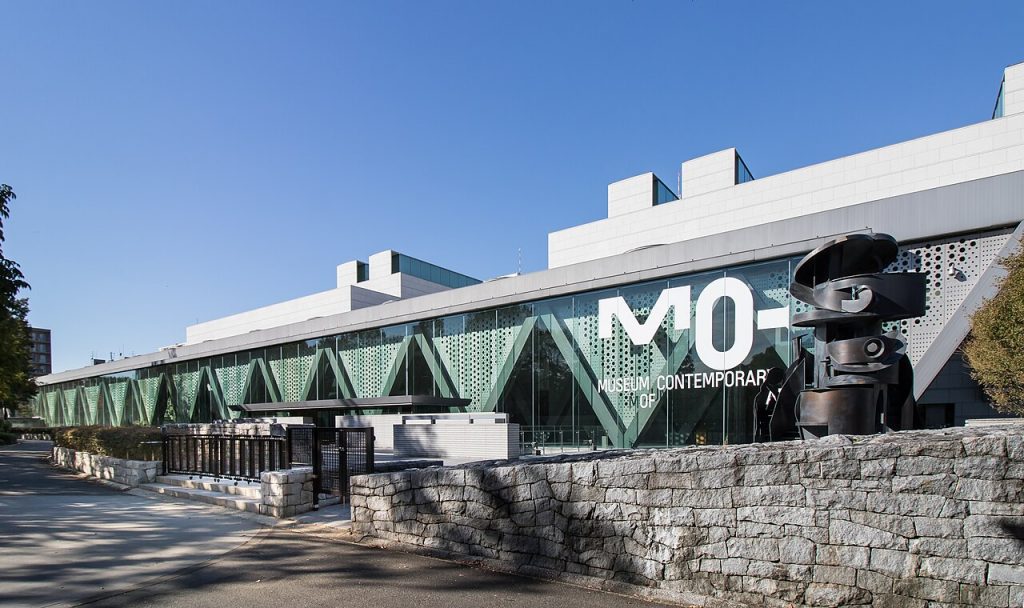
The National Museum of Modern Art, Tokyo (Chiyoda-ku, Tokyo)
About the National Museum of Modern Art, Tokyo (Chiyoda-ku, Tokyo) Overview (History, Features, and Appeal) The National Museum of Modern Art, Tokyo (MOMAT) is a national art museum dedicated to collecting, researching, and exhibiting modern art from postwar Japan. Since its founding, it has housed and presented a wide range of modern and contemporary Japanese art, including paintings... -
Nagasaki Atomic Bomb Museum (Nagasaki City, Nagasaki Prefecture)
Overview (History, Features, and Attractions) The Nagasaki Atomic Bomb Museum (Nagasaki City, Nagasaki Prefecture) is a facility dedicated to conveying the damage and history of the atomic bomb dropped on Nagasaki on August 9, 1945, as well as records of the atomic bomb victims, the horror of nuclear weapons, and the importance of peace. It displays photographs and personal belongings from the aftermath of the bombing, video testimonies from survivors, and a display of the hypocenter... -
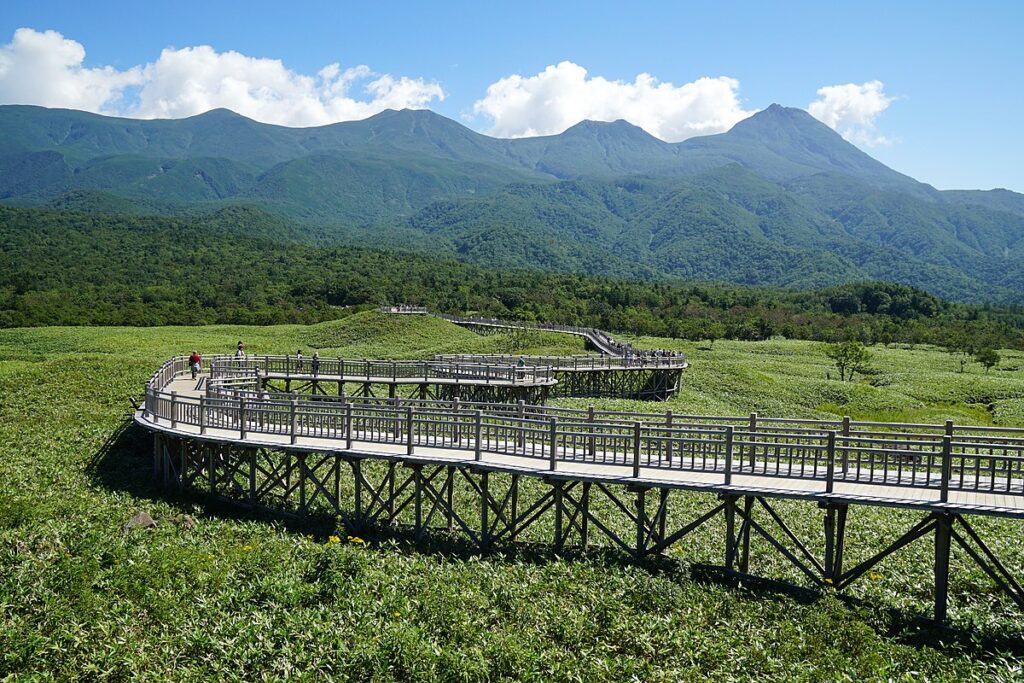
Shiretoko Five Lakes (Shari Town, Hokkaido)
Overview (History, Features, and Attractions) The Shiretoko Five Lakes are the collective name for five small lakes in Shari Town, Hokkaido, scattered among the lush primeval forests of the Shiretoko Peninsula. Shiretoko was registered as a UNESCO World Heritage Site in 2005, and the Shiretoko Five Lakes are a part of its natural scenery... -
Kurayoshi White-Walled Storehouses (Kurayoshi City, Tottori Prefecture)
Overview (History, Features, and Attractions) The Kurayoshi White-Walled Storehouses are a historic streetscape remaining in the central area of Kurayoshi City, Tottori Prefecture. Merchants' houses and storehouses from the Edo period through the Meiji and Taisho periods are uniformly decorated with white plaster walls, black tiled roofs, cobblestone streets, and... -
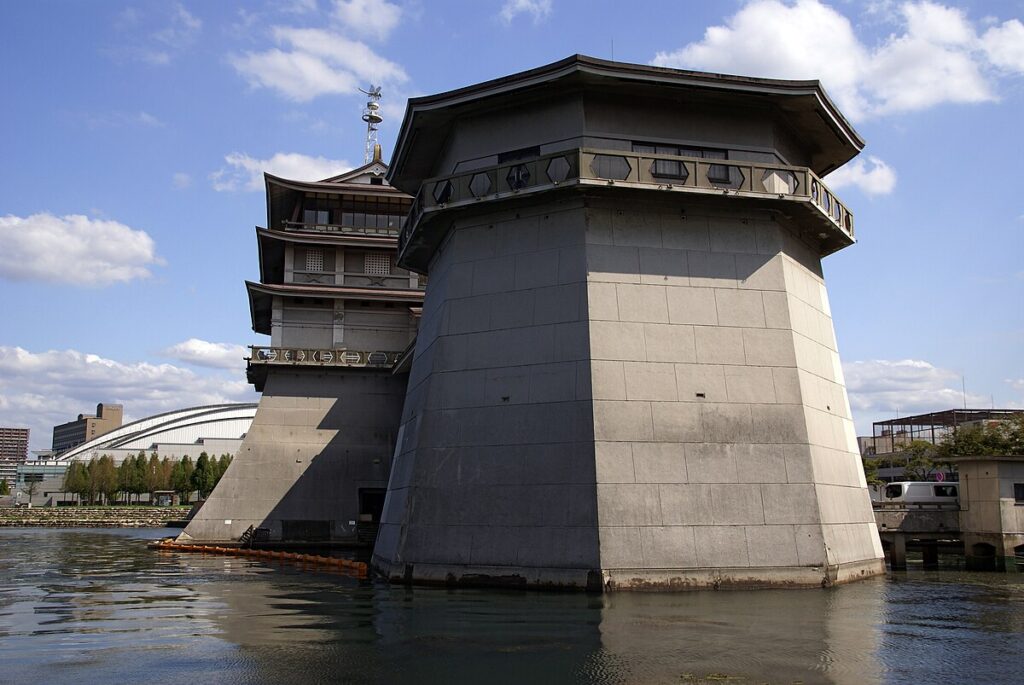
Lake Biwa (Otsu City, Shiga Prefecture)
Overview (History, Features, and Attractions) Lake Biwa is Japan's largest freshwater lake, with an area of approximately 670 km² and a circumference of approximately 235 km. Located almost in the center of Shiga Prefecture, Otsu City is a major city that spreads out along the lake's southwestern shore. Believed to have been created by tectonic movements approximately 400,000 years ago, the lake has long served as a key hub for water transportation, fishing, and agriculture, contributing to the region's livelihoods. -
Suwa Taisha Shrine (Suwa City, Nagano Prefecture)
Overview (History, Features, and Attractions) Suwa Taisha Shrine is an ancient shrine representing the Suwa region of Nagano Prefecture and is considered one of the oldest shrines in Japan. Its main deity is Takeminakata-no-kami, and it has been the center of faith in the region since ancient times. Suwa Taisha Shrine is made up of four shrines: Kamisha Honmiya, Kamisha Maemiya, and... -
Sankeien Garden (Naka Ward, Yokohama City, Kanagawa Prefecture)
Sankeien Garden (Naka Ward, Yokohama City, Kanagawa Prefecture) Overview (History, Features, and Attractions) Sankeien Garden is a Japanese garden developed in the early 20th century by businessman Hara Sankei. The spacious strolling garden with a pond is dotted with historical buildings relocated and preserved from all over Japan, and is a place where visitors can enjoy the scenery from the Edo period to the present day.