Plan Japan by practical travel questions
Find Japan travel spots, routes, and visit-duration guides.
Discover Japan organizes sightseeing spots and focused travel guides for first-time visitors. Start with a region, a place name, or a practical question such as how long to spend, what to eat, or how to plan a half-day route.
Search by travel question
Popular English travel guides
Planning guides travelers are already searching for
Start with focused answers for visit duration, half-day routes, ticket choices, family visits, airport food, and other practical decisions before you arrive.
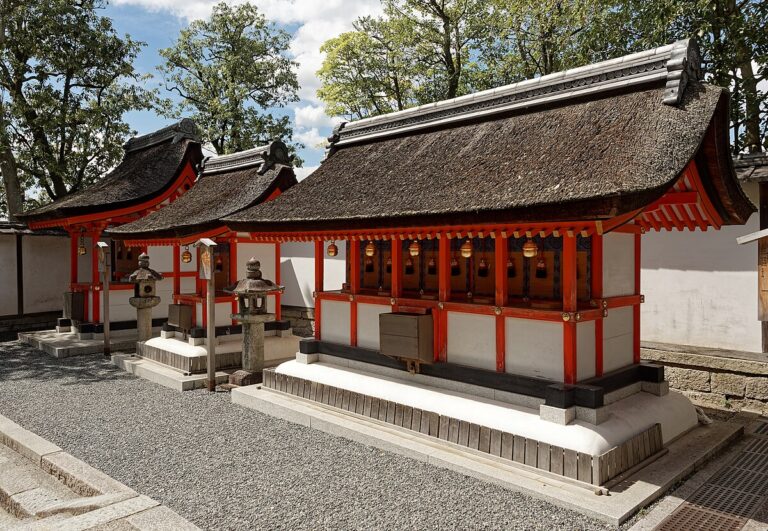 How Long to Spend at Fushimi Inari Taisha: 1, 2, or Half Day?
Most travelers need 1.5 to 2.5 hours at Fushimi Inari Taisha. Compare 1-hour, 2-hour, and half-day routes, crowd timing, access, and...
How Long to Spend at Fushimi Inari Taisha: 1, 2, or Half Day?
Most travelers need 1.5 to 2.5 hours at Fushimi Inari Taisha. Compare 1-hour, 2-hour, and half-day routes, crowd timing, access, and...
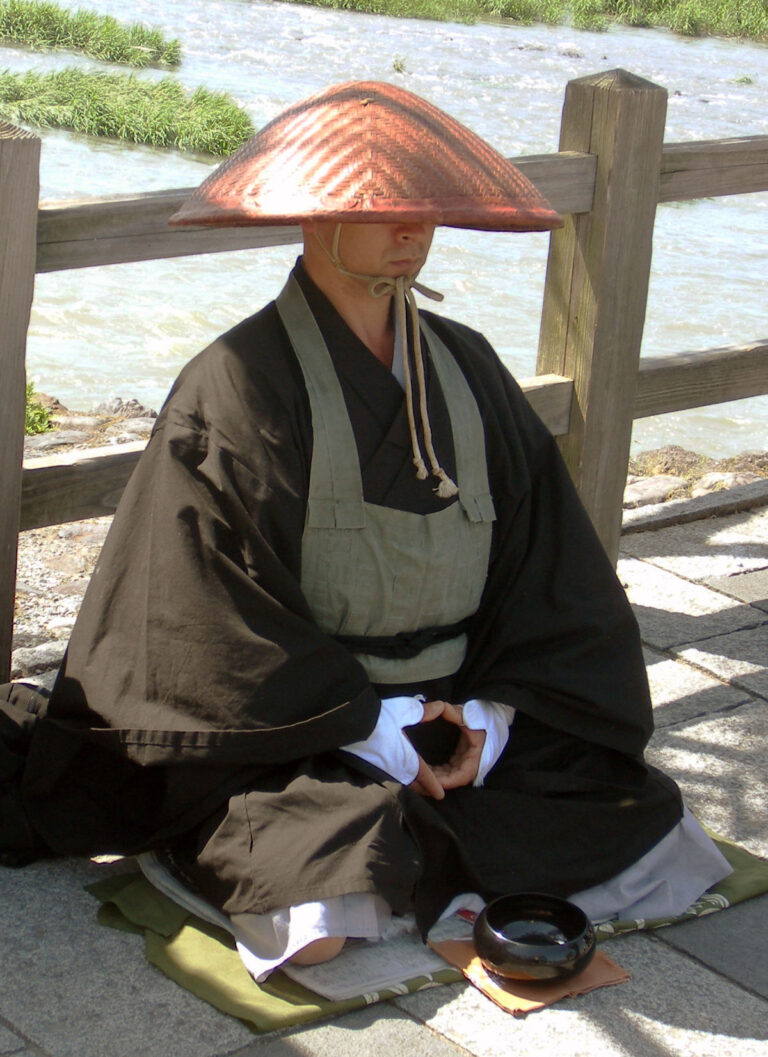 Arashiyama Half-Day Itinerary: Best Route, Time Needed, and Crowds
Follow a practical Arashiyama half-day itinerary for Kyoto: bamboo grove first, Togetsukyo Bridge, one temple or garden, time budget...
Arashiyama Half-Day Itinerary: Best Route, Time Needed, and Crowds
Follow a practical Arashiyama half-day itinerary for Kyoto: bamboo grove first, Togetsukyo Bridge, one temple or garden, time budget...
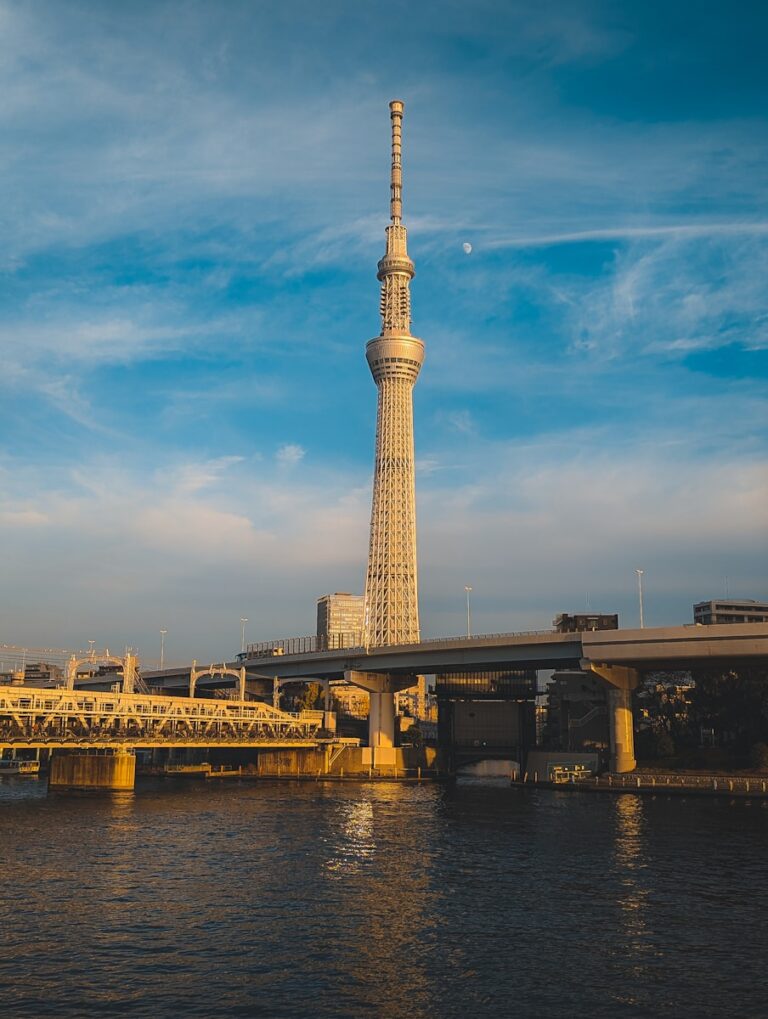 Tokyo Skytree Tembo Deck vs Galleria: Which Ticket Is Worth It?
Compare Tokyo Skytree Tembo Deck and Tembo Galleria by view, price, time needed, weather risk, and who should pay for the higher 450...
Tokyo Skytree Tembo Deck vs Galleria: Which Ticket Is Worth It?
Compare Tokyo Skytree Tembo Deck and Tembo Galleria by view, price, time needed, weather risk, and who should pay for the higher 450...
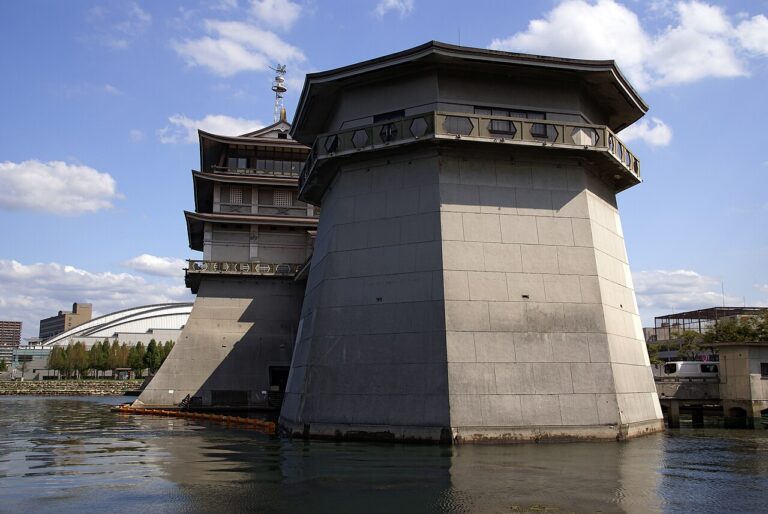 Lake Biwa Museum with Kids: Time Needed, Highlights, and Family Tips
Plan Lake Biwa Museum with kids: how long to stay, best exhibits for families, rainy-day tips, access planning, and nearby Lake Biwa...
Lake Biwa Museum with Kids: Time Needed, Highlights, and Family Tips
Plan Lake Biwa Museum with kids: how long to stay, best exhibits for families, rainy-day tips, access planning, and nearby Lake Biwa...
 Things to Do at New Chitose Airport Before Your Flight
Plan things to do at New Chitose Airport before your flight: food, souvenirs, Royce Chocolate World, onsen, theater, time needed, an...
New Chitose Airport Food Guide: What to Eat Before Your Flight
What to eat at New Chitose Airport before your flight, including ramen, seafood, sweets, souvenirs, Royce Chocolate World, timing, a...
Things to Do at New Chitose Airport Before Your Flight
Plan things to do at New Chitose Airport before your flight: food, souvenirs, Royce Chocolate World, onsen, theater, time needed, an...
New Chitose Airport Food Guide: What to Eat Before Your Flight
What to eat at New Chitose Airport before your flight, including ramen, seafood, sweets, souvenirs, Royce Chocolate World, timing, a...
New spots
-

Sumiyoshi Taisha Shrine (Sumiyoshi Ward, Osaka City, Osaka Prefecture)
Overview (History, Features, and Attractions) Sumiyoshi Taisha Shrine is a historic shrine located in Sumiyoshi Ward, Osaka City, and is the head shrine of all Sumiyoshi shrines across Japan. According to the shrine's history, it was founded in ancient times and has long been worshipped as the god of maritime traffic and safe navigation. The main hall is built in the Sumiyoshi style... -
Oyama Shrine (Kanazawa City, Ishikawa Prefecture)
[Overview (History, Features, and Attractions)] Oyama Shrine is a shrine in Kanazawa City, Ishikawa Prefecture, dedicated to the Maeda clan (especially Maeda Toshiie), who ruled the Kaga domain from the Sengoku to Edo periods. Located in the heart of the castle town of Kanazawa, the shrine grounds are beloved by locals. A distinctive feature is its Japanese... -
Shimoda Aquarium (Shimoda City, Shizuoka Prefecture)
Overview (History, Features, and Attractions) Shimoda Aquarium is located on the coast of Shimoda City, Shizuoka Prefecture. Its outdoor exhibits, set against the backdrop of the white sandy sea and harbor, and marine life performances featuring dolphins, sea lions, and other marine life, are its attractions. The exhibits focus on creatures found in the local coastal waters, and visitors can learn about the ocean through observation and learning. -
Atami Plum Garden (Atami City, Shizuoka Prefecture)
Overview (History, Features, and Attractions) Atami Plum Garden is a famous plum blossom spot in Atami City, Shizuoka Prefecture. Known for its plum blossoms that bloom in early spring, the best time to see them is usually between mid-January and early March. The garden is a hilly mountain garden, with a landscape of colorful plum blossoms spreading across the slopes, as well as waterfalls and babbling brooks... -
Yoyogi Park (Shibuya Ward, Tokyo)
Overview (History, Features, and Attractions) Yoyogi Park (Shibuya Ward, Tokyo) is a vast urban park in the heart of Tokyo, covering an area of approximately 54 hectares. It was originally used as military land and lodgings for occupying forces before and after the war, and was also part of the site of the Athletes' Village for the 1964 Tokyo Olympics. -
Tomogashima Island (Kada, Wakayama City, Wakayama Prefecture)
Overview (History, Features, Attractions) Tomogashima is a group of small islands floating off the coast of Kada, Wakayama City, Wakayama Prefecture. They are known as "Laputa Island" and "Island of Ruins" due to the remains of gun batteries and tunnels built during the Meiji period as a defense base for Osaka Bay. Rich in nature and... -
Fushimi Inari Taisha Shrine (Fushimi Ward, Kyoto City, Kyoto Prefecture)
Fushimi Inari Taisha Shrine (Fushimi Ward, Kyoto City, Kyoto Prefecture) Overview (History, Features, and Attractions) Fushimi Inari Taisha Shrine, located in Fushimi Ward, Kyoto City, is one of Japan's leading Inari shrines and is considered the head shrine of the approximately 30,000 Inari shrines throughout Japan. Its ancient construction dates back to 711, when it was said to offer blessings for food, clothing, shelter, business prosperity, and the five grains... -
Yakushima (Yakushima Town, Kumage District, Kagoshima Prefecture)
Overview (History, Features, and Attractions) Yakushima (Yakushima Town, Kumage District, Kagoshima Prefecture) is a naturally rich island located south of Kyushu and south of the Kagoshima mainland. Registered as a UNESCO World Heritage Site in 1993, the island is home to a deep virgin forest dominating the center of the island and the largest group of Yakusugi cedar trees, which have lifespans of thousands to thousands of years... -
Chusonji Temple (Hiraizumi Town, Iwate Prefecture)
Chusonji Temple (Hiraizumi, Iwate Prefecture) Overview (History, Features, and Attractions) Chusonji Temple is an ancient Tendai Buddhist temple located in Hiraizumi, Iwate Prefecture. Founded in the Heian period by Fujiwara no Kiyohira, the ancestor of the Oshu Fujiwara clan, the Konjikido Hall is particularly known for its architectural beauty, entirely covered in gold leaf, and its exquisite carvings and craftsmanship. -
Osaka Castle (Osaka City, Osaka Prefecture)
Overview (History, Features, and Attractions) Osaka Castle, located in Osaka City's Chuo Ward, is a representative historic site of Osaka, originally built by Toyotomi Hideyoshi in the 16th century. After repeated wars, fires, and rebuilding, the current castle tower was rebuilt out of concrete in 1931, and has since been restored and refurbished as a museum.