-

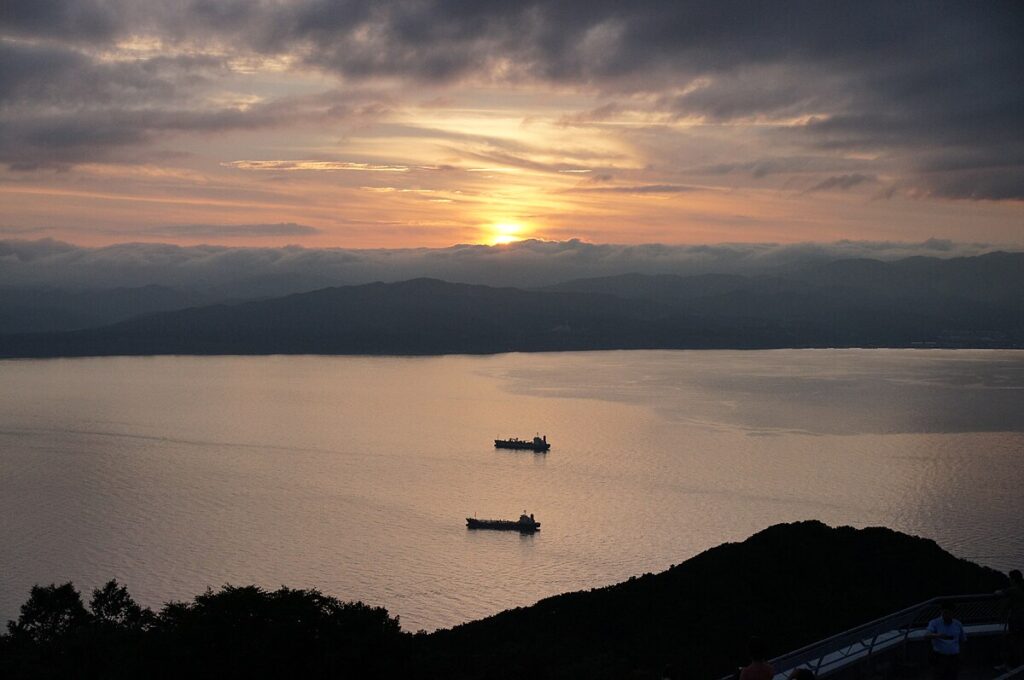
Mount Hakodate (Hakodate City, Hokkaido)
Overview (History, Features, and Attractions) Mount Hakodate is a 334-meter-high mountain located south of the center of Hakodate City, Hokkaido. It is known for its panoramic views of Hakodate City, Hakodate Bay, and the Tsugaru Strait. The night view from the summit is considered one of Japan's three greatest night views, attracting many tourists from both within Japan and overseas. -
Okayama Korakuen Garden (Okayama City, Okayama Prefecture)
Overview (History, Features, and Attractions) Okayama Korakuen Garden is a representative Japanese garden located in Okayama City, Okayama Prefecture, and is considered one of Japan's three most famous gardens. Designed as a strolling garden with a pond as a feudal lord's garden during the Edo period, its alluring landscape, integrated with the castle town and Okayama Castle (Karasu Castle), is... -
Akashi Castle (Akashi City, Hyogo Prefecture)
Overview (History, Features, and Attractions) Akashi Castle is a castle ruin located in Akashi City, Hyogo Prefecture, and is currently maintained as the central historic site of Akashi Park. Built in the early Edo period (around 1619), it was a flatland castle that was considered important as a base for maritime traffic on the Seto Inland Sea and for the defense of Harima Province. -
Munakata Taisha Shrine (Munakata City, Fukuoka Prefecture)
Munakata Taisha Shrine (Munakata City, Fukuoka Prefecture) — Overview (History, Features, and Attractions) Munakata Taisha Shrine is an ancient shrine located in Munakata City, Fukuoka Prefecture, dedicated to the Three Munakata Goddesses, who are in charge of protecting maritime traffic. Since ancient times, it has been the center of faith for prayers for safe maritime traffic and navigation... -
Daikanbo (Minamiaso Village, Aso District, Kumamoto Prefecture)
Overview (History, Features, and Attractions) Daikanbo is a representative observation point on the Aso outer rim, located on the border between Minamiaso Village and Aso City in Kumamoto Prefecture's Aso District. Its greatest attraction is the magnificent panoramic view of the five peaks of Aso and the vast caldera basin, and it has long been a popular scenic spot. On clear days... -
Takaoka Great Buddha (Takaoka City, Toyama Prefecture).
Overview (History, Features, and Attractions) The Takaoka Daibutsu (Great Buddha of Takaoka) is a large bronze Buddha statue located in the center of Takaoka City, Toyama Prefecture. Crafted using local casting techniques, it is a symbol of the city. It is generally considered one of the "Three Great Buddhas of Japan," alongside the Great Buddhas of Nara and Kamakura (though there are various theories), and... -
Yokote Kamakura (Yokote City, Akita Prefecture)
Overview (History, Features, and Attractions) Yokote Kamakura is a traditional snow event held every winter in Yokote City, Akita Prefecture. Kamakura are small, circular snow huts (kamakura) made from snow, and inside they house a shrine dedicated to the water god. It is customary to treat children to sweet sake (amazake) and mochi (rice cakes). Originating in the Edo period... -
Tachineputa Museum (Goshogawara City, Aomori Prefecture)
Tachineputa Museum (Goshogawara City, Aomori Prefecture) Overview (History, Features, and Attractions) Tachineputa Museum is a museum and exhibition facility where you can see the Tachineputa festival held every summer in Goshogawara City up close throughout the year. Tachineputa floats range in height from over 10 to 20 meters... -
Sunshine Aquarium (Toshima Ward, Tokyo)
Overview (History, Features, and Attractions) Sunshine Aquarium is an urban aquarium located within the Sunshine City complex in Ikebukuro, Toshima Ward, Tokyo. Taking advantage of its unique rooftop location, the aquarium features open exhibits based on the concept of an "oasis in the sky." Sunshine City... -
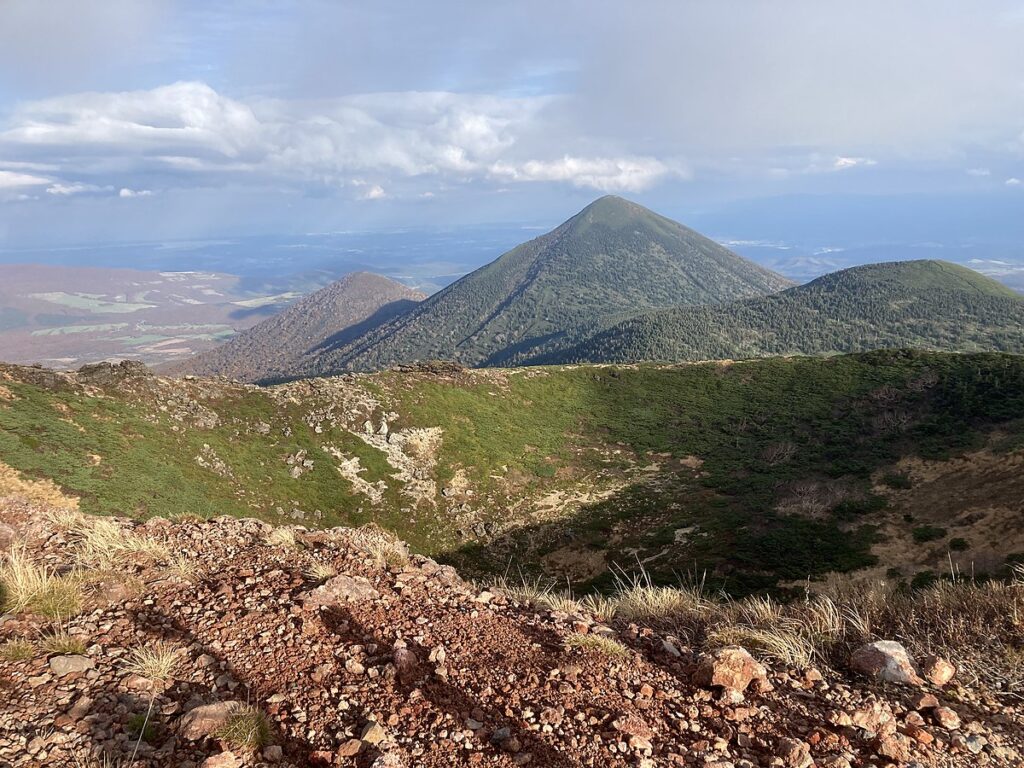
Mount Hakkoda (Aomori City, Aomori Prefecture)
Overview (History, Features, and Attractions) Mount Hakkoda is a mountain range located in Aomori City, Aomori Prefecture, and is a volcanic group that forms part of the Ou Mountain Range. Its main peak, Odake (approximately 1,584m above sea level), is home to several other peaks, high moors, and coniferous forests, and its scenery changes with the seasons. In winter...
| Discover Japan - Japan Regional Guide & Travel Information