Plan Japan by practical travel questions
Find Japan travel spots, routes, and visit-duration guides.
Discover Japan organizes sightseeing spots and focused travel guides for first-time visitors. Start with a region, a place name, or a practical question such as how long to spend, what to eat, or how to plan a half-day route.
Search by travel question
Popular English travel guides
Planning guides travelers are already searching for
Start with focused answers for visit duration, half-day routes, ticket choices, family visits, airport food, and other practical decisions before you arrive.
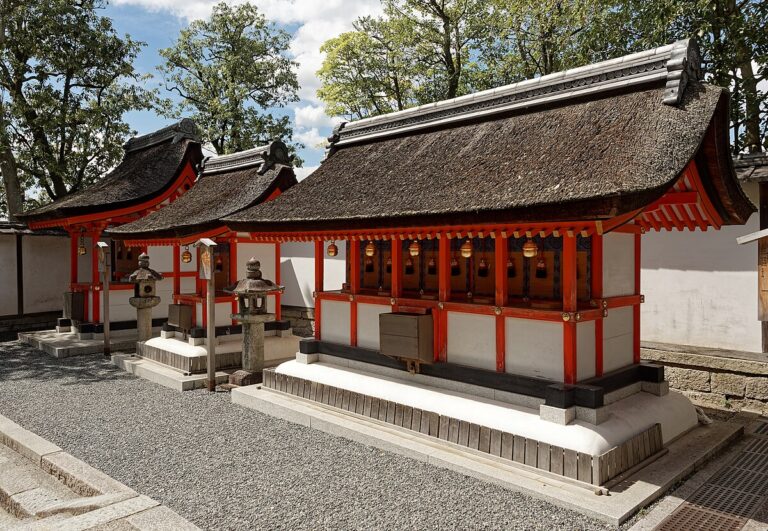 How Long to Spend at Fushimi Inari Taisha: 1, 2, or Half Day?
Most travelers need 1.5 to 2.5 hours at Fushimi Inari Taisha. Compare 1-hour, 2-hour, and half-day routes, crowd timing, access, and...
How Long to Spend at Fushimi Inari Taisha: 1, 2, or Half Day?
Most travelers need 1.5 to 2.5 hours at Fushimi Inari Taisha. Compare 1-hour, 2-hour, and half-day routes, crowd timing, access, and...
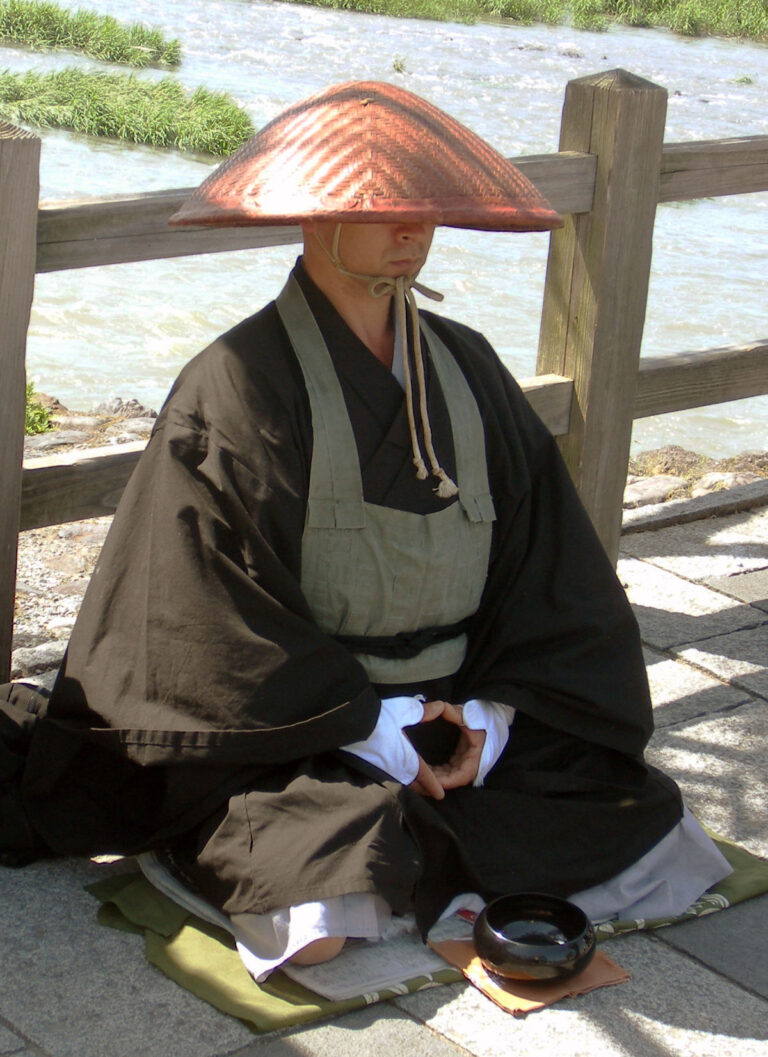 Arashiyama Half-Day Itinerary: Best Route, Time Needed, and Crowds
Follow a practical Arashiyama half-day itinerary for Kyoto: bamboo grove first, Togetsukyo Bridge, one temple or garden, time budget...
Arashiyama Half-Day Itinerary: Best Route, Time Needed, and Crowds
Follow a practical Arashiyama half-day itinerary for Kyoto: bamboo grove first, Togetsukyo Bridge, one temple or garden, time budget...
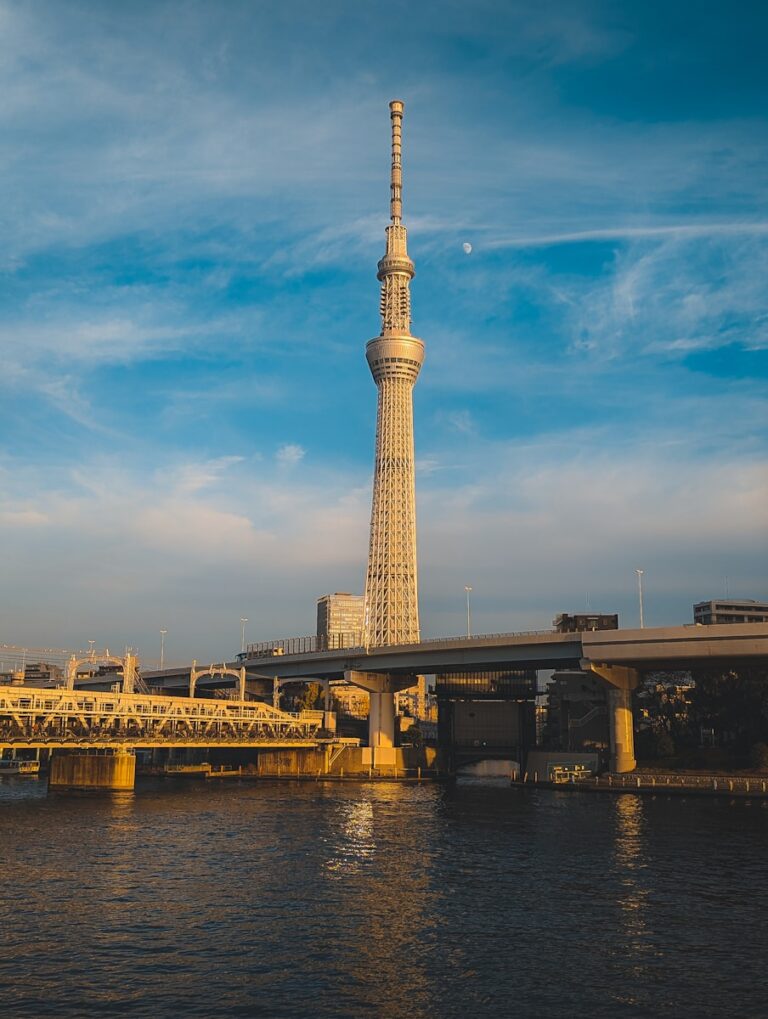 Tokyo Skytree Tembo Deck vs Galleria: Which Ticket Is Worth It?
Compare Tokyo Skytree Tembo Deck and Tembo Galleria by view, price, time needed, weather risk, and who should pay for the higher 450...
Tokyo Skytree Tembo Deck vs Galleria: Which Ticket Is Worth It?
Compare Tokyo Skytree Tembo Deck and Tembo Galleria by view, price, time needed, weather risk, and who should pay for the higher 450...
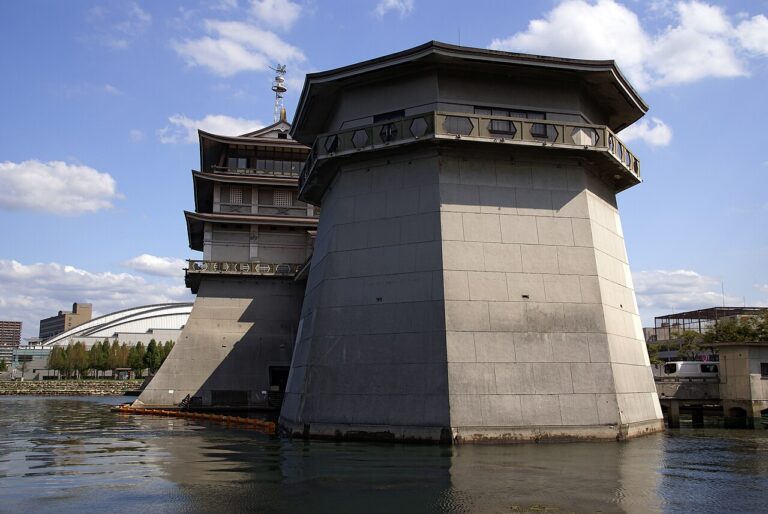 Lake Biwa Museum with Kids: Time Needed, Highlights, and Family Tips
Plan Lake Biwa Museum with kids: how long to stay, best exhibits for families, rainy-day tips, access planning, and nearby Lake Biwa...
Lake Biwa Museum with Kids: Time Needed, Highlights, and Family Tips
Plan Lake Biwa Museum with kids: how long to stay, best exhibits for families, rainy-day tips, access planning, and nearby Lake Biwa...
 Things to Do at New Chitose Airport Before Your Flight
Plan things to do at New Chitose Airport before your flight: food, souvenirs, Royce Chocolate World, onsen, theater, time needed, an...
New Chitose Airport Food Guide: What to Eat Before Your Flight
What to eat at New Chitose Airport before your flight, including ramen, seafood, sweets, souvenirs, Royce Chocolate World, timing, a...
Things to Do at New Chitose Airport Before Your Flight
Plan things to do at New Chitose Airport before your flight: food, souvenirs, Royce Chocolate World, onsen, theater, time needed, an...
New Chitose Airport Food Guide: What to Eat Before Your Flight
What to eat at New Chitose Airport before your flight, including ramen, seafood, sweets, souvenirs, Royce Chocolate World, timing, a...
New spots
-

Ashikaga School (Ashikaga City, Tochigi Prefecture)
Overview (History, Features, and Attractions) Ashikaga Gakuen (Ashikaga School) is the site of a medieval school located in the center of Ashikaga City, Tochigi Prefecture, and its restored facilities. Known for its long history as a place where education and lectures, primarily on Confucianism, were held, it is sometimes referred to as "one of the oldest schools in Japan." Currently... -
Yoshimi Hyakuana (Yoshimi Town, Hiki District, Saitama Prefecture)
Overview (History, Features, and Attractions) Yoshimi Hyakketsu is a group tomb of horizontal stone chambers in Yoshimi Town, Hiki District, Saitama Prefecture, believed to have been constructed between the Kofun period, the Asuka period, and the Nara period. The numerous horizontal caves (cave storehouses) carved into the cliff face, arranged in a row, give the appearance of "a hundred holes (many holes).". -
Usuki Stone Buddhas (Usuki City, Oita Prefecture)
Overview (History, Features, and Attractions) The Usuki Stone Buddhas are a group of rock-carved Buddha statues located in Usuki City, Oita Prefecture. Carved between the end of the Heian period and the Kamakura period, the statues have taken on a unique charm with the passage of time, conveying local faith and culture for many years. -
Hakone Glass Forest Museum (Hakone, Kanagawa Prefecture)
Overview (History, Features, and Attractions): The Hakone Glass Forest Museum is a museum that exhibits European glass art and works by contemporary glass artists, with a focus on Venetian glass. Since its opening, the museum has exhibited a wide range of works, from traditional blown glass and historical pieces with intricate decorations... -
Lake Haruna (Takasaki City, Gunma Prefecture)
Overview (History, Features, and Attractions) Lake Haruna is a crater lake located within the caldera of Mount Haruna (Haruna Volcano) in Takasaki City, Gunma Prefecture. Its quiet landscape nestled in the mountain valley is captivating. The lakeside changes its appearance with the seasons, offering a variety of activities for strolling and photography in any season, from the fresh greenery of spring, to escaping the heat of summer, to the colorful foliage of autumn, to the snowy scenery of winter. -
Aso Shrine (Aso City, Kumamoto Prefecture)
Overview (History, Features, and Attractions) Aso Shrine is an ancient shrine located in Aso City, Kumamoto Prefecture, which has long been revered as the center of faith in the Aso region. The shrine enshrines the land god closely connected to the outer rim of Mount Aso and the volcanic region, and has a long history as a regional center for prayers for fertility in the fields and calming of the volcano. -
Sakurajima (Kagoshima City, Kagoshima Prefecture)
Sakurajima (Kagoshima City, Kagoshima Prefecture) Overview (History, Features, and Attractions) Sakurajima is an active volcano towering over Kagoshima Bay (Kinko Bay) and a symbol of Kagoshima City. It was once an island, but a lava flow from a major eruption in 1914 (Taisho 3) connected it to the Osumi Peninsula (topographically, it is called "Sakurajima"). In ancient times... -
Hokusai Museum (Obuse Town, Nagano Prefecture)
Hokusai Museum (Obuse Town, Nagano Prefecture) Overview (History, Features, and Attractions) The Hokusai Museum is an art museum that preserves and exhibits materials and works related to the Edo period ukiyo-e artist Katsushika Hokusai. Hokusai visited and stayed in Obuse in his later years, and the entire town has come to cherish Hokusai's footsteps. -
Kamo Aquarium (Tsuruoka City, Yamagata Prefecture)
Overview (History, Features, and Attractions) Kamo Aquarium (Tsuruoka City, Yamagata Prefecture) is an aquarium known nationwide for its jellyfish exhibits. After starting out as a small facility, it gained attention by specializing in jellyfish exhibits and has become a tourist spot that attracts many visitors from both Japan and abroad. -
Oyama Afuri Shrine (Isehara City, Kanagawa Prefecture)
Overview (History, Features, and Attractions) Oyama Afuri Shrine is an ancient shrine in Isehara City, Kanagawa Prefecture, located near the summit of Mount Oyama (approximately 1,252 meters above sea level) in the Tanzawa Mountains. A sacred site for mountain worship and Shugendo since ancient times, it is particularly associated with rain-making beliefs and is known as the "Afuri Shrine."