
Guide by City/Town/Village
Tourist attractions in Matsumoto City
This is a municipality-based entry page where you can search for tourist spots around Matsumoto City, Nagano Prefecture, checking travel time, access, and points of interest. Use it to organize your travel options before your trip or to compare nearby locations.
List of spots in Matsumoto City
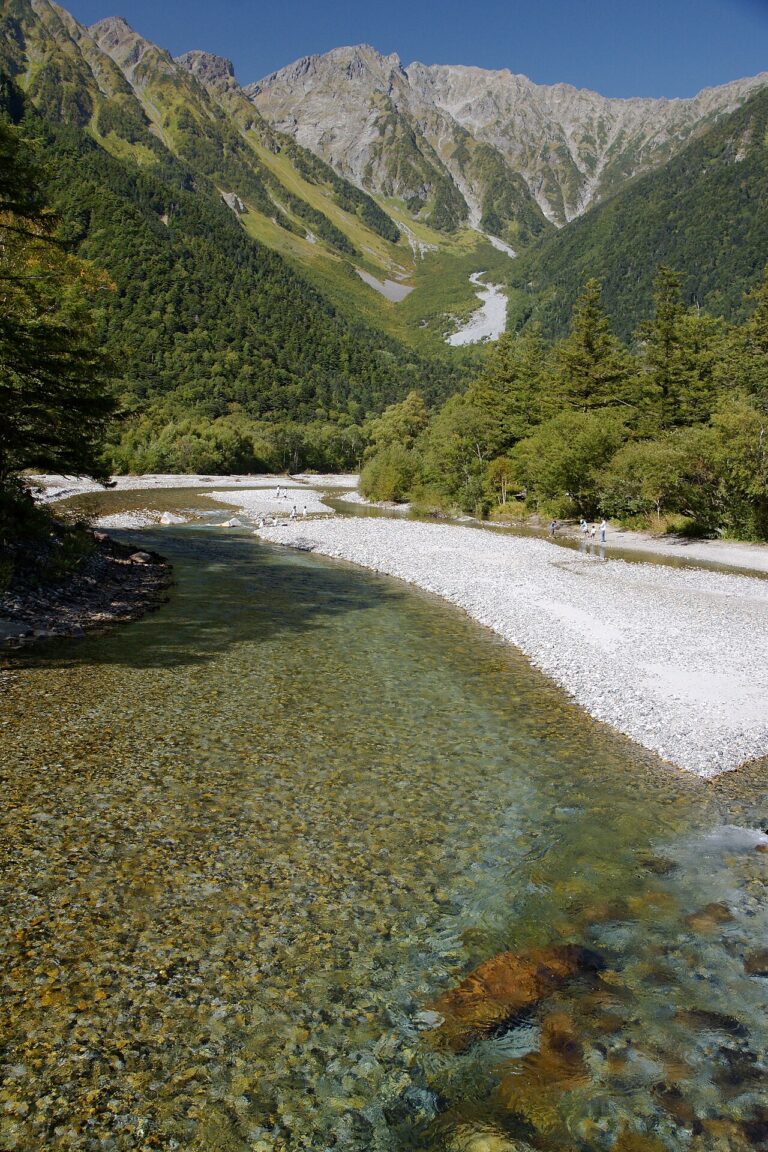
Kappa Bridge (Matsumoto City, Nagano Prefecture)
Overview (History, Features, and Attractions): Kappabashi Bridge is a representative wooden-walk-style suspension bridge in Kamikochi, Matsumoto City, Nagano Prefecture, located near Azusa Bridge...
Matsumoto City Museum of Art (Matsumoto City, Nagano Prefecture)
Matsumoto City Museum of Art (Matsumoto City, Nagano Prefecture) Overview (History, Features, and Attractions) The Matsumoto City Museum of Art serves as a cultural hub for Matsumoto City, serving citizens and...
Taisho Pond (Matsumoto City, Nagano Prefecture)
Overview (History, Features, and Attractions): Taisho Pond is a freshwater pond located in the Kamikochi area of Matsumoto City, Nagano Prefecture. It was destroyed by fire in 1915 (Taisho 4)...
Former Kaichi School (Matsumoto City, Nagano Prefecture)
Overview (History, Features, and Appeal): The former Kaichi School, located in Matsumoto City, Nagano Prefecture, is a representative Western-style school from the Meiji era...
Mount Norikura (Matsumoto City, Nagano Prefecture)
Overview (History, Features, and Attractions): Mount Norikura is located on the border between Matsumoto City, Nagano Prefecture and Takayama City, Gifu Prefecture, with an elevation of approximately 3,000 meters...
Shirahone Hot Springs (Matsumoto City, Nagano Prefecture)
Overview (History, Features, and Attractions): Shirahone Onsen is a historic hot spring located in Matsumoto City, Nagano Prefecture (formerly the Azumi region)...
Utsukushigahara Plateau (Matsumoto City, Nagano Prefecture)
Overview (History, Features, and Attractions): Utsukushigahara Plateau is a plateau located in Matsumoto City, Nagano Prefecture, with an elevation of approximately 2,000m...
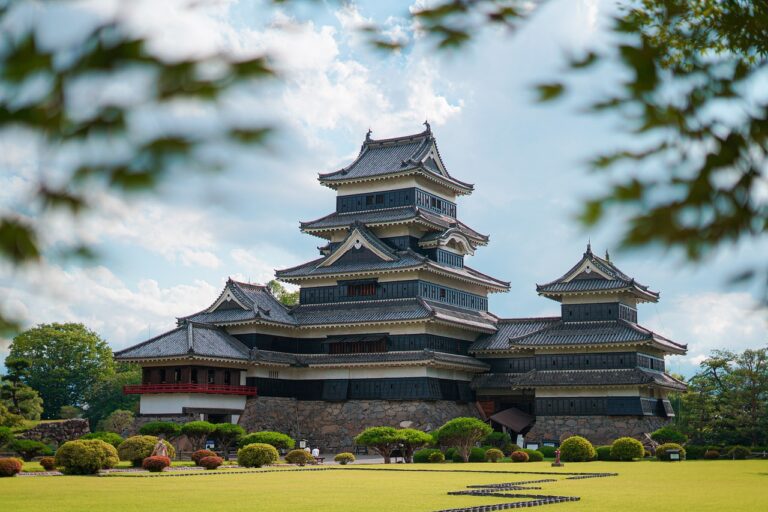
Matsumoto Castle (Matsumoto City, Nagano Prefecture)
Overview: This Sengoku period mountain castle, with its impressive black-painted keep designated a National Treasure, retains much of its Edo period appearance, along with its interior and exterior exhibits and surrounding moat...