
Guide by City/Town/Village
Tourist attractions in Chuo Ward
This is a municipality-based entry page where you can search for tourist spots around Chuo Ward, Tokyo, checking travel time, access, and points of interest. Use it to organize your options before your trip or to compare nearby locations.
List of spots in Chuo Ward
Kachidoki Bridge (Chuo Ward, Tokyo)
Overview (History, Features, and Attractions): Kachidoki Bridge spans the Sumida River (considered a tributary of the Kachidoki River) in Chuo Ward, Tokyo...
Ginza (Chuo Ward, Tokyo)
Ginza (Chuo Ward, Tokyo) — Overview (History, Characteristics, and Attractions) Ginza, located in Chuo Ward, Tokyo, is one of Japan's leading commercial and luxury shopping districts...
Meijiza Theatre (Chuo Ward, Tokyo)
Overview (History, Features, and Appeal): Meijiza is a long-established theater located in Chuo Ward, Tokyo, founded during the Meiji era...
Mitsui Memorial Museum (Chuo-ku, Tokyo)
Overview (History, Features, and Appeal): The Mitsui Memorial Museum houses art and craft objects collected over many years by the Mitsui family (Mitsui Group)...
Tsukiji Honganji Temple (Chuo Ward, Tokyo).
Overview (History, Features, and Attractions): Tsukiji Honganji Temple is a Jodo Shinshu Honganji sect temple located in Tsukiji, Chuo-ku, Tokyo...
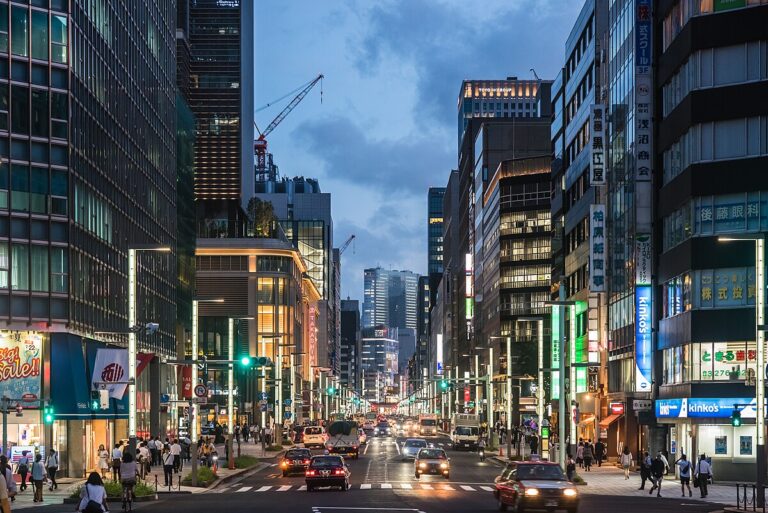
Nihonbashi (Chuo Ward, Tokyo)
Overview (History, Characteristics, and Attractions): Nihonbashi is a historic commercial and financial center located in Chuo Ward, Tokyo. ...
Koami Shrine (Chuo Ward, Tokyo)
Koami Shrine (Chuo Ward, Tokyo) Overview (History, Features, and Attractions) Koami Shrine is a small shrine located in the Nihonbashi/Ningyocho area of Chuo Ward, Tokyo...
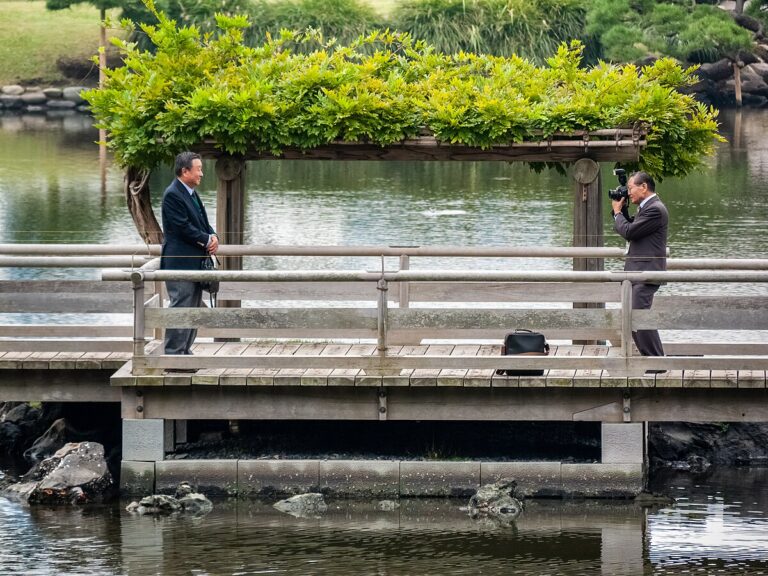
Hamarikyu Gardens (Chuo Ward, Tokyo)
Overview (History, Features, and Attractions): Hamarikyu Gardens, located in Chuo Ward, Tokyo, dates back to the Edo period...
Kabukiza (Chuo-ku, Tokyo)
Overview (History, Features, and Appeal) The Kabuki-za Theatre, located in Ginza, Chuo-ku, Tokyo, is a leading theatre for traditional Japanese performing arts. The first Kabuki-za...
Tsukiji Outer Market (Chuo Ward, Tokyo)
Tsukiji Outer Market (Chuo Ward, Tokyo) — Overview (History, Features, and Attractions) The Tsukiji Outer Market is located in the Tsukiji area of Chuo Ward, Tokyo...