
Guide by City/Town/Village
Tourist attractions in Kyoto City
This is a municipality-based entry page where you can search for tourist spots around Kyoto City, Kyoto Prefecture, checking travel time, access, and points of interest. Use it to organize your options before your trip or to compare nearby attractions.
List of spots in Kyoto City
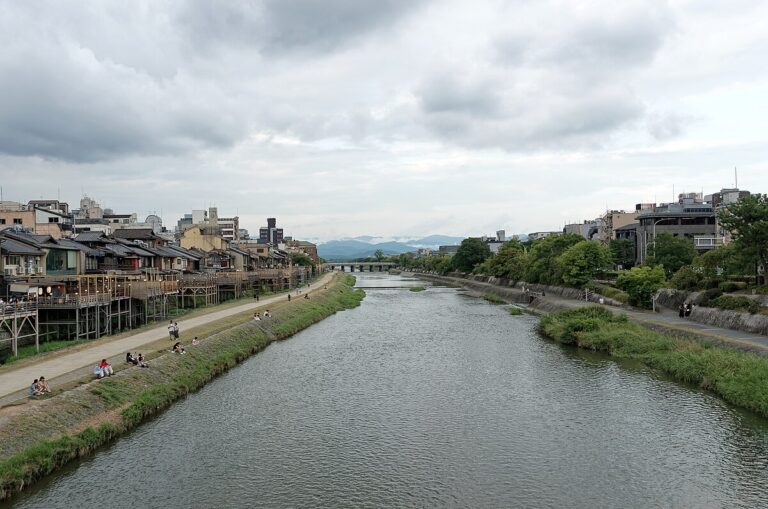
Kamo River (Kyoto City, Kyoto Prefecture)
Overview (History, Characteristics, and Appeal): The Kamo River is a representative river that flows north-south through Kyoto City, and has long been an important part of Kyoto's life and culture...
Keage Incline (Kyoto City, Kyoto Prefecture)
Overview (History, Features, and Attractions): The Keage Incline is located on the border of Higashiyama Ward and Sakyo Ward in Kyoto City, along the former Lake Biwa Canal...
Toyokuni Shrine (Kyoto City, Kyoto Prefecture)
Overview (History, Features, and Attractions) Toyokuni Shrine is dedicated to Toyotomi Hideyoshi (1533), a daimyo who ruled Japan from the Sengoku period...
Shoren-in Temple (Kyoto City, Kyoto Prefecture)
Overview (History, Features, and Attractions): Shoren-in Temple is a Tendai sect temple located in the Okazaki/Heian Shrine area of Higashiyama Ward, Kyoto City...
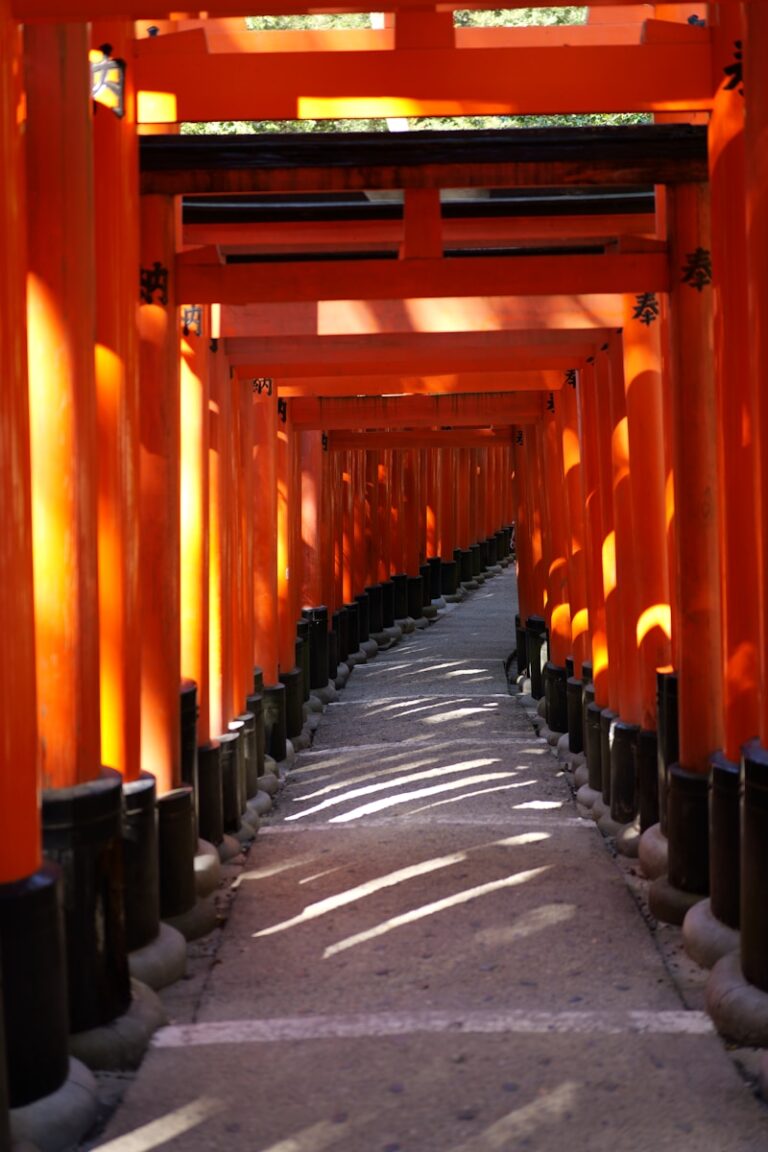
Fushimi Inari Taisha Shrine (Kyoto City, Kyoto Prefecture)
Fushimi Inari Taisha is the head shrine of approximately 30,000 Inari shrines throughout Japan, and has long been revered as the god of business prosperity and abundant harvests...