
Guide by City/Town/Village
Tourist attractions in Kita Ward, Kyoto City
This is a municipality-based entry page where you can search for tourist spots around Kita Ward, Kyoto City, Kyoto Prefecture, checking travel time, access, and points of interest. It can be used to organize your travel options before your trip or to compare nearby spots.
List of spots in Kita Ward, Kyoto City
Haratanien (Kita Ward, Kyoto City, Kyoto Prefecture)
Overview (History, Features, and Attractions): Haradani-en is a private garden located on a small hill in the Kita Ward of Kyoto City. In spring...
Imamiya Shrine (Kita Ward, Kyoto City, Kyoto Prefecture)
Overview (History, Features, and Attractions) Imamiya Shrine is a historic shrine located in Kita Ward, Kyoto City, and is known locally as "Imamiya...".
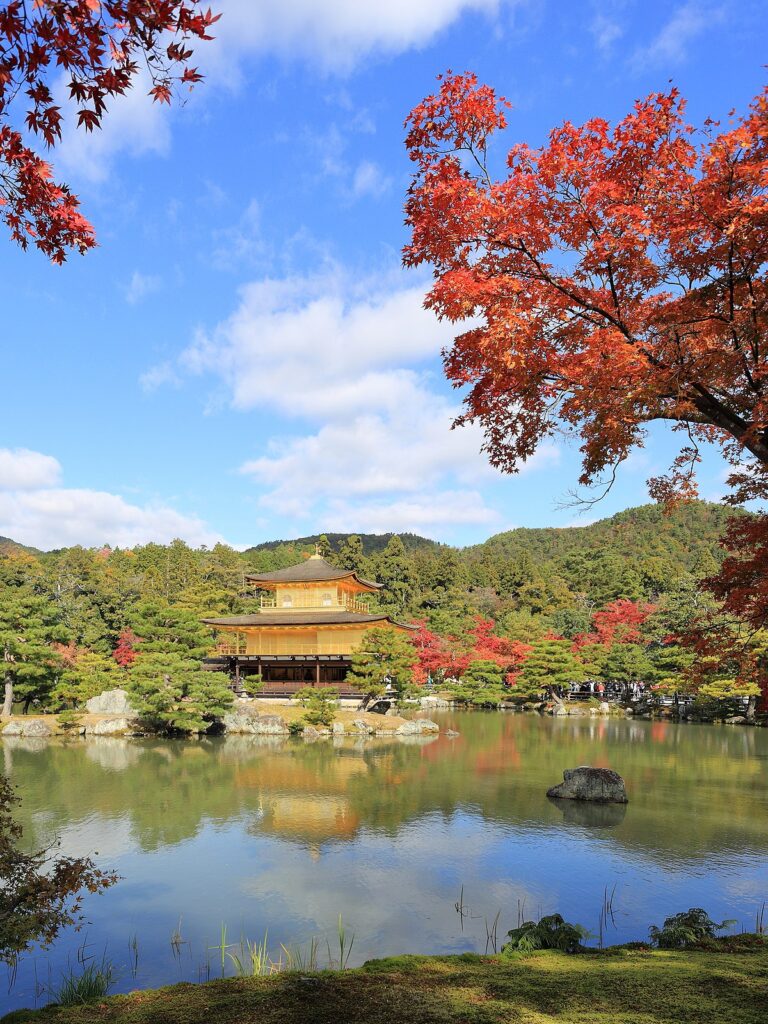
Kinkakuji Temple (Kita Ward, Kyoto City, Kyoto Prefecture)
Kinkaku-ji Temple (Rokuon-ji Temple) — Kita-ku, Kyoto City, Kyoto Prefecture Overview (History, Features, and Attractions) The official name of Kinkaku-ji Temple is Rokuon-ji Temple...
Kamigamo Shrine (Kita Ward, Kyoto City, Kyoto Prefecture)
Overview (History, Features, and Attractions): Kamigamo Shrine (officially known as Kamo Wakeikazuchi Shrine) is an ancient shrine located in Kita Ward, Kyoto City...
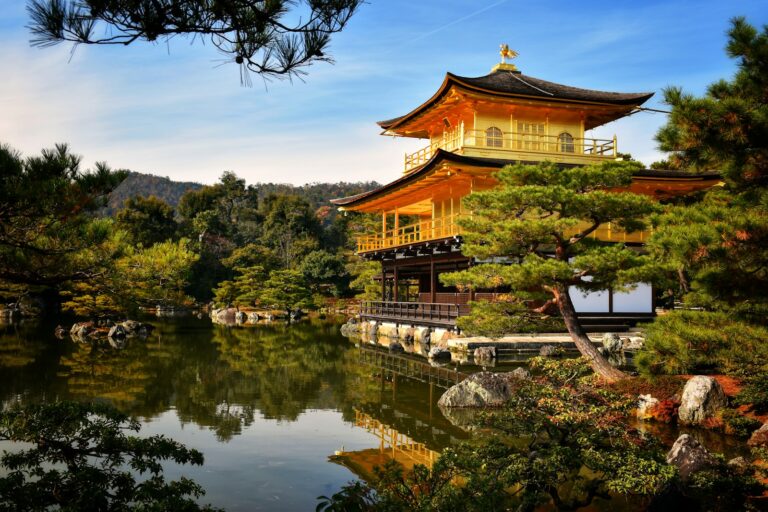
Kinkakuji Temple (Rokuonji Temple, Kita Ward, Kyoto City)
Kinkaku-ji Temple (officially known as Rokuon-ji Temple) is one of Kyoto's most representative World Heritage Sites, famous for the sight of its gold-leafed reliquary hall reflected in Kyoko-ike Pond...