
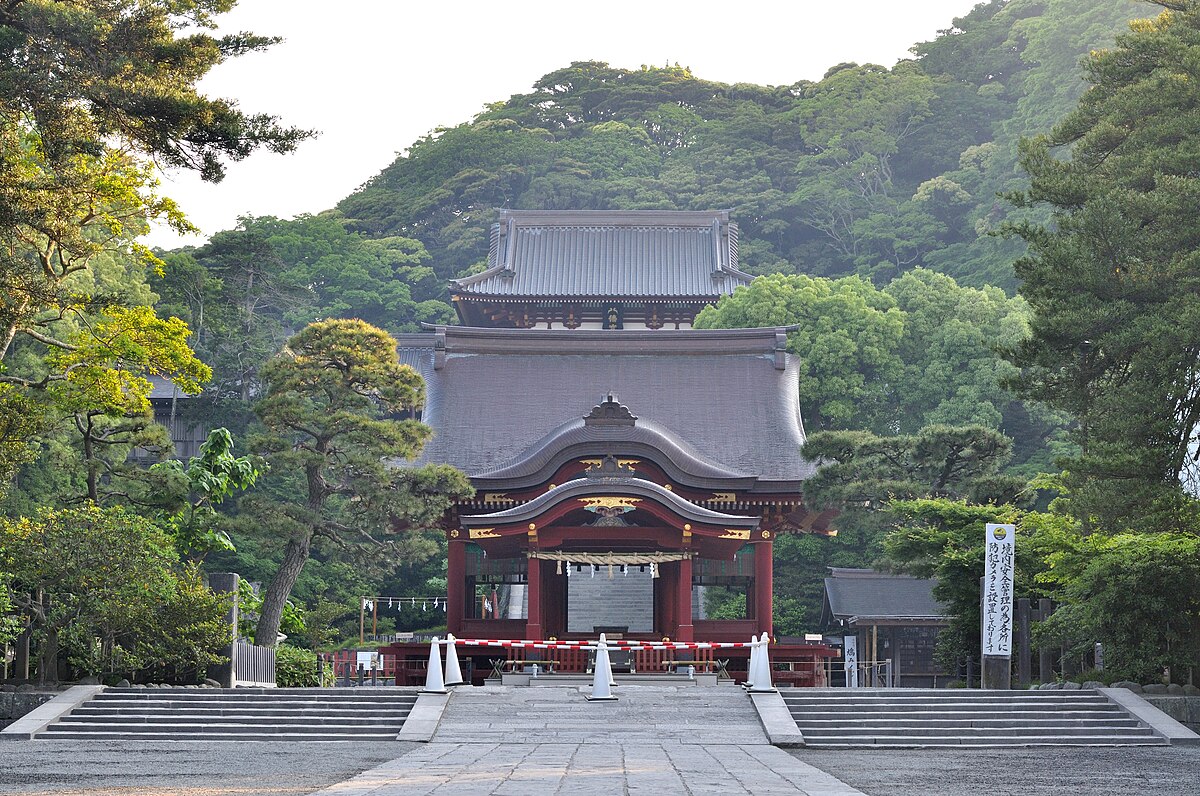
Tsurugaoka Hachimangu Shrine (Kamakura, Kanagawa Prefecture)
Overview (history, characteristics, attractions)
Tsurugaoka Hachimangu Shrine is a representative shrine located in the center of Kamakura city, with a history dating back to the Kamakura shogunate as the guardian deity of the Minamoto clan. Its origins date back to the Heian and Kamakura periods, and after Minamoto no Yoritomo established it on its current site, it developed as the guardian deity of the samurai class and the main shrine of Kamakura. It is characterized by its approach to the shrine, Wakamiya Oji, and the central Dankazura, as well as its spacious grounds, dance hall, main hall, and Genji Pond and Heike Pond, and attracts many visitors with its flowers and festivals throughout the year.
Highlights
- Dankazura (the central passage of Wakamiya-oji): The approach to the shrine is the face of Kamakura. Lined with cherry blossom trees, it is a great spot to view the flowers in spring.
- Main hall and dance hallThe shrine building is of dignified construction, and the dance hall where weddings and various religious ceremonies are held is photogenic.
- Genji Pond and Heike Pond (ponds within the temple grounds): Carp and turtles can be seen, adding a touch of scenery to the area. The view of the shrine from across the pond is also appealing.
- Treasure Hall (Museum): Historical documents and cultural assets related to the shrine will be on display (admission fees and opening hours are subject to change, so please check).
- Seasonal Events: The Yabusame (horseback archery) held at the annual festival in September is a particularly popular event. The first shrine visit of the New Year is also one of the most crowded in the country.
Access (nearest station, transportation, etc.)
- Nearest station (train): About a 10-15 minute walk from the east exit of JR/Enoshima Electric Railway's Kamakura Station. The easiest route is to go through Komachi-dori and follow Wakamiya-oji Street.
- carThere are public and private parking lots around the temple grounds, but they tend to fill up on weekends and festival days, so we recommend using public transportation.
- bus: Local buses are available to various destinations from the west and east exits of Kamakura Station, making them convenient for touring tourist spots.
- A guide from a distance: Approximately 1 hour from Tokyo Station on the JR Yokosuka Line (direct trains available), approximately 25-30 minutes from Yokohama.
Estimated stay (estimated time required)
- Quick visit and photography: 30 minutes to 1 hour
- Including the temple grounds, the treasure hall, and a stroll around the surrounding area: 1.5 to 2 hours
- Combined sightseeing with nearby Hasedera Temple and the Great Buddha: Half a day to a full day
Nearby spots
- Komachi Street: A shopping street leading from Kamakura Station to Tsurugaoka Hachimangu Shrine. There are many souvenir shops and restaurants.
- Great Buddha of Kamakura (Kotoku-in Temple): Accessible by train or bus. One of Kamakura's most popular tourist spots.
- Hasedera Temple: A temple popular for its flowers and views. The scenery changes with the seasons.
- Hokokuji Temple (Bamboo Temple), Kenchoji Temple, Engakuji Temple: Kamakura's ancient temples are scattered throughout the area, making it a great walking route.
Things to be aware of (crowds, manners, seasonal precautions, etc.)
- congestion: It gets extremely crowded during New Year's (first shrine visit of the year), cherry blossom season, Golden Week, the annual festival (September), and long weekends. It gets especially crowded during New Year's, so make sure you allow plenty of time.
- Worship etiquette: Purify yourself at the temizuya (purification fountain), and at the worship hall, it is common to follow the "two bows, two claps, one bow" procedure. Please be mindful of modest clothing and behavior within the grounds and shrine buildings.
- photo shoot: Generally, photography is permitted within the temple grounds, but there may be restrictions on photography during ceremonies or when priests are working. Please follow the notices and instructions of the staff.
- Eating, drinking and smoking: Eating, drinking, and smoking within the temple grounds may be restricted in some areas. Please take your trash home with you or dispose of it in designated areas.
- Steps and stairs:There are stone steps and uneven surfaces on the approach and grounds, so we recommend wearing comfortable walking shoes. In rainy weather, some areas may be slippery.
- Check event information: The opening hours of the Treasure Hall, special viewings, and dates of religious ceremonies and events are subject to change. Please check the official website or local information for the latest information before visiting.
Tsurugaoka Hachimangu Shrine is a place where you can enjoy both history and the typical Kamakura scenery all at once. While being mindful of crowds and manners, touring the surrounding ancient temples and shrines and sampling local delicacies will make for a fulfilling Kamakura sightseeing experience.