Overview (history, characteristics, attractions)
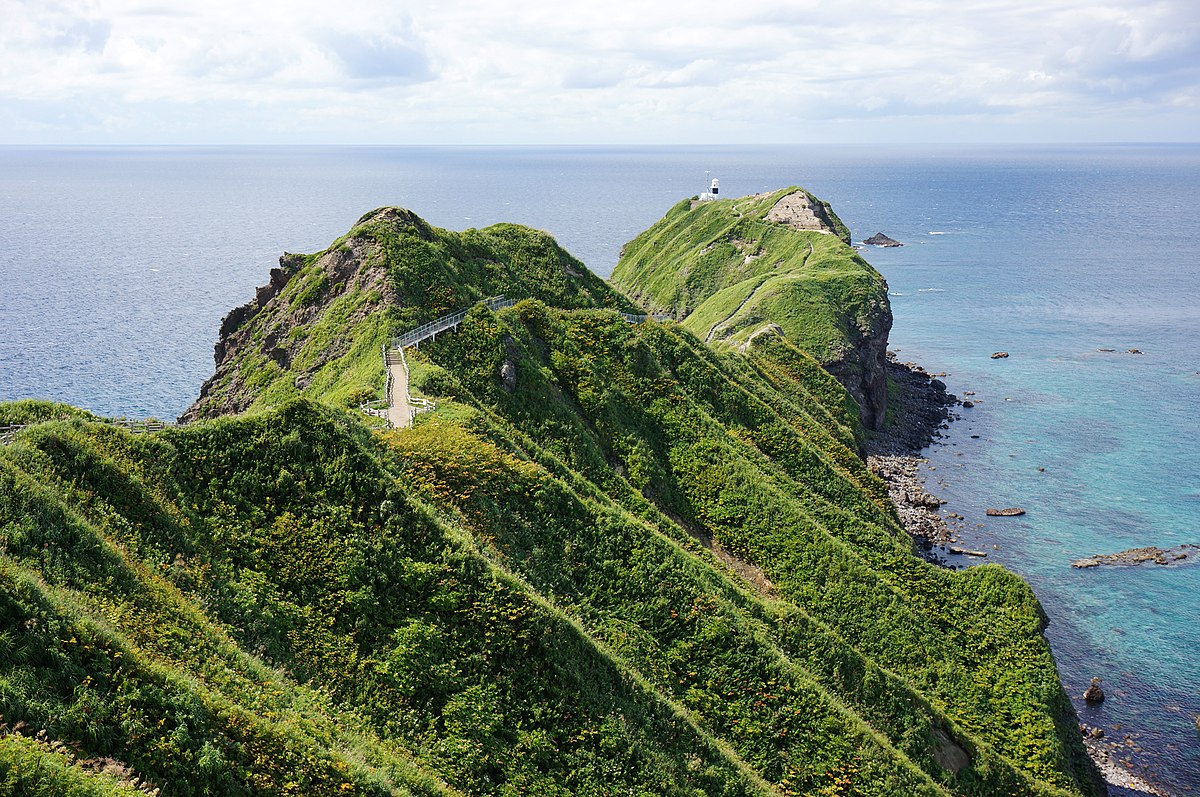
Cape Kamui is a cape located in Shakotan Town, Shakotan District, Hokkaido. Its name is said to derive from the Ainu word "kamui" (god, sacred thing), making it a scenic spot that has been considered sacred since ancient times. The sheer cliffs jutting out into the Sea of Japan and the crystal-clear waters are known as "Shakotan Blue," and on clear days, the waters offer a variety of hues, from deep cobalt blue to emerald green. A small shrine and lighthouse stand at the tip of the cape, offering a magnificent view of the ancient natural scenery and ocean below. The surrounding area is part of the Niseko-Shakotan-Otaru Coast Quasi-National Park (or the Niseko-Shakotan-Otaru Coast Area), and efforts are being made to protect the natural environment and preserve the landscape.
Highlights
– Cape Observation Deck: A panoramic view of the Sea of Japan from the cliffs. On a clear day, the vivid colors of the sea spread far into the distance.
- Shrine and lighthouse at the tip: The small shrine and lighthouse near the tip of the cape are popular photo spots.
- Trekking trail (promenade): The promenade from the parking lot to the tip of the cape has many areas with good footing, and along the way you can get a close-up view of the ocean and reefs. You may also be able to observe seabirds and marine life.
- Evening and morning views: The evening light, which paints the sea surface red and gold, is especially popular among photography enthusiasts. The clear air of the early morning is also recommended.
- Sea color (Shakotan Blue): The high transparency and reflection of the rocks allow you to enjoy the vivid blue color that is unique to this region.
Access (nearest station, transportation, etc.)
- Trains and buses: The nearest major JR stations are Otaru Station and Yoichi Station. There are bus routes from there, but they are infrequent and only operate during the summer (tourist season) or as special services. Please check the timetable in advance.
- By car (recommended): Approximately 1.5 to 2 hours by car from Sapporo, and approximately 30 minutes to 1 hour from Yoichi or Otaru (depending on traffic conditions). There is a parking lot near the cape, but it may be full during peak seasons.
- Sightseeing tours: There are day bus tours and private tours that depart from the Otaru and Shakotan area, which are convenient if public transportation is inconvenient.
- Walking: From the parking lot or bus stop, walk along the promenade to the tip of the cape (see "Estimated time" below for the required time).
Estimated stay (estimated time required)
- Short-term sightseeing: If you just park and enjoy the view, it will take about 30 minutes to an hour.
- Photography and strolling: If you go to the tip of the cape and back, and take your time to see the surrounding sights, it will take 1 to 2 hours.
- If combining meals and sightseeing in the area: Half a day (3-4 hours) to a full day.
*This may vary depending on crowding, weather, and walking speed.
Nearby spots
Shimamui Coast: Famous for its crystal clear cove and cliff views. It is located about a few minutes to 20 minutes by car from Cape Kamui.
- Bikuni District and Bikuni Fishing Port: Famous for its fresh seafood, especially sea urchin dishes. There are many restaurants popular with tourists.
- Shakotan coastline drive: Starting from the cape, a drive along the coastline is highly recommended as it offers beautiful scenery.
- Yoichi (Nikka Whisky Yoichi Distillery): A tourist destination accessible by car. There are also wineries and historical facilities scattered around.
(Travel times are approximate by car. Please check connections when using public transport.)
Things to be aware of (crowds, manners, seasonal precautions, etc.)
- Transportation and public transport restrictions: Buses are infrequent and may only run seasonally, so if you are travelling by public transport, please check the timetable in advance. We recommend using a car.
– Crowds: During the summer tourist season (especially around the Obon holidays and long weekends), parking lots tend to fill up, and the promenades and observation decks are also crowded. Visiting early in the morning or in the evening can help avoid the crowds.
- Weather and wind: The cape can be windy and cold. Even in spring and autumn, be sure to take measures to protect yourself from the wind and cold. The sea can suddenly become rough, so be careful near cliffs and the coast.
- Safety measures: There are many sheer cliffs, and some areas are off-limits or fenced. Please always put safety first by not ignoring fences and no-entry signs, keeping an eye on children, and walking carefully.
- Garbage and nature conservation: Please be sure to take your garbage with you. Collecting rare plants and coastal creatures may be prohibited. Please follow local rules.
- Drones/Photography: Drones may be restricted around lighthouses and within natural parks. Please check the flight and photography rules in advance.
– Winter closures and road conditions: From winter to early spring, roads and trails may be closed or dangerous to pass through due to snow and ice. Please be sure to prepare adequate equipment and check the conditions before visiting in winter.
A little advice
– The color of the ocean is especially vibrant on sunny days or the day after a typhoon. Check the weather forecast when choosing your visit date to ensure you can take great photos.
– There are only a limited number of restaurants and shops nearby, so when planning long-distance travel or sightseeing, it is a good idea to check where to eat and what their opening hours are, and to bring drinks and rain gear.
If necessary, I can also look up and compile specific directions (routes by departure point), how to check bus schedules, and information on nearby restaurants and parking lots. Please let me know if you need any information.