
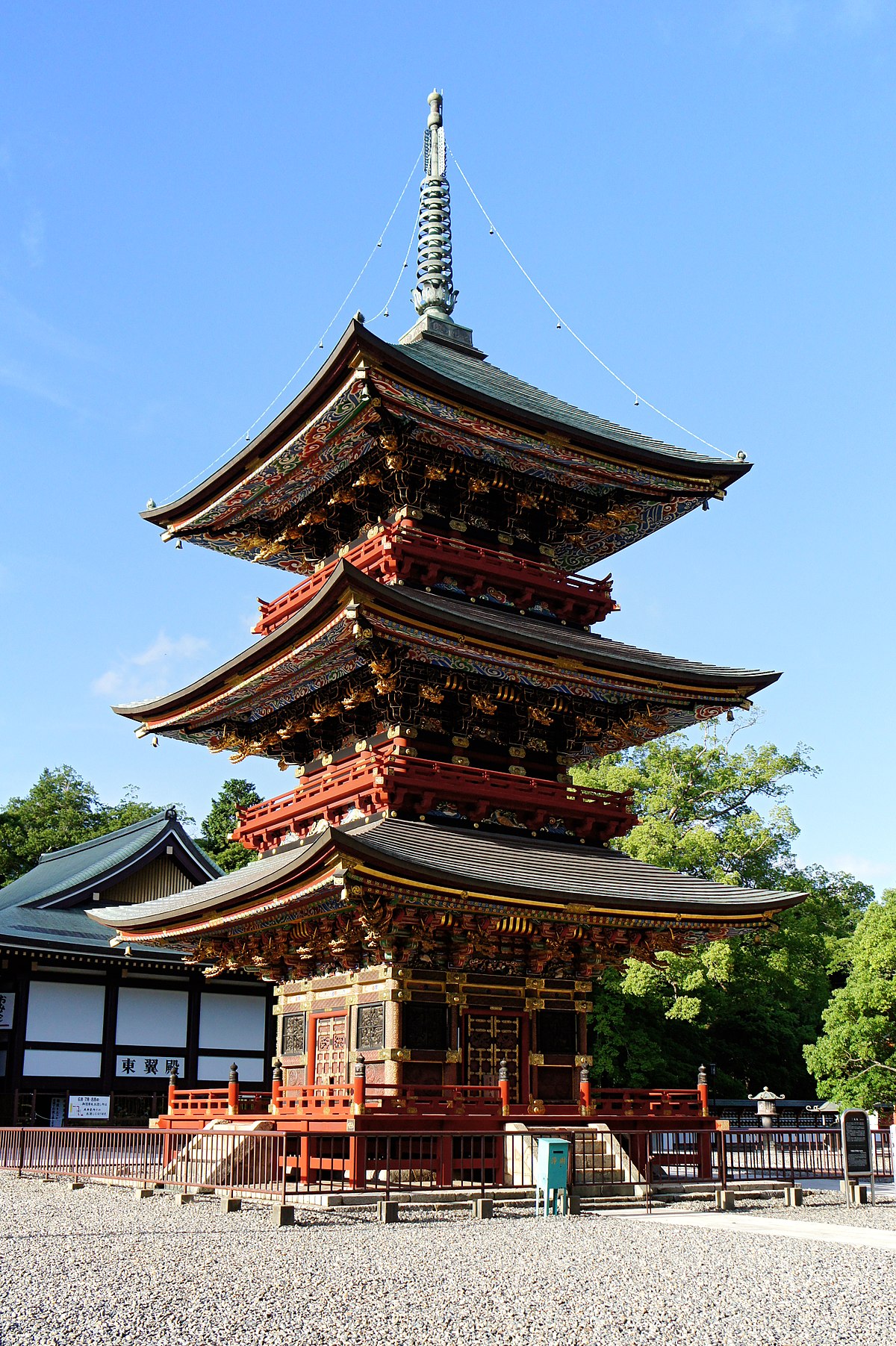
Naritasan Shinshoji Temple (Narita City, Chiba Prefecture)
Overview (history, characteristics, attractions)
Founded in 940, Naritasan Shinshoji Temple is the head temple of the Chizan school of Shingon Buddhism and one of the oldest temples in the Kanto region, located in Narita City, Chiba Prefecture. The principal deity is Acala (the object of prayers, primarily through goma offerings), and throughout its long history, it has attracted widespread faith as a temple for praying for road safety, protection from misfortune, and the safety of the home. With many attractions, including the majestic main hall (Daihondo), Niomon Gate, Great Peace Pagoda, the expansive grounds, and the Japanese garden-like Naritasan Park, the temple is bustling with worshippers and tourists throughout the year. It is also famous for its unique prayers using fire, known as goma offerings, as well as events and festivals such as Setsubun.
Highlights
- Main Hall (Main Hall): Admire the majestic architecture and worship the principal image of Fudo Myo-o. Goma offerings (prayer ceremonies) are held daily, and the impressive Goma fires are a must-see (participation and viewing are permitted in some cases).
- Niomon Gate, Three-story Pagoda, Great Pagoda of Peace: You can enjoy architectural styles and Buddhist statues from each era, including historical buildings and a large pagoda built during the Showa period.
- Naritasan Park (Garden): Also known as a famous spot for viewing autumn leaves and cherry blossoms, this is a walking spot where you can enjoy the scenery of all four seasons.
- Omotesando (Naritasan Omotesando): Along the approach to the shrine, there are souvenir shops and specialty shops such as eel shops, making it an ideal place for food tours and dining. You can feel the old-fashioned townscape.
- Treasure House and Museum: Buddhist statues, paintings, calligraphy, and historical materials from the temple are on display (check official information for opening hours and changing exhibits).
Access (nearest station, transportation, etc.)
- train
- It's about a 10-15 minute walk from JR Narita Station (JR Narita Station). From the station, it's easy to follow the approach to the temple grounds.
- It is also about a 10-minute walk from Keisei Narita Station on the Keisei Line.
- From Tokyo: 1 to 1.5 hours by JR or Keisei (varies depending on train type and departure point).
- From Narita Airport: Take the Keisei or JR line from Narita Airport Station to Narita Station (one stop, about 10 minutes). You can also get there by bus or taxi.
- car
- There is a paid parking lot in the vicinity (it may be full during visits and events due to congestion). Please note that traffic restrictions may be in place during long holidays and New Year's visits to the shrine.
- Buses and other
- Access buses from Narita Airport and local circular buses are also available. It is convenient to choose the route depending on the length of your stay and the amount of luggage you have.
Estimated stay (estimated time required)
- Quick visit and stroll along the approach: 1 to 1.5 hours
- Visit to the main hall + leisurely viewing of Naritasan Park and the Treasure Hall: 2-3 hours (half a day including lunch)
- Local sightseeing (combined with the Museum of Aeronautical Sciences and other tourist attractions): Half a day to a full day
Nearby spots
- Naritasan Omotesando: A popular walking path lined with souvenir shops, Japanese sweet shops, and eel specialty restaurants.
- Naritasan Park (garden within the temple grounds): A beautiful walking spot with cherry blossoms in spring and autumn leaves.
- Museum of Aeronautical Sciences: Popular with families with children due to its aircraft displays and interactive exhibits (near Narita Airport).
- Sakuranoyama Park: An observation spot (near Narita Airport) where you can see planes taking off and landing up close.
- Narita City's old townscape and museums: There are spots where you can take historical walks and learn about local culture.
Things to be aware of (crowds, manners, seasonal precautions, etc.)
- congestion: New Year's Day and the first three days of the New Year are extremely crowded, resulting in long queues and traffic restrictions. Weekdays and early mornings are relatively quiet. Long weekends, Setsubun, and spring and autumn event days are also prone to crowds.
- Worship etiquettePlease remain quiet inside the main hall and goma hall. There are some areas where applause and photography are restricted, so please follow the notices and instructions of the staff. Please follow the instructions of the staff regarding the handling of incense, candles, goma charms, etc.
- Clothing and walking: The temple grounds are paved with stone pavement and stairs, which can become slippery on rainy days, so wear comfortable shoes. Take measures to protect yourself from the sun in summer and the cold in winter.
- photograph: Photography is permitted in many places, but there are cases where photography is prohibited during religious ceremonies, when the principal image is displayed solemnly, or when the treasures are on display. Please check the posted notices.
- Pets: There may be restrictions on pets being allowed on the temple grounds. Please check in advance.
- Check for the latest information: Opening hours, special viewing times, goma offering times, and event details change depending on the season, so we recommend checking the official website or local information before visiting for the latest information.
Naritasan Shinshoji Temple is a tourist destination that combines tradition and faith, the natural beauty of the four seasons, and food culture. Enjoy the local cuisine on the main approach, and then worship and stroll through the quiet grounds.